Dayworthy itinerary

A realistic 5-day London itinerary for first-time visitors

London is too large, too historic, and too tempting to solve with a checklist. This five-day plan protects the first-visit anchors, gives the Thames a real role, adds one royal day trip, and leaves enough room for museums, meals, theatre, weather, and the simple truth that London rewards wandering.

Destination
London, United Kingdom
Length
5 days
Pace
balanced
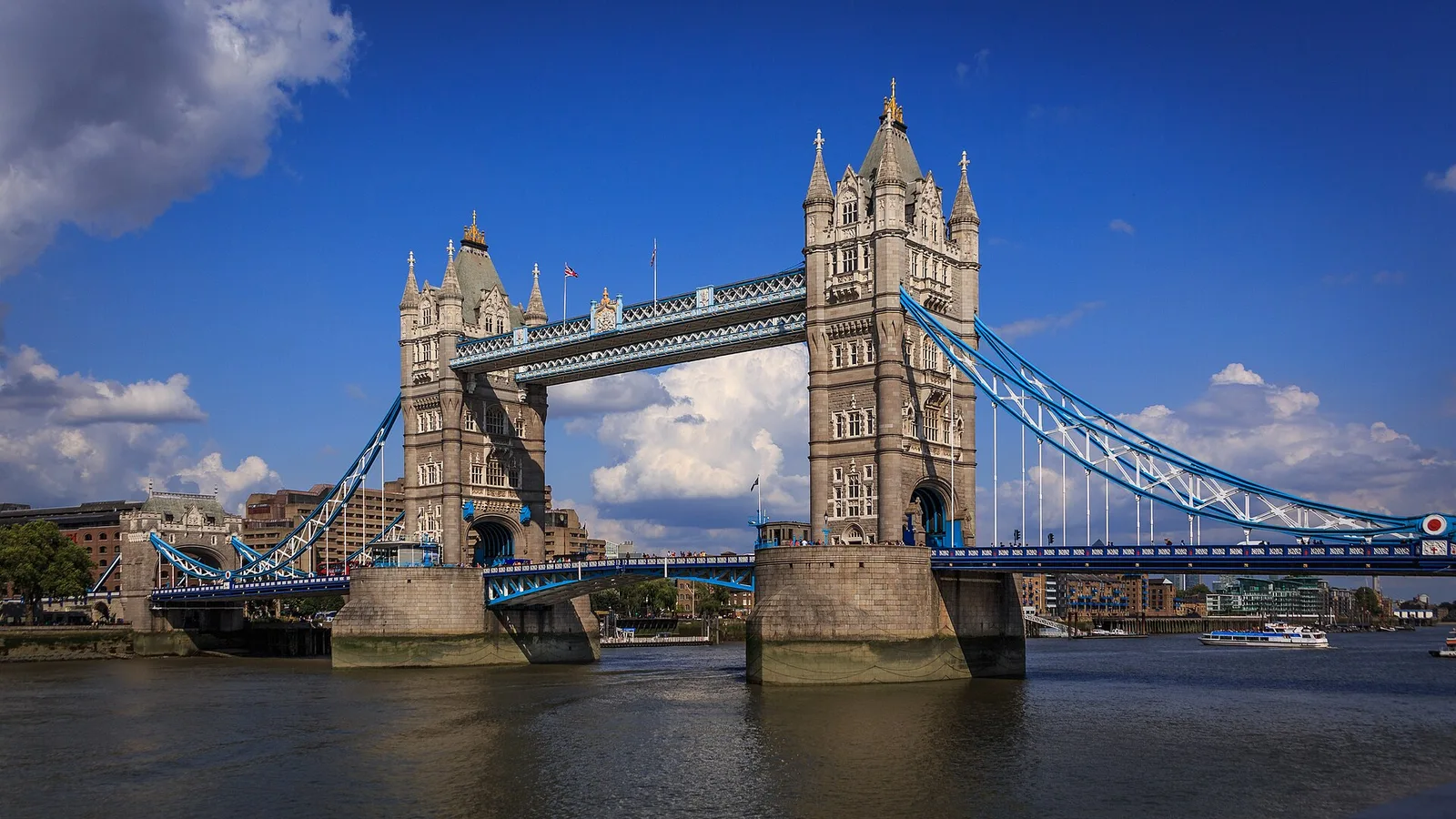
Tower Bridge, used as the hero image for a 5-day London itinerary
Credit: Barcex, via Wikimedia Commons (CC BY-SA 3.0) · CC BY-SA 3.0

Day-by-day plan

A paced plan, not an endless list.

Day1

Westminster, the South Bank, Tate Modern, and Covent Garden

Start with royal and parliamentary London, then cross into the South Bank for a more walkable riverside afternoon. The day is classic but not frantic: one major interior, one river corridor, one art anchor, and an easy Covent Garden evening.

  1. 2 hours

    Westminster Abbey

    Start with the biggest historic interior while attention is fresh.

    Westminster Abbey is London history in stone: coronations, royal weddings, memorials, poets, monarchs, statespeople, and centuries of national ritual layered into one Gothic building. Give it real time, then resist the urge to add every nearby interior on the same morning.
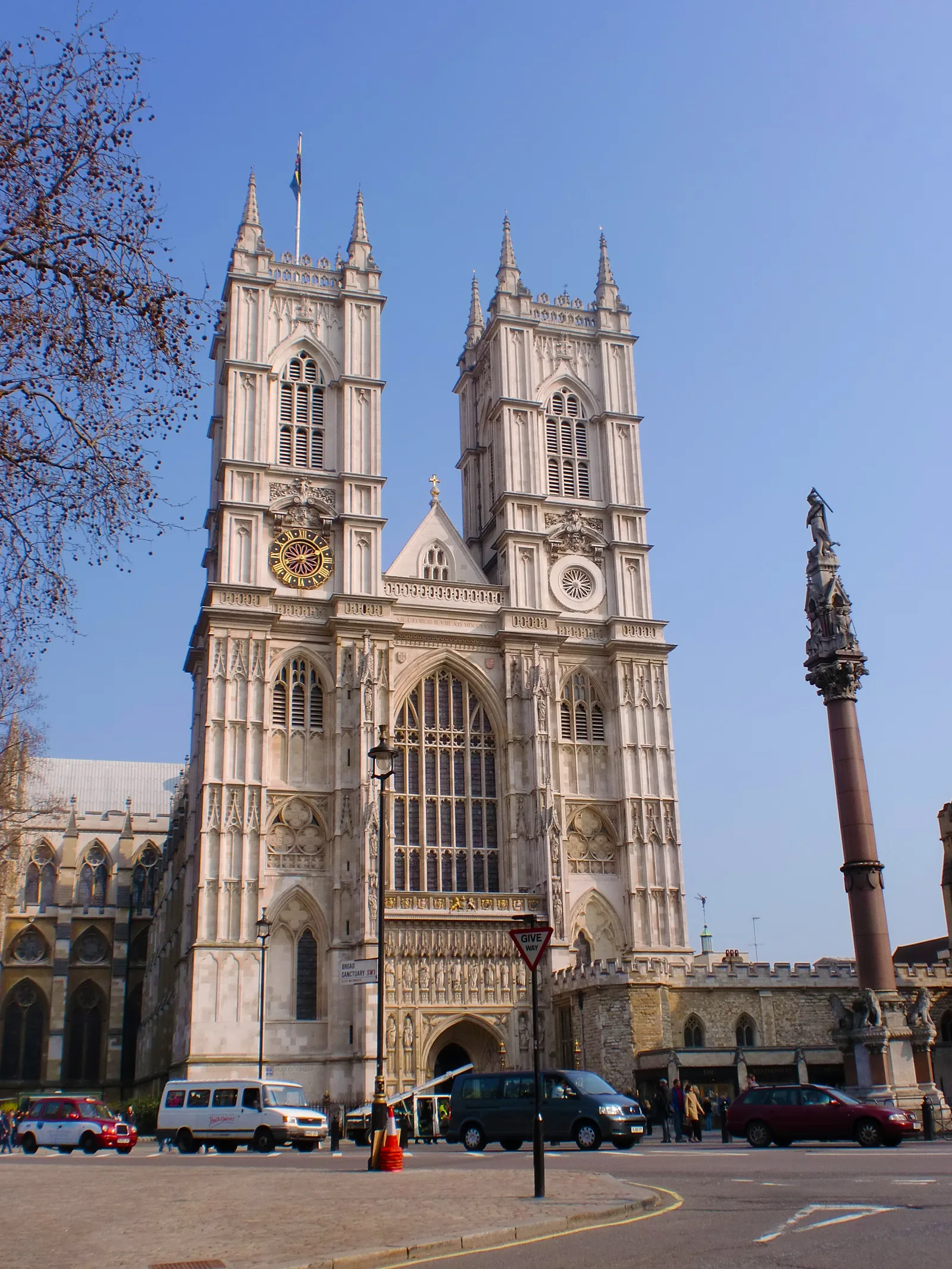
    Westminster Abbey in London
    Credit: Σπάρτακος, via Wikimedia Commons (CC BY-SA 3.0) · CC BY-SA 3.0
  2. 45 min

    Big Ben and Parliament Square

    Treat this as a short outside landmark stop, not a long tour.

    Big Ben and the Palace of Westminster give the morning its postcard moment. The stop is quick, but it matters: the clock tower, Parliament, Westminster Bridge, and Thames views all help orient the rest of central London.
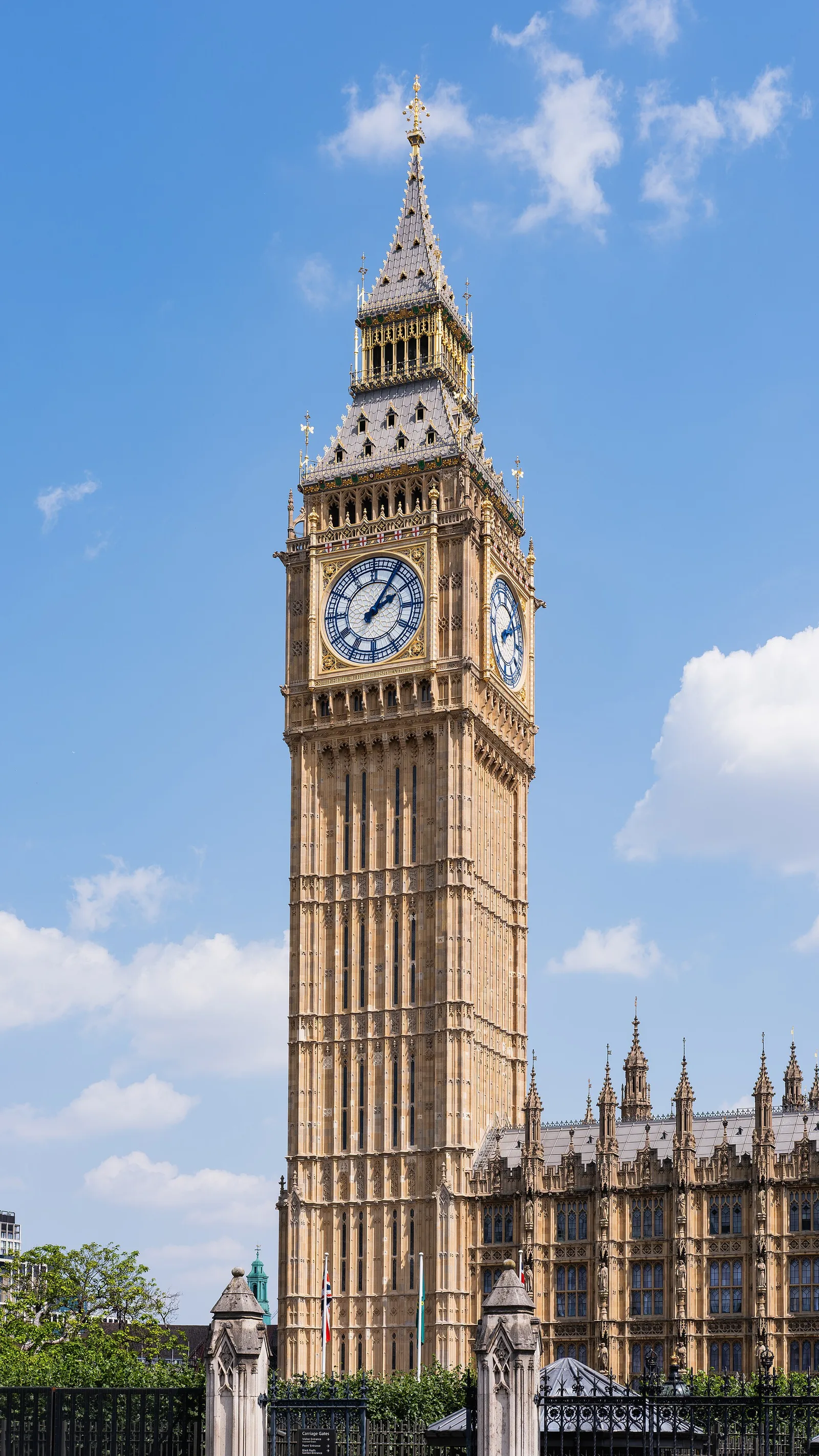
    Big Ben and the Palace of Westminster in London
    Credit: Christian David, via Wikimedia Commons (CC BY-SA 4.0) · CC BY-SA 4.0
  3. 1 hour 15 min

    Lunch on the South Bank

    Cross the river and keep lunch easy. The South Bank is useful because it lets the day continue on foot instead of turning into a transit puzzle.

  4. 1 hour

    Southbank Centre and riverside walk

    Use the riverside for buskers, book stalls, river views, and breathing room.

    The South Bank is one of the easiest ways to feel London moving: theatres, bridges, food stalls, performers, concrete arts buildings, river views, and constant foot traffic. It is a connector with atmosphere, not just a way to get to the next museum.
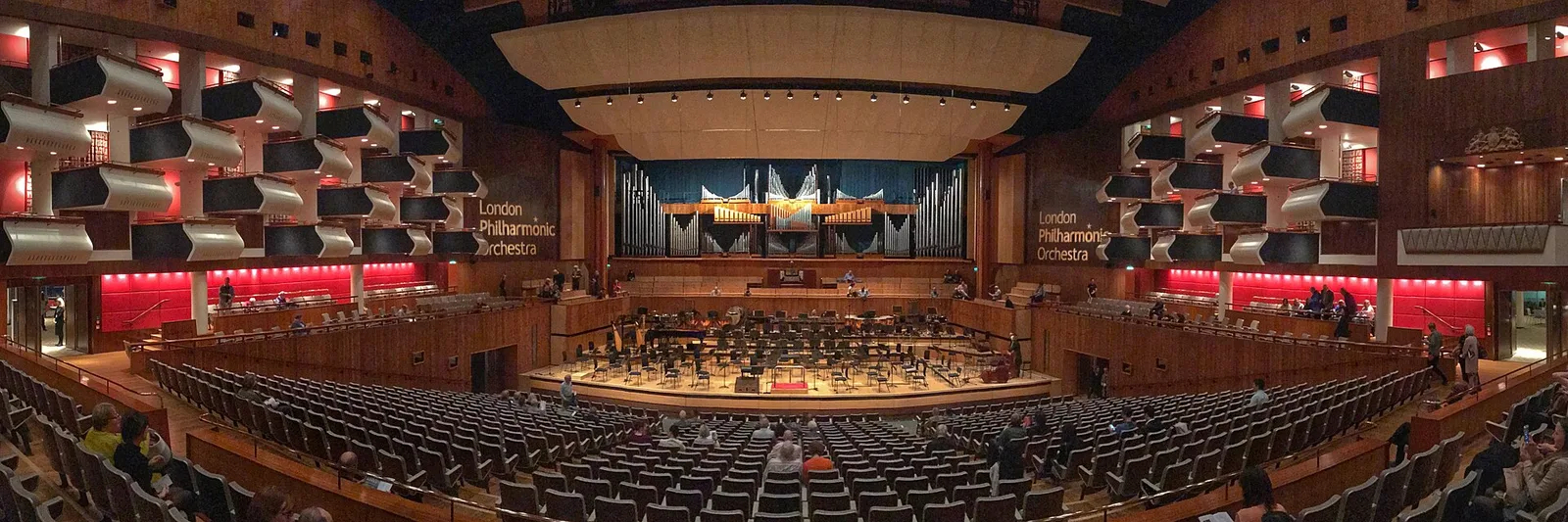
    Southbank Centre and the Thames in London
    Credit: Ungry Young Man from Vienna, Austria, via Wikimedia Commons (CC BY 2.0) · CC BY 2.0
  5. 2 hours

    Tate Modern

    Choose a few galleries instead of trying to absorb the whole museum.

    Tate Modern gives the first day a major art anchor without leaving the river. The converted power station is part of the appeal, and the best visit is selective: pick a route, notice the building, then leave before museum fatigue eats the evening.
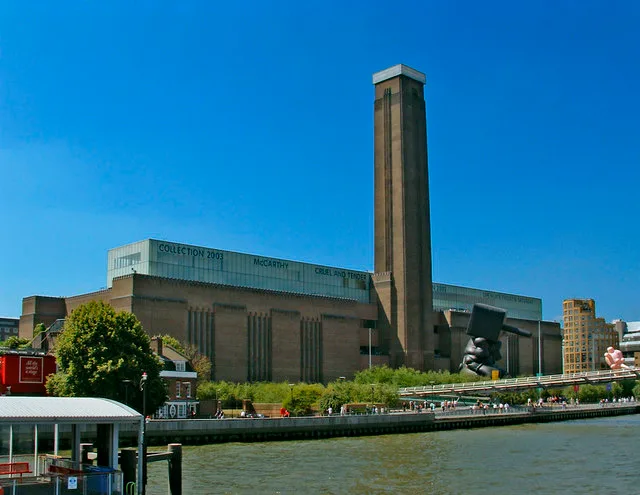
    Tate Modern on London’s South Bank
    Credit: Christine Matthews, via Wikimedia Commons (CC BY-SA 2.0) · CC BY-SA 2.0
  6. 1 hour 15 min

    Covent Garden Piazza

    End with street performers, arcades, shops, and an easy dinner zone.

    Covent Garden Piazza is touristy, theatrical, and still useful on a first trip. After Westminster and Tate Modern, it gives the evening a lighter rhythm: covered market arcades, performers, restaurants, pubs, and side streets you can enjoy without another ticketed plan.
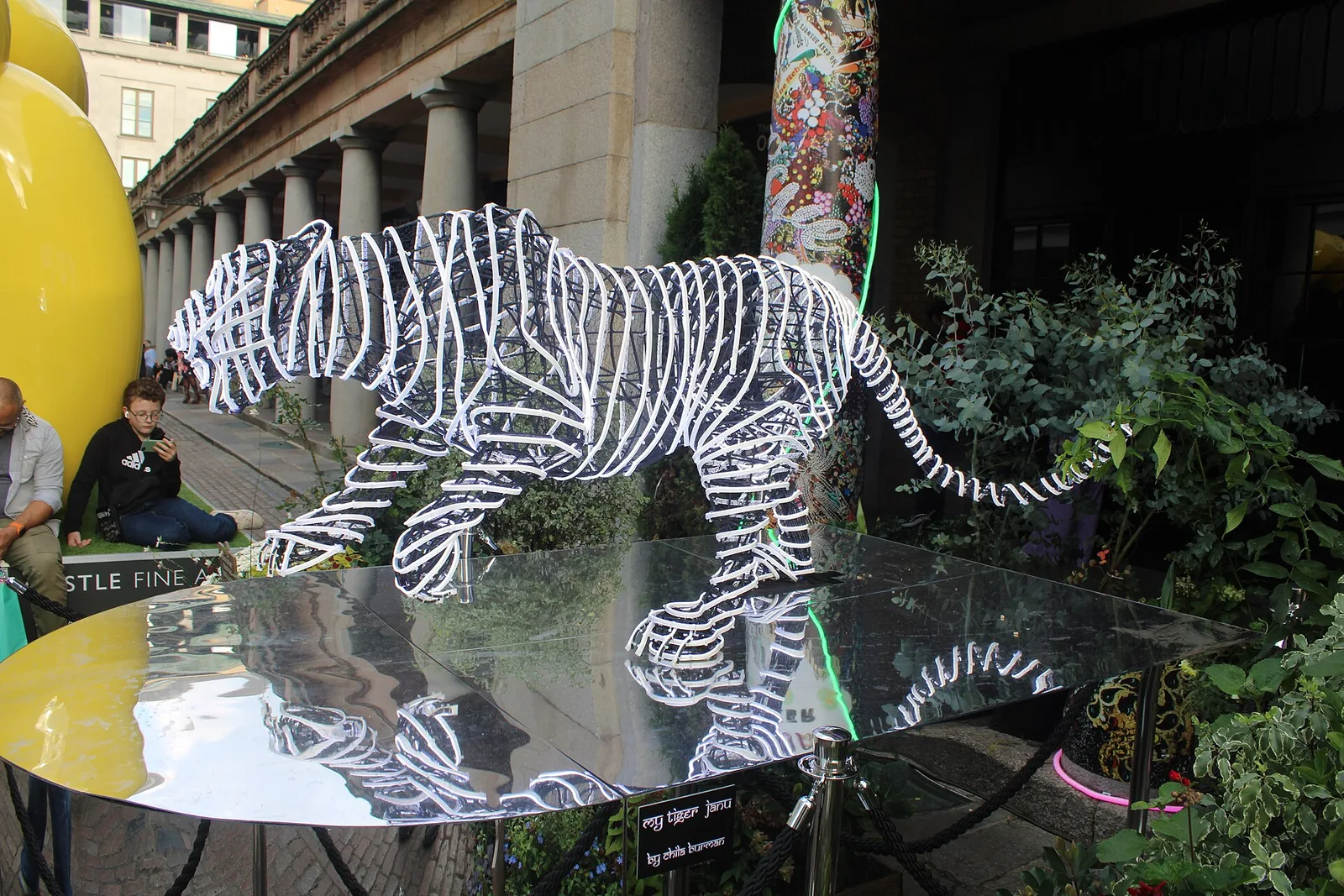
    Covent Garden Piazza in London
    Credit: Robert Lamb, via Wikimedia Commons (CC BY-SA 2.0) · CC BY-SA 2.0
  7. 1 hour 30 min

    Dinner in Covent Garden

    Stay nearby for dinner. The first day already gave you monuments, river walking, and a museum; the evening should be easy.
Day2

Tower of London, Tower Bridge, St Paul’s, Millennium Bridge, and Soho

This is the City-and-river day: medieval power at the Tower, the bridge everyone wants to see, St Paul’s dome, a clean Thames crossing, and a Soho/Chinatown evening that keeps dinner central.

  1. 2 hours 30 min

    Tower of London

    Go early; this is a substantial heritage site, not a quick photo stop.

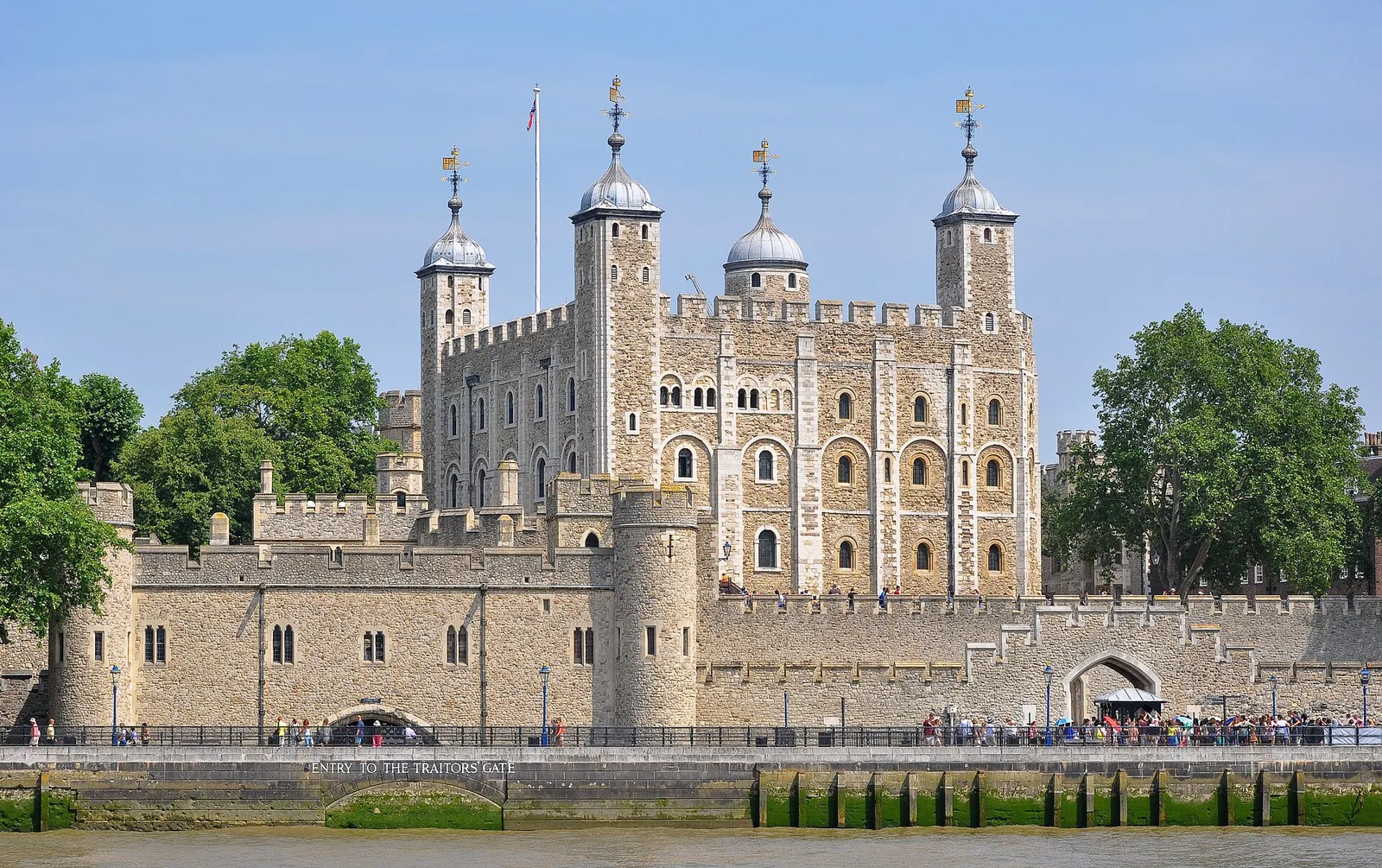
    The Tower of London earns a full morning because it combines fortress, palace, prison mythology, Crown Jewels, and medieval architecture in one dense site. The visit is busy and very structured, but it gives London’s royal history weight.

    The Tower of London beside the Thames
    Credit: Bob Collowan, via Wikimedia Commons (CC BY-SA 3.0) · CC BY-SA 3.0
  2. 45 min

    Tower Bridge

    Walk the bridge and save the paid interior for bridge lovers.

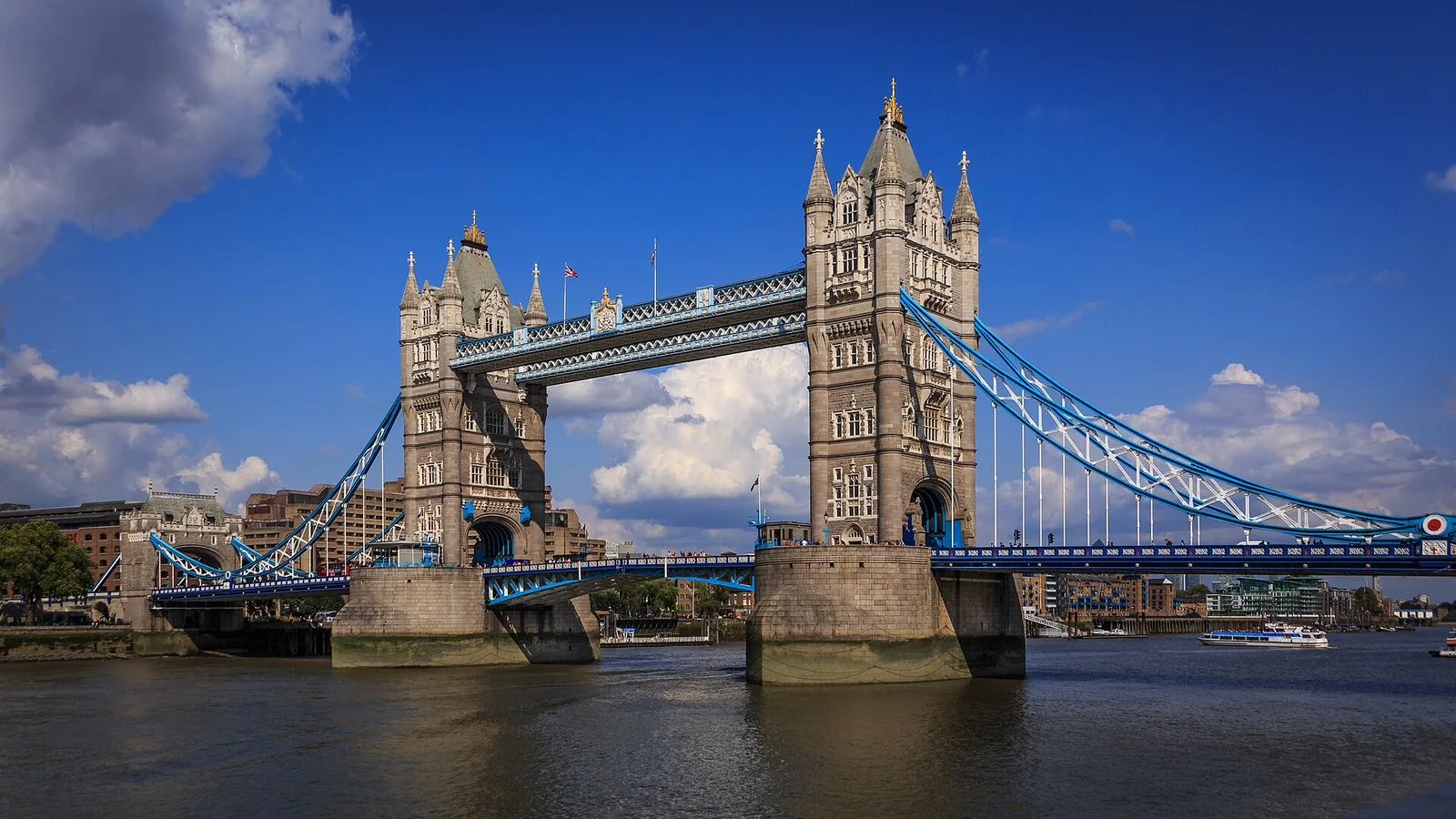
    Tower Bridge is one of those icons that still feels good in person: twin towers, heavy stonework, river traffic, and views back toward the Tower and modern City skyline. Even a simple crossing gives the day a strong visual moment.

    Tower Bridge in London
    Credit: Barcex, via Wikimedia Commons (CC BY-SA 3.0) · CC BY-SA 3.0
  3. 1 hour 30 min

    Lunch near Borough Market or Southwark

    Keep lunch south of the river or near the City so the afternoon does not become a long backtrack.

  4. 1 hour 45 min

    St. Paul's Cathedral

    Use the dome, crypt, and nave as the afternoon’s main interior.

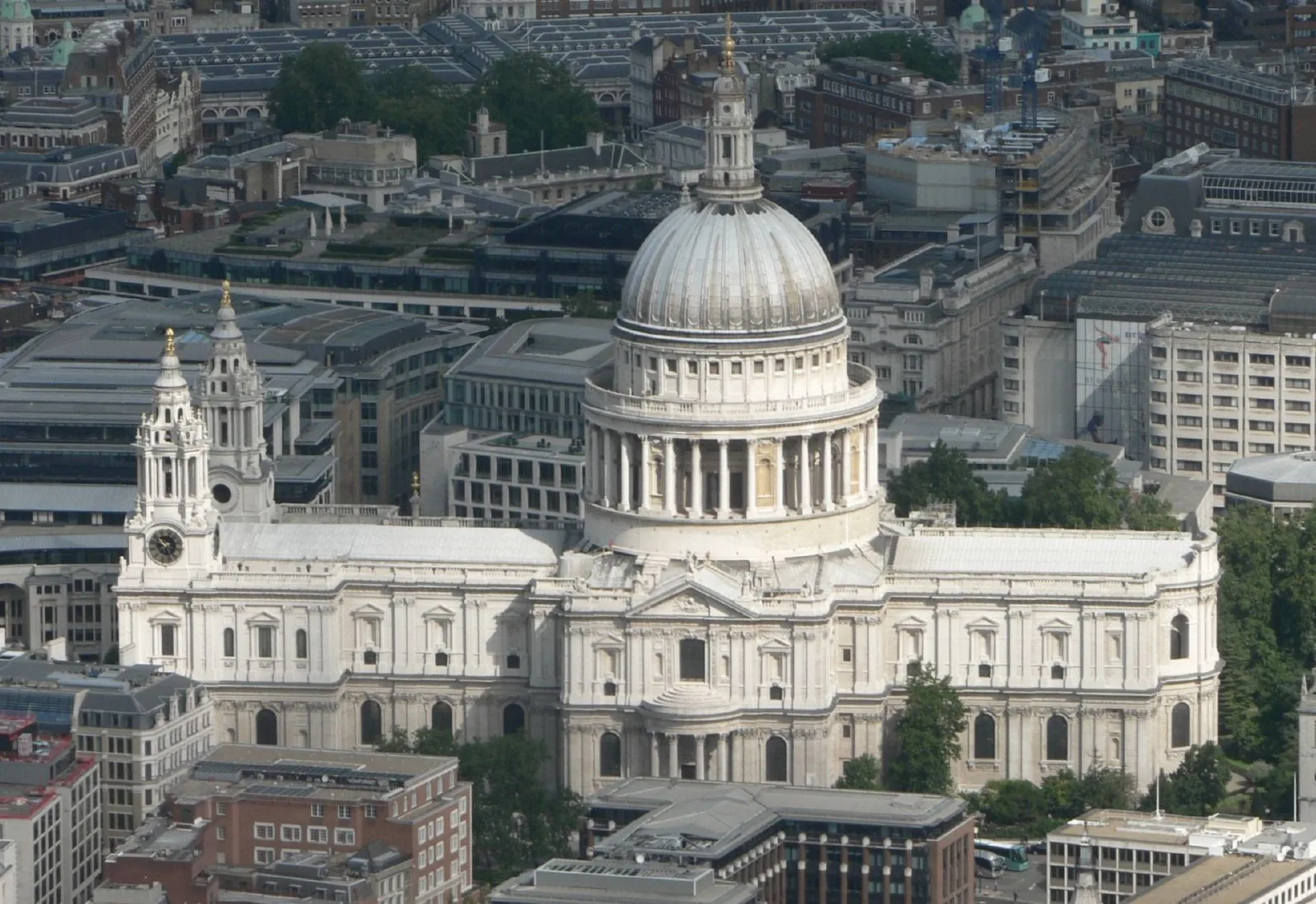
    St Paul’s brings a different London from Westminster Abbey: Wren’s Baroque rebuild, the dome, the City setting, and a sense of survival after fire and war. If you climb, the visit becomes more physical; if not, the main floor and crypt are still worthwhile.

    St. Paul's Cathedral in London
    Credit: Mark Fosh, via Wikimedia Commons (CC BY 2.0) · CC BY 2.0
  5. 45 min

    Millennium Bridge

    Cross for the direct St Paul’s sightline and a quick river reset.

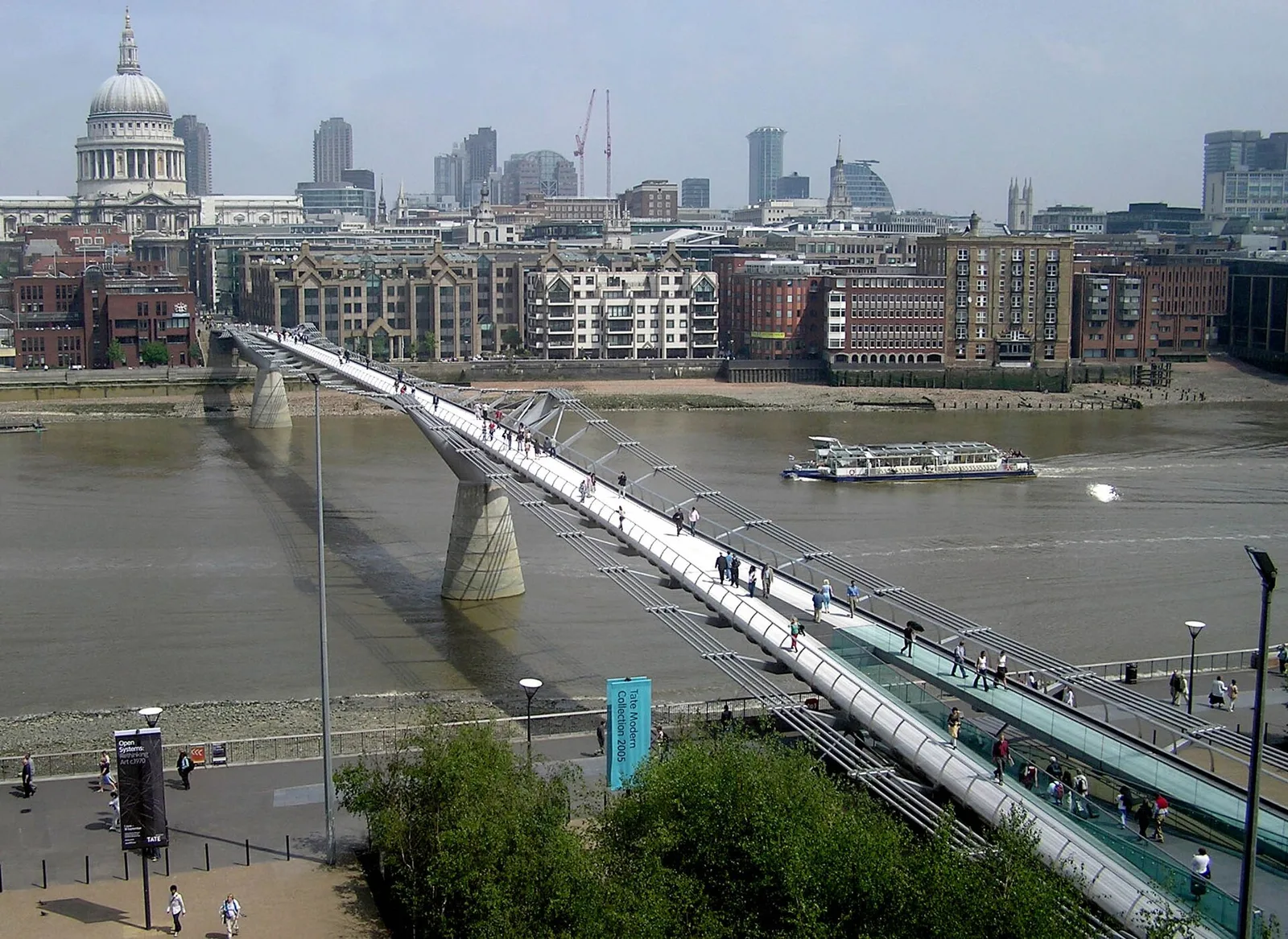
    Millennium Bridge works because it turns movement into a view. The line between St Paul’s and Tate Modern is clean, modern, and very London: old dome, new bridge, river, and busy pedestrian flow.

    Millennium Bridge with St Paul’s Cathedral views
    Credit: Unknown author, via Wikimedia Commons (Public domain) · Public domain
  6. 1 hour 30 min

    Tea and rest break

    Take the break seriously before the West End. London museum-and-monument days can look compact and still feel tiring.

  7. 2 hours

    Chinatown and Soho

    Use Chinatown and Soho for dinner energy without a complicated final transfer.

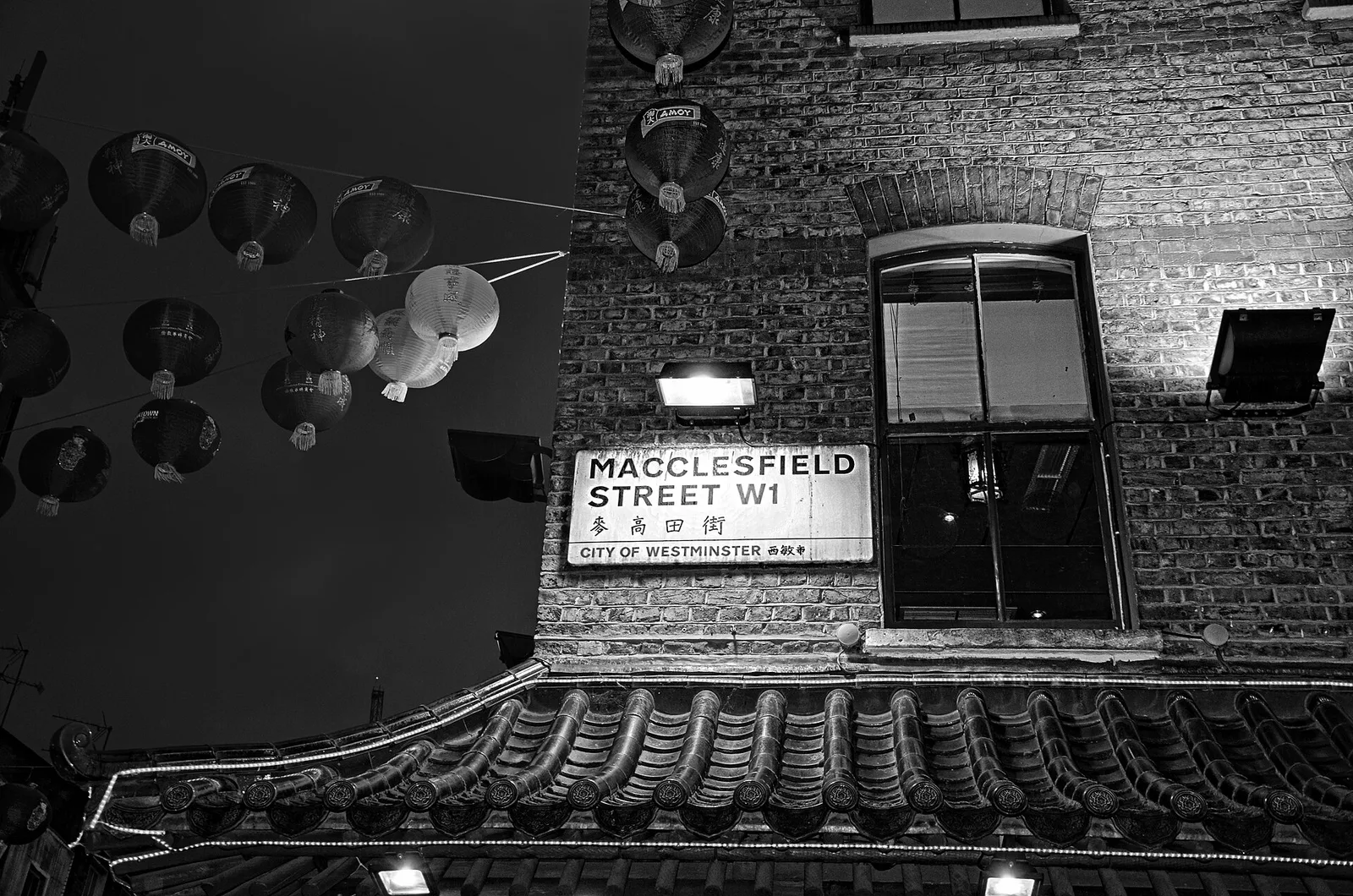
    Chinatown and Soho make sense after a City day because they are central, busy, and full of dinner choices. Come for neon, side streets, pubs, restaurants, dessert stops, and the feeling of London switching into evening mode.

    Chinatown in London at night
    Credit: It's No Game, via Wikimedia Commons (CC BY 2.0) · CC BY 2.0
Day3

Windsor as the royal day trip

Give Windsor its own day rather than wedging it between central London museums. The castle, river, town center, and slower pace make a useful contrast after two dense city days.

  1. 8 hours

    Day trip to Windsor

    Treat Windsor as a full outing with castle time, lunch, and a town walk.

    Windsor gives the itinerary royal scale without another central-London crush. The castle is the anchor, but the town, river, and Great Park edges make the day feel more relaxed than a pure museum sprint. Check castle opening times before committing the day.

    Windsor Castle and town near London
    Credit: Ввласенко, via Wikimedia Commons (CC BY-SA 3.0) · CC BY-SA 3.0
Day4

British Museum, Hyde Park edges, the V&A, and Regent Street

This day pairs one huge global museum with a gentler west-London afternoon. It avoids turning Kensington into a museum marathon by choosing the V&A as the main second anchor.

  1. 2 hours 30 min

    The British Museum

    Pick a route before entering; the museum is too large to “finish.”

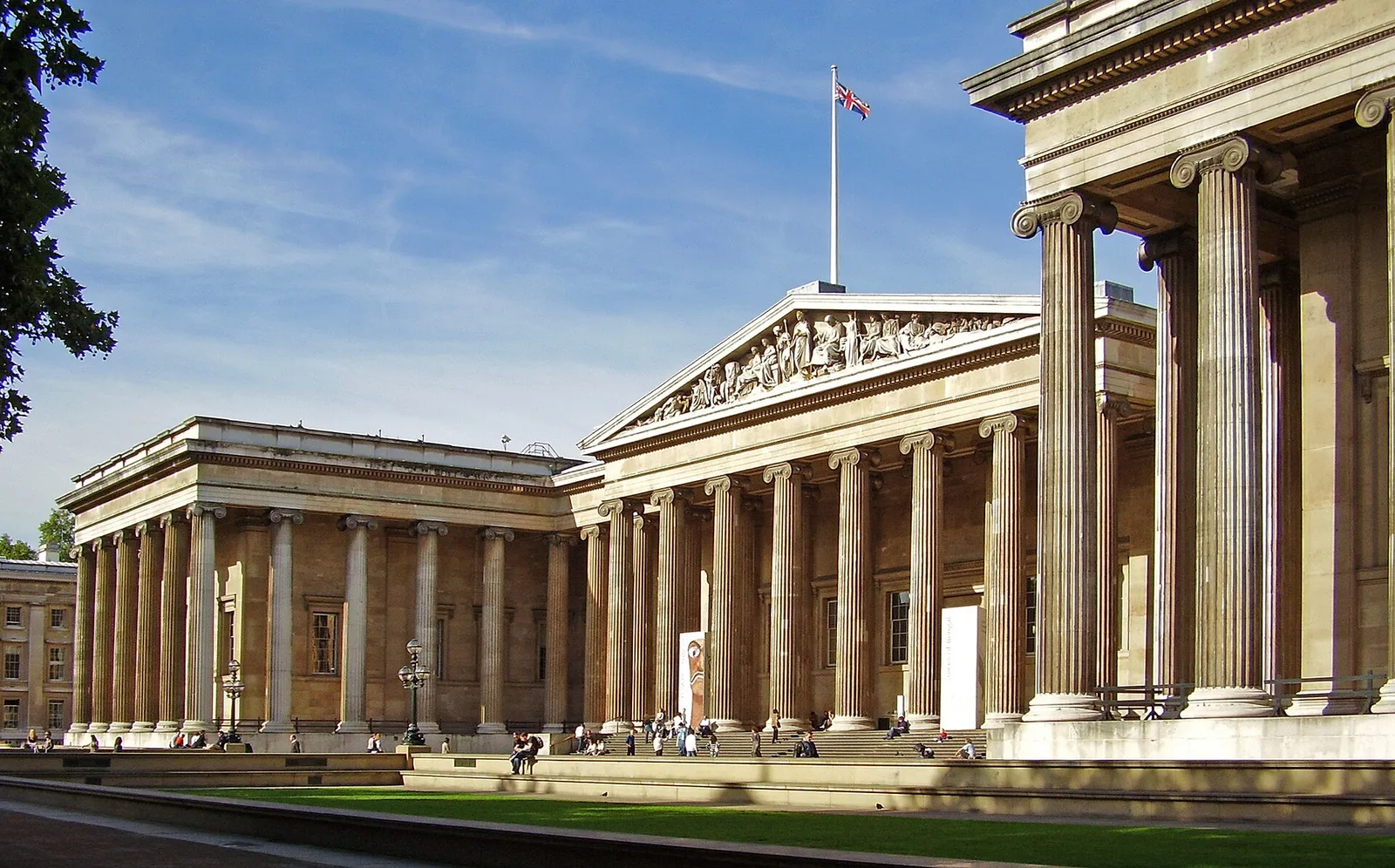
    The British Museum is massive, crowded, complicated, and still one of London’s defining cultural stops. It works best when you choose a few sections deliberately and leave with energy for the rest of the day.

    The British Museum in London
    Credit: Ham, via Wikimedia Commons (CC BY-SA 3.0) · CC BY-SA 3.0
  2. 1 hour 15 min

    Lunch in Bloomsbury

    Keep lunch near Bloomsbury so the morning has a clean ending before the westward move.

  3. 1 hour 30 min

    Hyde Park and Kensington Gardens edge

    Use the park edge as a reset before the V&A.

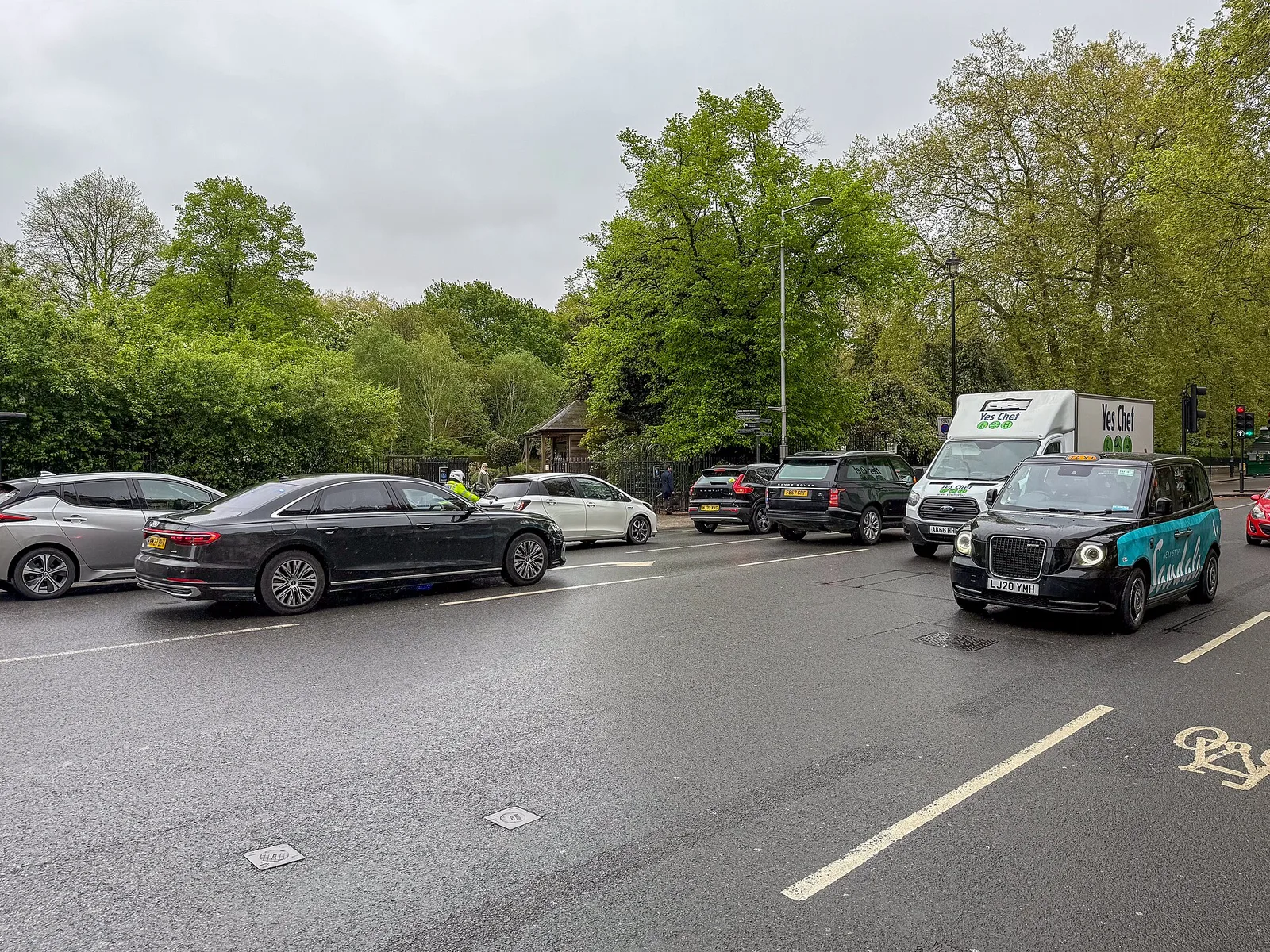
    A walk along Hyde Park and Kensington Gardens gives the afternoon some green space before another museum. It is not about a single monument; it is about letting London widen out after Bloomsbury’s museum intensity.

    Hyde Park and Kensington Gardens edge in London
    Credit: Photograph by Mike Peel (www.mikepeel.net)., via Wikimedia Commons (CC BY-SA 4.0) · CC BY-SA 4.0
  4. 2 hours

    Victoria and Albert Museum

    Choose design, fashion, sculpture, or decorative arts rather than every gallery.

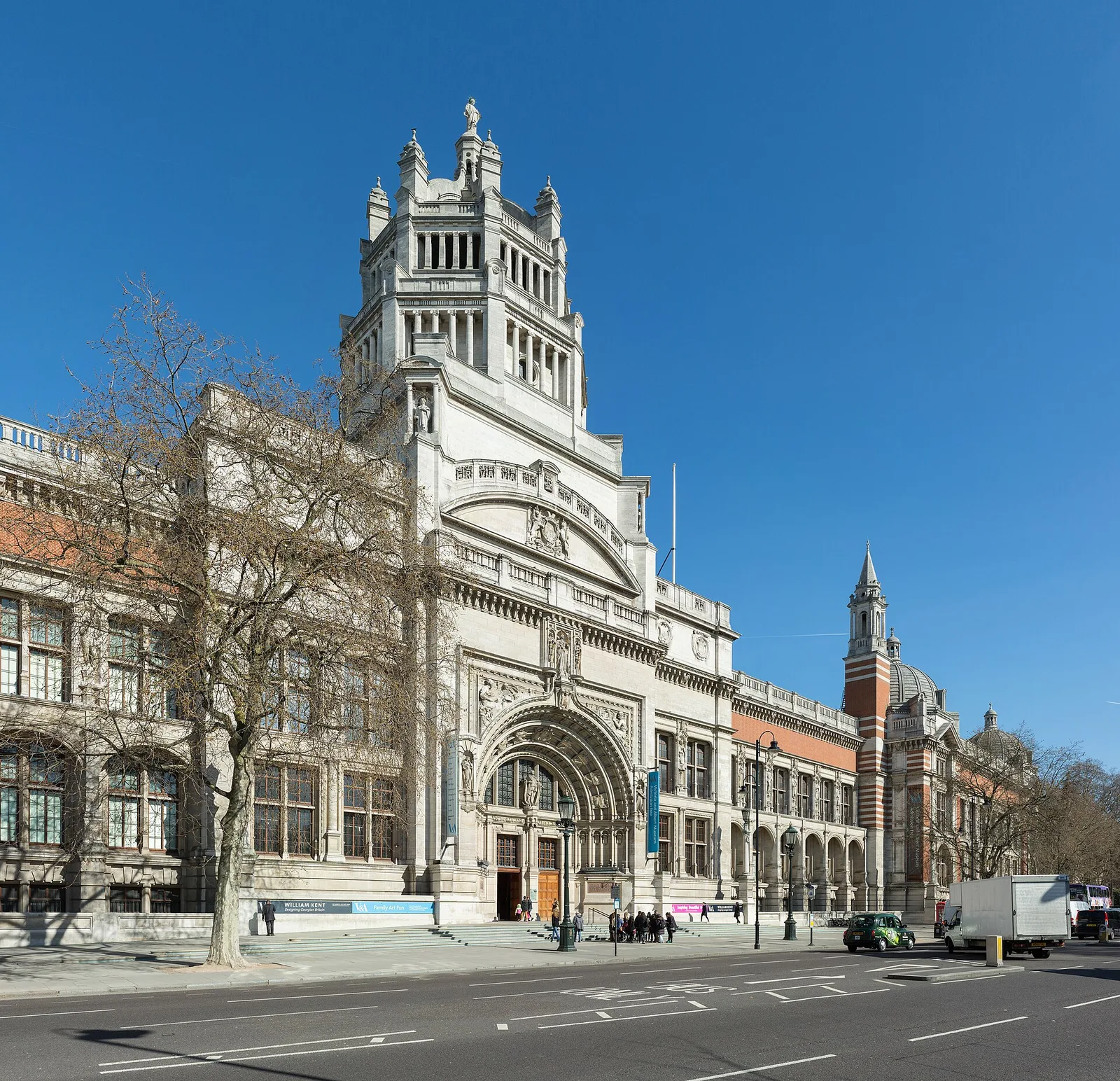
    The V&A is ideal when you want a museum that feels different from the British Museum: design, fashion, sculpture, ceramics, interiors, jewelry, and visual surprise. It is rich enough to overwhelm, so treat it as a curated browse.

    Victoria and Albert Museum in London
    Credit: Diliff, via Wikimedia Commons (CC BY-SA 3.0) · CC BY-SA 3.0
  5. 1 hour 15 min

    Rest and refresh

    Leave room between the museum and the evening. This is the buffer that keeps the day balanced.

  6. 1 hour

    Regent Street

    Use Regent Street for a polished West End stroll, not a shopping obligation.

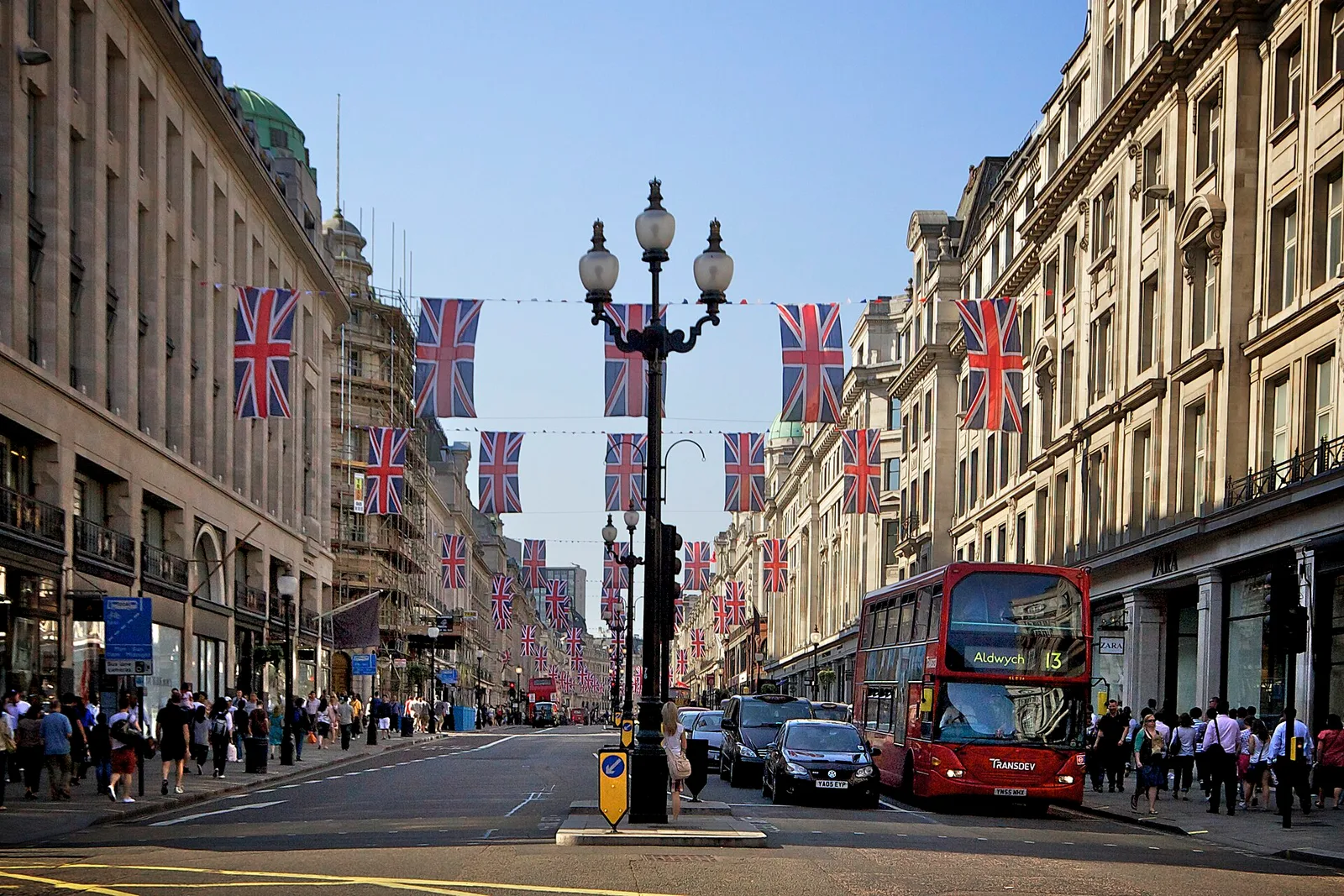
    Regent Street gives the evening a grand, metropolitan feel: curved facades, lights, shops, side streets, and easy access to Mayfair or Soho for dinner. It is most useful as atmosphere after a museum-heavy day.

    Regent Street in London
    Credit: aurélien., via Wikimedia Commons (CC BY-SA 2.0) · CC BY-SA 2.0
  7. 1 hour 30 min

    Dinner in Mayfair or Soho

    Choose dinner based on energy and budget. Mayfair is polished; Soho is livelier and more flexible.

Day5

Greenwich, a skyline view, and a West End finale

End with a Thames-side neighborhood that feels different from central London, then return for one high viewpoint and a theatre-district evening. It is a final day with contrast but not chaos.

  1. 1 hour 45 min

    Royal Observatory Greenwich

    Start in Greenwich Park for views, timekeeping history, and the Prime Meridian.

    The Royal Observatory gives the last day a different kind of London history: navigation, astronomy, timekeeping, and a hilltop view back toward the city. It has no image in the draft data, but it stays in the route because it anchors Greenwich well.

  2. 1 hour 15 min

    Old Royal Naval College

    Use the riverside architecture and Painted Hall as the main Greenwich anchor.

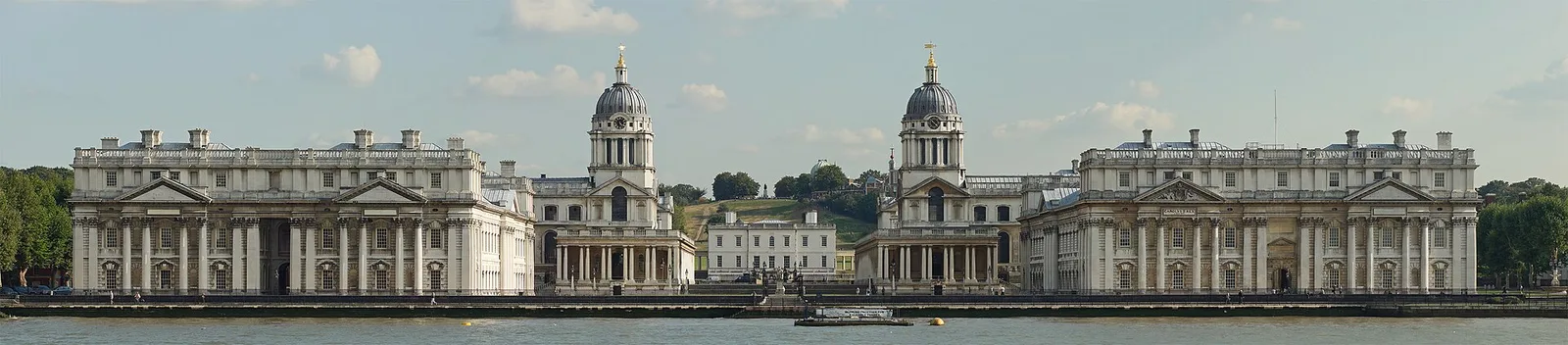
    The Old Royal Naval College is the architectural heart of Maritime Greenwich: symmetrical riverside buildings, grand approaches, and the Painted Hall if you want a ticketed interior. It rewards slow looking more than rushing.

    Old Royal Naval College in Greenwich, London
    Credit: © Bill Bertram (Pixel8) 2007-08, via Wikimedia Commons (CC BY-SA 3.0) · CC BY-SA 3.0
  3. 1 hour 15 min

    Lunch at Greenwich Market

    Keep lunch in Greenwich so the day keeps its neighborhood shape before returning toward the City.

  4. 1 hour 30 min

    Horizon 22

    Use this free high view if you can secure a slot and visibility is decent.

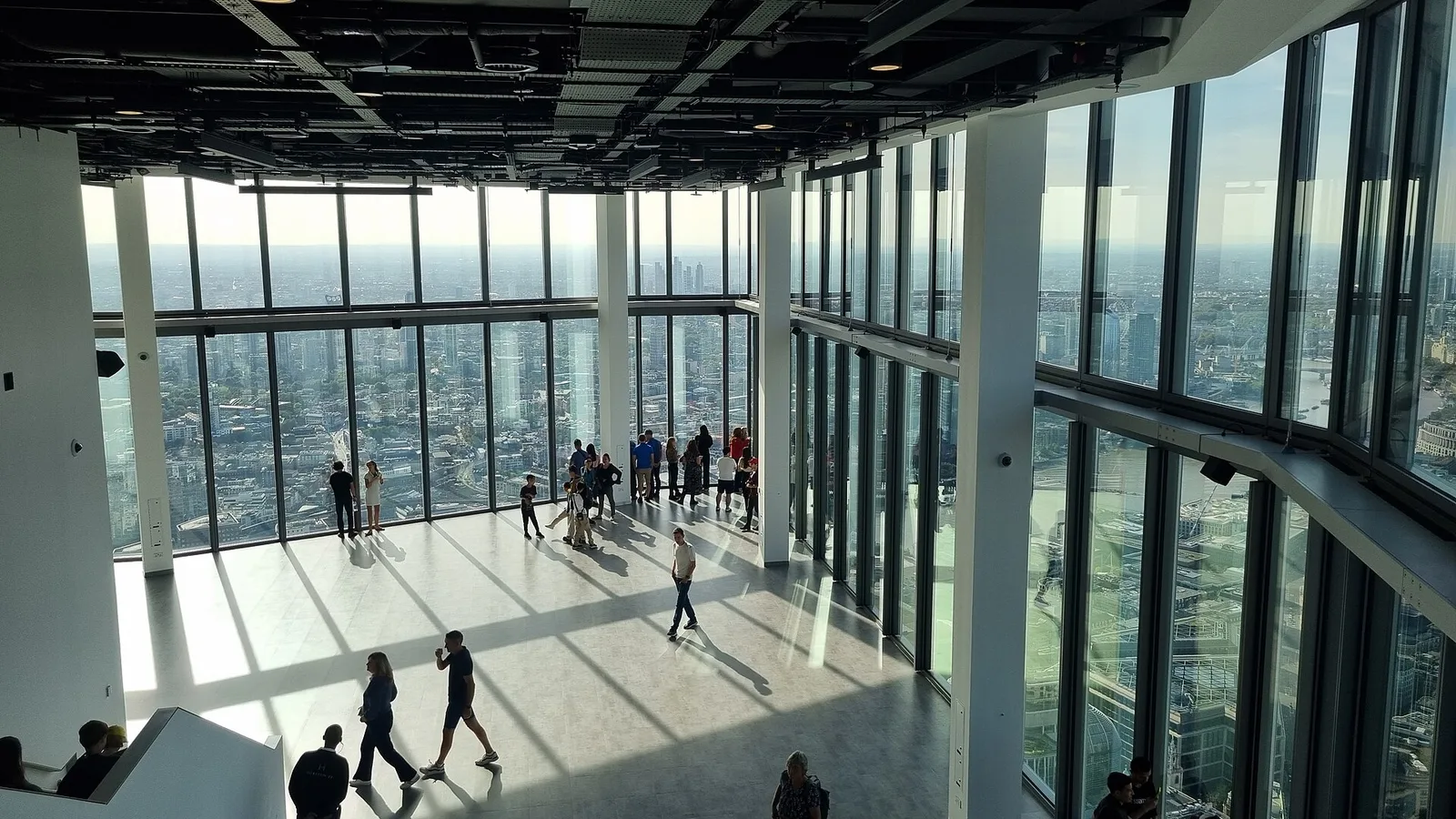
    Horizon 22 is a clean way to end the sightseeing arc with a modern skyline view over the City, river, and landmarks you have been moving through all week. It is polished and practical rather than cozy, which is exactly the point.

    Horizon 22 and the City of London skyline
    Credit: Caledonianl, via Wikimedia Commons (CC BY-SA 4.0) · CC BY-SA 4.0
  5. 1 hour 45 min

    Afternoon tea and rest

    Take the pause before the final evening. A West End night is better when it feels like a reward, not one more appointment.

  6. 1 hour

    West End theatre district

    Choose a show, wander the lit streets, or keep it as a dinner-focused finale.

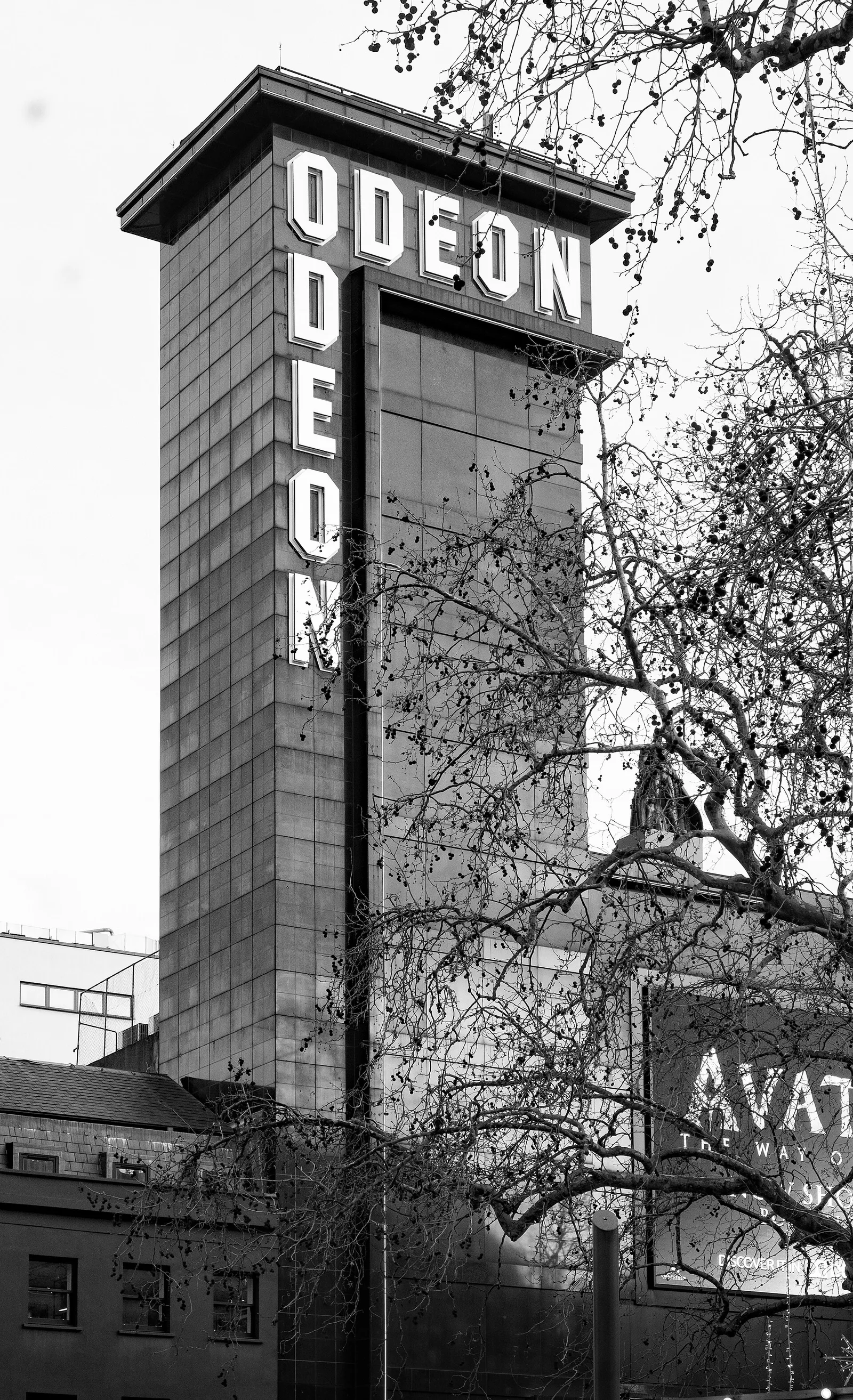
    The West End is the natural last-night setting if you want London to feel alive after dark: theatres, lights, restaurants, pubs, and crowds spilling between shows. Book a performance if that matters to you, or simply use the district for a celebratory final walk and dinner.

    London’s West End theatre district at night
    Credit: Jim Osley, via Wikimedia Commons (CC BY-SA 2.0) · CC BY-SA 2.0
  7. 1 hour 45 min

    Farewell dinner in the West End

    End near the theatre district or your easiest transit line. The final dinner should be memorable, not logistically heroic.

Itinerary decisions

What makes the cut, what can wait, and what is less worth it.

Essential

  • Protect Westminster Abbey, the Tower of London, St Paul’s, the British Museum, Greenwich, and one West End evening because they give the trip its London shape.
  • Keep the Thames as a planning spine on days one, two, and five instead of treating it as scenery between unrelated stops.
  • Give Windsor a dedicated day so the royal day trip does not compete with central London museums.

Optional

  • Skip Windsor if you prefer five full London days; use that day for Camden, Hampstead, Notting Hill, or more museum time.
  • Choose either Tate Modern or the V&A more lightly if art fatigue sets in.
  • Book a West End show only if theatre is part of the trip’s purpose; the district still works as a final evening without one.

Not prioritized

  • Trying to add every major museum, market, palace, park, and neighborhood into five days.
  • Crossing London repeatedly by Underground just to chase isolated food stops.
  • Treating London as only royal landmarks; the route also needs river walks, neighborhoods, museums, and evening texture.

Before you use this plan

  • London weather, rail or Underground disruption, timed-entry availability, museum closures, and theatre schedules can change the best order quickly.
  • Book major paid anchors in advance if they matter to you, especially Westminster Abbey, Tower of London, Windsor Castle, St Paul’s dome access, and theatre tickets.
  • The British Museum, Tate Modern, and V&A are large. Choose sections before entering instead of trying to see everything.
  • This public guide is a realistic example. Dayworthy can adapt the route to hotel area, dates, mobility, budget, museum tolerance, food preferences, and theatre interest.

Dayworthy

Turn this example into your trip.

Dayworthy adapts the itinerary to your dates, pace, hotel, interests, and saved places.