Dayworthy itinerary

A realistic 4-day Rome itinerary for first-time visitors

Rome rewards curiosity, but it can punish travelers who try to turn every ruin, church, fountain, museum, and piazza into a must-do. This four-day plan protects the icons, groups neighborhoods sensibly, and leaves enough room for heat, lines, meals, and the kind of wandering that makes Rome feel alive.

Destination
Rome, Italy
Length
4 days
Pace
balanced
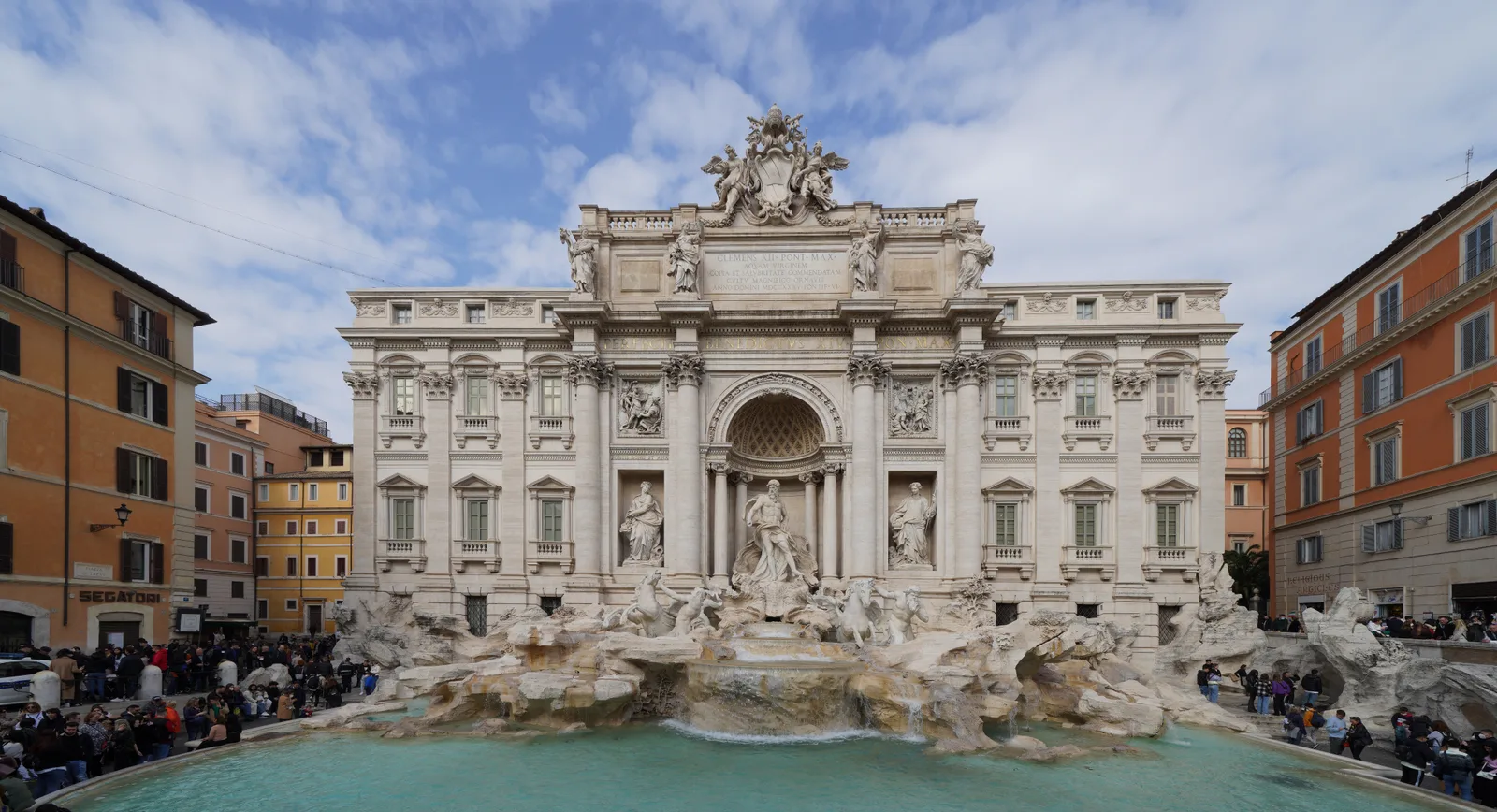
Trevi Fountain in Rome
Credit: NikonZ7II, via Wikimedia Commons (CC BY-SA 4.0) · CC BY-SA 4.0

Day-by-day plan

A paced plan, not an endless list.

Day1

The Colosseum, Roman Forum, Capitoline Hill, and a Monti landing

Start with ancient Rome while energy is high, then keep the afternoon nearby instead of dragging the day across town. This is the heaviest history day, so the plan gives you one strong museum anchor and a softer Monti evening.

  1. 1 hour 15 min

    Colosseum

    Arrive about 15 minutes before the timed entry; the standard visit time inside is 75 minutes.

    Set just east of the Roman Forum, this vast elliptical amphitheatre was built under the Flavian emperors in the 1st century and remains the largest ancient amphitheatre ever constructed. It’s worth seeing for the sheer scale and the sense of standing inside a landmark that has defined Rome for nearly two millennia, though it is usually best approached with modest expectations about crowds and pacing rather than as a quiet, contemplative site.

  2. 2 hours

    Roman Forum

    With the standard 24-hour ticket, Forum/Palatine can be before or after the booked Colosseum slot; verify your ticket type before committing to this order.

    The Roman Forum is the place to come if you want to stand in the middle of ancient Rome rather than just look at it from a distance. What remains are ruins of once-important civic buildings arranged around the old forum space, so the visit is less about a single monument and more about reading the layers of the city’s political and social history in one compact area.

  3. 1 hour 15 min

    Lunch in Monti

    Stay close after the Forum. Monti is practical, atmospheric, and much easier than chasing a famous lunch across town.

  4. 1 hour 45 min

    Capitoline Museums

    Admire ancient bronze sculptures and panoramic views over the Forum.

    The Capitoline Museums are not a single gallery but a linked museum complex spread across historic palaces on the Capitoline Hill. They’re worth your time if you want a deeper look at Rome’s classical sculpture, civic history, and the setting of Piazza del Campidoglio itself, which is a highlight as much as the collections. Expect a fairly substantial visit with lots to see and a sense of place that feels distinctly Roman rather than generic museum-going.
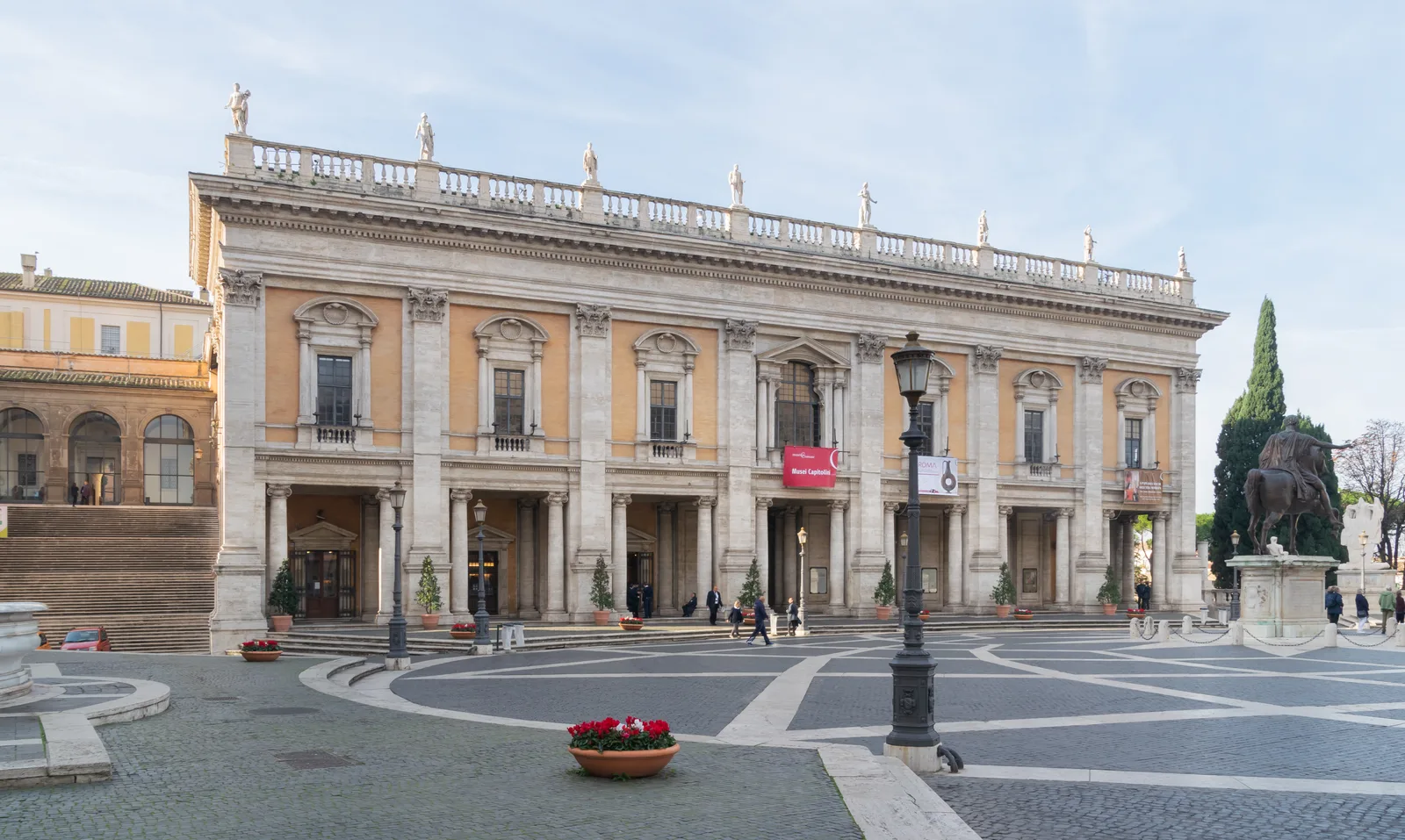
    The Capitoline Museums on Capitoline Hill in Rome
    Credit: Tournasol7, via Wikimedia Commons (CC BY-SA 4.0) · CC BY-SA 4.0
  5. 1 hour 15 min

    Monti neighborhood wander

    Shift from ruins to lived-in streets before taking a break.

    Monti works as a soft landing after ancient Rome: narrow streets, cafés, small shops, and enough local life to keep the day from becoming only stone and museums. Do not treat it like another attraction; use it to wander, pause, and feel the neighborhood rhythm.

  6. 1 hour 30 min

    Afternoon rest and refresh

    Protect this break, especially in warm months. Ancient Rome is exposed, crowded, and more tiring than it looks on a map.

  7. 2 hours

    Dinner in Monti

    End nearby so the first day does not turn into a transit project. Monti gives you a lively but manageable first-night base.
Day2

Pantheon, Piazza Navona, private galleries, and the historic center on foot

This is the central-Rome day: short walks, layered squares, art behind old façades, and a Tiber-side finish. The route is dense but compact, which makes it easier to pause when the city gets crowded.

  1. 1 hour 15 min

    Pantheon

    Marvel at the extraordinary ancient concrete dome and oculus.

    It’s one of the best-preserved ancient Roman buildings, and the experience is less about checking off a sight than about feeling the scale, symmetry, and quiet weight of the space. Come for the vast dome and oculus, but also for the atmosphere inside: it’s a rare place where the engineering alone is worth the detour, and where the building’s long life as a church gives it an unusually layered feel.

  2. 1 hour 15 min

    Piazza Navona

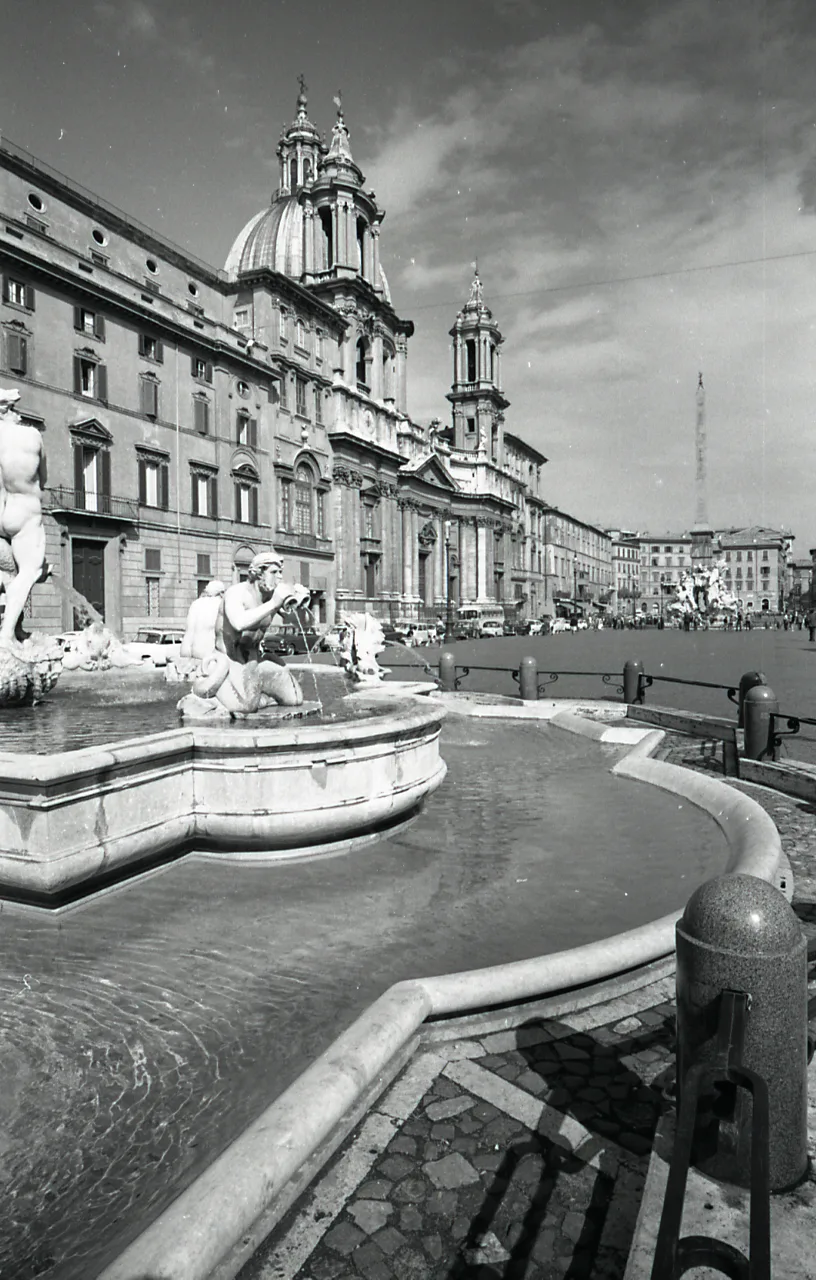
    Admire Bernini's Fountain of the Four Rivers in Rome's quintessential Baroque square.

    Piazza Navona is one of Rome’s great public squares, laid over the footprint of the ancient Stadium of Domitian, so its long oval shape still hints at the games once held here. It’s worth visiting for the atmosphere as much as the history: fountains, street life, and the constant hum of cafés and artists make it feel like Rome in motion. Expect a place that’s beautiful, busy, and best enjoyed at an unhurried pace.

    Piazza Navona in Rome
    Credit: Paolo Monti, via Wikimedia Commons (CC BY-SA 4.0) · CC BY-SA 4.0
  3. 1 hour 15 min

    Lunch near Campo de' Fiori

    Use lunch as the reset between piazzas and indoor art. Keep it central so the afternoon stays walkable.

  4. 1 hour 30 min

    Galleria Doria Pamphilj

    Explore a magnificent privately-owned palace packed with Renaissance masterpieces.

    Galleria Doria Pamphilj is one of those Roman stops that rewards slowing down: you’re moving through the state rooms of a privately owned palace rather than a modern gallery, so the setting is as much part of the appeal as the paintings. It’s worth it if you want a more elegant, less crowded art experience in central Rome, and the occasional music performance can make the visit feel especially atmospheric. Expect a traditional palace feel, closely packed masterpieces, and a sense of being in a family home that has been carefully preserved.

    Galleria Doria Pamphilj in Rome
    Credit: antmoose, via Wikimedia Commons (CC BY 2.0) · CC BY 2.0
  5. 1 hour

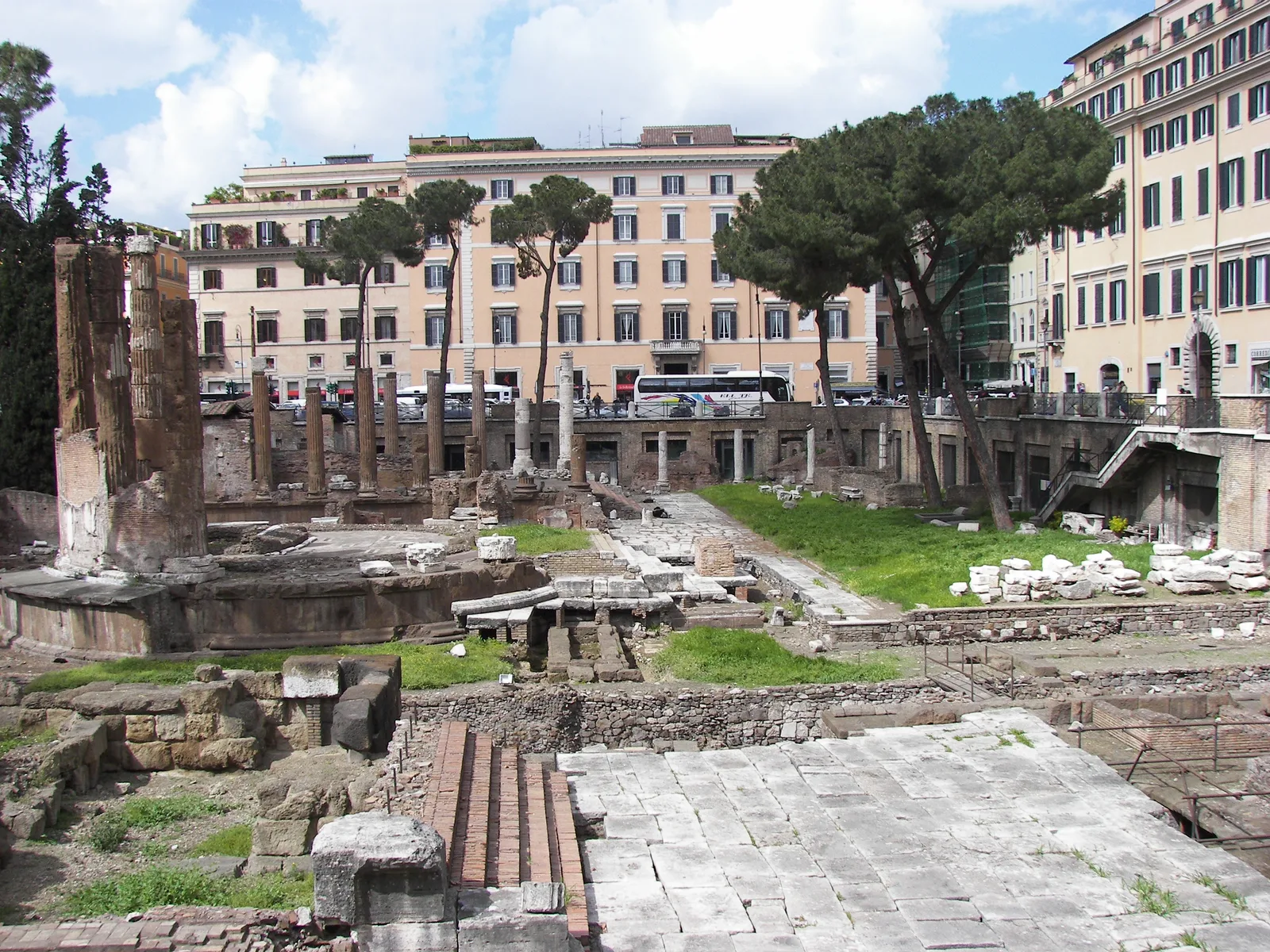
    Largo di Torre Argentina

    View sunken ancient temple ruins that now double as a famous sanctuary for cats.

    Largo di Torre Argentina is not a polished monument so much as a layered archaeological pocket: four ancient temples, traces of Pompey’s Theatre, and the old Campus Martius all packed into one central square. It’s worth a stop if you like seeing Rome’s history in the raw, especially when you want something atmospheric and walkable without committing half a day. Expect a site that feels more like an exposed slice of the city than a traditional museum, with the surrounding streets and traffic reminding you how much older the ruins are than the Rome around them.

    The ruins at Largo di Torre Argentina in Rome
    Credit: Wknight94, via Wikimedia Commons (CC BY-SA 3.0) · CC BY-SA 3.0
  6. 1 hour 30 min

    St. Angelo Bridge

    Stroll alongside the river as late afternoon light illuminates the angel statues.

    Linking the city to Castel Sant’Angelo, the bridge is as much a viewpoint as a route across the Tiber. It’s worth a stop for the statues, the river light, and the classic Rome feel, especially near sunset or after dark when the surroundings are at their prettiest. Expect crowds at peak times, but also an easy, free detour that fits naturally into a walk in central Rome.

  7. 2 hours

    Dinner in Regola or the historic center

    Stay in the historic center if the day ran long. This is a good night for a slow dinner rather than another cross-town plan.

Day3

The Vatican, Castel Sant’Angelo, Janiculum views, and Trastevere at night

Give the Vatican its own morning rather than treating it as a quick detour. The afternoon then moves gradually back toward Rome, ending with views and a Trastevere dinner instead of another major museum.

  1. 3 hours

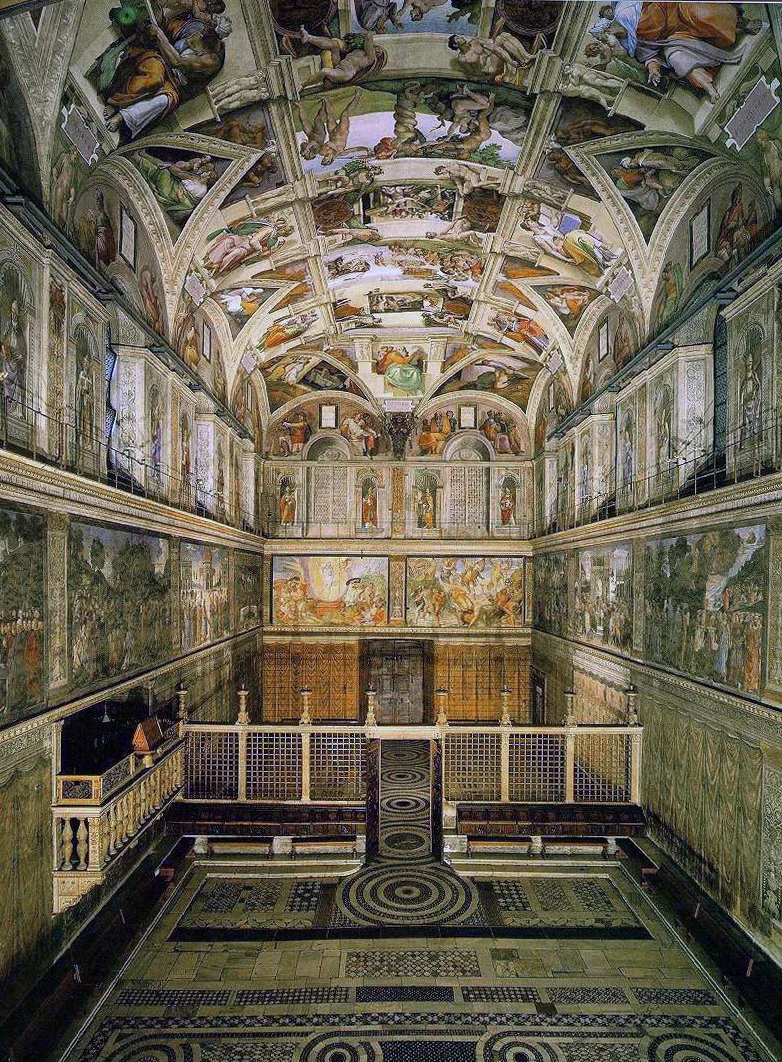
    Vatican Museums and Sistine Chapel

    Use the official Vatican Museums portal; its dated ticket includes the Sistine Chapel, so reserve the museum morning rather than a stand-alone chapel stop.

    The Sistine Chapel sits at the end of a Vatican Museums visit, so give the full museum route its own morning rather than treating the chapel as a quick separate stop. The collection and Michelangelo's frescoes are extraordinary, but the experience is usually crowded and structured around visitor flow. Go with a clear route and patience; the value is in the art and setting, not in trying to linger everywhere.

    The Sistine Chapel in Vatican City
    Credit: The original uploader was Snowdog at Italian Wikipedia., via Wikimedia Commons (CC BY-SA 3.0) · CC BY-SA 3.0
  2. 1 hour 15 min

    Saint Peter’s Basilica

    Keep the basilica as a separate, flexible stop after the Museums; security and crowd flow can decide the exact handoff.

    Set in Vatican City, Saint Peter’s Basilica is one of the defining buildings of Christian Rome and a major reason many visitors make the crossing into the Vatican. It is worth seeing for its scale, art, and atmosphere: even if you are not religious, the experience of stepping into such an immense, historically layered space is memorable. Expect crowds, security checks, and a visit that rewards patience more than speed.

  3. 1 hour 15 min

    Lunch in Prati

    After the Vatican, choose something nearby and low-friction. This break keeps the afternoon from becoming a forced march.

  4. 1 hour 30 min

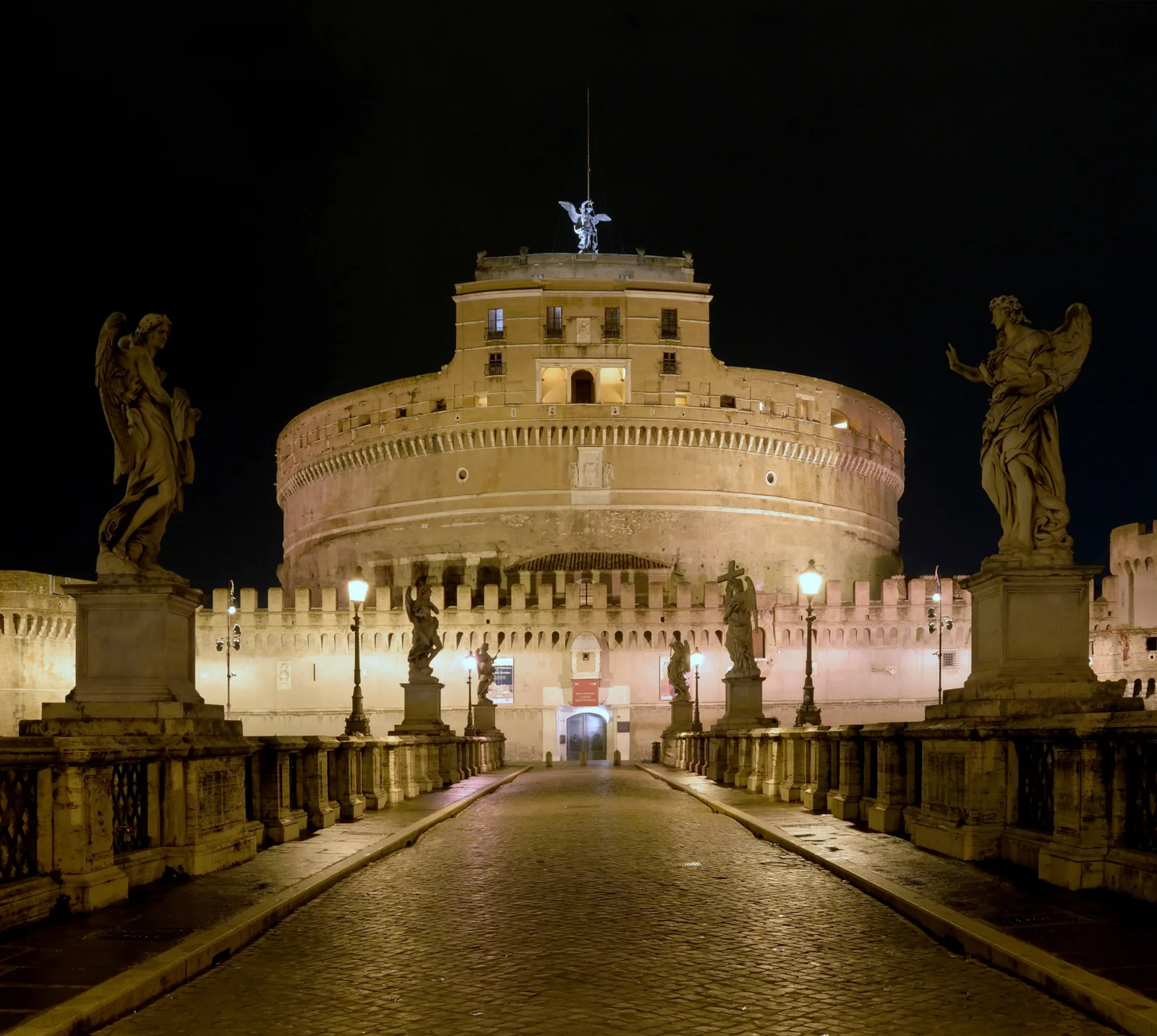
    Castel Sant'Angelo

    Explore a former imperial mausoleum turned papal fortress with great upper deck views.

    Built for Emperor Hadrian and later reshaped by the popes, Castel Sant'Angelo packs a lot of Rome’s history into one striking cylindrical monument. It’s worth visiting if you want a place where the city’s imperial, medieval, and papal past all overlap, and the views from the upper levels can be a real highlight. Expect a museum atmosphere rather than a palace-style interior, with the building itself being the main draw.

    Castel Sant’Angelo beside the Tiber in Rome
    Credit: Livioandronico2013, via Wikimedia Commons (CC BY-SA 4.0) · CC BY-SA 4.0
  5. 1 hour

    Janiculum Hill

    Head up to this scenic hilltop lookout for one of the finest panoramic views over all of Rome.

    Janiculum Hill is one of the best places in Rome to step back from the crowds and take in the city from above. It isn’t one of the famous Seven Hills, but that actually works in its favor: expect a calmer atmosphere, broad views across the rooftops, and a pleasant walk rather than a packed monument stop. It’s worth it if you want scenery, fresh air, and a slower pace; it’s less compelling if you’re looking for a single major sight or a tightly packed list of attractions.

  6. 2 hours

    Dinner in Trastevere

    Use Trastevere for atmosphere, but book or go early if you have a specific restaurant in mind. The area gets busy for good reason.

Day4

Borghese, Villa Borghese, Spanish Steps, Trevi, and a classic Roman finale

The last day shifts from major reservations to beautiful public spaces and classic city texture. It protects the Borghese in the morning, then lets the afternoon become a polished farewell walk through central Rome.

  1. 2 hours

    Galleria Borghese

    Reserve the two-hour slot in advance; treat the timing as fixed and use Villa Borghese as the reset afterward.

    Galleria Borghese is one of Rome’s most rewarding museum visits if you want major art without the sprawl of the larger institutions. Set inside the former Villa Borghese Pinciana, it holds a substantial core of the Borghese collection, with paintings, sculpture, and antiquities presented in rooms that feel elegant rather than overwhelming. It’s worth prioritizing if you appreciate art and want a visit that feels focused and memorable; if you’re not into museums, its appeal is more about the building and the quality of the collection than sheer size.

  2. 1 hour 15 min

    Villa Borghese

    Wander through shady avenues, shaded fountains, and manicured parklands.

    Villa Borghese is less a single sight than a leafy expanse with a lot folded into it: gardens, historic buildings, museums, and plenty of room to simply walk off Rome’s heat and pace. It’s worth visiting if you want a break from the dense city streets, especially if you like pairing a stroll with art or viewpoints, but it works best when you treat it as a relaxed half-day rather than a must-see “attraction” with one obvious highlight.

  3. 1 hour 15 min

    Lunch near Piazza di Spagna

    Keep lunch convenient after Villa Borghese. The goal is to arrive at the final afternoon with energy, not with a perfect dining trophy.

  4. 45 min

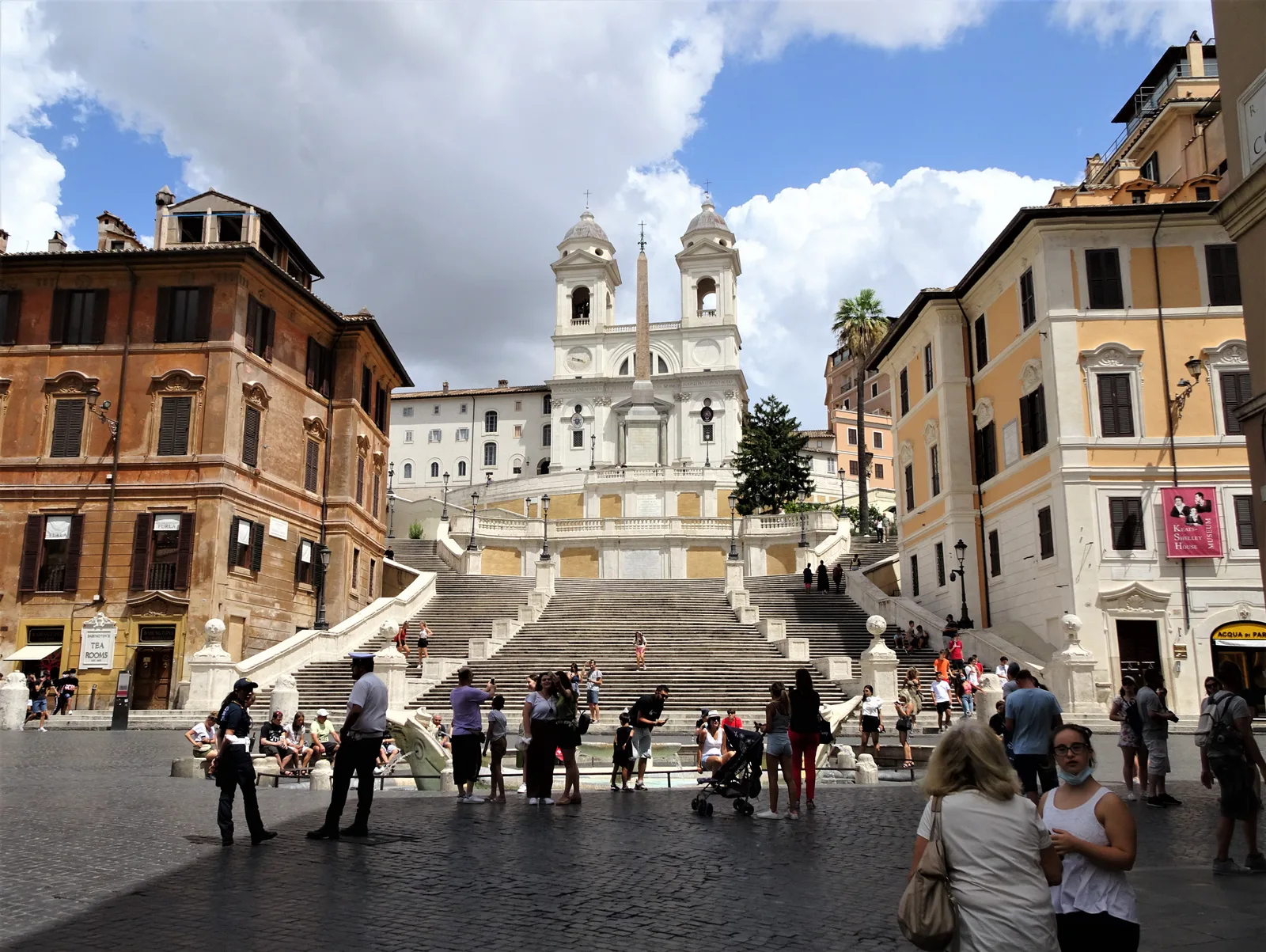
    Spanish Steps

    Take in the lively atmosphere at the base of the famous 18th-century staircase.

    The Spanish Steps are one of those places you come to for the atmosphere as much as the architecture: a broad, elegant stairway rising through the heart of Rome, with the lively Piazza di Spagna below and Trinità dei Monti above. It’s worth a stop if you want a famous Roman scene, a place to pause between shopping streets and historic sights, or a good spot to people-watch in the center of town. Expect crowds, plenty of photos, and a landmark that’s more about the setting than any single “thing to do” on the steps themselves.

    The Spanish Steps in Rome
    Credit: Hugo DK, via Wikimedia Commons (CC BY-SA 4.0) · CC BY-SA 4.0
  5. 1 hour

    Trevi Fountain

    Toss a coin over your shoulder into Rome's most legendary Baroque fountain.

    The Trevi Fountain is a huge 18th-century Baroque showpiece in the Trevi district, built to impress and still doing exactly that. It’s worth seeing for the sculptural drama, the sense of scale, and the simple pleasure of watching Rome’s ritual of coin-tossing play out in person. Expect crowds at most hours, with the best experience coming when you can linger a little rather than just squeeze in for a snapshot.

    Trevi Fountain in Rome
    Credit: NikonZ7II, via Wikimedia Commons (CC BY-SA 4.0) · CC BY-SA 4.0
  6. 1 hour

    Chiesa di Sant'Ignazio di Loyola

    Step in for a short, high-impact church stop between Trevi and the evening wander.

    Chiesa di Sant'Ignazio di Loyola is one of those Rome churches that rewards anyone who likes art, illusion, and a quieter alternative to the city’s biggest basilicas. The interior is the reason to come: ornate decoration, dramatic perspective tricks, and a ceiling that gives the illusion of soaring height. If you enjoy wandering historic churches with a sense of discovery, it’s well worth a stop; if you’re not interested in baroque decoration or sacred art, it may feel like a brief detour rather than a must-see.

  7. 1 hour 30 min

    Via dei Coronari

    Stroll down one of Rome's prettiest Renaissance streets lined with antique shops.

    This historic lane in the old center is lined with buildings mostly from the 15th and 16th centuries, so the appeal is really the atmosphere: elegant facades, a compact streetscape, and a sense of old Rome that has held onto its Renaissance character. It’s worth a detour if you like wandering on foot, browsing the area, and soaking up a particularly photogenic corner of the city.

    Via dei Coronari in Rome
    Credit: Lalupa, via Wikimedia Commons (CC BY-SA 3.0) · CC BY-SA 3.0
  8. 2 hours

    Farewell dinner in the centro storico

    End somewhere walkable from your final route or hotel. The best last night in Rome usually feels unhurried.

Itinerary decisions

What makes the cut, what can wait, and what is less worth it.

Essential

  • Give ancient Rome and the Vatican separate days instead of stacking both into one exhausting checklist.
  • Let timed tickets lead Day 1: use the booked Colosseum slot, then place Forum/Palatine on the same ticket before or after it instead of forcing a rigid sequence.
  • Keep the historic-center day walkable, with piazzas, galleries, ruins, and bridges grouped tightly together.
  • Use the final day for Borghese plus classic central sights so the trip ends with beauty, not logistics.

Optional

  • Add more churches if you love art history, but remove another stop rather than squeezing them into every walk.
  • Swap Capitoline Museums for a longer Monti/Forum day if you prefer outdoor ruins over museums.
  • Add Testaccio or Aventine if food or quieter neighborhoods matter more than Spanish Steps and Trevi.

Not prioritized

  • Trying to do the Colosseum, Vatican Museums, Borghese, and every famous fountain in one or two days.
  • Crossing Rome repeatedly for single sights that do not fit the day’s neighborhood shape.
  • Treating every church as mandatory. Rome has too many great ones; choose a few intentionally.

Before you use this plan

  • Ticket rules, entry times, restoration work, and crowd controls can change. Check the official site for each anchor: the Colosseum slot, the Vatican Museums ticket (which includes the Sistine Chapel), and the Galleria Borghese reservation.
  • Rome gets hot and exposed, especially around the Forum and big piazzas. Start early, carry water, and treat breaks as part of the plan.
  • Church access can change for services and dress codes. Bring modest coverage and avoid assuming every interior is always open.
  • This public guide is a realistic example; Dayworthy adapts the order to your hotel, dates, pace, mobility, and interests inside the app.

Dayworthy

Turn this example into your trip.

Dayworthy adapts the itinerary to your dates, pace, hotel, interests, and saved places.