Dayworthy itinerary

A realistic 3-day Paris itinerary for first-time visitors

Paris is easy to overstuff: every museum, viewpoint, garden, and café can feel essential. This three-day plan protects the classics, groups neighborhoods by geography, and leaves enough room for meals, lines, weather, and the small pauses that make the city feel like more than a checklist.

Destination
Paris, France
Length
3 days
Pace
balanced
Pont Alexandre III and the Seine at golden hour in Paris
Credit: Jebulon, via Wikimedia Commons (CC0) · CC0

Day-by-day plan

A paced plan, not an endless list.

Day1

Île de la Cité, the Louvre, and a classic Seine-side opening day

Start with old Paris on the islands, then use the Louvre as the main cultural anchor before finishing with gardens, coffee, and a scenic river walk. It is a big first day, but the route stays central and avoids zig-zagging across town.

  1. 1 hour

    Sainte-Chapelle

    Start with the stained glass while energy is high.

    Sainte-Chapelle is one of Paris’s most dazzling interiors: a compact royal chapel where the upper room feels almost entirely made of color when the light cooperates. It is worth the security line if you care about architecture, medieval history, or a short high-impact sight. Keep the visit focused; the chapel is extraordinary, but it does not need half a day.
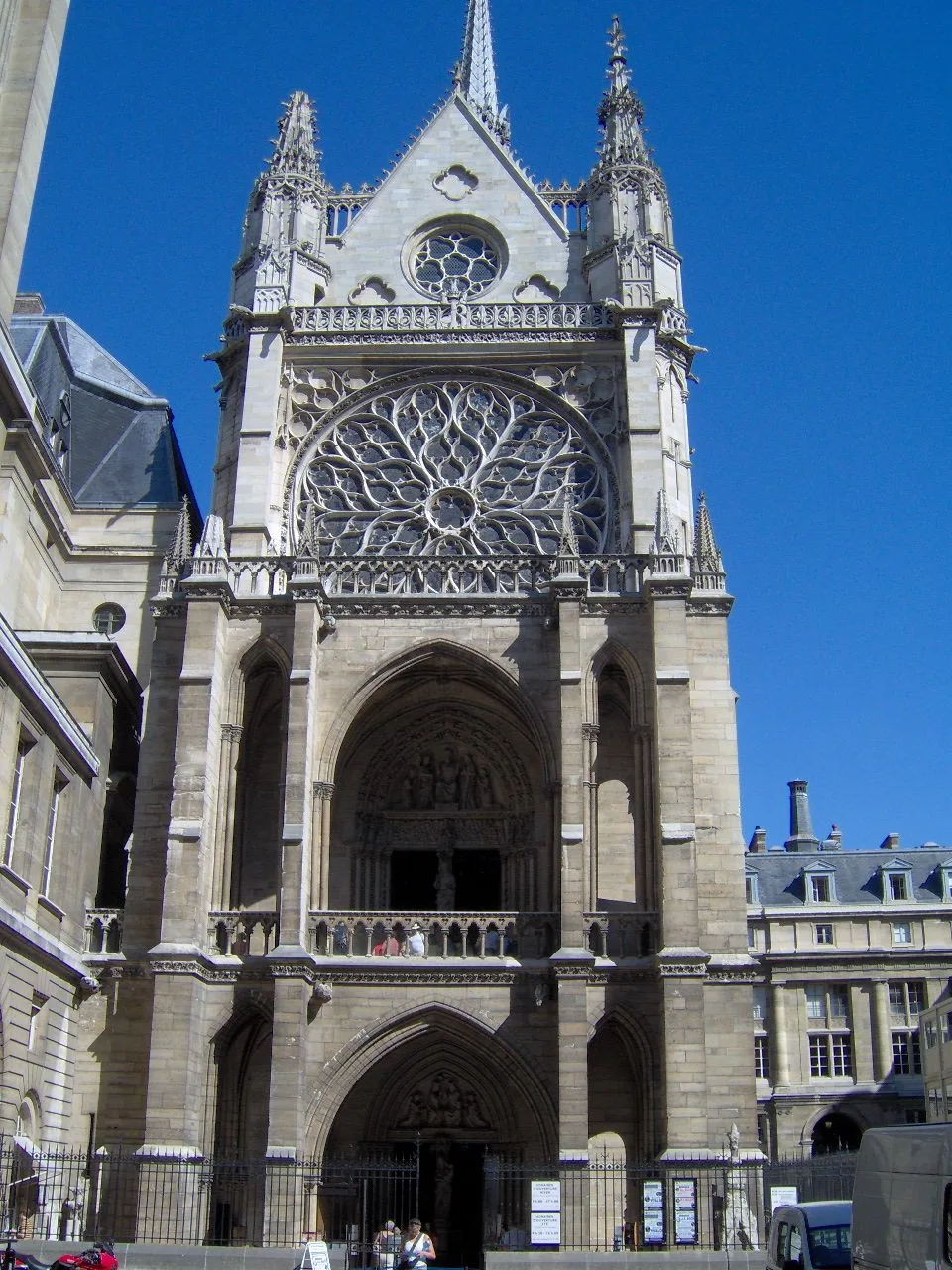
    The stained-glass interior of Sainte-Chapelle in Paris
    Credit: Mathae, via Wikimedia Commons (CC BY 2.5) · CC BY 2.5
  2. 45 min

    Notre-Dame Cathedral of Paris

    Treat this as a landmark stop, not a long indoor visit unless access and timing make sense.

    Notre-Dame is essential less because it is a quick photo stop and more because it anchors Paris historically, geographically, and emotionally. Even if you only see the cathedral from the outside, the setting on Île de la Cité helps the city make sense. Expect crowds and ongoing changes around access, so check current entry rules before building the morning around going inside.

  3. 45 min

    Île Saint-Louis

    Use the island as your quiet reset after the cathedral crowds.

    Île Saint-Louis is the breathing room between bigger monuments: narrow streets, handsome old buildings, river views, and a slower mood that still keeps you in the center of Paris. It is best as a short wander with a café or riverside pause rather than a checklist sight.
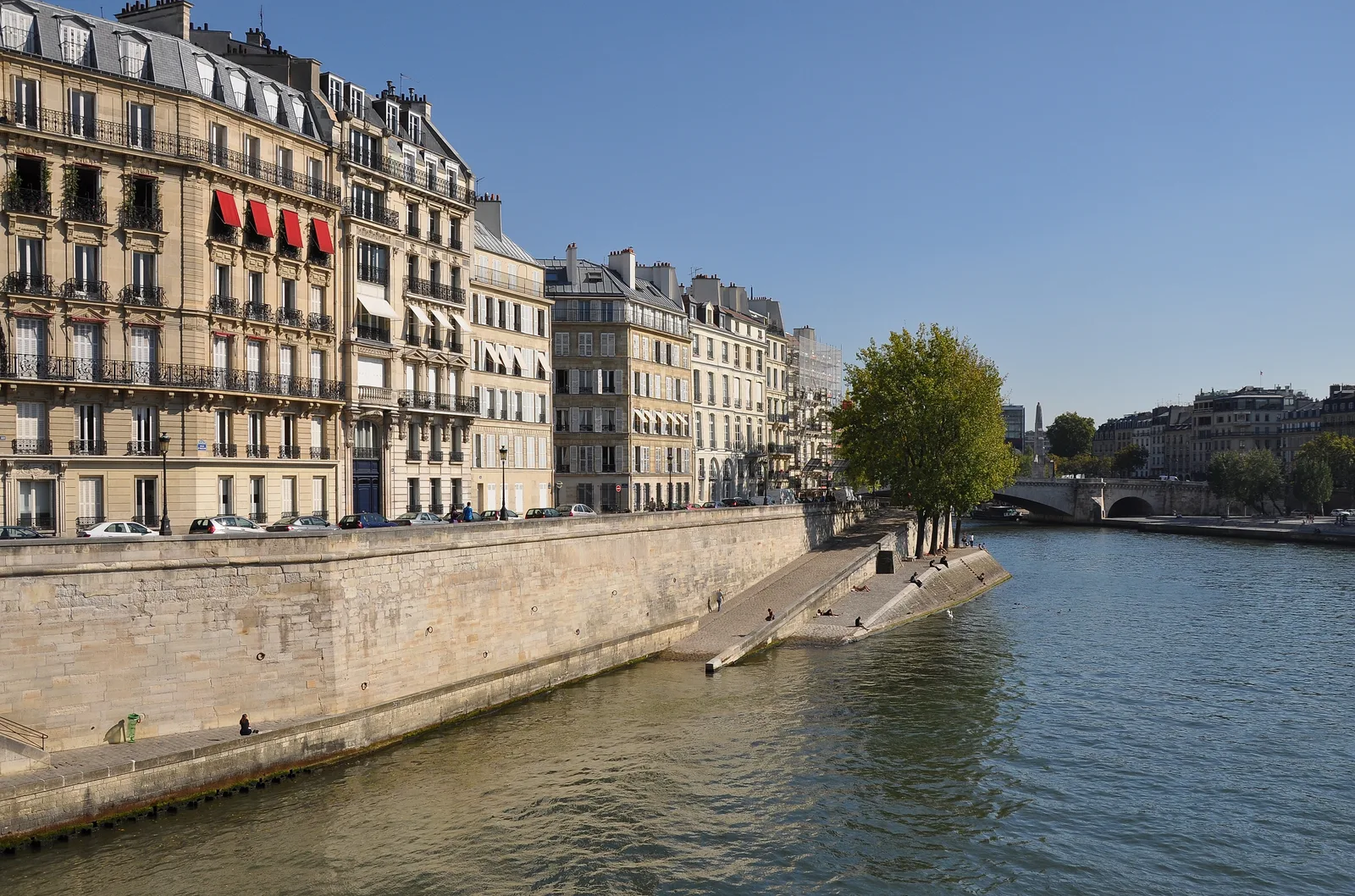
    Historic buildings and quiet streets on Île Saint-Louis in Paris
    Credit: Moonik, via Wikimedia Commons (CC BY-SA 3.0) · CC BY-SA 3.0
  4. 1 hour 15 min

    Lunch in the Latin Quarter

    Keep lunch close and simple so the day does not lose shape. The goal is a real pause before the Louvre, not a long detour for a famous table.

  5. 2 hours 30 min

    Louvre Museum

    Choose a route before entering; do not try to “do the Louvre.”

    The Louvre is worth protecting even on a short Paris trip, but only if you treat it like a curated visit. Pick a wing, a few works, or a theme, then leave before museum fatigue ruins the rest of the day. The building itself is part of the experience, and a planned route beats wandering until every gallery blurs together.

  6. 1 hour

    Tuileries Garden

    A soft landing after the museum.

    The Tuileries give you the easiest possible reset after the Louvre: broad paths, chairs, fountains, and a very central sense of Paris doing its daily thing. This is not wild nature; it is a polished urban garden, useful for decompressing and deciding how much energy remains.
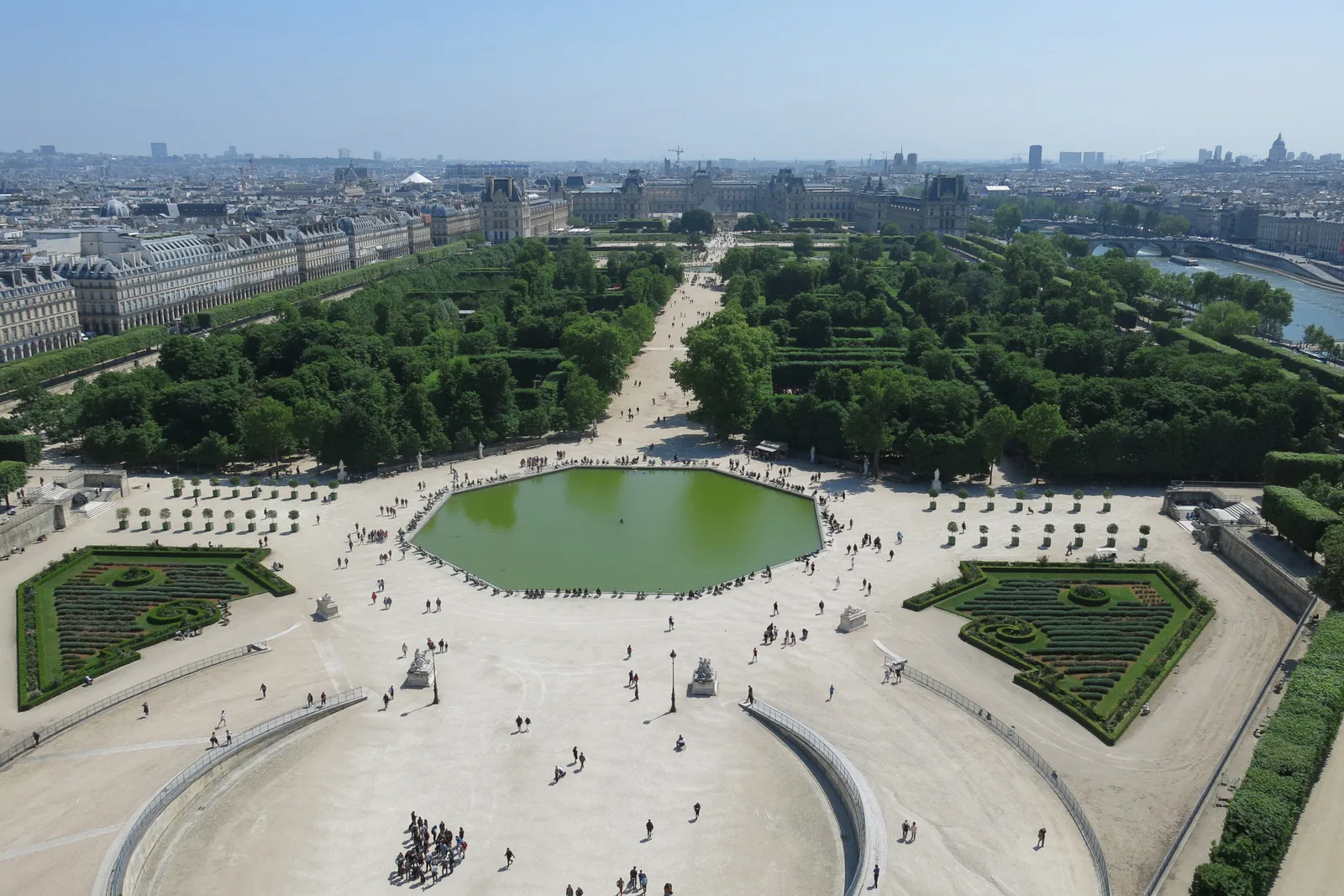
    Tuileries Garden between the Louvre and central Paris
    Credit: Tangopaso, via Wikimedia Commons (Public domain) · Public domain
  7. 45 min

    Coffee near Palais-Royal

    Use this break as a pressure release valve. If the Louvre ran long, shorten the rest of the afternoon instead of rushing.

  8. 1 hour

    Pont Alexandre III

    End with a scenic walk rather than another ticketed attraction.

    Pont Alexandre III gives the day a classic Paris finish: ornate bridge details, Seine views, and sightlines toward the Invalides and Eiffel Tower side of the city. It works especially well late in the day, when the walk feels like a reward instead of another obligation.
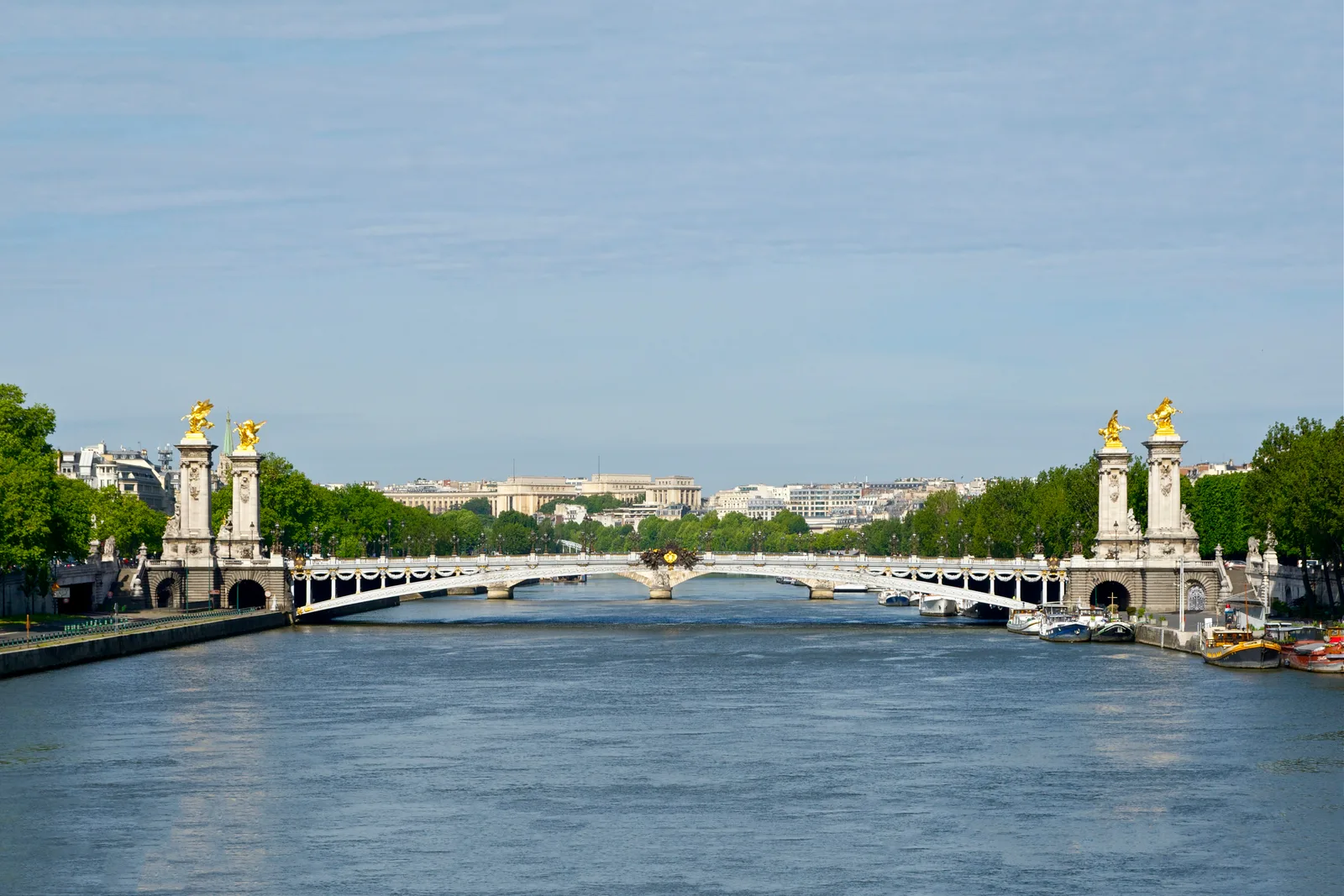
    Pont Alexandre III and the Seine at golden hour in Paris
    Credit: Jebulon, via Wikimedia Commons (CC0) · CC0
  9. 1 hour 30 min

    Dinner in the 1st Arrondissement

    Stay central for dinner. After a museum-heavy day, convenience is more valuable than crossing town for novelty.
Day2

Orsay, Saint-Germain, Luxembourg Gardens, and the Eiffel Tower without rushing

This is the Left Bank day: art in a manageable museum, literary café streets, a garden pause, then the Eiffel Tower as the evening anchor. It gives the famous tower space without letting it consume the whole day.

  1. 2 hours 30 min

    Musée d'Orsay

    A better short-trip museum choice than trying to add every museum.

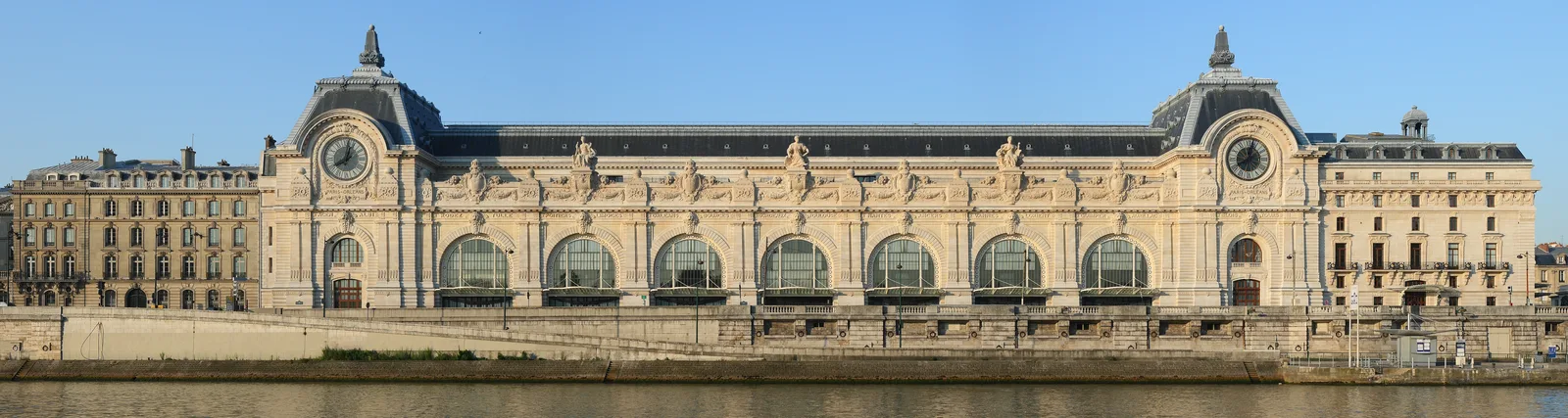
    The Musée d’Orsay is a strong second-day anchor because it is major without being as sprawling as the Louvre. The converted railway station is memorable on its own, and the Impressionist and Post-Impressionist galleries give the visit a clear reason to exist. Go when you want a serious art stop, not a quick pass-through.

    The Musée d’Orsay building on the Left Bank in Paris
    Credit: Sanchezn, via Wikimedia Commons (CC BY-SA 3.0) · CC BY-SA 3.0
  2. 45 min

    Saint-Germain-des-Prés

    Let this be atmosphere, browsing, and streets rather than a checklist.

    Saint-Germain-des-Prés is best approached as a neighborhood texture: bookshops, cafés, polished streets, and a sense of Paris that is historic without being monument-heavy. It is worth wandering slowly after the museum, especially if you want a day that includes everyday street life as well as famous sights.

  3. 1 hour 15 min

    Lunch in Saint-Germain

    Choose lunch nearby and protect the pause. This day works because it alternates museums, walking, gardens, and views instead of stacking indoor attractions.

  4. 1 hour 15 min

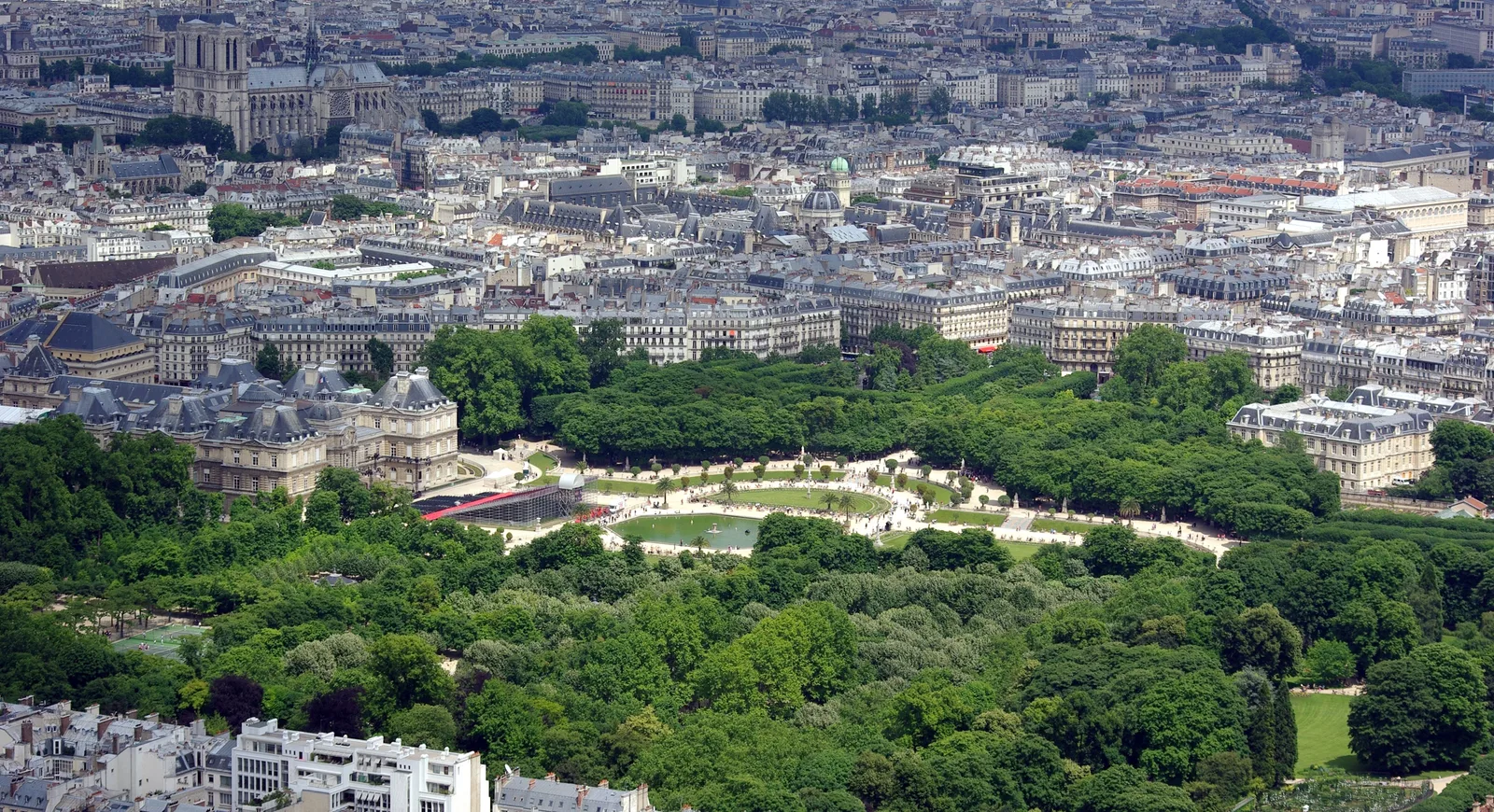
    Jardin du Luxembourg

    The day’s calmest reset.

    Jardin du Luxembourg is one of the best places in Paris to slow down without leaving the itinerary behind. The palace, formal gardens, Medici Fountain, and long paths make it feel stately but local. Treat it as a place to sit and watch the city for a while, not just a route between points.

    Jardin du Luxembourg with formal gardens and Paris rooftops
    Credit: Kirua, via Wikimedia Commons (Public domain) · Public domain
  5. 1 hour

    Panthéon

    Worth it if you want architecture and civic history; skippable if energy is fading.

    The Panthéon adds a heavier historical note to the Left Bank day, with neoclassical scale and the tombs of major French figures. It is most rewarding if you like architecture, national history, or grand civic spaces. If the garden pause is what you need more, keep this stop shorter.

  6. 45 min

    Pastry break in the Latin Quarter

    Use this as a flexible buffer before crossing toward the Eiffel Tower. If tickets or weather change, this is where the day can bend.

  7. 1 hour 30 min

    Eiffel Tower

    Choose whether you want to go up or simply spend time around it.

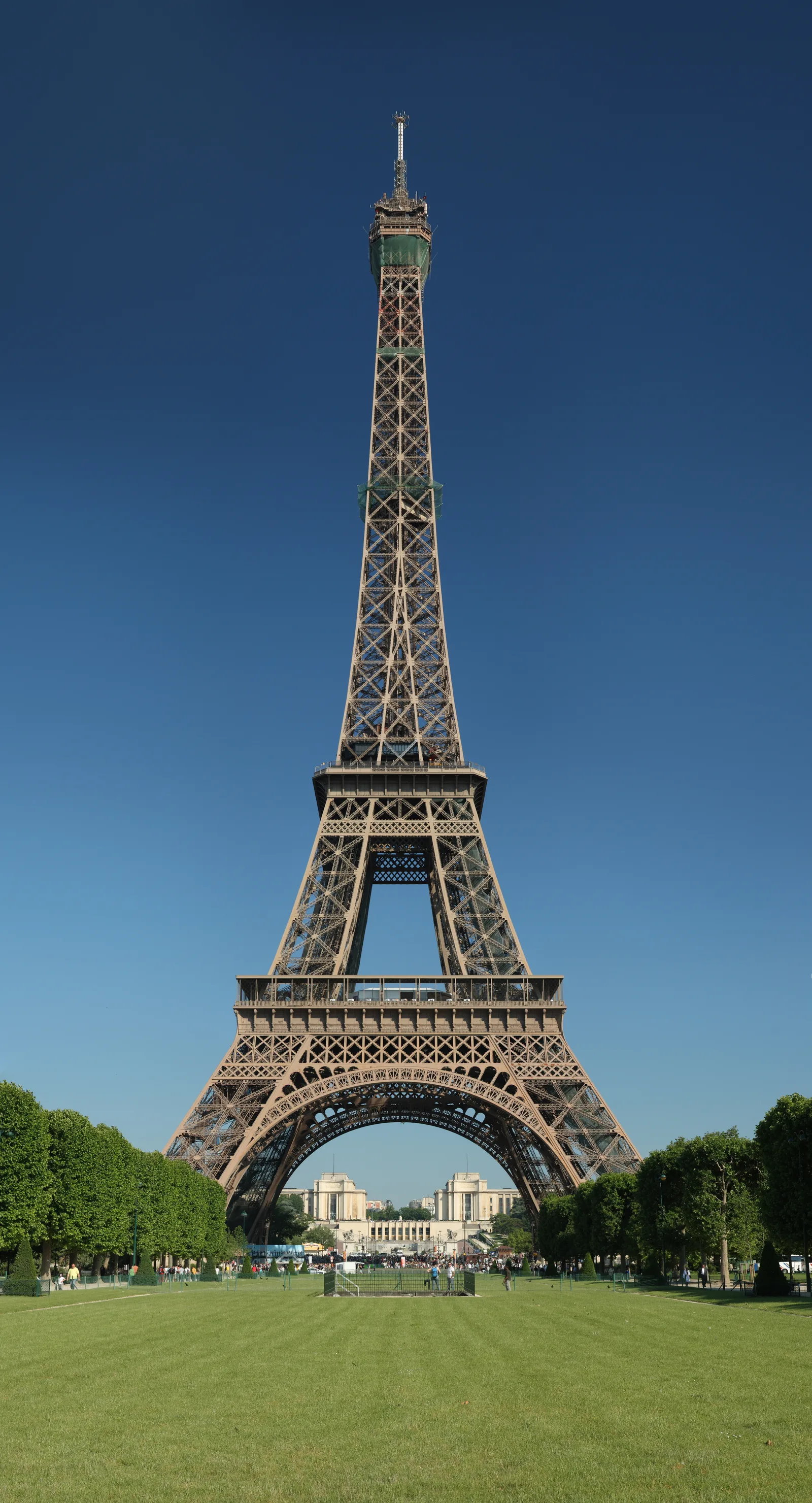
    The Eiffel Tower is absolutely worth seeing on a first trip, but the best version depends on your tolerance for crowds, tickets, and lines. Going up can be memorable; seeing it from the ground and nearby lawns can be just as satisfying for some travelers. Decide in advance so the visit feels intentional rather than obligatory.

    The Eiffel Tower rising above the Champ de Mars in Paris
    Credit: Benh LIEU SONG, via Wikimedia Commons (Public domain) · Public domain
  8. 45 min

    Champ de Mars

    Let the tower breathe from a little distance.

    Champ de Mars is the practical companion to the Eiffel Tower: open space, skyline views, and a chance to linger without another entry line. It is not a complex attraction, which is exactly why it works late in the day.

  9. 1 hour 30 min

    Dinner in the 7th Arrondissement

    Keep dinner near the tower or your easiest transit line. This is a day where a convenient reservation can save a lot of end-of-day friction.

Day3

Montmartre, covered passages, and a Marais finale

The last day starts with a hilltop neighborhood, then comes back toward central Paris for architecture, covered passages, and a flexible Marais evening. It is designed to feel like Paris beyond the biggest postcard stops.

  1. 1 hour

    Sacré-Cœur Basilica

    Go early if you want the hill before it gets too crowded.

    Sacré-Cœur gives the day a strong opening: a bright hilltop basilica, sweeping city views, and the sense of arrival that Montmartre does well. The interior is solemn and relatively concise, so the real value is the combination of architecture, panorama, and neighborhood setting.

  2. 1 hour 30 min

    Place du Tertre

    Touristy, yes; still useful if you take it for atmosphere.

    Place du Tertre is not hidden Paris, and that is fine. It is lively, painterly, crowded, and very much part of the Montmartre image many first-time visitors have in mind. Enjoy the square briefly, then use the surrounding lanes to find quieter corners.

  3. 1 hour 15 min

    Lunch in Montmartre

    Eat before leaving the hill so the afternoon does not become a string of transit decisions. Avoid making lunch too far from the route.

  4. 1 hour 15 min

    Palais Garnier

    A grand interior that adds a different kind of Paris drama.

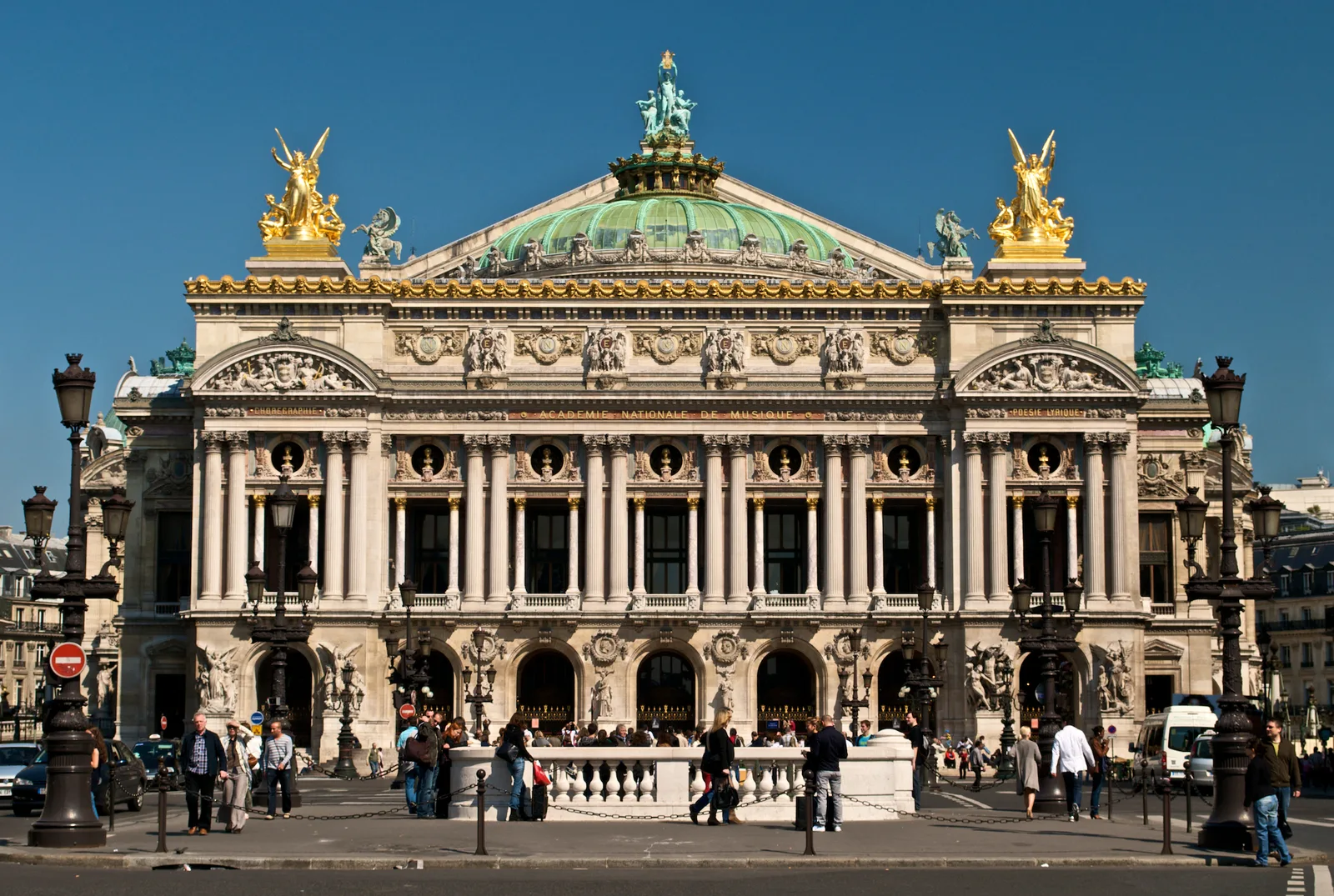
    Palais Garnier is one of the city’s most theatrical buildings, rich with staircases, gilding, and 19th-century ambition. It is worth visiting even without a performance if you enjoy interiors and architecture. Check access before you go because it still functions as a venue.

    The ornate facade of Palais Garnier in Paris
    Credit: Peter Rivera, via Wikimedia Commons (CC BY 2.0) · CC BY 2.0
  5. 45 min

    Galerie Vivienne

    Short, elegant, and perfect between bigger stops.

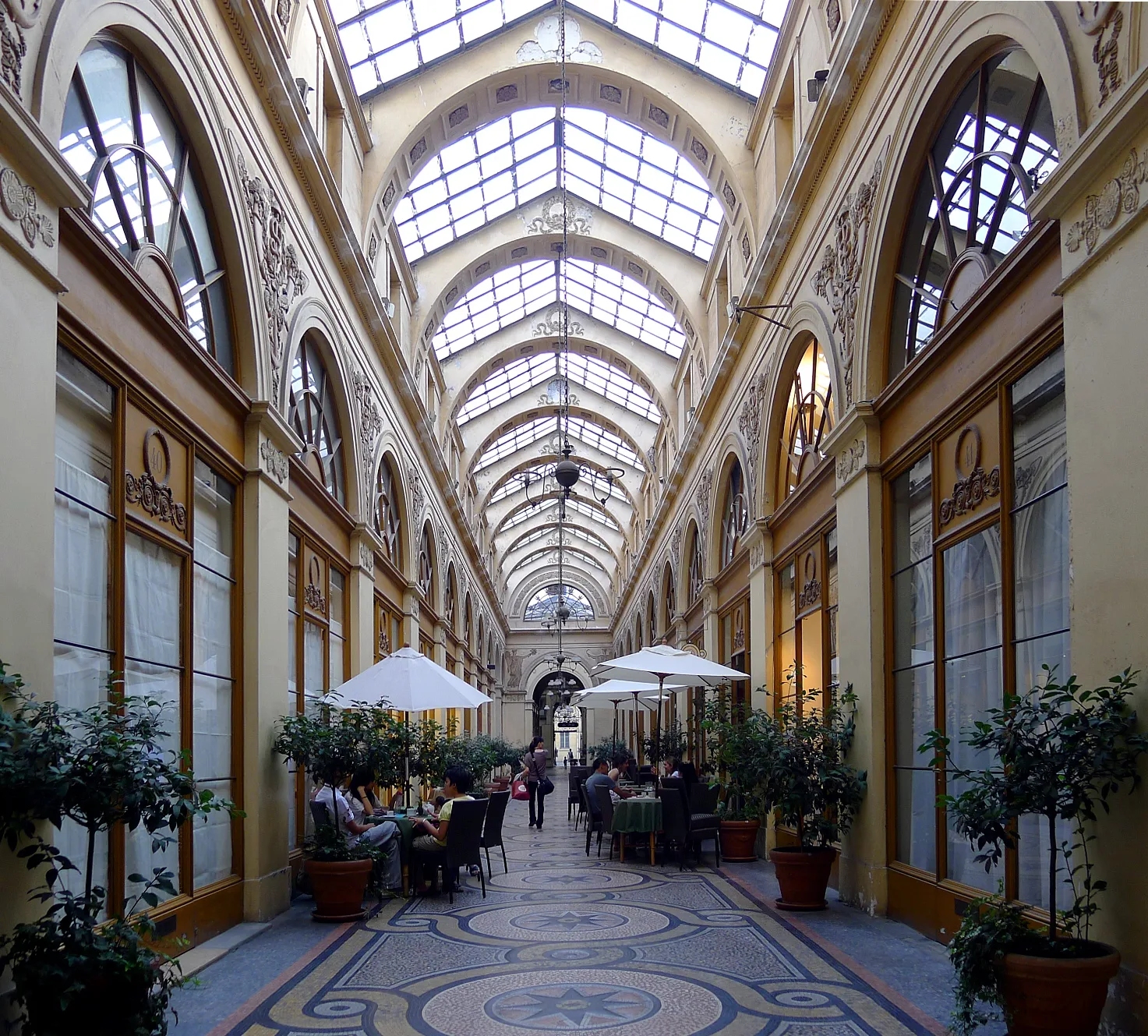
    Galerie Vivienne is a classic covered passage: glass roof, mosaic floors, small shops, and a quieter central-Paris mood. It does not need long, but it gives the day texture and keeps the final afternoon from becoming only major landmarks.

    The covered Galerie Vivienne passage in Paris
    Credit: Mbzt, via Wikimedia Commons (CC BY 3.0) · CC BY 3.0
  6. 45 min

    Rest near Palais-Royal

    Use this as a deliberate pause. If Montmartre or Palais Garnier ran long, this is the easiest stop to shorten.

  7. 1 hour 30 min

    Le Marais

    The final wandering block.

    Le Marais is a strong final neighborhood because it rewards wandering: older streets, boutiques, galleries, food stops, and enough history to feel substantial without needing one more museum plan. Let it be flexible and choose your own emphasis: shopping, cafés, Jewish Quarter food, small museums, or simply walking.

  8. 45 min

    Place des Vosges

    A calm architectural endpoint before dinner.

    Place des Vosges is one of Paris’s most graceful squares, framed by arcades and balanced façades. It is worth saving for late afternoon because it gives the Marais wander a quiet destination without forcing another long visit.

  9. 1 hour 30 min

    Farewell dinner in Le Marais

    End somewhere walkable from the afternoon route. For the final night, ease and atmosphere matter more than squeezing in one last cross-town restaurant.

Itinerary decisions

What makes the cut, what can wait, and what is less worth it.

Essential

  • Protect the islands, Sainte-Chapelle, Notre-Dame, the Louvre, and one Eiffel Tower window; these are the first-visit anchors that give the trip its Paris shape.
  • Keep the Left Bank day coherent by pairing Orsay, Saint-Germain, Luxembourg Gardens, and the Eiffel Tower instead of scattering museums across every day.
  • Give Montmartre and the Marais enough room to feel like neighborhoods, not just quick photo stops.

Optional

  • Going up the Eiffel Tower is optional. Some travelers will prefer seeing it from the ground, Champ de Mars, or a nearby viewpoint instead of spending time in lines.
  • The Panthéon is a good architecture/history add-on, but it can be shortened or skipped if the garden pause matters more.
  • Palais Garnier is excellent for interiors, but access can vary because it is an active performance venue.

Not prioritized

  • This plan does not add Versailles. It deserves a separate day and would squeeze the city too hard in a three-day first visit.
  • It avoids trying to cover every major museum. Louvre plus Orsay is already a lot for three days.
  • It does not chase viral pastry or restaurant stops across town; food works better here when it supports the route.

Before you use this plan

  • Paris hours, closures, strike conditions, security rules, and ticket availability can change. Check official pages for major anchors before locking the day.
  • Book timed entries when they matter to you, especially the Louvre, Eiffel Tower, Sainte-Chapelle, and popular museum windows.
  • The Louvre and Orsay can both be crowded. Choose a focused route before entering instead of trying to see everything.
  • This itinerary assumes comfortable walking and public transit. If mobility, heat, rain, or jet lag are factors, reduce one stop per day and protect meal breaks.
  • This is a public example. Dayworthy can adapt the route to exact dates, hotel area, mobility needs, saved places, budget, food preferences, and museum tolerance.

Dayworthy

Turn this example into your trip.

Dayworthy adapts the itinerary to your dates, pace, hotel, interests, and saved places.