
Dayworthy itinerary

A realistic 5-day Tokyo itinerary for first-time visitors

Tokyo can swallow a first trip whole if every famous neighborhood becomes mandatory. This five-day plan protects the classics, groups sights by geography, and leaves enough slack for meals, transit, reservations, and the small detours that make Tokyo feel personal.

Destination
Tokyo, Japan
Length
5 days
Pace
balanced
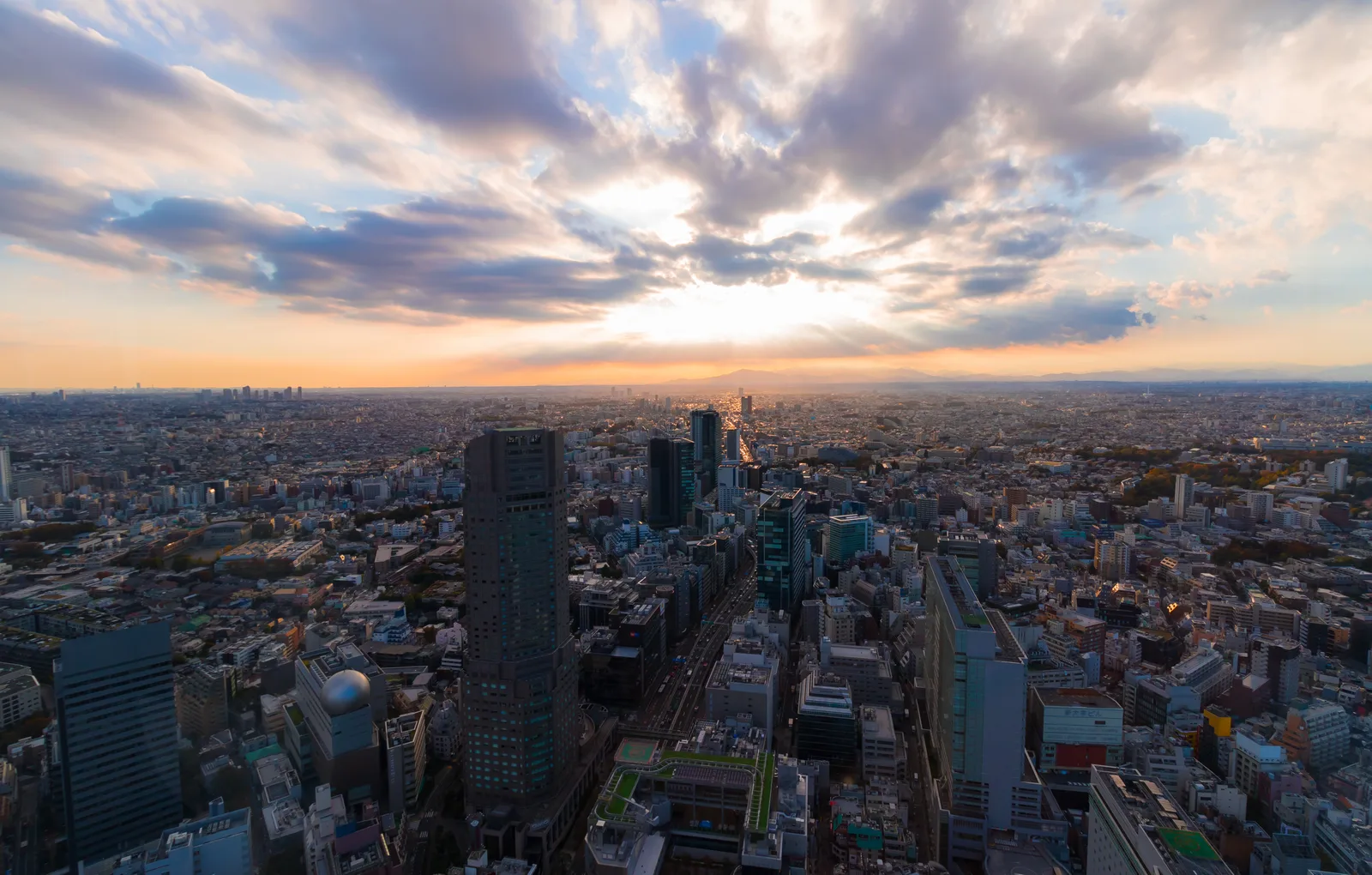
Tokyo skyline from Shibuya Sky, used as the hero image for a 5-day Tokyo itinerary
Credit: Kakidai, via Wikimedia Commons (CC BY-SA 4.0) · CC BY-SA 4.0

Day-by-day plan

A paced plan, not an endless list.

Day1

Old Tokyo, Edo history, and Asakusa without rushing the first day

Start with a calm central-Tokyo morning before moving east into Asakusa. This gives the trip history, temple atmosphere, and market energy, while keeping the first day structured enough to recover from arrival fatigue or jet lag.

  1. 1 hour 40 min

    Imperial Palace East National Gardens

    Beautiful historical grounds built on the ruins of Edo Castle.

    Imperial Palace East National Gardens are the landscaped remains of the old Edo Castle compound, set just east of the Imperial Palace. It’s worth visiting if you want an easy, low-key break from Tokyo’s pace: broad lawns, stone walls, moats, and seasonal greenery rather than packed sights. Expect a peaceful walk with historical atmosphere, not a museum-style experience or a long list of major exhibits.

  2. 1 hour

    Marunouchi Naka-Dori Ave.

    Tree-lined boulevard linking the palace and Tokyo Station.

    This tree-lined avenue runs through Marunouchi, where sleek office towers, luxury boutiques, and well-kept public spaces make the district feel more refined than frantic. It’s worth a visit if you enjoy urban walking with good design, seasonal decorations, and easy access to cafés and department-store browsing, but it’s more about atmosphere than a single must-see sight.

  3. 1 hour 15 min

    Lunch in Asakusa

    Use this meal as a real pause, not a transit chore. Choose somewhere near the next stop so the day keeps its shape.

  4. 1 hour 15 min

    Sensō-ji

    Tokyo's oldest and most iconic Buddhist temple complex.

    Sensō-ji is Tokyo’s oldest established temple and one of the city’s most important religious sites, dedicated to Kannon. Visitors come as much for the atmosphere as the architecture: the great gate, main hall, and five-story pagoda anchor a temple complex that feels historic even amid the crowds. It’s worth seeing if you want a classic Tokyo landmark with energy, ritual, and a strong sense of place; if you prefer quiet temples, come early or be ready for a very busy visit.
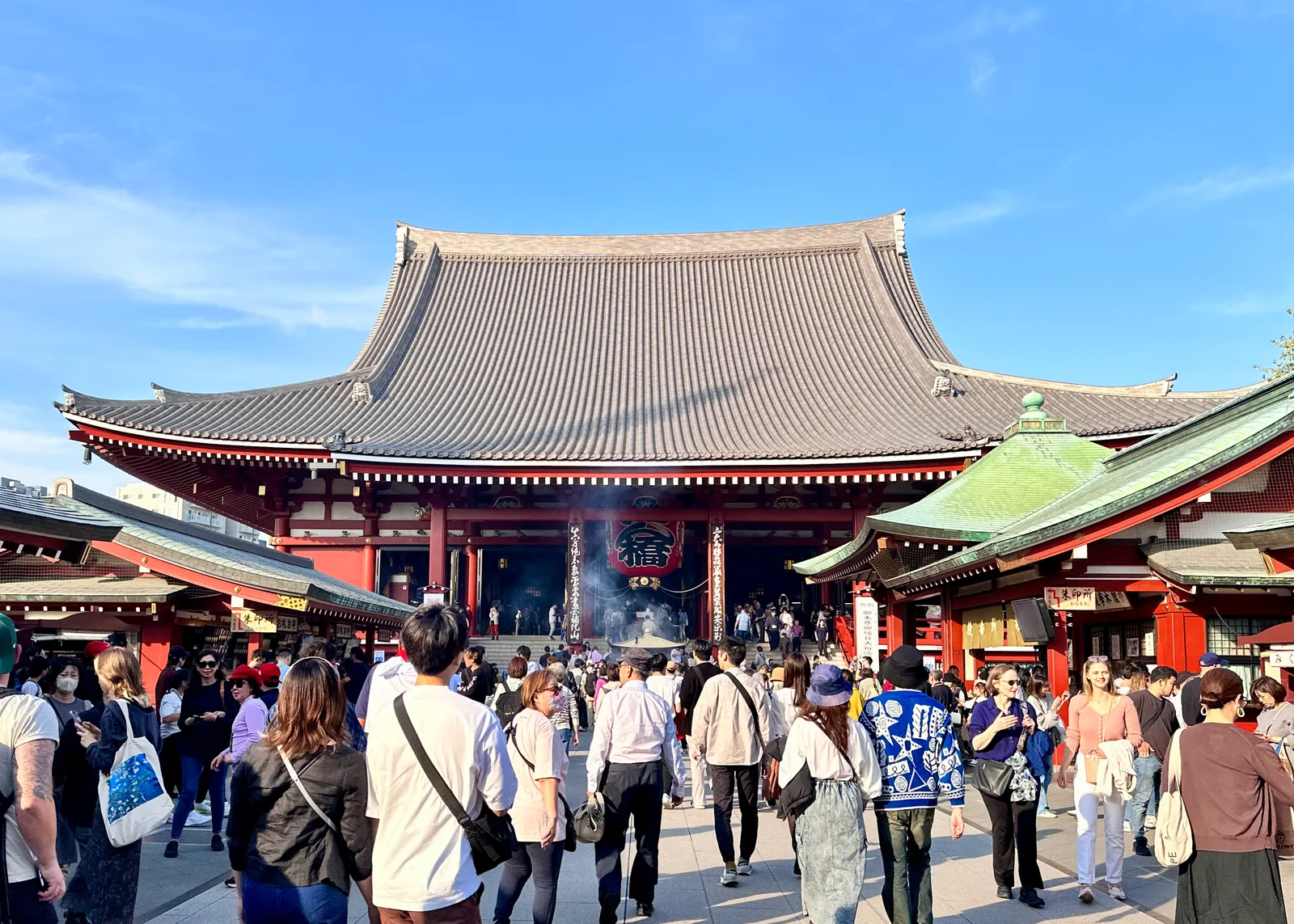
    The main hall and temple grounds at Sensō-ji in Asakusa
    Credit: Akonnchiroll, via Wikimedia Commons (CC0) · CC0
  5. 45 min

    Nakamise Shopping Street

    Historic pedestrian approach filled with local crafts and traditional snacks.

    Nakamise Shopping Street is the classic approach to Senso-ji, lined with small shops selling everything from traditional sweets to fans, snacks, and souvenir trinkets. It is worth a stop if you want a lively, very Tokyo feel and don’t mind crowds; the street is as much about the atmosphere and browsing as the shopping itself. Expect it to be busiest around temple visits, with a bright, busy, slightly touristy vibe that can still be fun when you know to take it as part of the Asakusa experience.
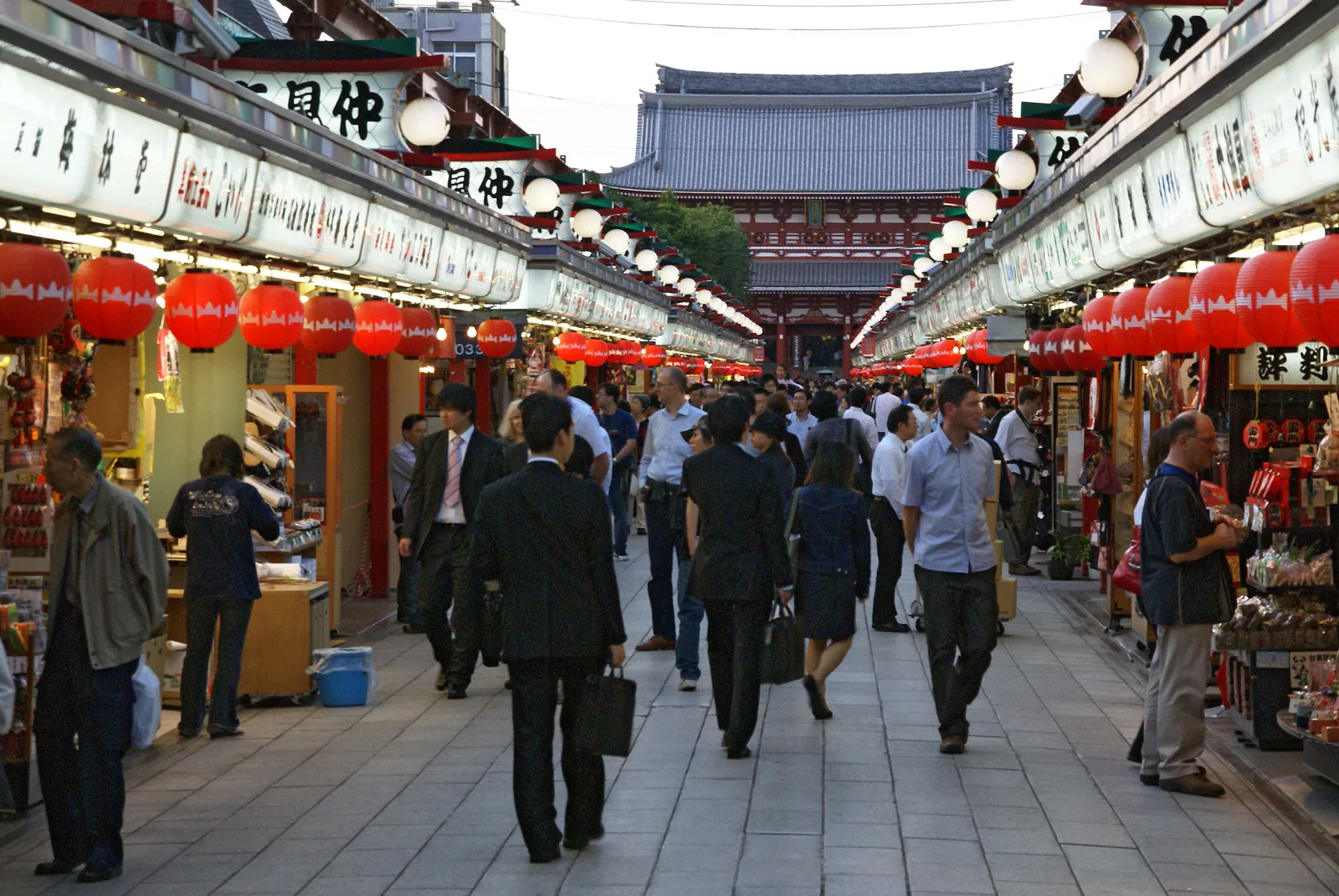
    Nakamise Shopping Street leading toward Sensō-ji in Asakusa
    Credit: 663highland, via Wikimedia Commons (CC BY 2.5) · CC BY 2.5
  6. 1 hour 30 min

    Kiyomizu Kannon-dō Temple

    Sprawling public park housing ponds, shrines, and world-class museums.

    Use this as a quieter Ueno-area counterpoint after the intensity of Asakusa. The temple is compact, atmospheric, and easiest to appreciate as part of a broader Ueno Park wander rather than as a standalone destination. If energy is fading, shorten this stop and keep dinner near Ameyoko simple.

  7. 1 hour 30 min

    Dinner in Ameyoko District

    Keep dinner close to the area where the day ends. Tokyo rewards spontaneous meals, but popular restaurants and small counters may need reservations or patience.
Day2

Meiji Jingu, Harajuku, Omotesando, and Shibuya energy

This is the west-side Tokyo day: a forested shrine reset, youth-culture chaos, polished design streets, and Shibuya at full volume. The route is busy, but the neighborhoods connect naturally and do not require zig-zagging across the city.

  1. 1 hour 30 min

    Meiji Jingu

    Serene Shinto shrine located within a dense, tranquil forest.

    Meiji Jingu is one of Tokyo’s most restorative places to visit: a broad, wooded shrine approach that feels far removed from the city even though you’re right in Shibuya. It’s worth coming for the atmosphere more than for ornate architecture — the appeal is the quiet walk, the sense of ceremony, and a distinctly Japanese spiritual setting dedicated to Emperor Meiji and Empress Shōken.

  2. 1 hour 30 min

    Takeshita Street

    Stroll through youth culture hubs into sleek backstreet boutiques.

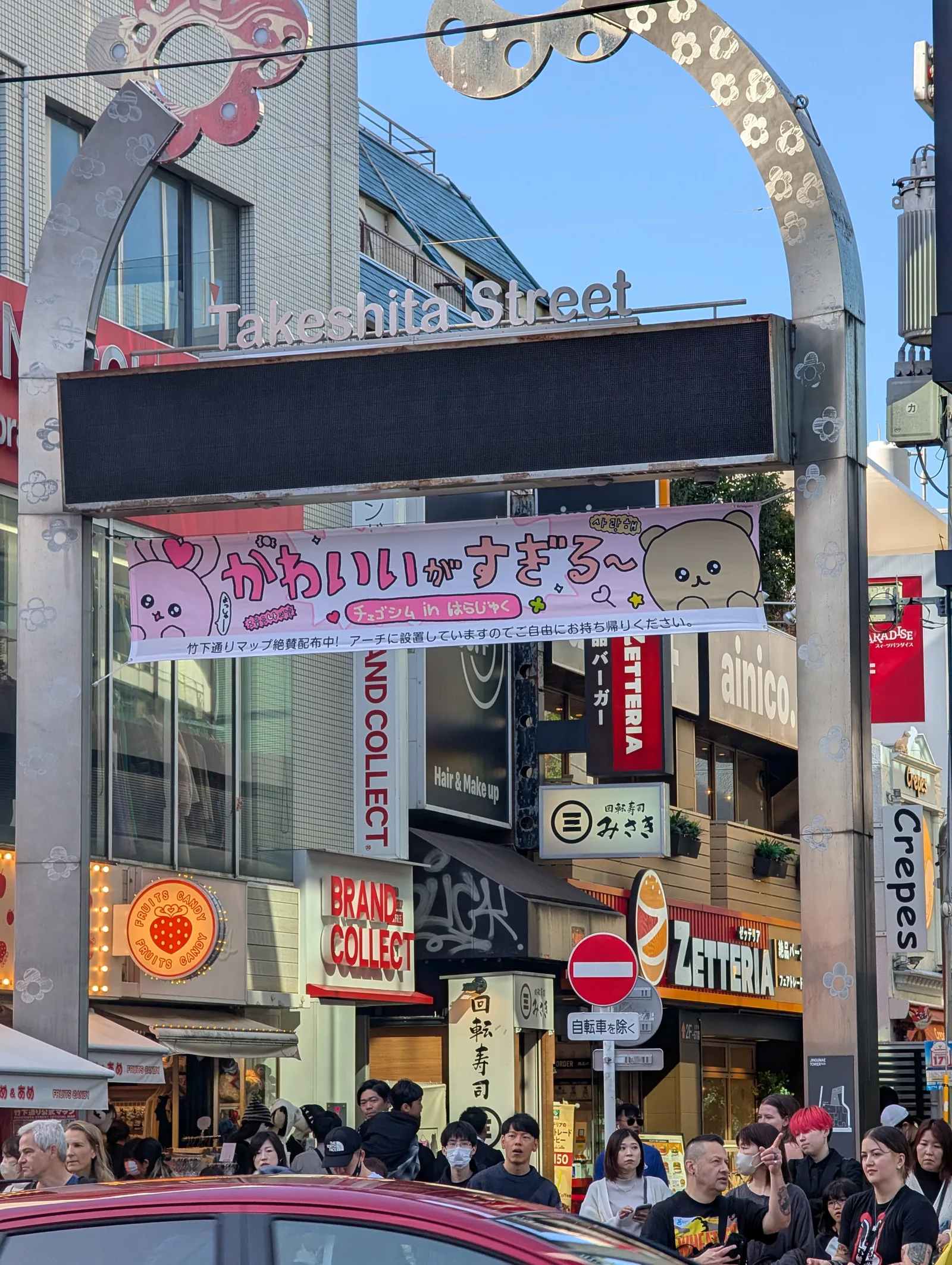
    This is the narrow, always-busy spine of Harajuku’s pop-culture scene: a place for fast fashion, themed sweets, crepes, accessories, and the kind of street style that makes you slow down and look around. It is worth visiting if you want the classic, high-energy Harajuku experience and don’t mind crowds; expect lots of movement, bright storefronts, and very little breathing room at peak times.

    Crowds and storefronts on Takeshita Street in Harajuku
    Credit: Syced, via Wikimedia Commons (CC0) · CC0
  3. 1 hour 15 min

    Lunch in Omotesando

    Use this meal as a real pause, not a transit chore. Choose somewhere near the next stop so the day keeps its shape.

  4. 1 hour 30 min

    Nezu Museum

    Exquisite pre-modern Japanese art paired with a lush traditional garden.

    The Nezu Museum is the best reason to slow down after Harajuku: a refined collection of pre-modern Japanese and East Asian art paired with a garden that feels calmer than the surrounding shopping districts. Check opening days before building the afternoon around it, and use Omotesando nearby as the fallback if timing does not work.

  5. 30 min

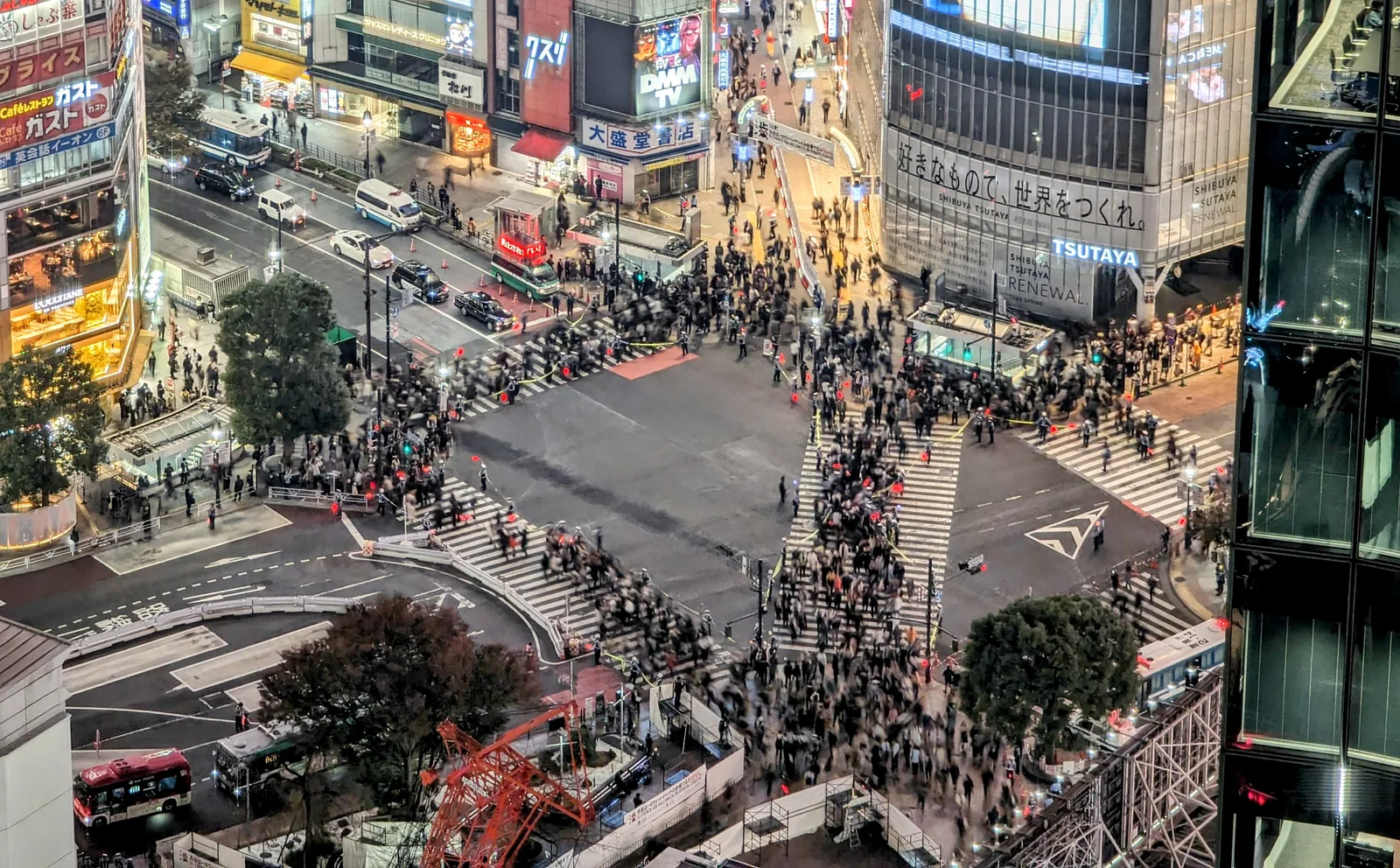
    Shibuya Crossing

    The world's famous, bustling pedestrian intersection.

    It’s less a sightseeing “site” than a live performance of Tokyo at full speed, where huge waves of pedestrians pour across the intersection from every direction. It’s worth seeing because the energy is unmistakable and the surrounding Shibuya district gives you plenty to do before or after; just expect crowds, noise, and a very brief viewing experience unless you linger nearby.

    Pedestrians crossing Shibuya Crossing in Tokyo
    Credit: Syced, via Wikimedia Commons (CC0) · CC0
  6. 1 hour 30 min

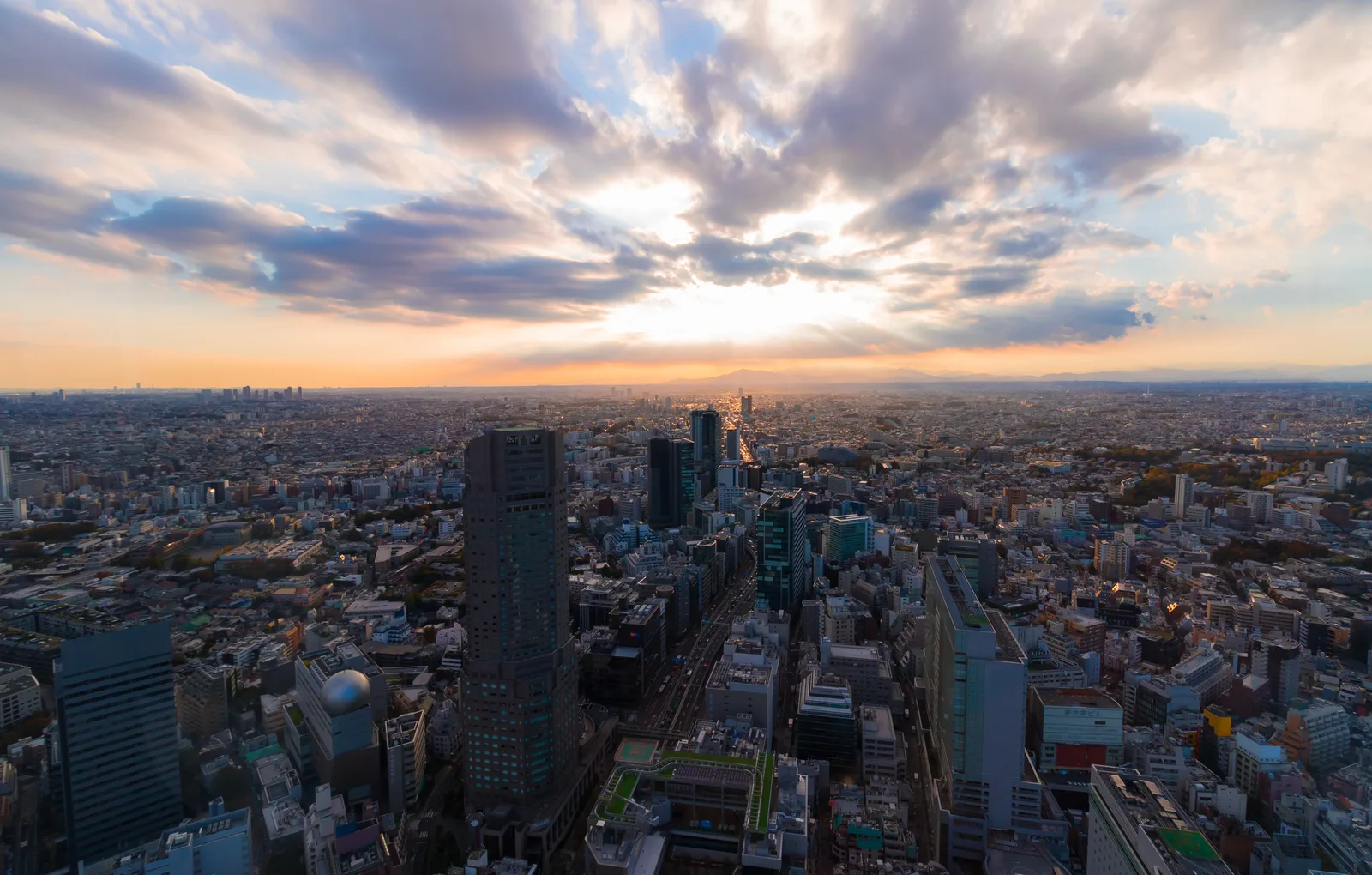
    Shibuya Sky

    Open-air rooftop observation deck with panoramic city vistas.

    Perched above Shibuya Station in the Scramble Square complex, Shibuya Sky is one of the city’s most rewarding observation spots for first-time visitors and skyline chasers alike. It’s worth it for the open-air feeling, the sweep of neon and high-rises, and the sense of seeing Tokyo from the center of its urban energy rather than from a distant tower. Expect a polished, popular experience that can feel crowded at peak times, so it’s best if you enjoy views more than quiet solitude.

    Tokyo skyline views from Shibuya Sky
    Credit: Kakidai, via Wikimedia Commons (CC BY-SA 4.0) · CC BY-SA 4.0
  7. 1 hour 30 min

    Dinner in Shibuya

    Keep dinner close to the area where the day ends. Tokyo rewards spontaneous meals, but popular restaurants and small counters may need reservations or patience.
Day3

Toyosu, Odaiba, Roppongi, and one reservation-worthy anchor

Use this day for modern Tokyo: immersive art, bay views, contemporary museums, and an evening skyline. It works best when you treat teamLab or another booked attraction as the anchor instead of trying to force every waterfront sight into the plan.

  1. 2 hours

    teamLab Planets TOKYO DMM

    Immersive, walk-through digital art museum experience in water and light.

    teamLab Planets TOKYO DMM is less a conventional museum than a fully immersive art experience, with rooms designed to be seen, felt, and physically moved through. It’s worth it if you like interactive, highly visual spaces and don’t mind crowds or getting a little out of your comfort zone; expect a sequence of sensory installations that are best enjoyed at a slow pace.

  2. 1 hour 15 min

    Lunch near Odaiba Waterfront

    Use this meal as a real pause, not a transit chore. Choose somewhere near the next stop so the day keeps its shape.

  3. 1 hour

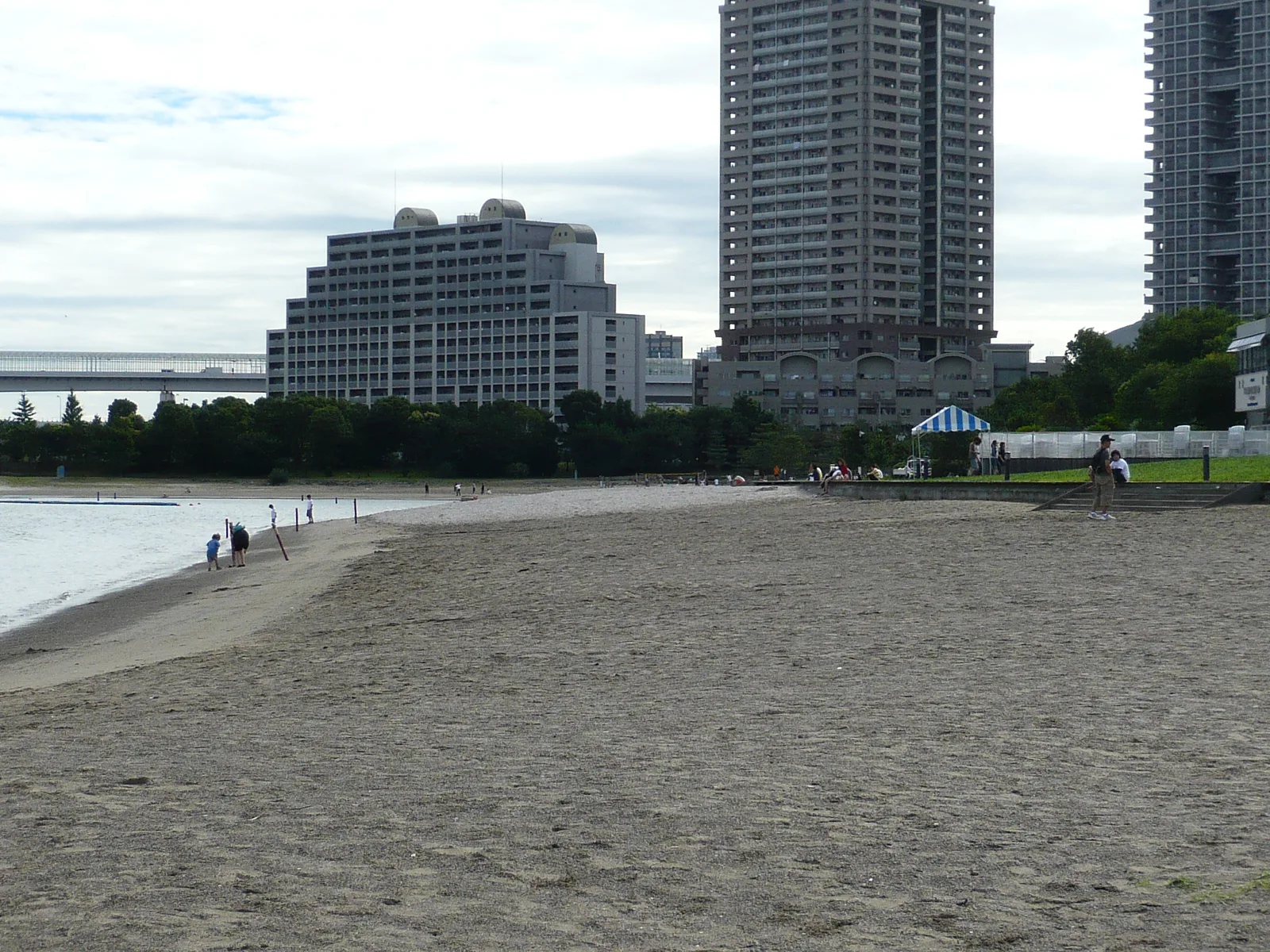
    Odaiba Marine Park

    Scenic waterfront walking path with views of the city skyline.

    Odaiba Marine Park is one of the rare spots in Tokyo Bay where you can actually get down to the water, with open views toward the Rainbow Bridge and the city skyline. It’s less about big-ticket sights and more about a relaxed seaside atmosphere, especially if you want a stroll, a sunset stop, or a low-key pause after exploring Odaiba’s malls and museums. Expect an easygoing urban waterfront rather than a dramatic natural beach.

    Tokyo Bay waterfront at Odaiba Marine Park
    Credit: Ryoma35988 (ja:利用者:Ryoma35988), via Wikimedia Commons (CC BY-SA 3.0) · CC BY-SA 3.0
  4. 1 hour 30 min

    Mori Art Museum

    Contemporary art gallery atop Roppongi Hills Mori Tower.

    Mori Art Museum gives this day a cultural anchor in Roppongi without requiring a full museum marathon. Exhibitions rotate, so check what is on before committing; if the show does not appeal, replace this block with the National Art Center, Tokyo, a longer Roppongi Hills pause, or an earlier dinner.

  5. 1 hour 30 min

    Tokyo Tower

    Classic lattice communications tower offer sunset view points.

    Tokyo Tower is not the newest viewpoint in the city, but it still delivers classic Tokyo icon energy, especially near sunset or after dark. It pairs well with Roppongi because the transfer is manageable and the tower gives the day a clear visual finish.

  6. 1 hour 30 min

    Dinner in Roppongi

    Keep dinner close to the area where the day ends. Tokyo rewards spontaneous meals, but popular restaurants and small counters may need reservations or patience.
Day4

Yanaka, Kappabashi, Shinjuku gardens, and an atmospheric night

After several famous districts, this day mixes slower local texture with one of Tokyo’s best garden pauses and an easy Shinjuku evening. It is a good reminder that Tokyo is not only towers, crossings, and ticketed attractions.

  1. 1 hour 30 min

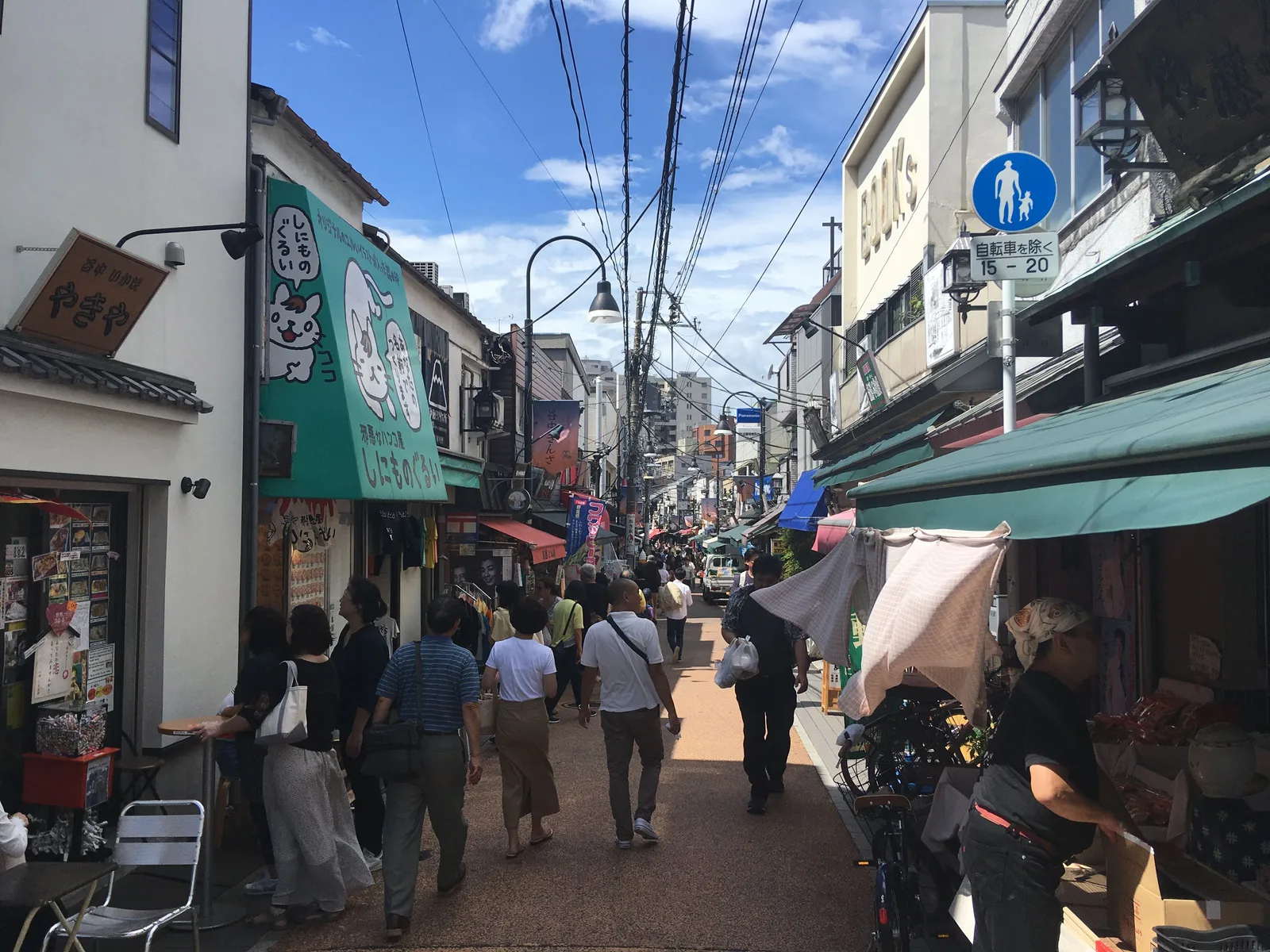
    Yanaka Ginza

    Atmospheric retro shopping street showing old Tokyo charm.

    It’s worth coming if you want a slower, more nostalgic side of Tokyo: a short, walkable street lined with small shops, street food, and everyday local life. You won’t find a major landmark here, but you will get an easy, low-pressure browse that feels distinct from the city’s glossier districts.

    Shops and street life along Yanaka Ginza in Tokyo
    Credit: Christophe95, via Wikimedia Commons (CC BY-SA 4.0) · CC BY-SA 4.0
  2. 1 hour 15 min

    Kappabashi Kitchen Supply Town

    Fascinating street lined with shops for culinary gear and plastic food replicas.

    Kappabashi is a low-pressure shopping street for knives, ceramics, cooking tools, coffee gear, and the plastic food models you see outside restaurants. It is especially fun if you like browsing functional souvenirs, but it is skippable if shopping is not your thing.

  3. 1 hour 15 min

    Lunch in Shinjuku

    Use this meal as a real pause, not a transit chore. Choose somewhere near the next stop so the day keeps its shape.

  4. 1 hour 45 min

    Shinjuku Gyoen National Garden

    Expansive landscape garden blending Japanese, French, and English styles.

    Shinjuku Gyoen is one of Tokyo’s best places to reset: a large, beautifully maintained garden that mixes formal landscapes with broad lawns and quieter corners. Its history as a former samurai residence and later imperial garden gives it a sense of polish and calm, but what most visitors notice is simply how easy it is to breathe here after the city streets. It’s worth a visit if you want a peaceful walk, seasonal greenery, or a picnic-friendly break; if you’re looking for high-energy sightseeing, it may feel more like a pause than a headline attraction.

  5. 1 hour 15 min

    North Observation Deck, Tokyo Metropolitan Government Building No. 1

    Free observatory offering wide panoramic city skyline views.

    The North Observation Deck in the Tokyo Metropolitan Government Building No. 1 is one of the easiest no-cost ways to see Tokyo from above. It’s worth it if you want a reliable skyline stop without paying for a pricier tower, and the setting is especially appealing if you’re already in Shinjuku. Expect a practical observation space rather than a romantic one: good views, a municipal-building feel, and a visit that pairs best with clear weather.

  6. 45 min

    Omoide Yokocho

    Atmospheric narrow alleyway full of historic charm and lantern light.

    Omoide Yokocho is one of those places people seek out for atmosphere as much as for dinner: narrow lanes, counters packed shoulder to shoulder, and a very specific retro-Shinjuku buzz. It’s worth a stop if you want yakitori, a drink, and a photogenic glimpse of the city’s postwar alley culture, but it’s less appealing if you dislike cramped spaces, smoke, or menu-to-menu sticker shock in a tourist-famous spot.

  7. 1 hour 30 min

    Dinner in Shinjuku

    Keep dinner close to the area where the day ends. Tokyo rewards spontaneous meals, but popular restaurants and small counters may need reservations or patience.
Day5

Tsukiji, Hamarikyu, Ginza, Akihabara, and a flexible final night

The last day stays practical: food in the morning, a garden reset, polished Ginza, then a choice between shrine culture, electronics, anime, or a farewell meal near convenient train lines. Keep it flexible so packing and final shopping do not become stressful.

  1. 1 hour 45 min

    Tsukiji Outer Market

    Bustling market area packed with fresh seafood stalls and local food vendors.

    Tsukiji is strongest in the morning, when shops and food stalls are active and the narrow lanes still feel purposeful rather than purely touristy. Go for breakfast snacks, seafood, pantry goods, and market atmosphere, but be mindful of shop rules, crowds, and places where eating while walking is discouraged.

  2. 1 hour 15 min

    Hamarikyu Gardens

    Traditional Edo-period garden features seawater ponds and a teahouse.

    Hamarikyu Gardens is one of Tokyo’s best places to slow down: a large, carefully landscaped former shogunal estate with seawater ponds, walking paths, and a strong sense of old Tokyo history. It’s worth visiting if you want a calm break from the city, especially because the mix of traditional garden design and modern high-rises gives it a distinctly Tokyo feel. Expect an easy stroll rather than a high-energy sightseeing stop.

  3. 1 hour 15 min

    Lunch in Ginza

    Use this meal as a real pause, not a transit chore. Choose somewhere near the next stop so the day keeps its shape.

  4. 1 hour 30 min

    Ginza

    Explore architecturally stunning department stores and luxury flagships.

    Ginza works well late in the trip because it is polished, central, and useful: department-store food halls, architecture, stationery, design shops, and a calmer shopping experience than Shibuya or Harajuku. Treat it as a flexible block rather than a checklist.

  5. 1 hour

    Kanda Myoujin Shrine

    Historic Shinto shrine popular for blessings on tech and prosperity.

    Kanda Myoujin adds a compact cultural stop before Akihabara, with a long history and a modern connection to technology and pop culture. It is a good bridge between traditional shrine atmosphere and the electronics/anime energy nearby.

  6. 1 hour 15 min

    Akihabara Electric Town

    Vibrant center of otaku culture, electronics shops, and neon signs.

    Akihabara is worth including if electronics, games, anime, manga, arcades, or otaku culture are part of your Tokyo imagination. If they are not, make this a short neon walk or swap it for more Ginza time, a cafe break, or an easier final dinner.

  7. 1 hour 30 min

    Farewell Dinner under Yurakucho Guard

    Keep dinner close to the area where the day ends. Tokyo rewards spontaneous meals, but popular restaurants and small counters may need reservations or patience.

Itinerary decisions

What makes the cut, what can wait, and what is less worth it.

Essential

  • Protect Asakusa and Sensō-ji for a classic first-visit Tokyo moment, but pair it with nearby streets instead of treating it as a quick photo stop.
  • Give Shibuya and Harajuku one coherent day so the crowds feel intentional rather than scattered across the whole trip.
  • Include at least one quiet garden or older neighborhood day; Tokyo is easier to enjoy when every day is not neon and transit.

Optional

  • teamLab Planets, Shibuya Sky, Mori Art Museum, and Tokyo Tower all depend on tickets, weather, exhibitions, or personal taste. Book only the ones you genuinely want.
  • Akihabara is a strong final-day branch for anime, games, electronics, and neon; otherwise, use that time for Ginza, a garden, or a relaxed last meal.
  • Kappabashi is excellent for cooks and design-minded shoppers, but it can be shortened if suitcase space is tight.

Not prioritized

  • This plan does not chase every observation deck. One paid skyline view plus one free or casual view is usually enough for five days.
  • It avoids a long Mount Fuji, Hakone, or Nikko day trip. Those are better with extra days or a separate itinerary.
  • It does not try to cover every museum. Tokyo is more enjoyable when you choose one or two anchors and leave room around them.

Before you use this plan

  • Check official opening days before you go. Imperial Palace East Gardens commonly close on Mondays and Fridays, and museums or ticketed attractions may have their own closure calendars.
  • Reserve timed attractions early when they matter to you, especially teamLab Planets and Shibuya Sky. Weather can also change whether a skyline stop feels worth it.
  • Tsukiji is best treated as a morning food-market visit. Many shops have individual hours, and some close on Sundays or selected Wednesdays.
  • Tokyo transit is excellent, but station exits and transfers can add time. Build in buffers, especially when crossing from east to west Tokyo.
  • This is a public example. Dayworthy can adapt the route to your exact dates, hotel area, mobility needs, saved places, budget, and food preferences.

Dayworthy

Turn this example into your trip.

Dayworthy adapts the itinerary to your dates, pace, hotel, interests, and saved places.