Dayworthy itinerary

Three days in Montreal, without cramming the map

Start with Old Montreal, protect a Mount Royal morning, and let markets and the canal bring the trip back to local scale.

Destination
Montreal, Canada
Length
3 days
Pace
balanced
Notre-Dame Basilica of Montreal
Photo: Jeangagnon · CC BY-SA 3.0

Day-by-day plan

A paced plan, not an endless list.

Day1

Old Montreal, from landmark to river

Keep the first day compact: one memorable interior, streets worth wandering, the city’s origins and room for the riverfront.

  1. 1 hour

    Notre-Dame Basilica of Montreal

    Marvel at the dramatic Gothic Revival interior and intricate woodwork.

    Notre-Dame Basilica of Montreal is one of the city’s most memorable interiors, with deep color, intricate woodwork, and a dramatic sense of scale that rewards even a short visit. It is especially worth seeing if you appreciate historic architecture or want one of Montreal’s most striking landmarks, though it can be busy and feel more like a major visitor site than a quiet neighborhood church.
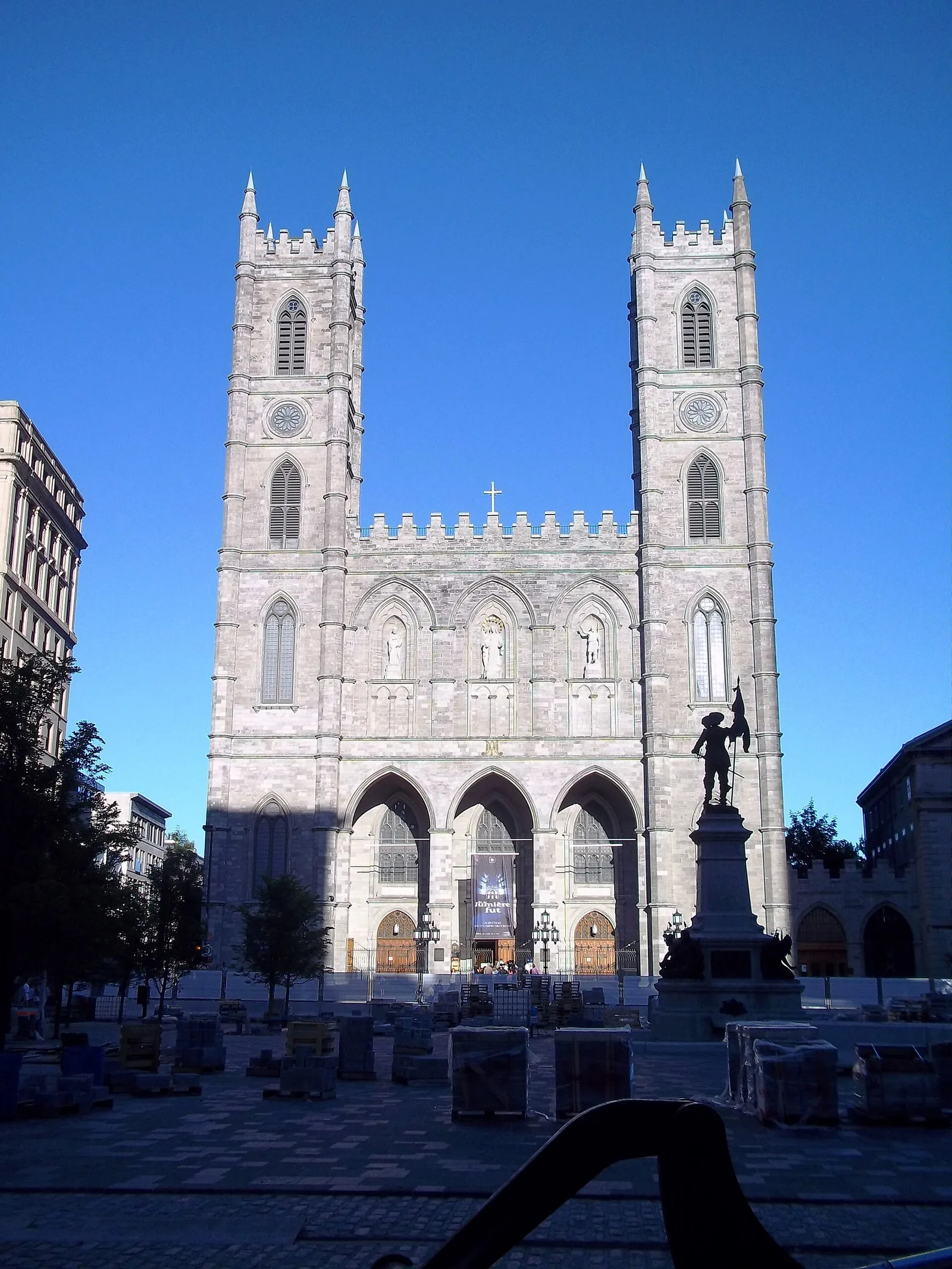
    Basilique Notre-Dame de Montréal
    Photo: Jeangagnon · CC BY-SA 3.0
  2. 1 hour 15 min

    Rue Saint-Paul

    Walk Rue Saint-Paul before the busiest part of the day.

    This is Old Montreal at its most atmospheric: stone facades, galleries and narrow blocks that reward slow wandering. Treat it as a route rather than a checklist, and step into only the shops or courtyards that genuinely catch your attention.

  3. 1 hour 15 min

    Lunch Break in Old Montreal

  4. 1 hour 45 min

    Montreal Museum of Archaeology and History

    Discover the subterranean birthplace of the city built over original ruins.

    Montreal Museum of Archaeology and History is a strong pick if you want more than a standard museum visit: it focuses on the city’s origins and the archaeology beneath modern Montreal, so the experience feels tied to place rather than generic. Expect a thoughtful mix of artifacts, historical context, and exhibits that appeal to anyone curious about how the city grew from its earliest foundations. It is worth it if you like history that connects directly to the streets around you, especially when paired with a walk through Old Montreal. Skip it if you are looking for a broad art collection or a fast, high-energy sightseeing stop.
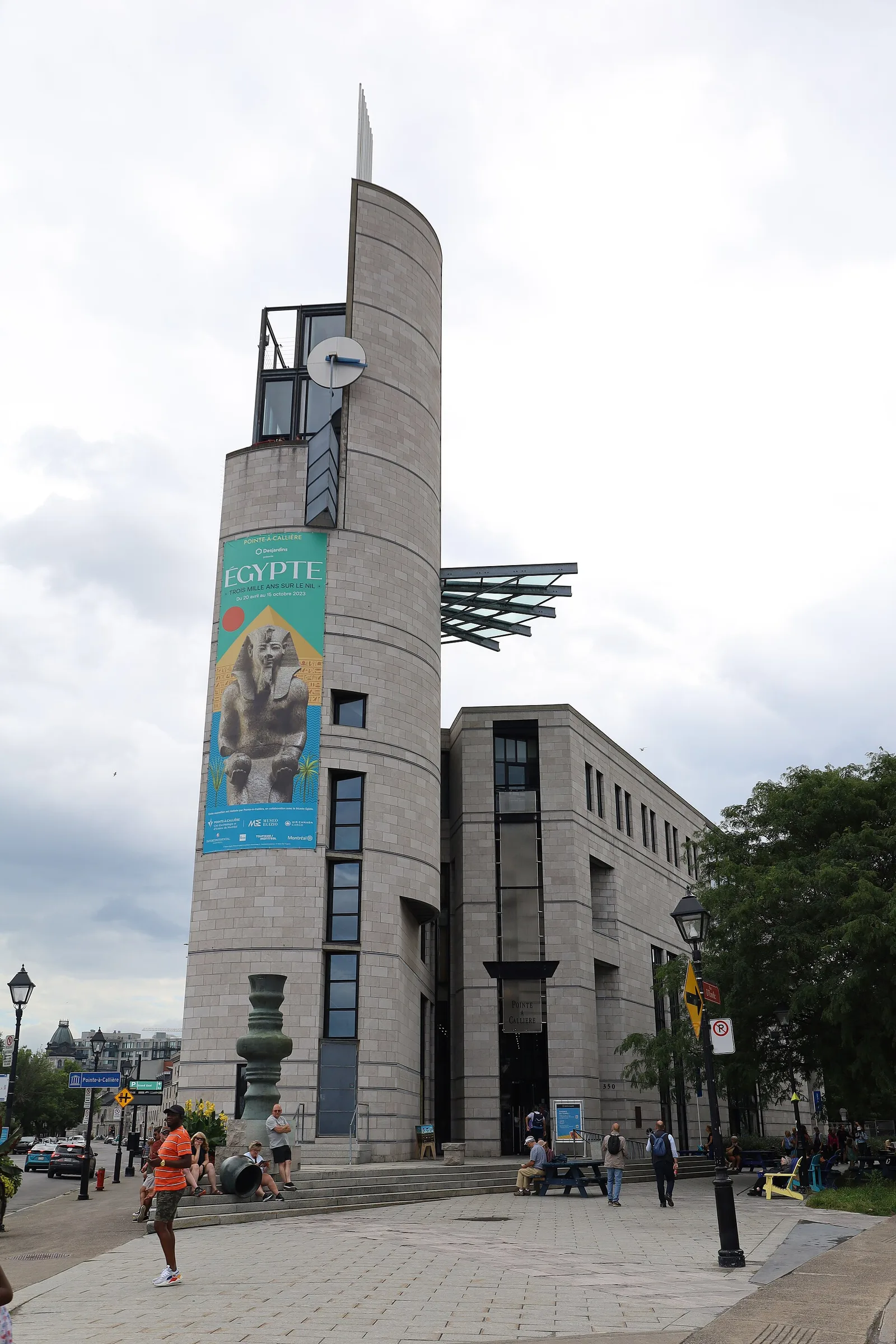
    Pointe-à-Callière Museum
    Photo: Antony-22 · CC BY-SA 4.0
  5. 1 hour 30 min

    Old Port of Montreal

    Use the riverfront as breathing room after the museum.

    The Old Port gives the first day an open-air finish after the dense streets and indoor history of Old Montreal. Walk only the stretch that suits the weather and your energy; the value is the river, skyline and change of pace, not covering every attraction.

  6. 45 min

    Afternoon Rest & Coffee

  7. 1 hour

    Place Jacques-Cartier

    Return for the square as the afternoon softens.

    Place Jacques-Cartier is lively and tourist-facing, but it works well as a flexible final stop for people-watching and an early drink. Keep it short if the crowds feel heavy, then choose dinner nearby without adding another major sight.

  8. 1 hour 30 min

    Dinner Break in Old Montreal
Day2

Mount Royal, the Plateau and a focused museum afternoon

Use the morning for views and neighborhood texture, then head downtown for art before allowing a deliberate transfer window into Mile End.

  1. 1 hour 30 min

    Mount Royal Park

    Take in sweeping downtown views from the Kondiaronk Belvedere lookout.

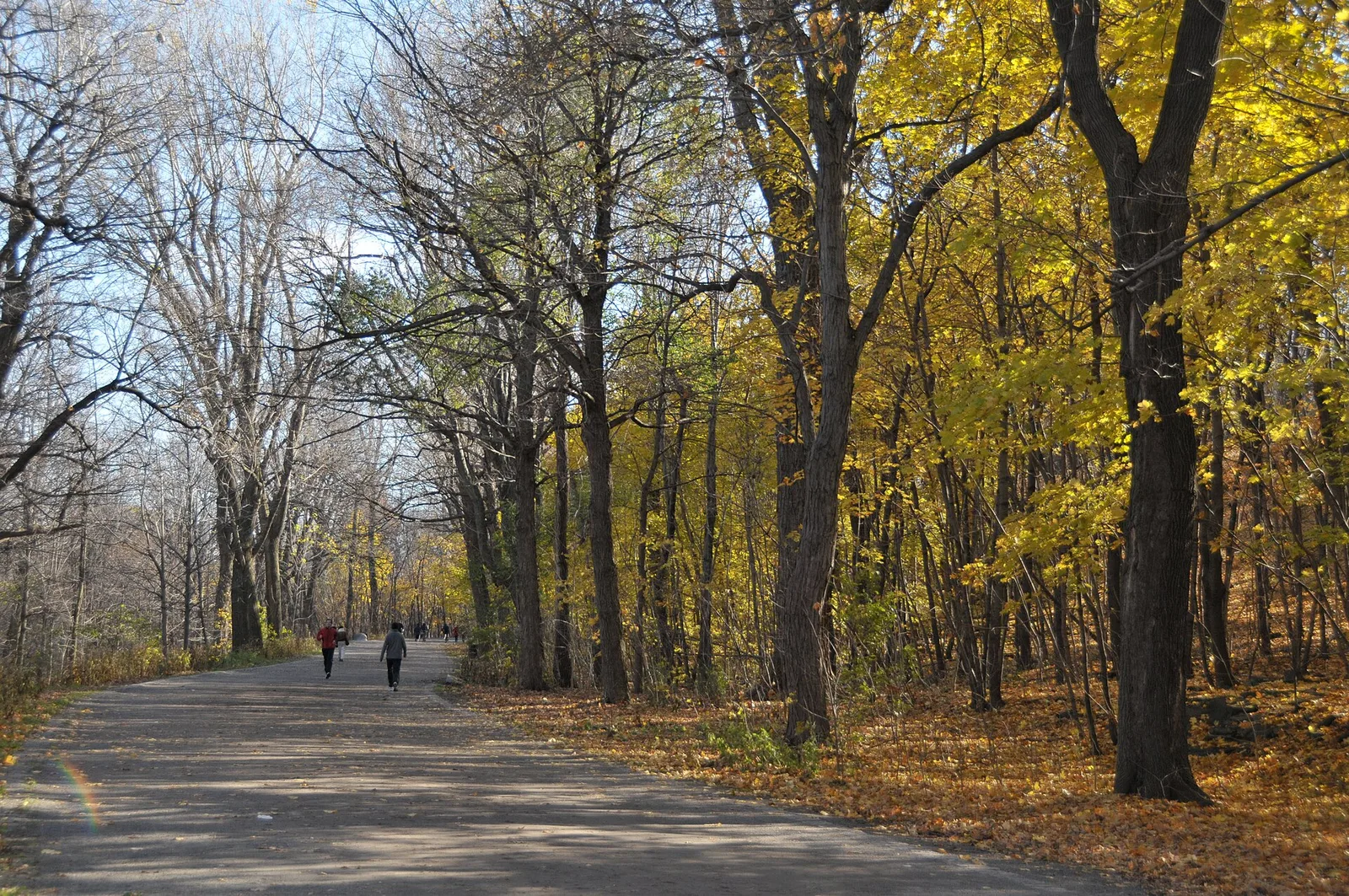
    This is one of the city’s most rewarding places to spend an hour or an afternoon: a large urban park with wooded paths, lookout points, and enough open space to make Montreal feel far away for a moment. It is worth coming for the skyline and river views, the relaxed atmosphere, and the easy mix of walking, sitting, and people-watching that changes with the seasons.

    Mount Royal Park
    Photo: Serge Melki from Indianapolis, USA · CC BY 2.0
  2. 1 hour 15 min

    Plateau-Mont-Royal

    Walk a focused slice of the Plateau instead of chasing every famous street.

    The Plateau is best understood through its residential blocks, exterior staircases and small local businesses. Pick a compact route around Square Saint-Louis or nearby side streets, and protect enough time for lunch rather than turning the neighborhood into a long cross-city march.

  3. 1 hour 15 min

    Lunch Break in the Plateau

  4. 2 hours

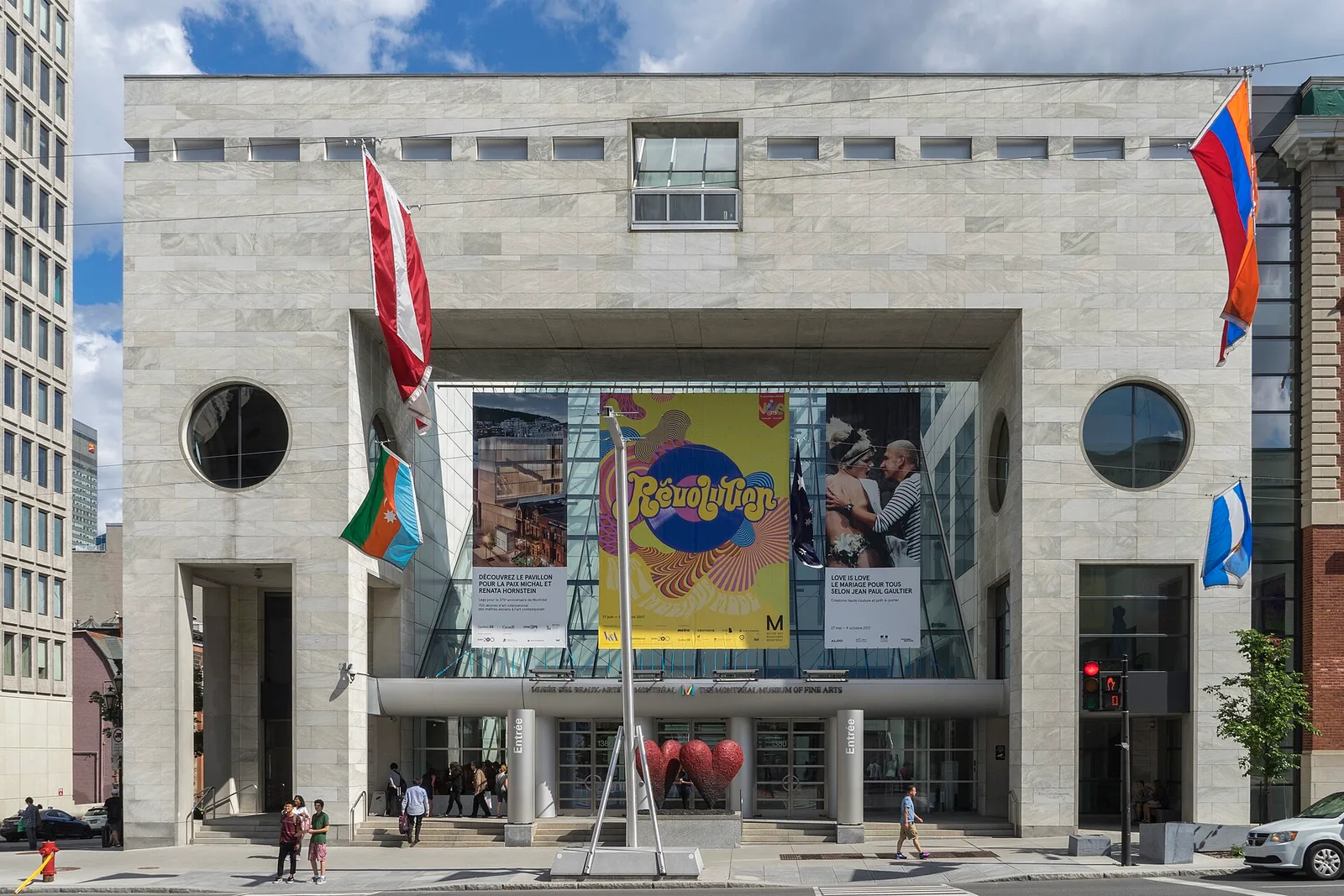
    Montreal Museum of Fine Arts

    Explore Canada's premier museum spanning fine art, modern design, and archaeology.

    Montreal Museum of Fine Arts is one of the city’s most reliable culture stops, with a broad collection that makes it easy to build a visit around a few favorite styles or artists. It is especially appealing if you want a polished museum experience rather than a quick photo stop, and it usually rewards at least a couple of hours. Expect a substantial, well-organized visit that can feel rich without being overwhelming if you pick your galleries selectively.

    Montreal Museum of Fine Arts
    Photo: Thomas Ledl · CC BY-SA 4.0
  5. 1 hour

    Rue Sainte-Catherine

    Use downtown as a practical link after the museum.

    Rue Sainte-Catherine offers shopping and city energy rather than a must-see monument. Browse briefly if that appeals, or use the stop as an easy transition toward a coffee break and the evening in Mile End.

  6. 1 hour 10 min

    Transfer to Mile End and coffee

  7. 1 hour

    Mile End

    Finish with food, independent shops and a looser neighborhood walk.

    Mile End is a good evening neighborhood because it does not require a formal itinerary. Choose one or two streets, stop for a bakery or drink, and let dinner be the anchor. Avoid trying to settle every bagel rivalry in a single visit.

  8. 1 hour 30 min

    Dinner Break in Mile End

Day3

Gardens, Atwater Market and the Lachine Canal

End with a quieter garden morning, a food-focused lunch and a flexible waterfront walk; keep the Underground City as a weather-dependent option.

  1. 2 hours 15 min

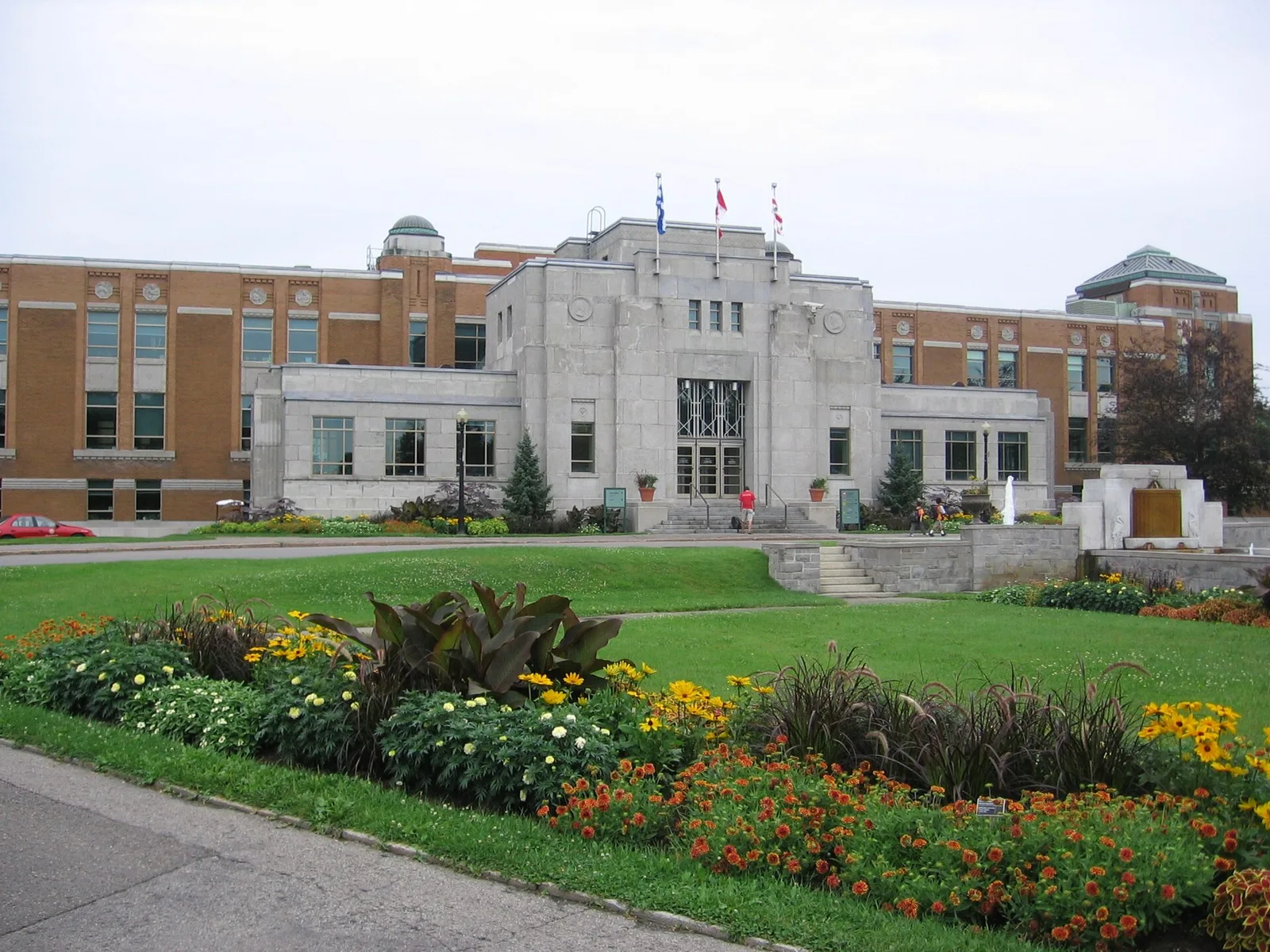
    Jardin botanique de Montréal

    Stroll through peaceful Chinese, Japanese, and First Nations thematic gardens.

    Jardin botanique de Montréal is one of the city’s best places for a calm, plant-filled break, with a mix of themed gardens, landscaped paths, and seasonal displays that change the experience through the year. It is worth visiting if you enjoy gardens, photography, or simply want a quieter counterpoint to Montreal’s busier streets, though it is at its best when you give it time rather than treating it like a checkbox stop.

    Montreal Botanical Garden
    Photo: GarrettRock at English Wikipedia · CC BY-SA 3.0
  2. 45 min

    Transit & Rest

  3. 1 hour

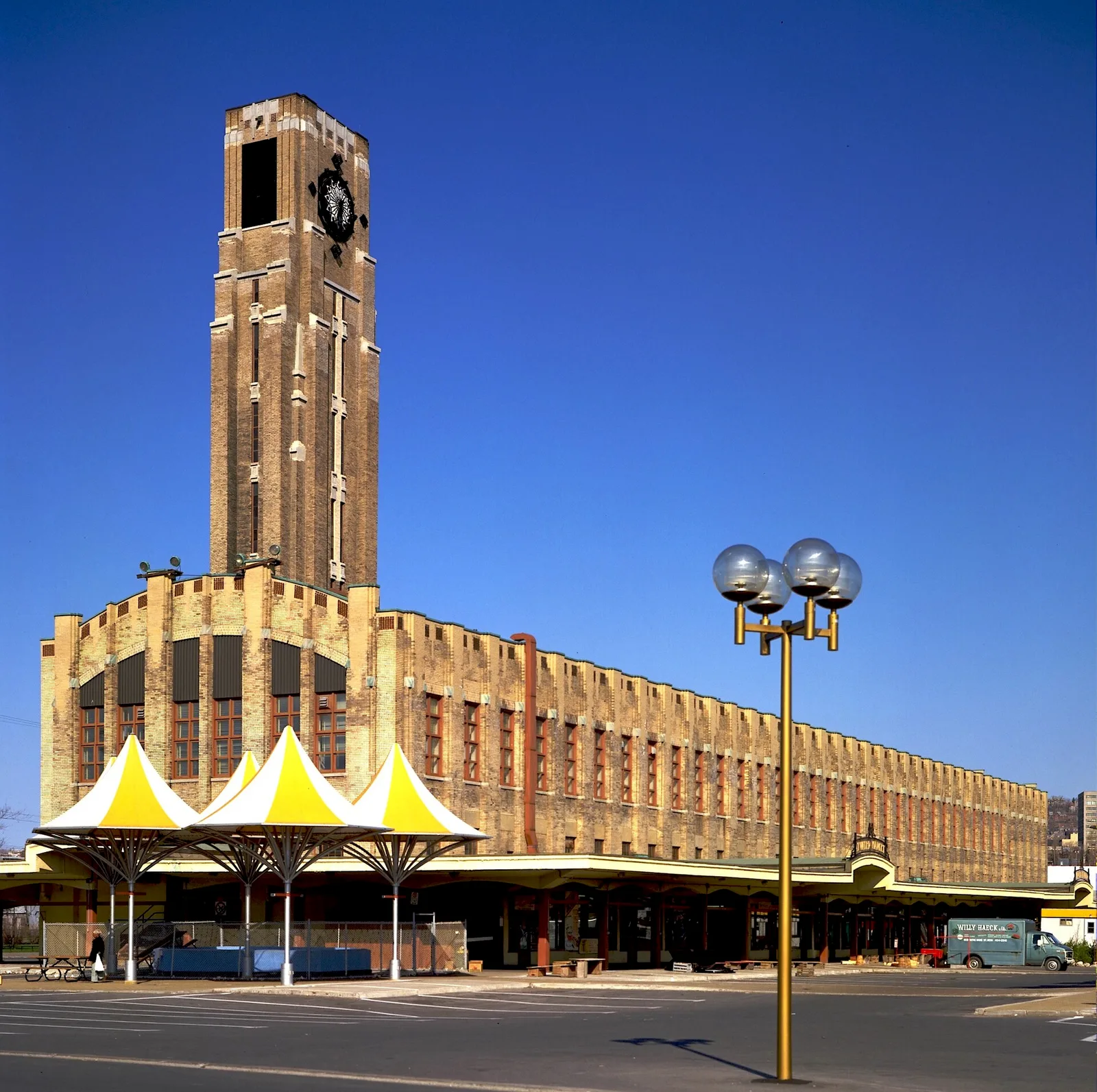
    Marché Atwater

    Browse gourmet food stalls, fresh spring blooms, and local artisan products.

    Marché Atwater feels both practical and pleasant: a market for picking up quality ingredients, but also a place to linger over bakeries, cheese counters, and casual bites. It is especially appealing if you enjoy local food culture and want a stop that is useful as well as enjoyable. Expect a busy, everyday market atmosphere rather than a polished tourist attraction.

    Atwater Market
    Photo: Colin Rose from Montreal, Canada · CC BY-SA 2.0
  4. 1 hour

    Lunch Break at Atwater Market

  5. 1 hour 30 min

    Lachine Canal National Historic Site

    Walk along the scenic industrial-era waterway frequented by cycling and strolling locals.

    Lachine Canal National Historic Site is a long, linear historic landscape rather than a single stop, with old industrial buildings, bridges, locks, and waterfront paths that give you a strong sense of how the city grew around the canal. It is especially worth visiting if you want an easy, atmospheric place to walk or bike, with stretches that feel calm and local even though you are close to downtown. Expect a mix of heritage scenery and everyday recreation, not a polished museum experience.

  6. 1 hour

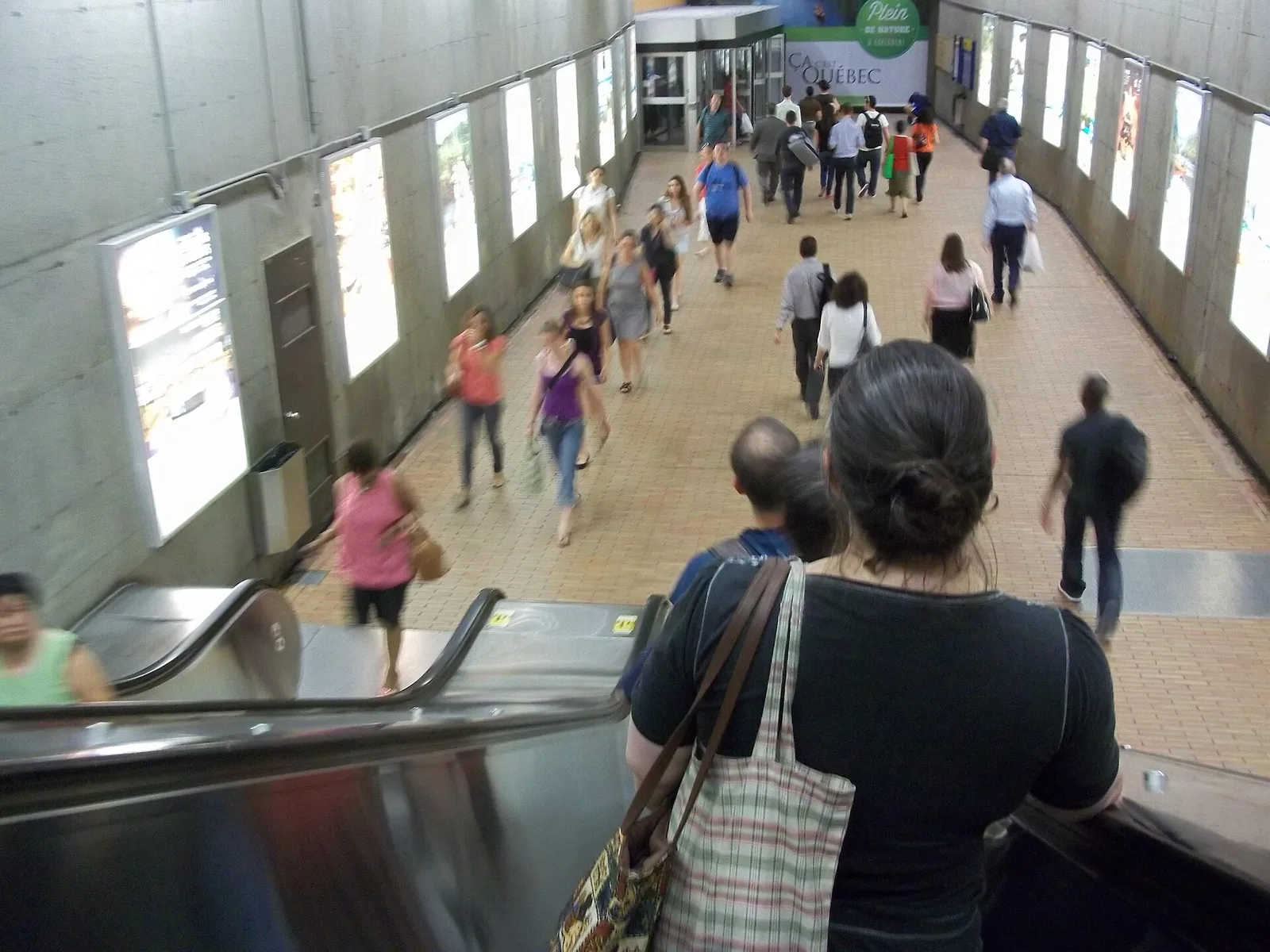
    Montréal Underground City

    Explore Montreal's famous interconnected subterranean pedestrian walkway system.

    Montréal Underground City is less a single mall than a connected web of stores, food courts, transit links, and indoor walkways beneath downtown Montreal. It is especially useful in winter or on rainy days, and it can be a practical way to move around while picking up meals, browsing retail, or staying out of the cold. Don’t expect a polished single destination with one clear focal point; it’s most valuable as a convenient urban shortcut and a backup plan for bad weather.

    Montreal Underground City
    Photo: Jeangagnon · CC BY-SA 3.0
  7. 1 hour 15 min

    Pre-Dinner Downtime

  8. 1 hour 30 min

    Dinner Break in Griffintown

Itinerary decisions

What makes the cut, what can wait, and what is less worth it.

Essential

  • Old Montreal with one well-chosen interior
  • The Mount Royal view when weather cooperates
  • One market and one unhurried neighborhood walk

Optional

  • The fine-arts museum based on your interests
  • The Underground City in rain or cold
  • A longer Lachine Canal stretch

Not prioritized

  • Crossing town for a single photo
  • Turning every neighborhood into a shopping checklist
  • Trying to cover every museum gallery

Before you use this plan

  • Confirm current hours and ticket requirements for the basilica and museums.
  • The gardens, Mount Royal and the canal are strongly affected by weather and season.
  • This is a public example; Dayworthy adapts it to your dates, pace, hotel and interests inside the app.

Dayworthy

Turn this example into your trip.

Dayworthy adapts the itinerary to your dates, pace, hotel, interests, and saved places.