Dayworthy itinerary

A realistic 5-day Mexico City itinerary for first-time visitors

Mexico City is enormous, generous, layered, and very easy to overpack. This five-day plan protects the historic center, Chapultepec, Teotihuacán, Coyoacán, San Ángel, Roma, and Condesa without pretending every museum, market, and taco stop can fit into one heroic sprint.

Destination
Mexico City, Mexico
Length
5 days
Pace
balanced
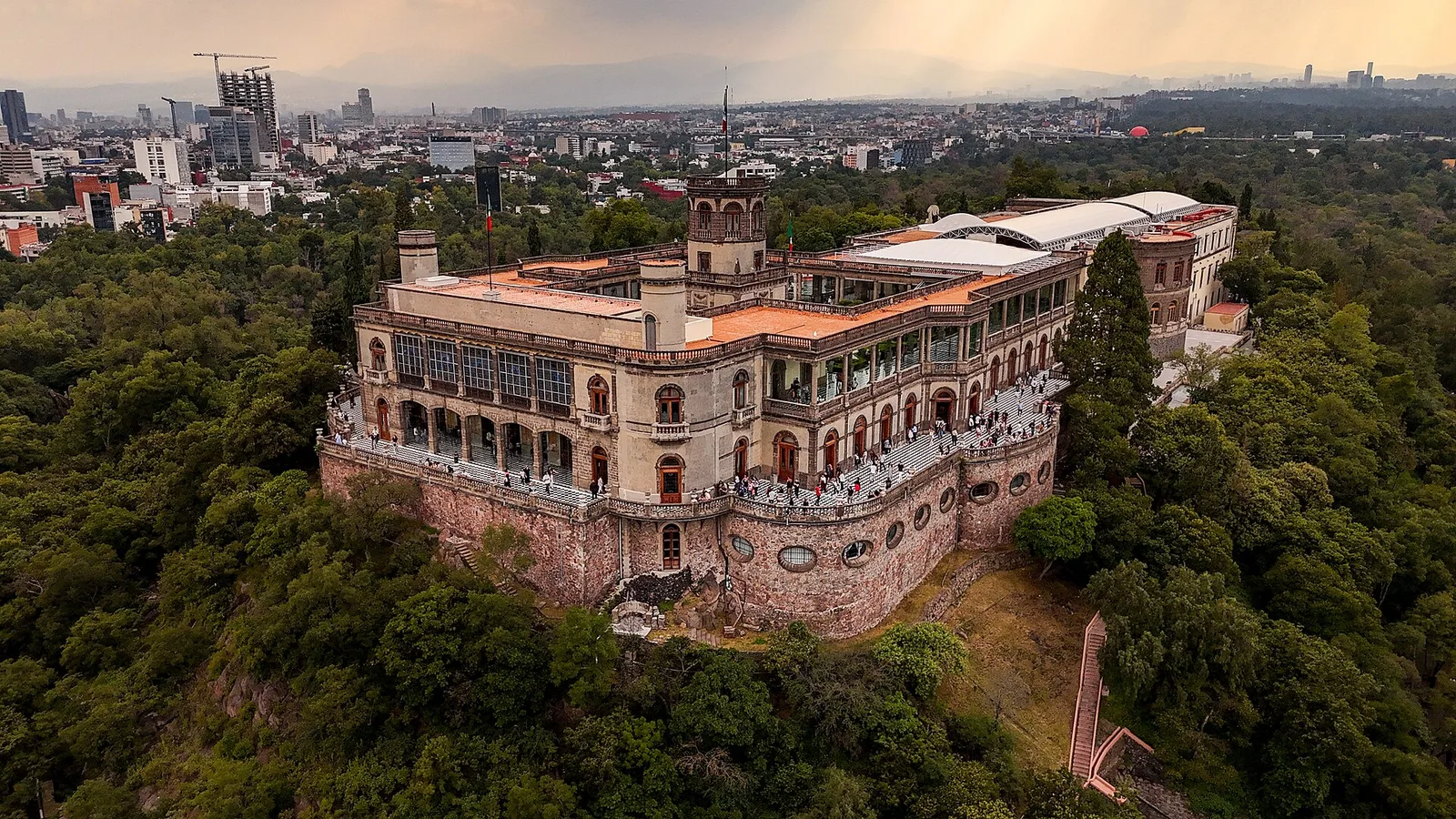
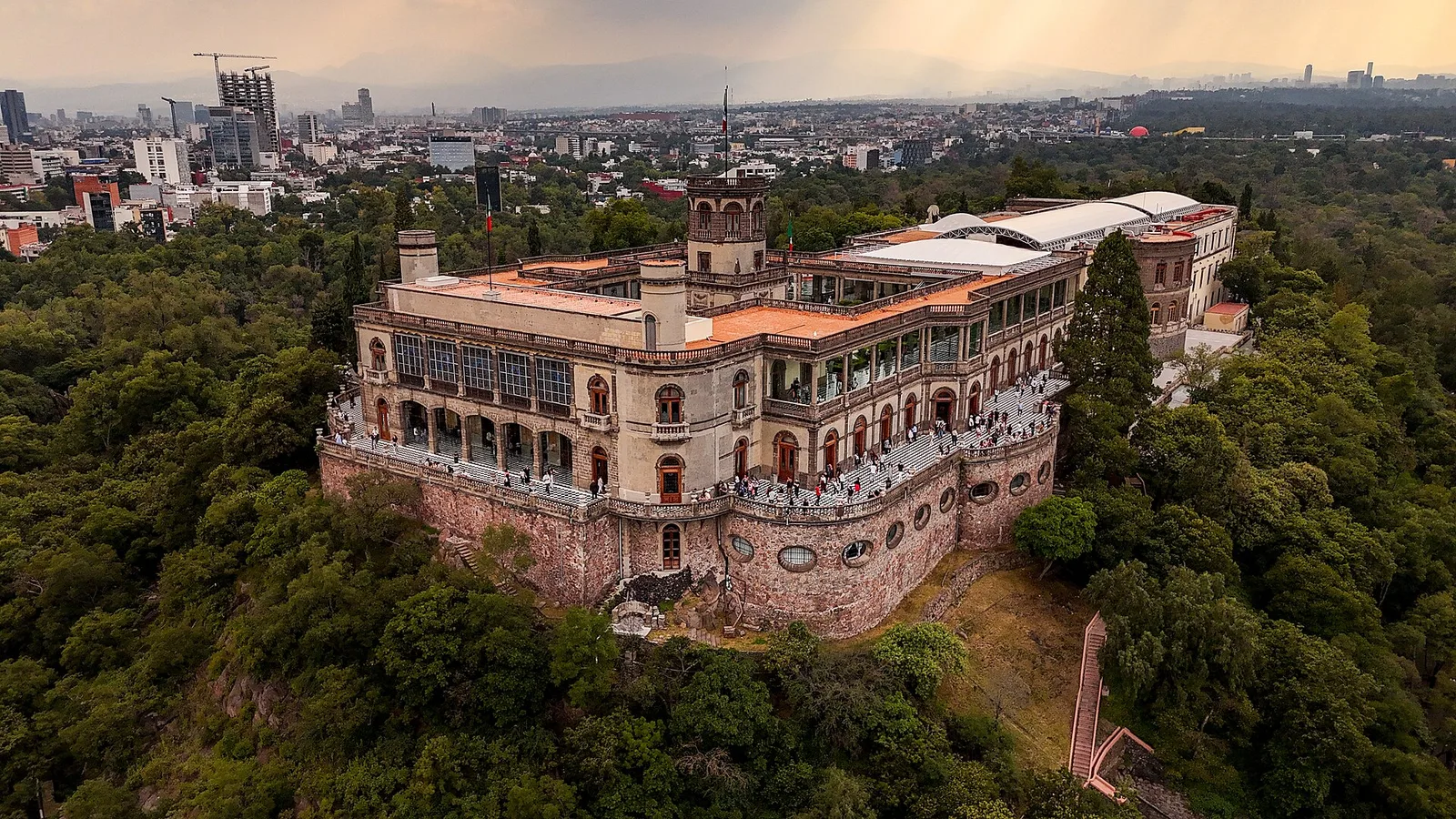
Chapultepec Castle, used as the hero image for a 5-day Mexico City itinerary
Credit: Own work, via Wikimedia Commons (CC BY-SA 4.0) · CC BY-SA 4.0

Day-by-day plan

A paced plan, not an endless list.

Day1

The Zócalo, cathedral, Templo Mayor, Bellas Artes, and a Centro Histórico landing

Start where the city’s pre-Hispanic, colonial, and modern civic layers are stacked most visibly. This day stays in the historic center so the first impression is big, coherent, and walkable.

  1. 45 min

    Zócalo / Plaza de la Constitución

    Begin in the city’s vast civic plaza while the morning is still manageable.

    The Zócalo is the right first stop because Mexico City’s scale and history announce themselves immediately here. The plaza sits beside the cathedral, National Palace, and Templo Mayor area, making it one of the clearest places to feel how the city’s Mexica, colonial, and modern layers overlap.

  2. 1 hour

    Mexico City Metropolitan Cathedral

    Step inside the city’s monumental cathedral beside the Zócalo.

    The Metropolitan Cathedral is an active church and an architectural anchor, not just a pretty building beside the plaza. Its scale, chapels, and long construction history make it a powerful way to understand the colonial city that was built over the Mexica capital.
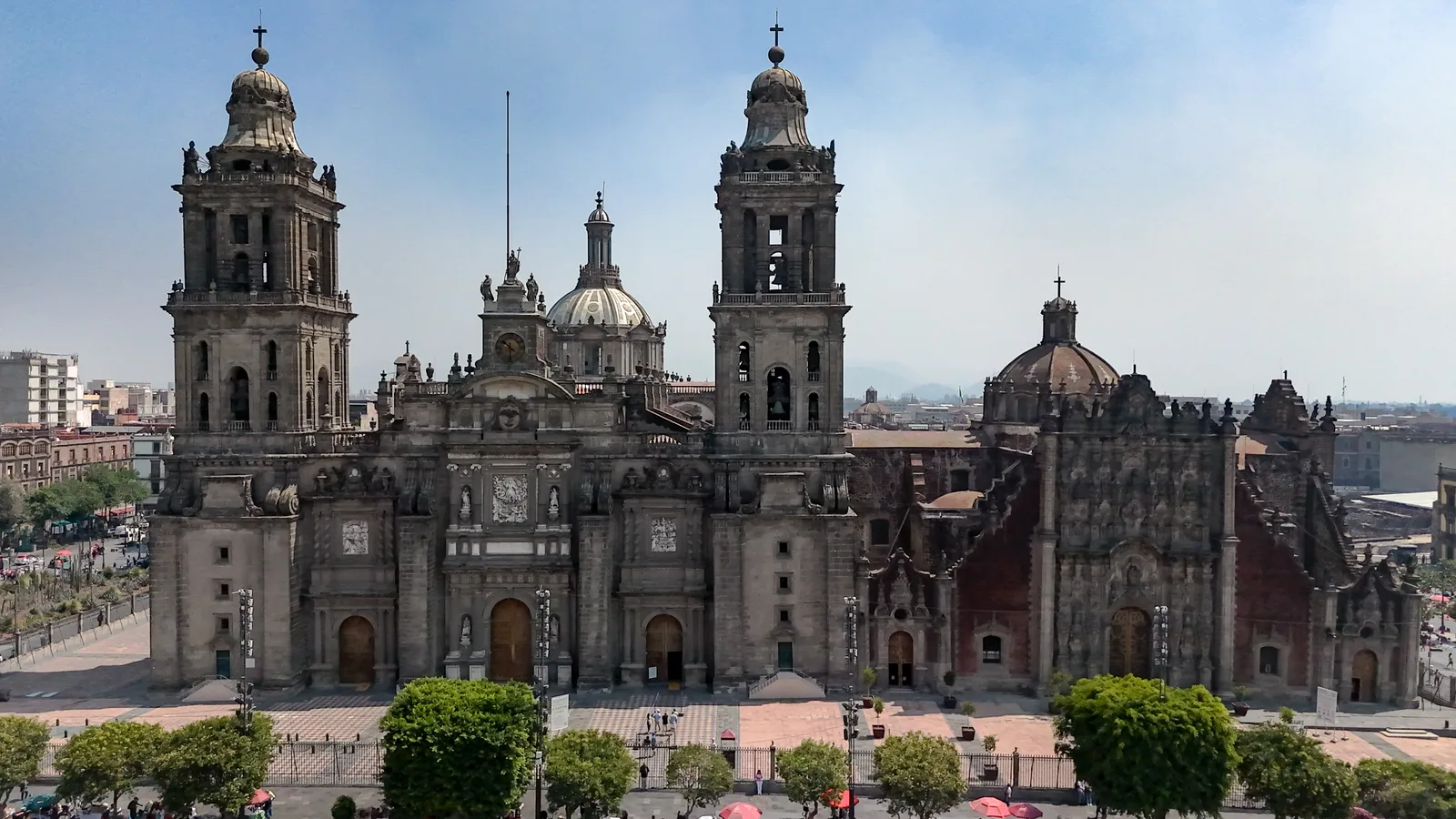
    Mexico City Metropolitan Cathedral beside the Zócalo
    Credit: ProtoplasmaKid, via Wikimedia Commons (CC BY-SA 4.0) · CC BY-SA 4.0
  3. 1 hour 30 min

    Templo Mayor Museum

    Use the museum and ruins to give the historic center real context.

    Templo Mayor is essential because it changes how you read the whole center. The excavated remains and museum artifacts make Tenochtitlan feel present rather than abstract, and the location beside the cathedral gives the day its strongest historical tension.
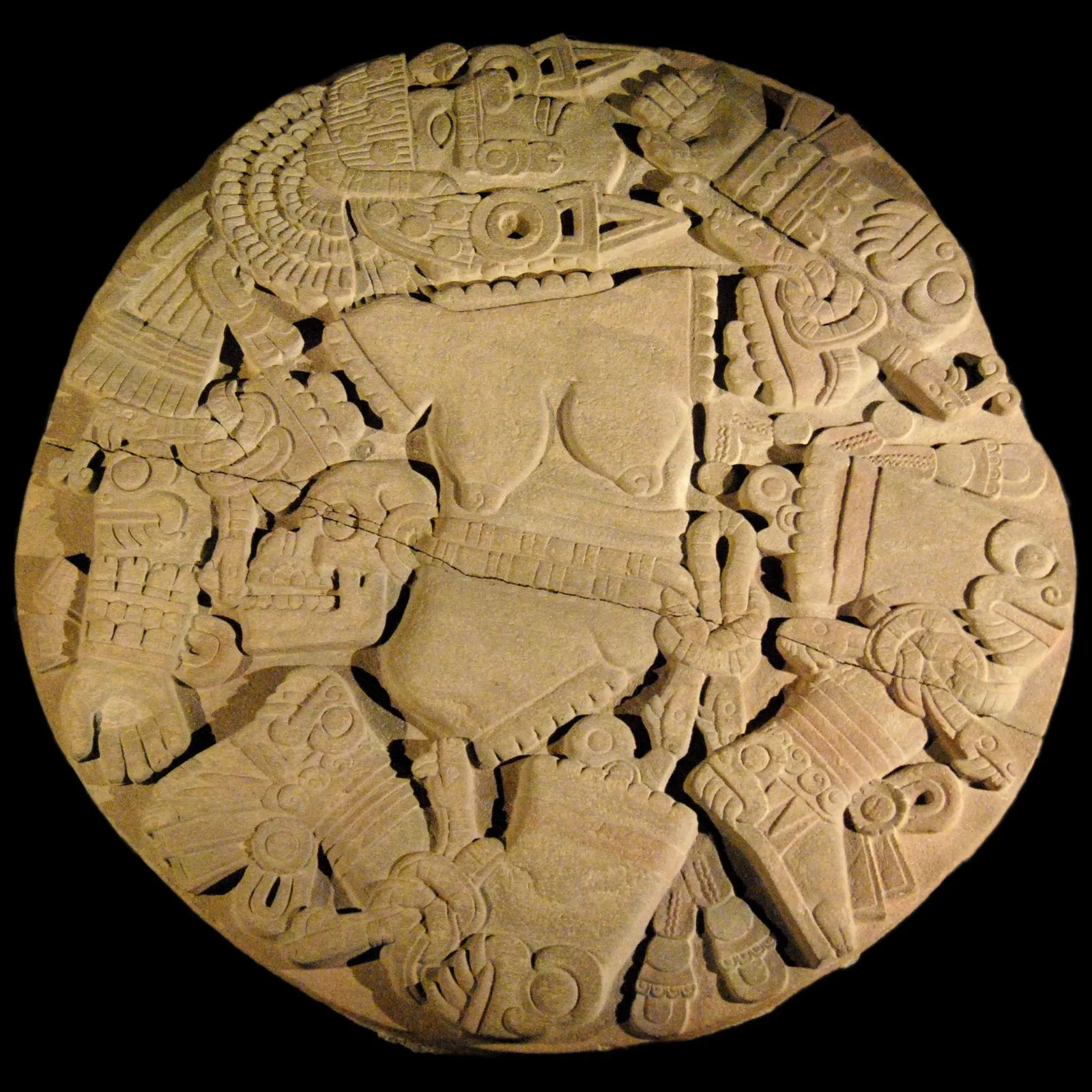
    Templo Mayor Museum and ruins in Mexico City
    Credit: miguelão, via Wikimedia Commons (CC BY-SA 2.0) · CC BY-SA 2.0
  4. 1 hour 30 min

    Lunch in Centro Histórico

    Stay central for lunch. The historic center rewards continuity, and a long cross-town meal would break the day’s rhythm too early.

  5. 1 hour 15 min

    Palacio de Bellas Artes

    Make this the afternoon cultural anchor for architecture and murals.

    Palacio de Bellas Artes is one of Mexico City’s most recognizable buildings, with a dramatic exterior, important murals, and a cultural program that makes it more than a photo stop. It fits naturally after the Zócalo because the walk west keeps you inside the historic center’s main corridor.
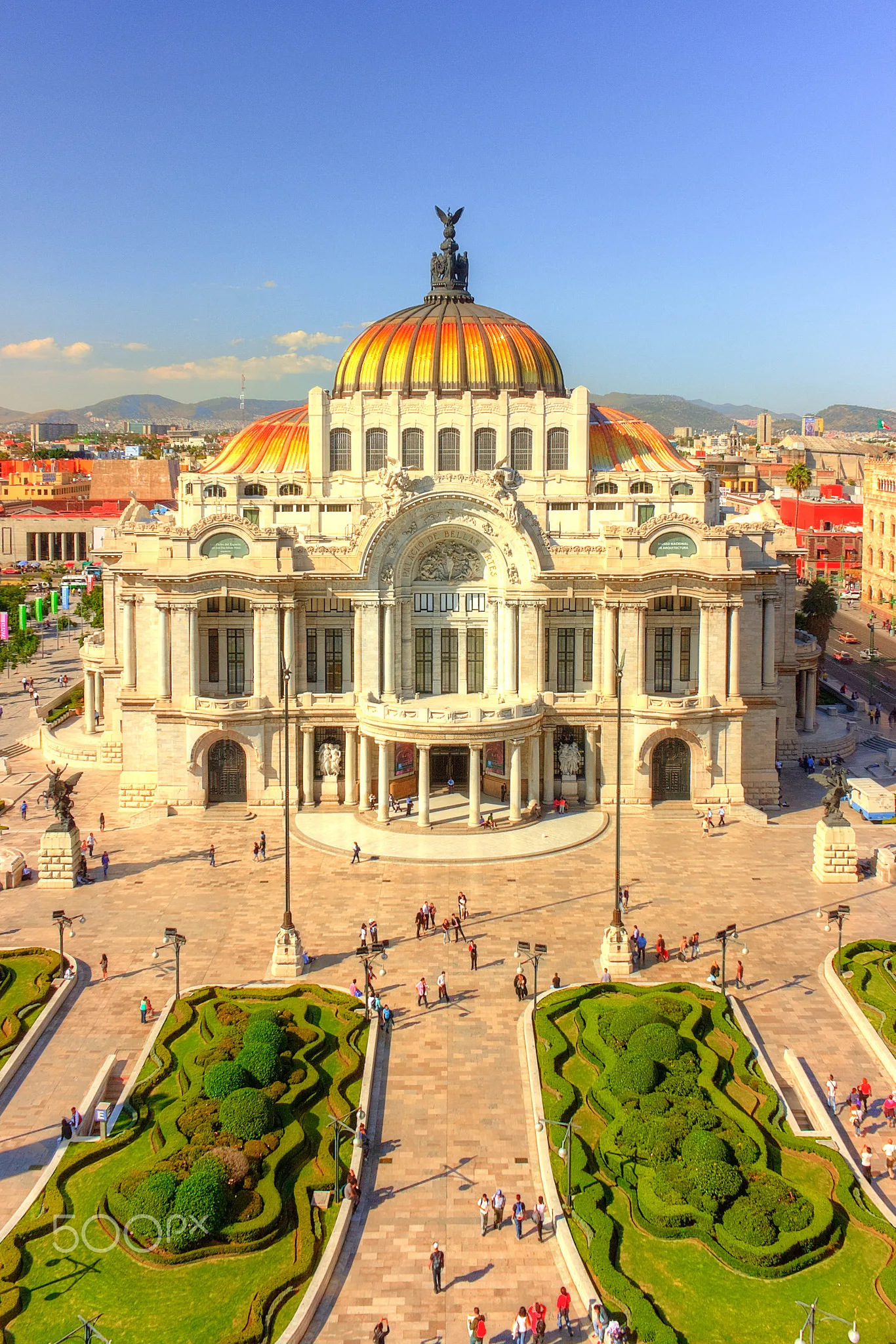
    Palacio de Bellas Artes in Mexico City
    Credit: Octavio Alonso Maya Castro, via Wikimedia Commons (CC BY-SA 3.0) · CC BY-SA 3.0
  6. 1 hour

    Alameda Central

    Use the park as shade, not another museum-like obligation.

    Alameda Central gives the first day some necessary softness: fountains, paths, benches, people-watching, and a little shade after heavy history and architecture. It is not the day’s headline, but it is what keeps the afternoon breathable.
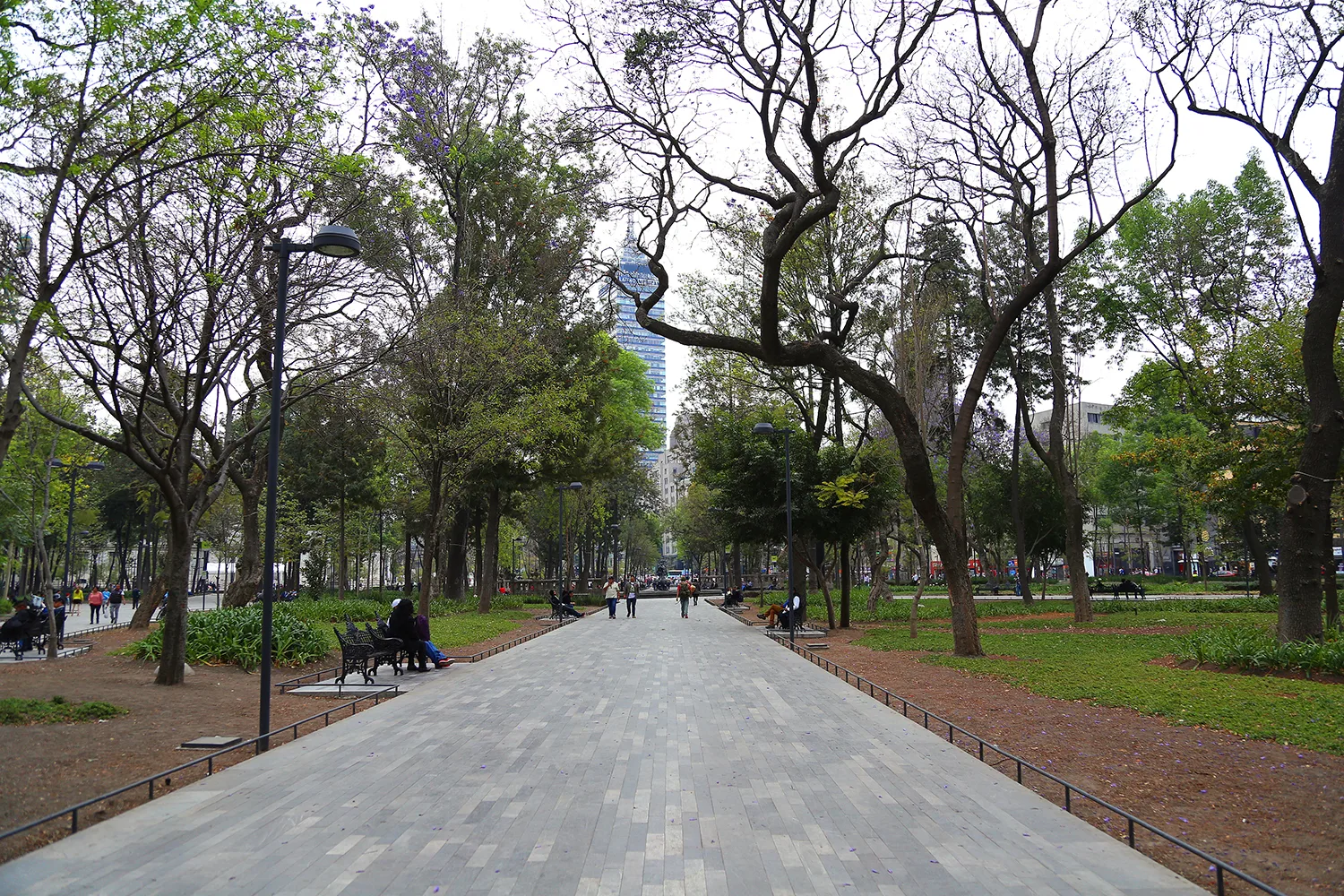
    Alameda Central park in Mexico City
    Credit: Gobierno CDMX, via Wikimedia Commons (CC0) · CC0
  7. 1 hour

    Coffee and churros pause

    Protect this pause. Mexico City’s altitude and walking distances can make the first day feel sneakier than it looks.

  8. 1 hour

    Francisco I. Madero Promenade

    End with an easy pedestrian walk as the center shifts into evening.

    Madero is the historic center in motion: shops, old facades, street energy, churches, cafés, and a steady flow between Bellas Artes and the Zócalo. Treat it as an urban walk rather than a checklist stop.
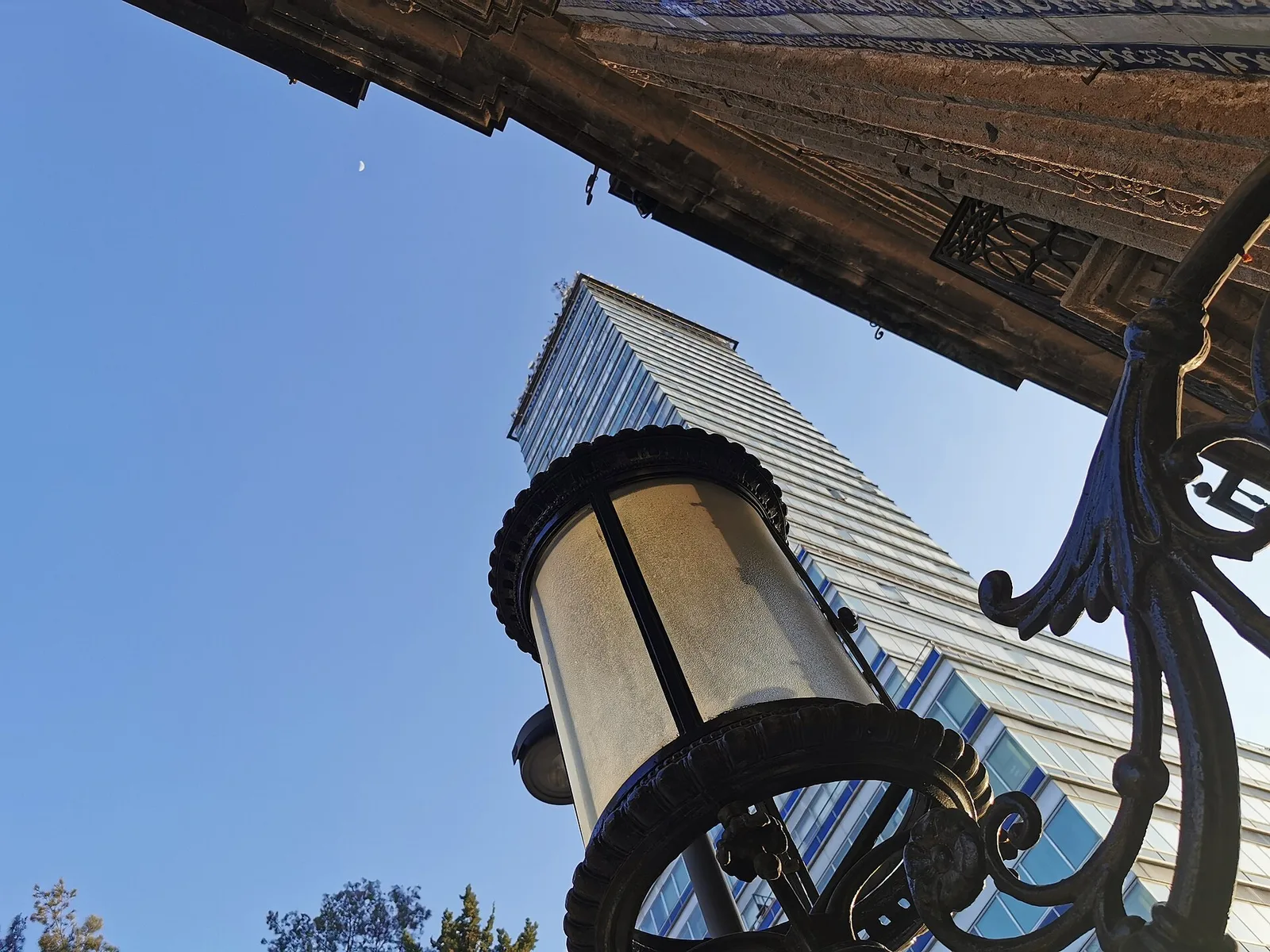
    Francisco I. Madero pedestrian street in Mexico City
    Credit: ProtoplasmaKid, via Wikimedia Commons (CC BY-SA 4.0) · CC BY-SA 4.0
Day2

Anthropology, Chapultepec Castle, and an easy Polanco evening

Give Chapultepec and Polanco their own day. The Anthropology Museum deserves fresh attention, the castle gives context and views, and Polanco provides an easy landing after a museum-heavy morning.

  1. 2 hours 30 min

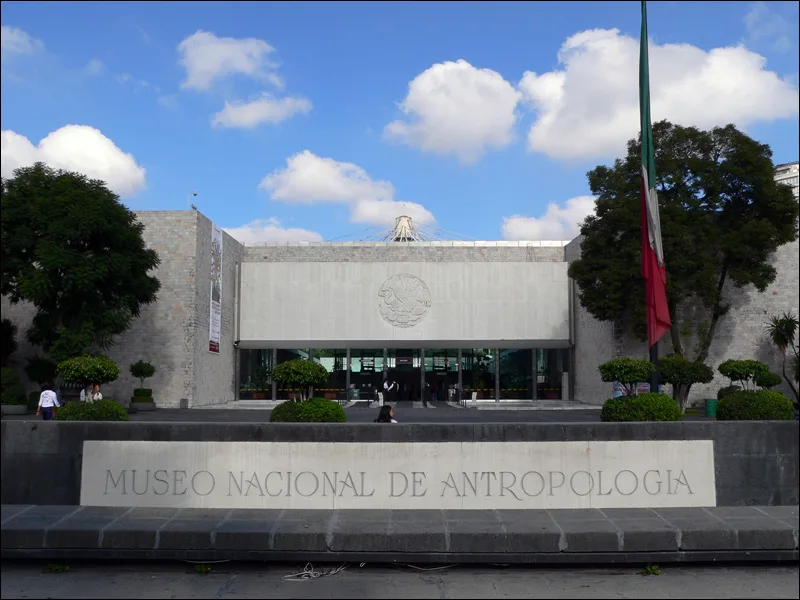
    Museo Nacional de Antropología

    Go early and choose sections intentionally; this museum can swallow a whole day.

    The National Anthropology Museum is one of the strongest museum stops in the Americas. It gives depth to everything else in the itinerary, from Templo Mayor to Teotihuacán, but it is massive. Pick a few galleries carefully rather than trying to absorb every room.

    Museo Nacional de Antropología in Mexico City
    Credit: kornemuz, via Wikimedia Commons (CC BY-SA 3.0) · CC BY-SA 3.0
  2. 1 hour 30 min

    Lunch in Polanco

    Use Polanco for a practical lunch reset before the castle. The day already has plenty of cultural weight.

  3. 2 hours

    Chapultepec Castle

    Expect a hilltop museum visit with some of the city’s best central views.

    Chapultepec Castle works because it combines setting, history, interiors, and skyline views in one stop. The uphill approach is part of the experience, and the rooms help connect imperial, presidential, and national-history threads without requiring another museum across town.

    Chapultepec Castle above Mexico City
    Credit: Own work, via Wikimedia Commons (CC BY-SA 4.0) · CC BY-SA 4.0
  4. 1 hour 30 min

    Avenida Presidente Masaryk

    Use Masaryk and Polanquito for polished strolling, cafés, and dinner options.

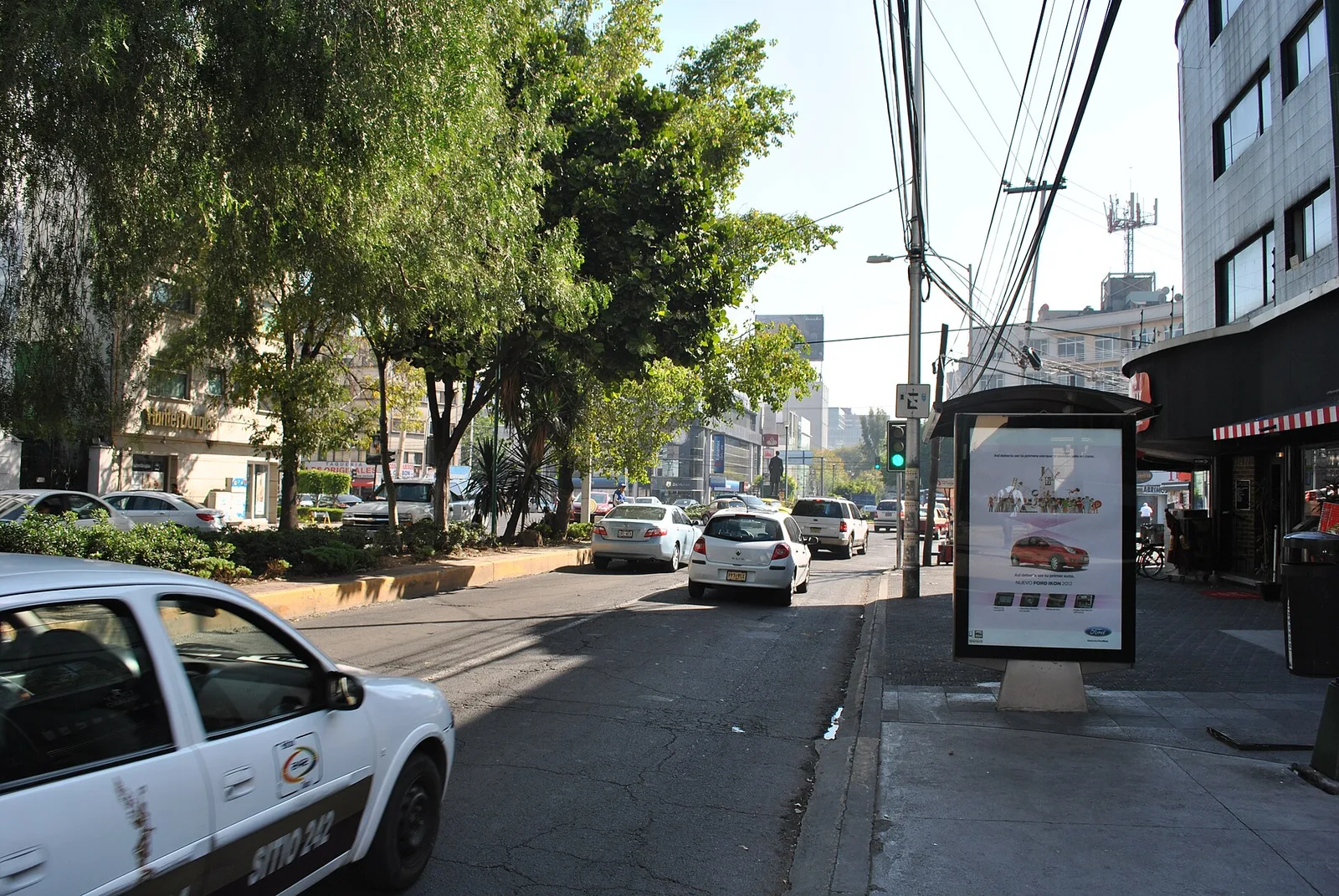
    Masaryk shows a very different Mexico City from the historic center: leafy, upscale, cosmopolitan, and restaurant-heavy. It is not about must-see landmarks; it is about giving the day a lighter, more contemporary finish after Chapultepec.

    Avenida Presidente Masaryk in Polanco, Mexico City
    Credit: ProtoplasmaKid, via Wikimedia Commons (CC BY 2.0) · CC BY 2.0
  5. 2 hours

    Dinner or downtime in Polanco

    End nearby. After Anthropology and Chapultepec Castle, the best evening is one that does not ask for another major transfer.

Day3

Teotihuacán as a dedicated ancient-city day trip

Do not squeeze Teotihuacán between city museums. Give the pyramids, Avenue of the Dead, and travel time their own day so the experience feels expansive instead of rushed.

  1. 8 hours

    Day trip to Teotihuacán

    Start early for cooler weather and enough time on site.

    Teotihuacán is the big outside-the-city anchor: pyramids, broad ceremonial avenues, murals, plazas, and a scale that feels completely different from Centro Histórico. A guide can help the site make more sense, and an early start makes the exposed walking much more manageable.

  2. 2 hours

    Flexible dinner back in Mexico City

    Keep dinner flexible after the return. Traffic and sun exposure can make this day heavier than the schedule suggests.

Day4

Frida Kahlo, Coyoacán, San Ángel, and a slower south-side day

This day moves south for a quieter cultural rhythm: Casa Azul, plazas, lunch in Coyoacán, Diego and Frida’s studio houses, and a gentle San Ángel finish.

  1. 1 hour 30 min

    Frida Kahlo Museum

    Book timed tickets early; Casa Azul is not a spontaneous stop.

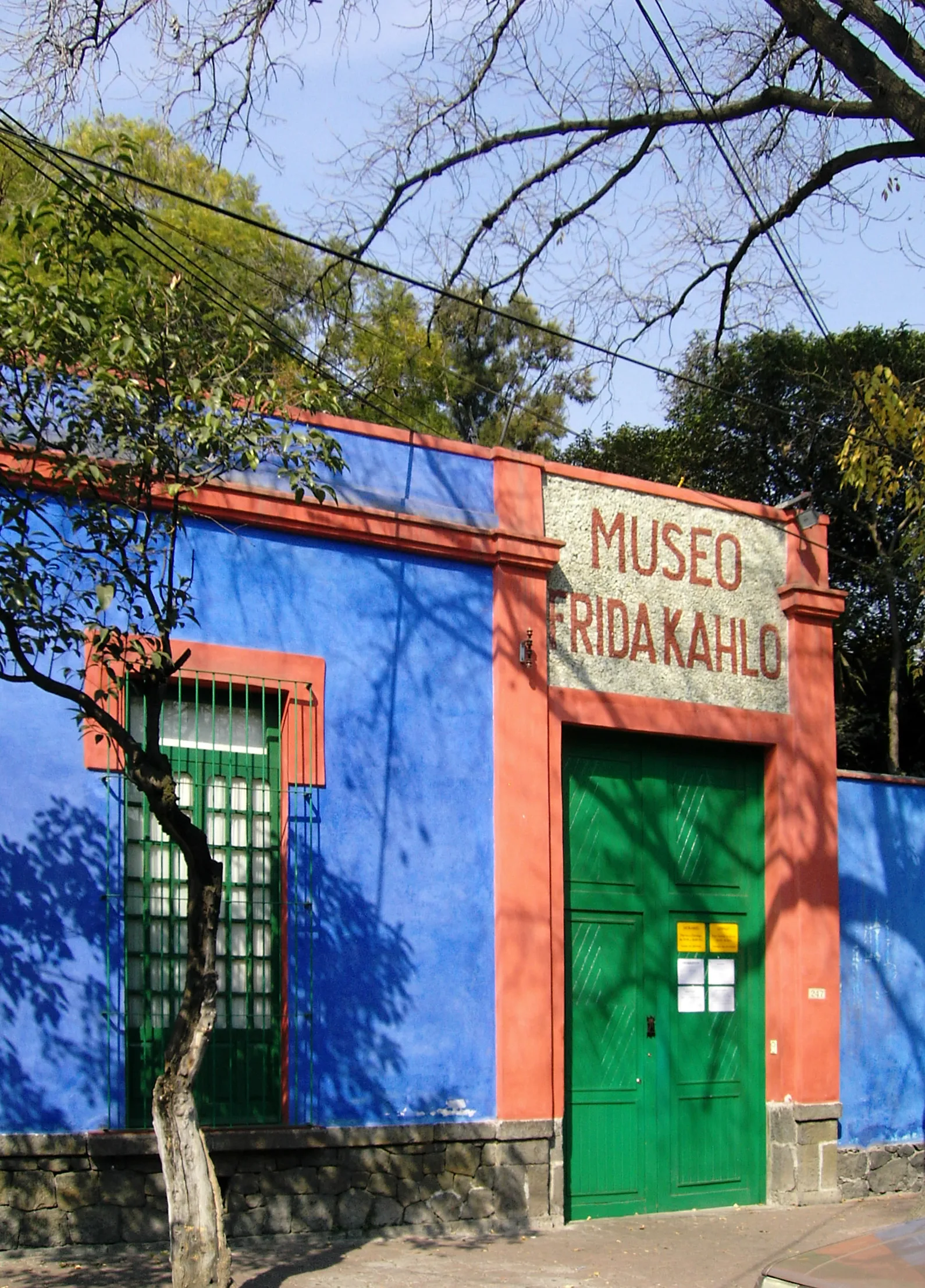
    The Frida Kahlo Museum is powerful because it feels intimate: a home, studio, garden, and personal world rather than a neutral gallery. It is one of the city’s most popular tickets for good reason, but that popularity means planning ahead matters.

    Frida Kahlo Museum, Casa Azul, in Coyoacán
    Credit: No machine-readable author provided. Nachtwächter assumed (based on copyright claims)., via Wikimedia Commons (CC BY-SA 3.0) · CC BY-SA 3.0
  2. 1 hour 30 min

    Plaza Coyoacán

    Let Coyoacán be a neighborhood, not just a museum wrapper.

    Coyoacán is best when you leave room to sit, browse, snack, and wander the streets around Plaza Hidalgo and Jardín Centenario. The atmosphere is leafy and old-school, a softer counterpoint to the scale of the first three days.

    Plaza Coyoacán in Mexico City
    Credit: Nan Palmero from San Antonio, TX, USA, via Wikimedia Commons (CC BY 2.0) · CC BY 2.0
  3. 1 hour 30 min

    Lunch in Coyoacán

    Stay south for lunch. This keeps the day cohesive and avoids turning the afternoon into a traffic puzzle.

  4. 1 hour 15 min

    Museo Casa Estudio Diego Rivera y Frida Kahlo

    Use this as a quieter architecture-and-art-history counterpoint to Casa Azul.

    The studio houses designed by Juan O’Gorman are a compact but revealing stop, especially if you care about architecture and the working lives behind the artists’ public mythology. It is quieter and faster than Casa Azul, which makes it a useful afternoon complement.

  5. 1 hour 15 min

    Plaza de los Arcángeles

    Close with a calm San Ángel wander rather than another big museum.

    Plaza de los Arcángeles and the surrounding San Ángel streets give the day a softer close: old houses, small plazas, courtyards, and a slower rhythm than the central neighborhoods. It is a mood stop, and that is exactly why it belongs near the end.

    Plaza de los Arcángeles in San Ángel, Mexico City
    Credit: José Luiz, via Wikimedia Commons (CC BY-SA 4.0) · CC BY-SA 4.0
  6. 2 hours

    Tea, coffee, or dinner in San Ángel

    Keep the evening gentle. After the south-side transfer, staying nearby often feels better than racing back north for one more famous meal.

Day5

Condesa, Roma Norte, design browsing, MODO, and one last neighborhood evening

End with the neighborhoods many visitors wish they had more time for. Condesa and Roma work best as a slow final day: parks, architecture, lunch, small museums, cafés, and dinner without a rigid checklist.

  1. 1 hour 30 min

    Parque México

    Start with a shaded Condesa walk instead of another early museum.

    Parque México is one of the easiest places to feel Condesa’s rhythm: dog walkers, Art Deco edges, leafy paths, benches, cafés nearby, and a slower morning tempo. It is a neighborhood anchor, not a box to check.

    Parque México in Condesa, Mexico City
    Credit: Lorena Chavira Alvarez, via Wikimedia Commons (CC BY-SA 3.0) · CC BY-SA 3.0
  2. 1 hour 30 min

    Roma Norte design and bazaar browsing

    Browse without over-scheduling; Roma rewards loose wandering.

    Roma Norte is best used as a final-day wander: design shops, galleries, restored mansions, cafés, bookstores, and corners that feel more lived-in than landmark-driven. Give yourself permission not to optimize it.

    Roma Norte street and bazaar browsing in Mexico City
    Credit: Brett Hodnett, via Wikimedia Commons (CC BY-SA 2.0) · CC BY-SA 2.0
  3. 1 hour 30 min

    Lunch in Roma Norte

    Make lunch part of the neighborhood day. Roma has enough options that the best choice is usually the one that keeps the afternoon easy.

  4. 1 hour 15 min

    MODO Museo del Objeto

    A compact, offbeat museum that fits Roma’s design-minded mood.

    MODO is small, quirky, and useful on a final day because it gives structure without swallowing the afternoon. The exhibitions around everyday objects, design, advertising, and cultural ephemera feel at home in Roma’s creative context.

    MODO Museo del Objeto in Roma Norte
    Credit: Armando Castillejos acastillejos, via Wikimedia Commons (CC0) · CC0
  5. 1 hour

    Coffee and cake break

    Leave room for a final café pause. Mexico City often feels best when the schedule gets a little softer.

  6. 1 hour 15 min

    Avenida Álvaro Obregón

    Use the central median and surrounding streets for an easy last walk.

    Álvaro Obregón is a natural final stroll in Roma: a broad avenue with trees, sculptures, restaurants, bars, and side streets that make dinner decisions easy. It gives the trip a relaxed city-life ending rather than one more monumental stop.

    Avenida Álvaro Obregón in Roma Norte, Mexico City
    Credit: Tbhotch, via Wikimedia Commons (CC BY-SA 4.0) · CC BY-SA 4.0
  7. 2 hours

    Farewell dinner in Roma or Condesa

    End near where you already are. The last night should feel celebratory, not like a final traffic experiment.

Itinerary decisions

What makes the cut, what can wait, and what is less worth it.

Essential

  • Keep the Zócalo, cathedral, Templo Mayor, Bellas Artes, and Alameda together so the historic center has a coherent first day.
  • Give the Anthropology Museum and Chapultepec Castle enough room instead of treating them as quick stops.
  • Dedicate a full day to Teotihuacán because the site, travel time, sun, and scale deserve it.

Optional

  • Shorten Polanco if you prefer more time in Chapultepec Park.
  • Swap the Diego Rivera and Frida Kahlo studio houses for more Coyoacán wandering if the south-side day needs to stay looser.
  • Use day five as a flexible buffer if rain, museum closures, or altitude slowed one of the earlier days.

Not prioritized

  • Trying to include Xochimilco, UNAM, every major food market, and every famous museum in the same five-day first visit.
  • Crossing the city repeatedly during peak traffic for isolated restaurants.
  • Treating Mexico City like a checklist instead of a set of neighborhoods with different rhythms.

Before you use this plan

  • Mexico City altitude, traffic, demonstrations, rain, air quality, ticket rules, and museum closures can change the day quickly.
  • Book Frida Kahlo Museum tickets in advance, and confirm Teotihuacán transport or tour details before the day trip.
  • Use normal big-city awareness in crowded streets, transit, markets, and nightlife areas.
  • This public guide is a realistic example. Dayworthy can adapt the route to hotel location, dates, restaurant priorities, mobility, museum tolerance, and weather.

Dayworthy

Turn this example into your trip.

Dayworthy adapts the itinerary to your dates, pace, hotel, interests, and saved places.