Dayworthy itinerary

A realistic 4-day Santiago itinerary for first-time visitors

Santiago rewards a plan that balances civic history, neighborhoods, viewpoints, and one coastal escape. This four-day route keeps the center walkable, gives Valparaíso its own day, and saves the final day for markets, design streets, and a softer park finish.

Destination
Santiago, Chile
Length
4 days
Pace
balanced
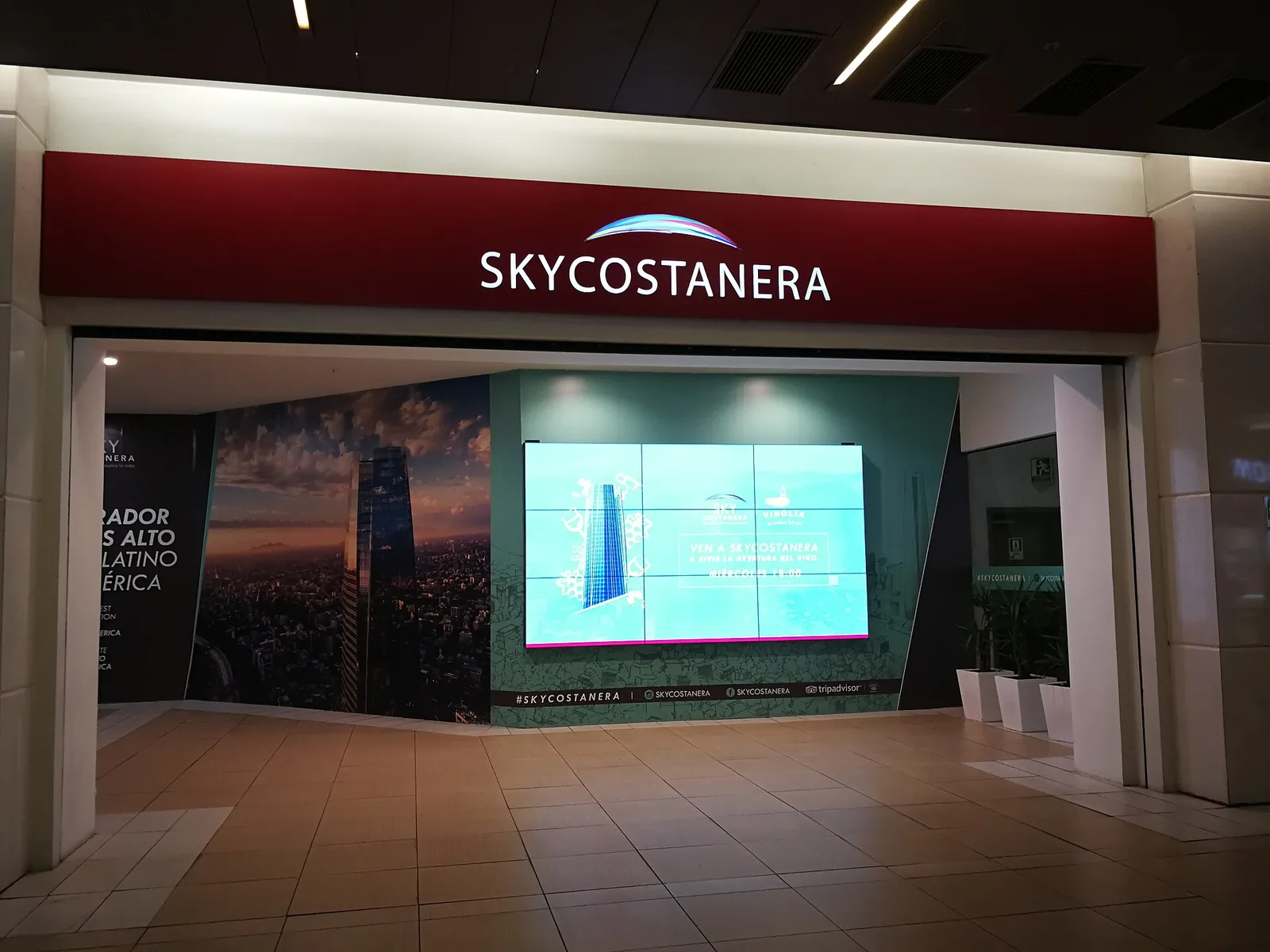
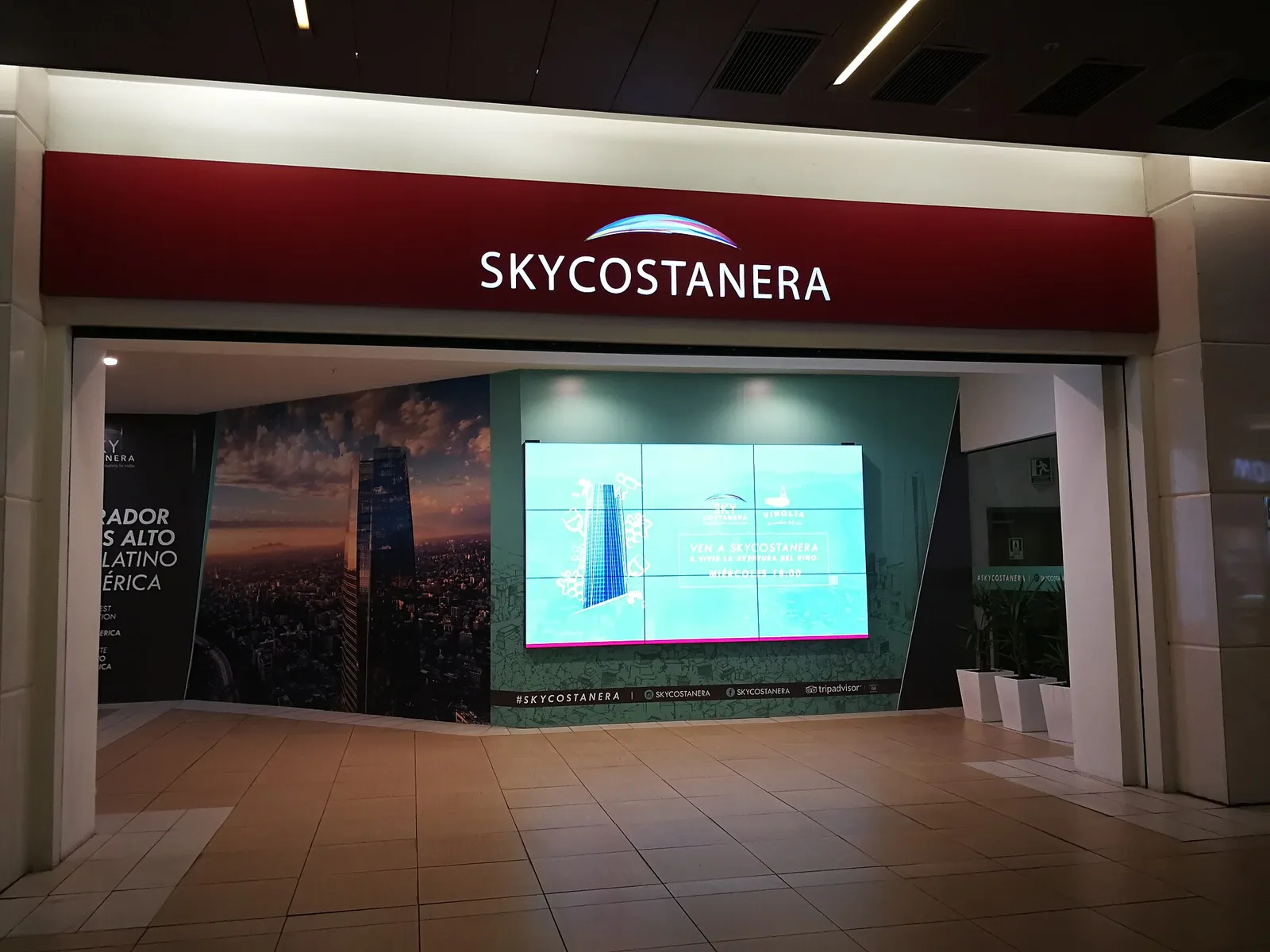
Sky Costanera in Santiago, used as the hero image for a 4-day Santiago itinerary
Credit: Warko, via Wikimedia Commons (CC BY-SA 4.0) · CC BY-SA 4.0

Day-by-day plan

A paced plan, not an endless list.

Day1

Historic Santiago, Santa Lucía, and a Lastarria landing

Start with the city’s civic core, then move through the pedestrian center toward La Moneda, Santa Lucía Hill, and Lastarria. It is the right first-day mix: history, street life, a manageable viewpoint, and a neighborhood dinner without crossing the whole city.

  1. 45 min

    Plaza de Armas de Santiago

    Begin in the old civic heart while the day is still fresh.

    Plaza de Armas is Santiago at its most layered: colonial-era urban planning, civic buildings, street life, and the everyday churn of the center all in one square. It is not a quiet park, and that is the point. Use it to orient yourself before moving into the cathedral and pedestrian streets nearby.
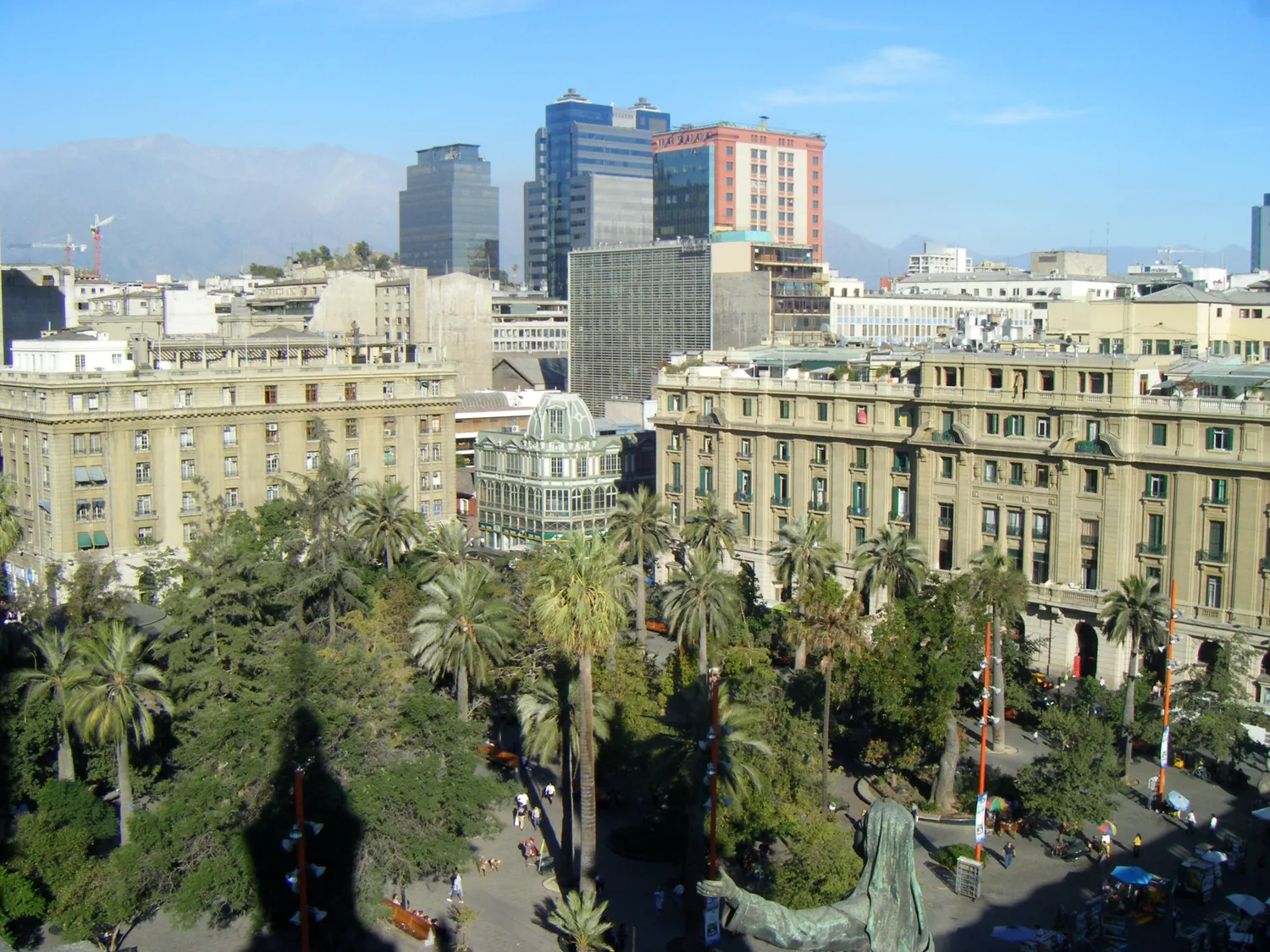
    Plaza de Armas in central Santiago
    Credit: Apincheira, via Wikimedia Commons (CC BY-SA 3.0) · CC BY-SA 3.0
  2. 45 min

    Metropolitan Cathedral of Santiago

    A solemn interior right on the plaza.

    The Metropolitan Cathedral is worth a focused stop because it adds quiet and scale to a very active square. Go for the neoclassical architecture, ornate interior, and sense of continuity rather than expecting a museum-style visit. Keep the pace respectful and concise.
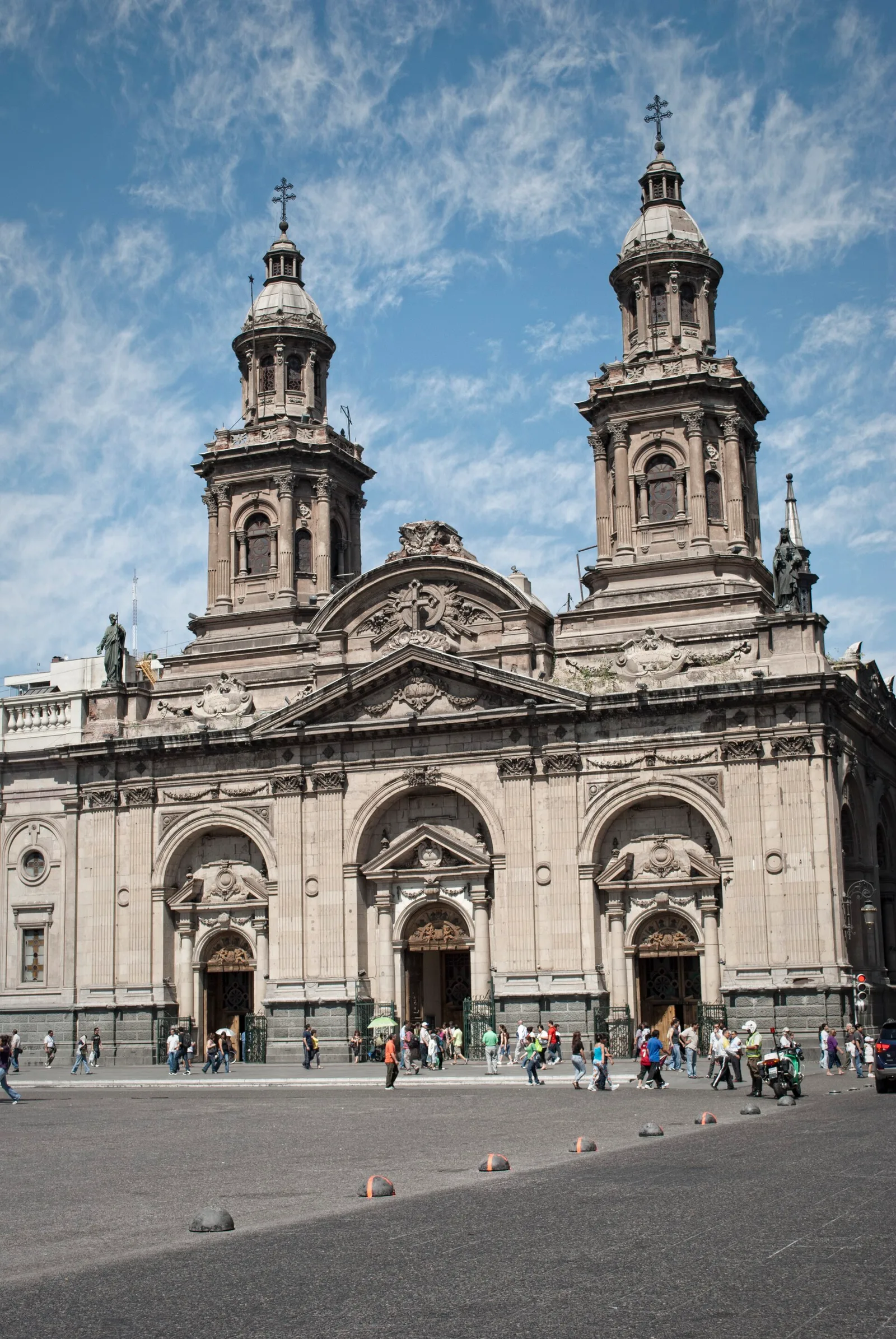
    Interior of the Metropolitan Cathedral of Santiago
    Credit: Cadres.g, via Wikimedia Commons (CC BY-SA 3.0) · CC BY-SA 3.0
  3. 45 min

    Paseo Ahumada

    A practical, busy pedestrian connector through the center.

    Paseo Ahumada is useful because it shows Santiago functioning, not posing: shops, commuters, street energy, and direct movement between central landmarks. Treat it as a short urban walk rather than a scenic attraction.
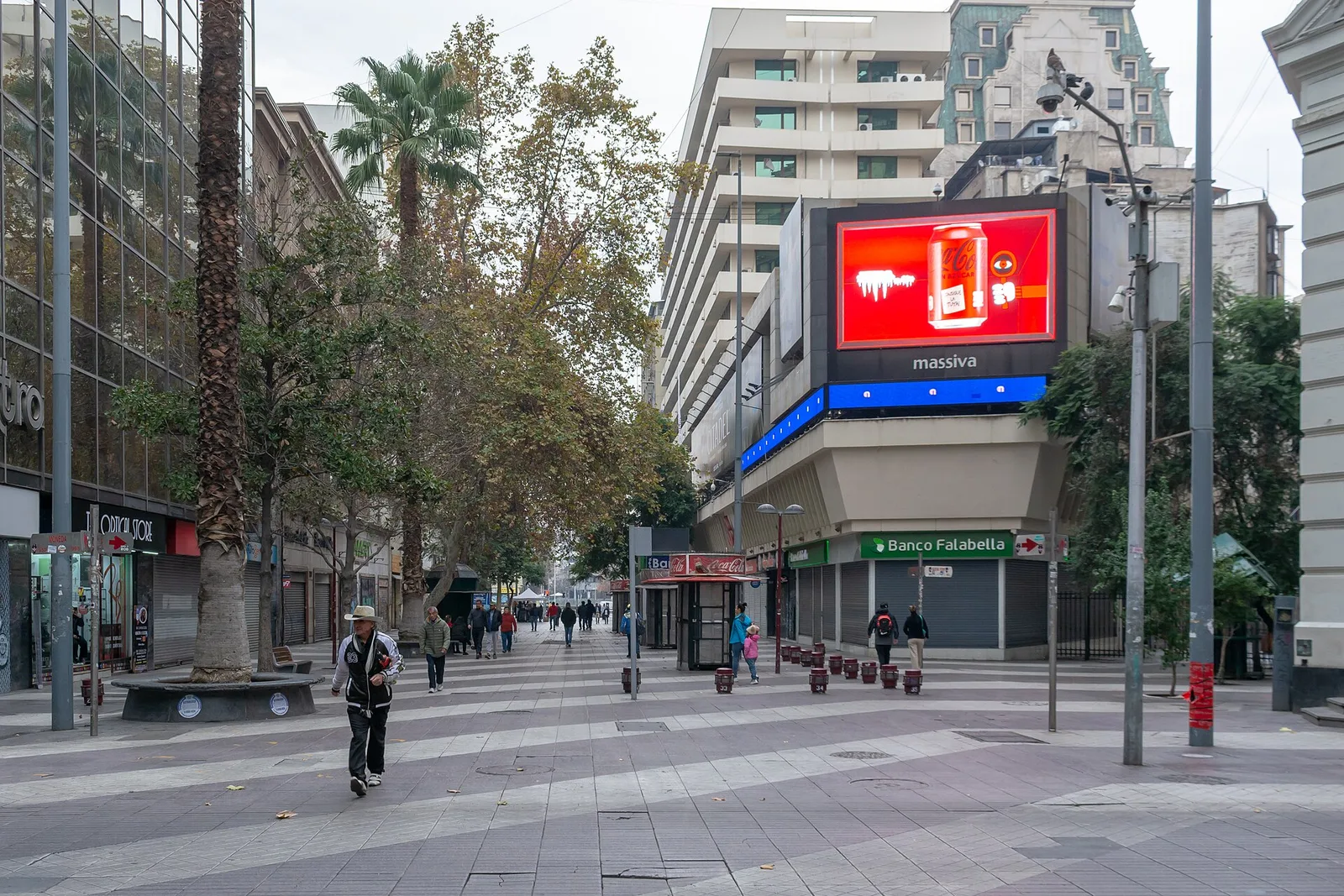
    Paseo Ahumada pedestrian street in Santiago
    Credit: Carlos Figueroa Rojas, via Wikimedia Commons (CC BY-SA 4.0) · CC BY-SA 4.0
  4. 1 hour 15 min

    La Moneda Palace

    Chile’s presidential palace and the main civic landmark of the morning.

    La Moneda is a formal, symbolic stop rather than a leisurely attraction. The building and surrounding Civic District help frame modern Chilean history, and the exterior spaces are easy to fold into a downtown walk. If tours or cultural-center exhibits fit your timing, they can deepen the stop.
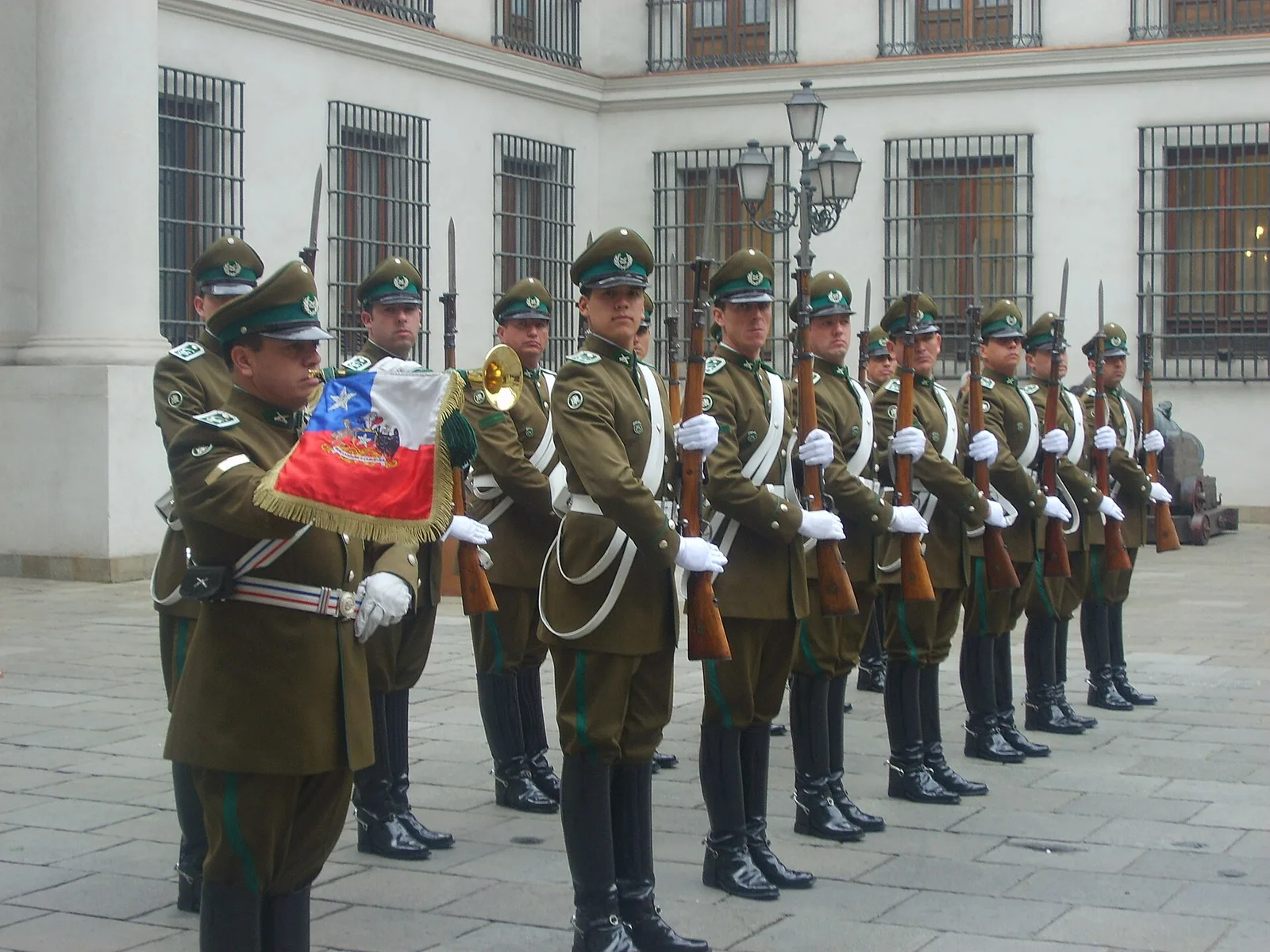
    La Moneda Palace in Santiago
    Credit: Valo, via Wikimedia Commons (Public domain) · Public domain
  5. 1 hour 30 min

    Lunch in the Civic Center

    Stay central for lunch. The first day works because it does not waste energy crossing the city before the afternoon hill and neighborhood walk.

  6. 1 hour 30 min

    Santa Lucía Hill

    A compact city viewpoint with stairs, gardens, and downtown context.

    Santa Lucía Hill is the easiest way to get a little height without making the day athletic. The paths, stairways, fountains, and lookout points give the city a more readable shape. Go slowly if it is hot, and skip the summit push if visibility is poor.
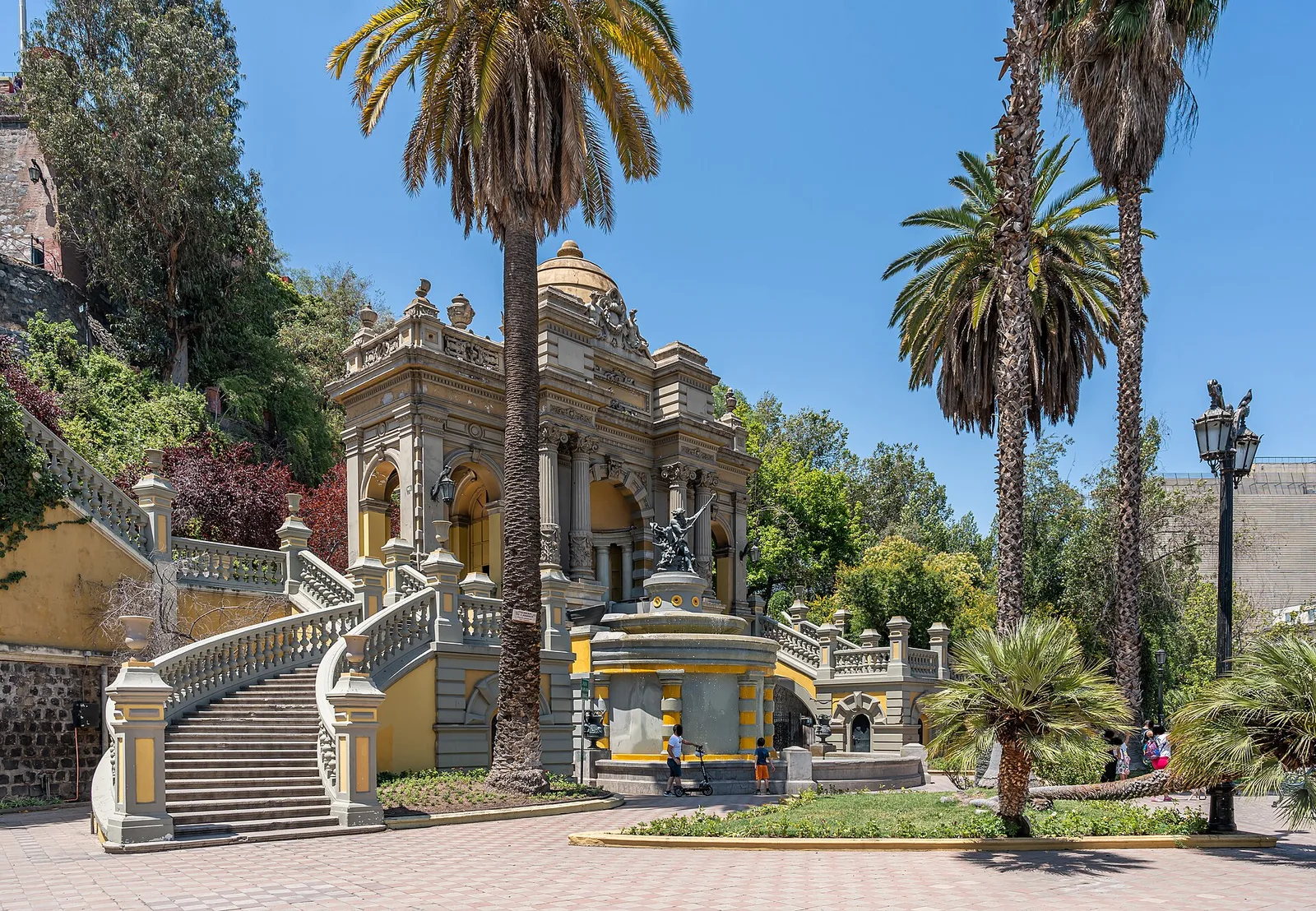
    Santa Lucía Hill in Santiago
    Credit: Rjcastillo, via Wikimedia Commons (CC BY-SA 4.0) · CC BY-SA 4.0
  7. 1 hour 30 min

    Barrio Lastarria

    Use Lastarria for browsing, cafés, galleries, and a softer landing.

    Lastarria is a good first-day neighborhood because it is central but less formal than the Civic District. Wander for bookshops, galleries, patios, and café time. The value is the atmosphere, not a single mandatory stop.

  8. 1 hour

    Coffee and afternoon break

    Protect this pause. It gives the first day room for heat, jet lag, or slow museum-like stops without making dinner feel rushed.

  9. 2 hours

    Dinner in Bellas Artes or Lastarria

    End close to where you already are. Bellas Artes and Lastarria keep the evening atmospheric without adding a late cross-town transfer.
Day2

Valparaíso and Viña del Mar as the coastal contrast

Give the Pacific coast its own day. Valparaíso brings hills, funiculars, murals, and port-city grit; Viña del Mar adds a smoother seaside finish if timing and traffic cooperate.

  1. 10 hours

    Day trip to Valparaíso and Viña del Mar

    Start early and keep the evening flexible for coastal traffic back to Santiago.

    Valparaíso and Viña del Mar work because they show a completely different side of central Chile. Focus Valparaíso on hillside neighborhoods, murals, viewpoints, and a funicular or two; use Viña del Mar as the easier ocean-air counterpoint if you still have energy. This day is about atmosphere and movement, so a driver or organized tour can make the logistics much calmer.

    Panoramic view of Valparaíso and the Pacific coast
    Credit: Paulo JC Nogueira, via Wikimedia Commons (CC BY-SA 3.0) · CC BY-SA 3.0
Day3

Pre-Columbian art, Parque Forestal, Bellavista, San Cristóbal, and Sky Costanera

This is Santiago’s culture-and-view day: one focused museum, a park walk, lunch in Bellavista, Cerro San Cristóbal by funicular, then Sky Costanera if visibility makes the ticket worthwhile.

  1. 1 hour 30 min

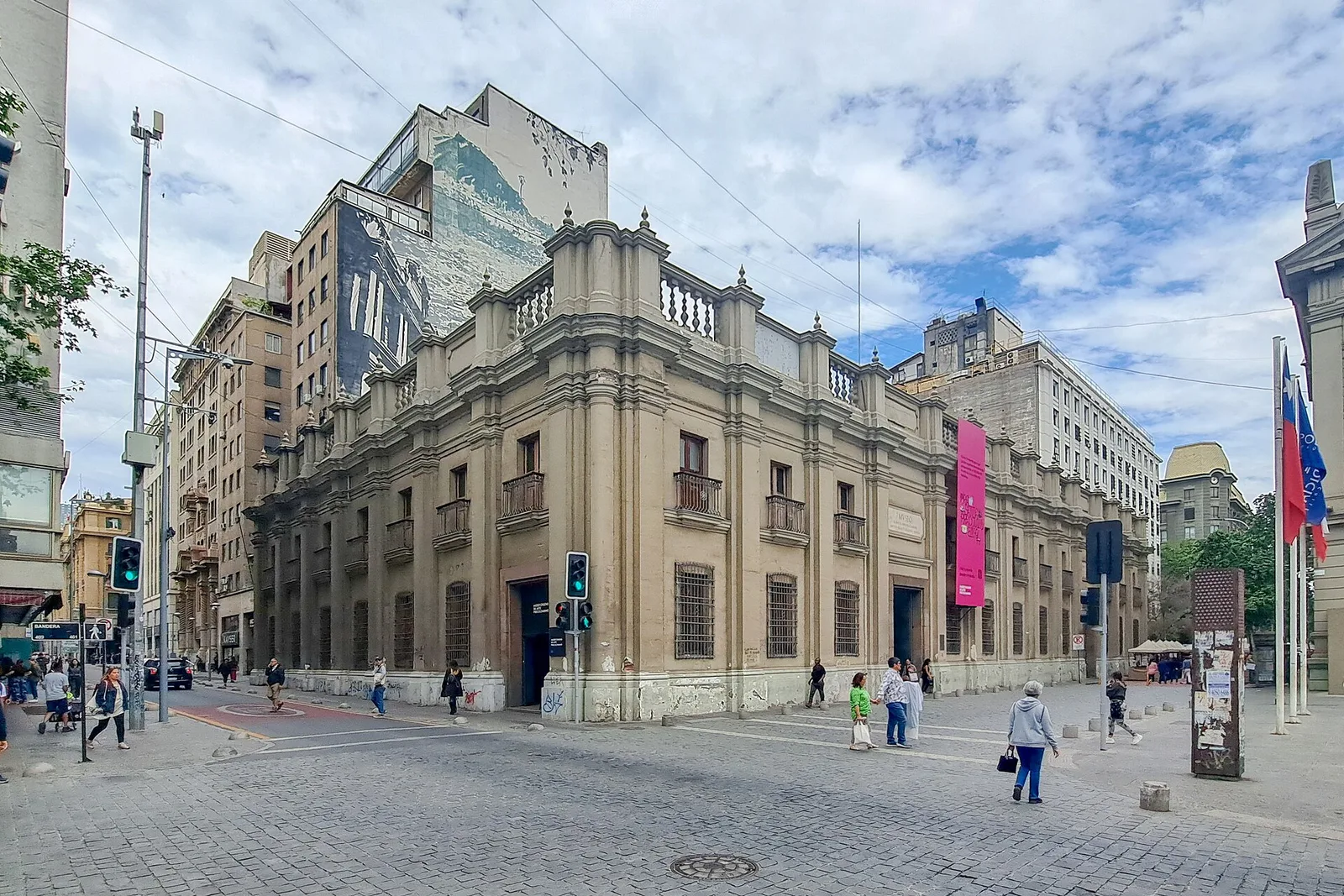
    Chilean Museum of Pre-Columbian Art

    A focused museum that deserves fresh attention.

    The Chilean Museum of Pre-Columbian Art is the most rewarding museum anchor for many first-time visitors because it feels focused, atmospheric, and distinctive. Give it real time rather than treating it as a quick pre-lunch stop.

    Chilean Museum of Pre-Columbian Art in Santiago
    Credit: Carlos yo, via Wikimedia Commons (CC BY-SA 4.0) · CC BY-SA 4.0
  2. 45 min

    Parque Forestal

    A leafy walk toward the Bellas Artes area.

    Parque Forestal is a practical reset between museums and neighborhoods: shade, paths, river-edge city texture, and enough local life to make the center feel less hard-edged. Use it as a walk, not a destination you need to exhaust.

    Parque Forestal in Santiago
    Credit: Cesar I. Martins from Jundiai, Brazil, via Wikimedia Commons (CC BY 2.0) · CC BY 2.0
  3. 1 hour 15 min

    National Museum of Fine Arts

    A beautiful building and a manageable art stop.

    The National Museum of Fine Arts is worth adding if your museum appetite is still good: the Beaux-Arts building is part of the experience, and the collection gives a compact view of Chilean and Latin American art. If you are fading, shorten this rather than sacrificing the afternoon viewpoint.

    National Museum of Fine Arts in Santiago
    Credit: Rjcastillo, via Wikimedia Commons (CC BY-SA 4.0) · CC BY-SA 4.0
  4. 1 hour 30 min

    Lunch in Barrio Bellavista

    Bellavista is convenient before the funicular and gives the day a livelier neighborhood shift after the morning’s museums.

  5. 1 hour

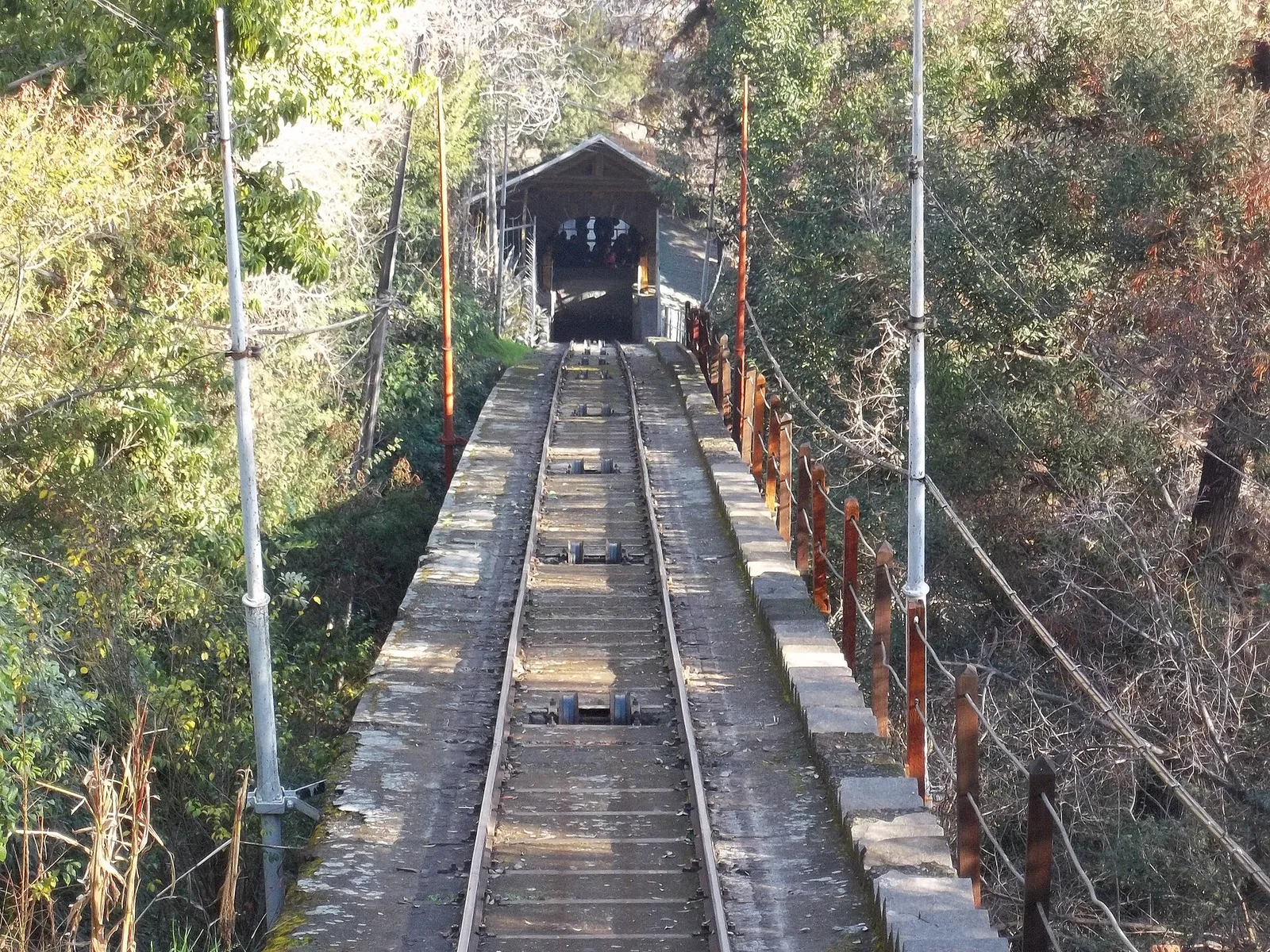
    Estación Pío Nono Funicular Santiago by Turistik

    Use the funicular for an easier climb into Cerro San Cristóbal.

    The Pío Nono funicular makes Cerro San Cristóbal feel like part of a city day rather than a separate hike. It is scenic, practical, and more memorable than simply driving up, though lines and operations can affect timing.

    Pío Nono funicular station in Santiago
    Credit: Dario Alpern, via Wikimedia Commons (CC BY-SA 3.0) · CC BY-SA 3.0
  6. 1 hour 30 min

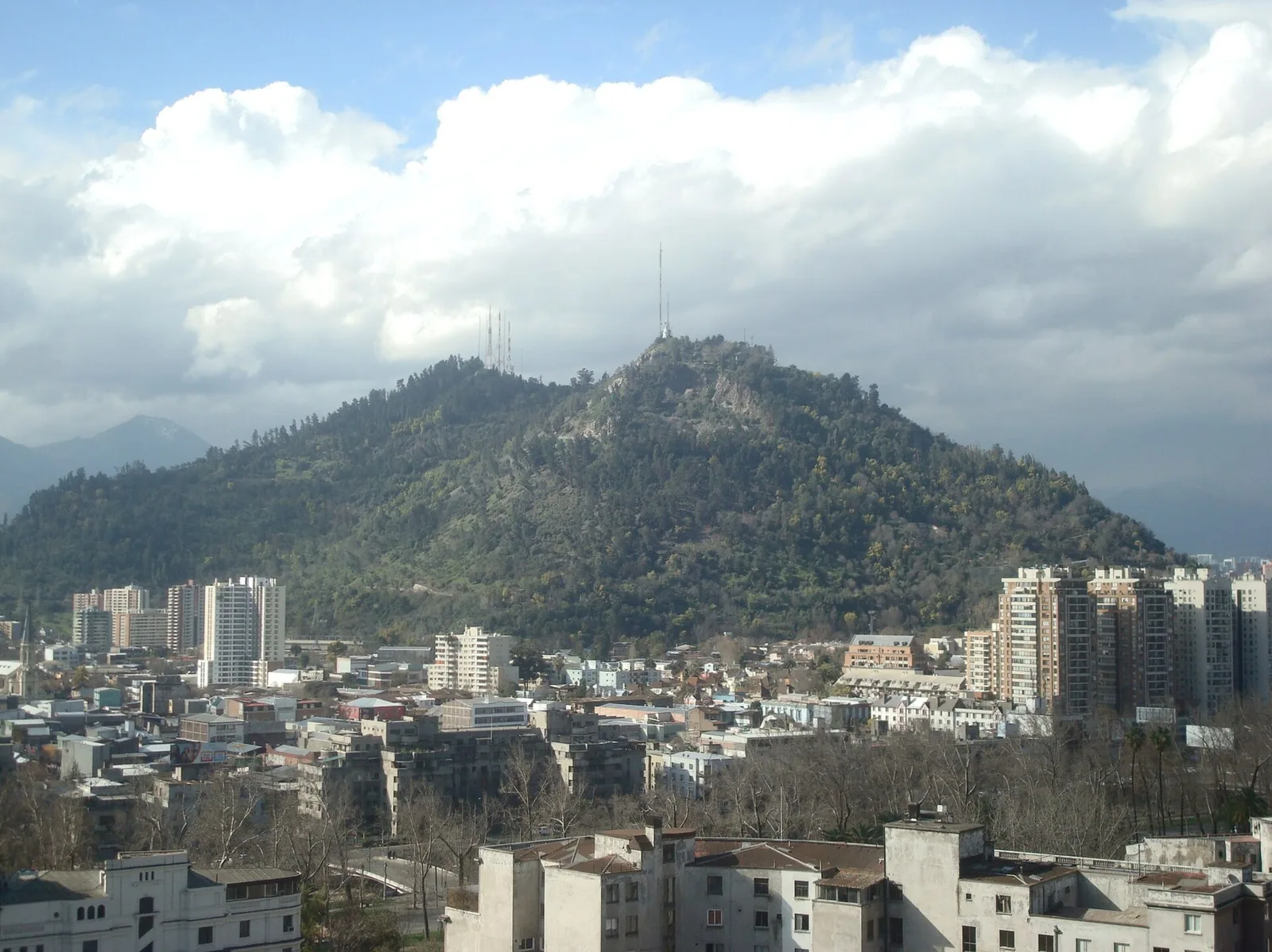
    Santiago Metropolitan Park

    A broad hill park with city views and room to slow down.

    Santiago Metropolitan Park is the big green counterweight to the dense center. Use the Cerro San Cristóbal viewpoints to understand the city’s scale, then leave time to simply sit or walk rather than rushing straight back down.

    Santiago Metropolitan Park and Cerro San Cristóbal
    Credit: Carlos yo, via Wikimedia Commons (CC BY-SA 4.0) · CC BY-SA 4.0
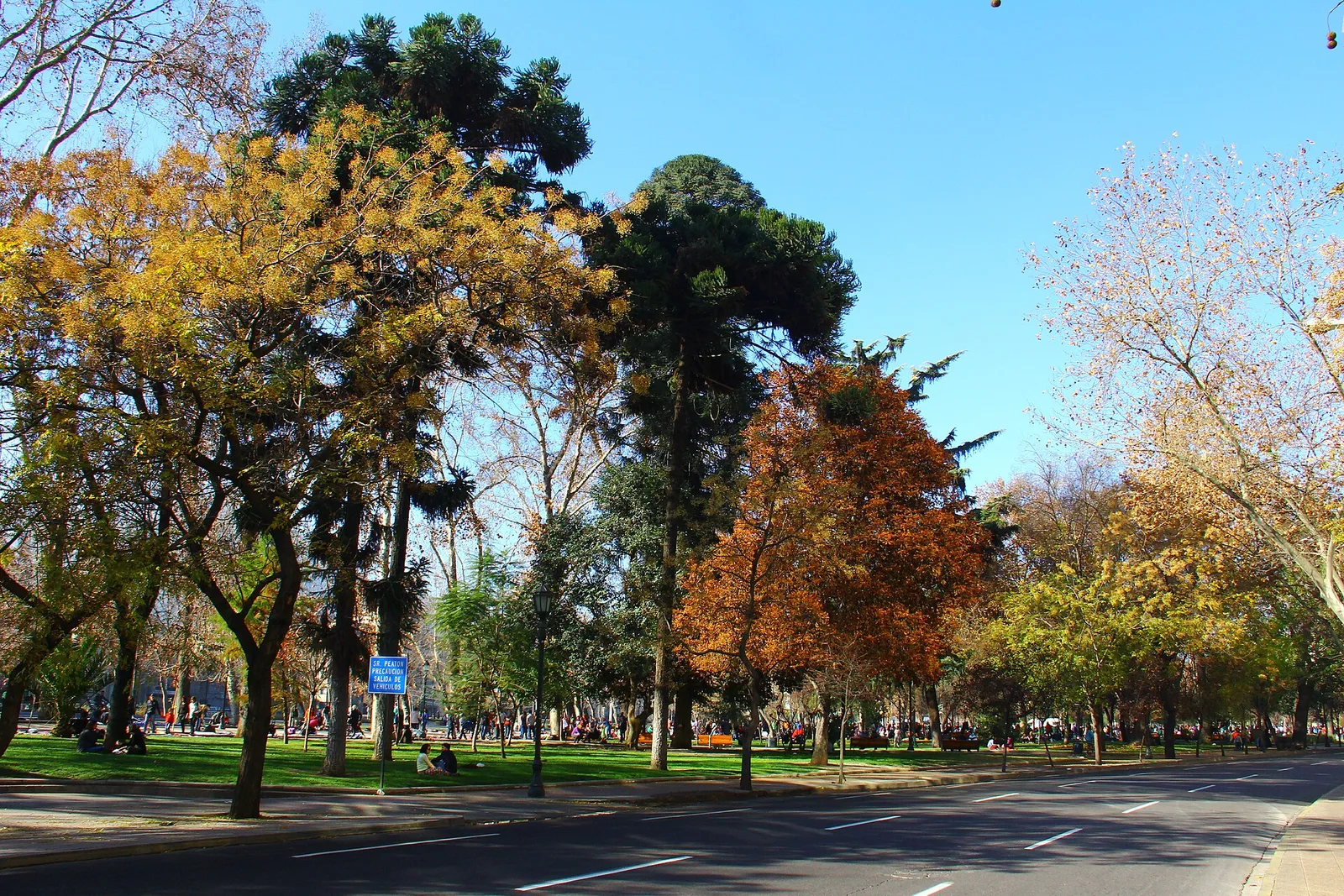
  7. 1 hour 30 min

    Sky Costanera

    Best when visibility is clear enough to see the Andes.

    Sky Costanera is the cleanest high-altitude view in Santiago, and it is most worthwhile when the sky is clear. If haze is heavy, the ticket is less compelling; if the Andes are visible, it can be a dramatic final view of the city.

    Sky Costanera tower in Santiago
    Credit: Warko, via Wikimedia Commons (CC BY-SA 4.0) · CC BY-SA 4.0
  8. 2 hours

    Dinner in Providencia

    Finish near Providencia or your easiest transit line. After two viewpoint stops, keep dinner logistically simple.

Day4

Central Market, Concha y Toro, Barrio Italia, and a Vitacura park finish

The last day is deliberately looser: a market morning, a historic pocket, lunch and browsing in Barrio Italia, then a polished green-space finish in Vitacura.

  1. 1 hour

    Santiago Central Market

    A lively market stop best treated as atmosphere, not a long food mission.

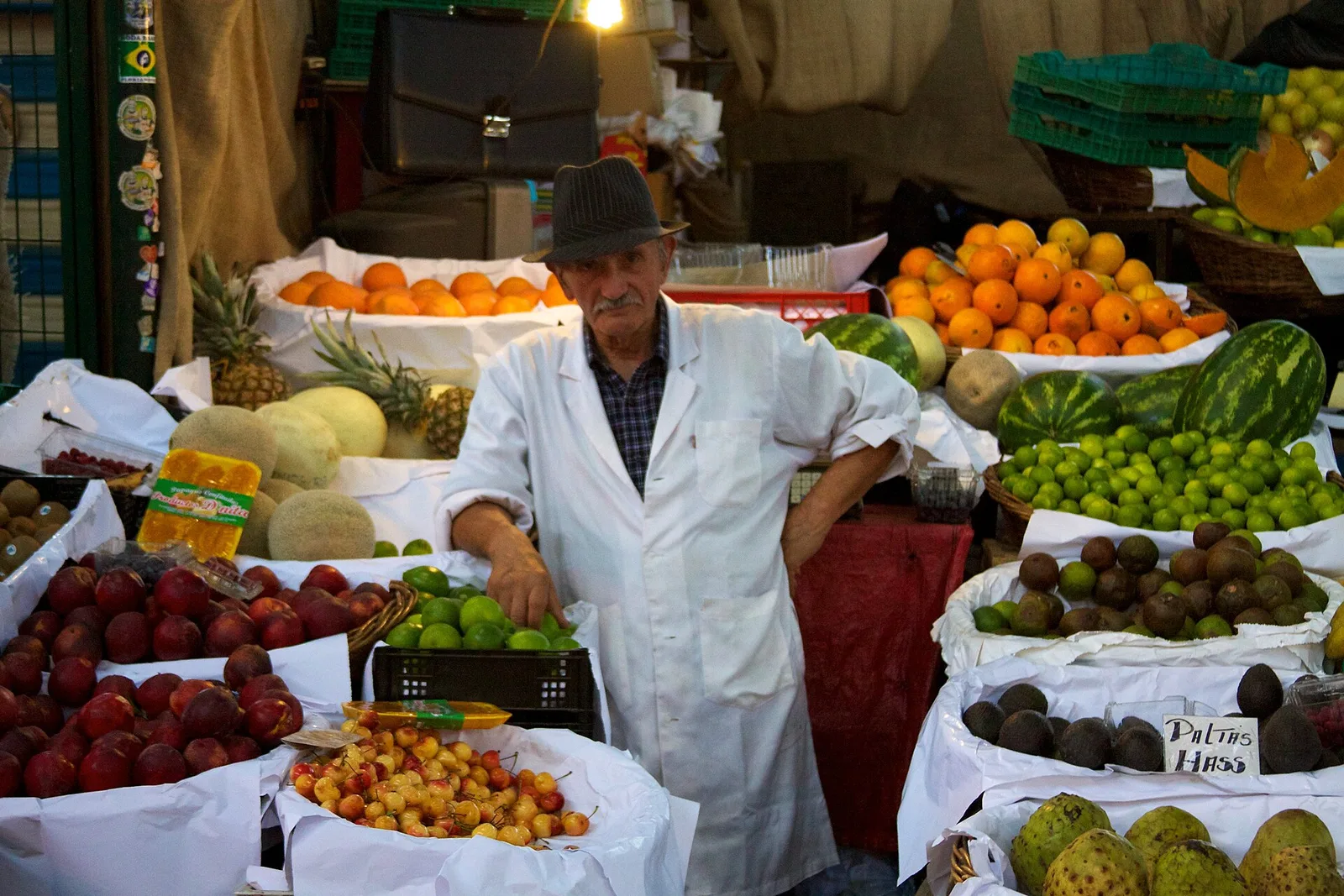
    Santiago Central Market is famous for seafood and its wrought-iron hall, but it is best approached with flexible expectations. Go for the architecture, fish-market energy, and a quick look at local food culture; if the restaurant touts feel too intense, keep moving and save lunch for Barrio Italia.

    Santiago Central Market interior
    Credit: McKay Savage from London, UK, via Wikimedia Commons (CC BY 2.0) · CC BY 2.0
  2. 1 hour 15 min

    Barrio Concha y Toro

    A quieter architectural pocket after the market.

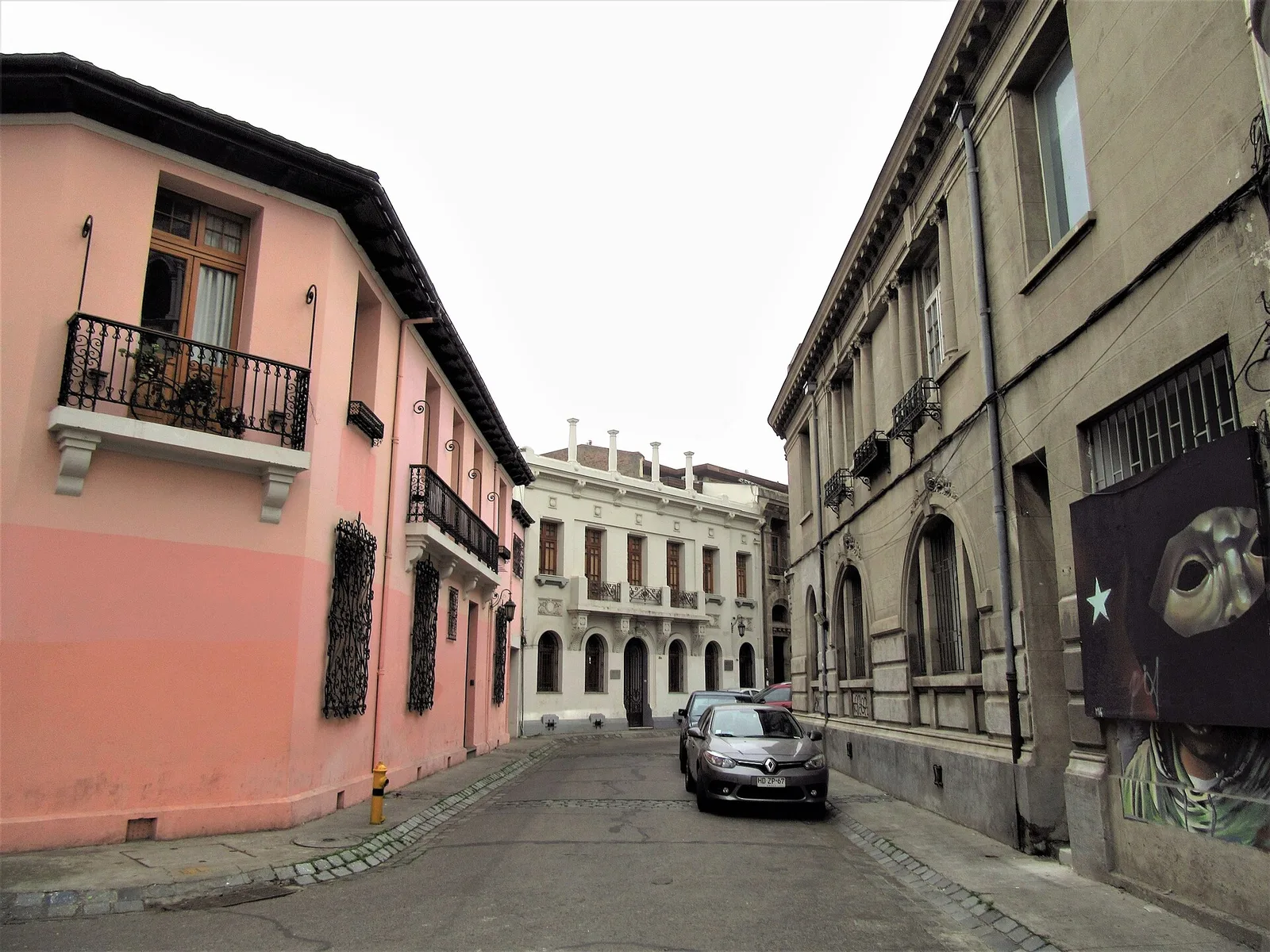
    Barrio Concha y Toro gives the final day a slower historic texture: cobbled streets, early 20th-century mansions, and a mood that contrasts with the busier center. It is a short wander, not a full attraction.

    Historic homes in Barrio Concha y Toro, Santiago
    Credit: Felipe Restrepo Acosta, via Wikimedia Commons (CC BY-SA 4.0) · CC BY-SA 4.0
  3. 1 hour 30 min

    Lunch in Barrio Italia

    Use Barrio Italia for the day’s proper meal. It makes more sense as a relaxed lunch-and-browse neighborhood than as a rushed afterthought.

  4. 2 hours

    Barrio Italia

    Browse antiques, design shops, patios, and cafés.

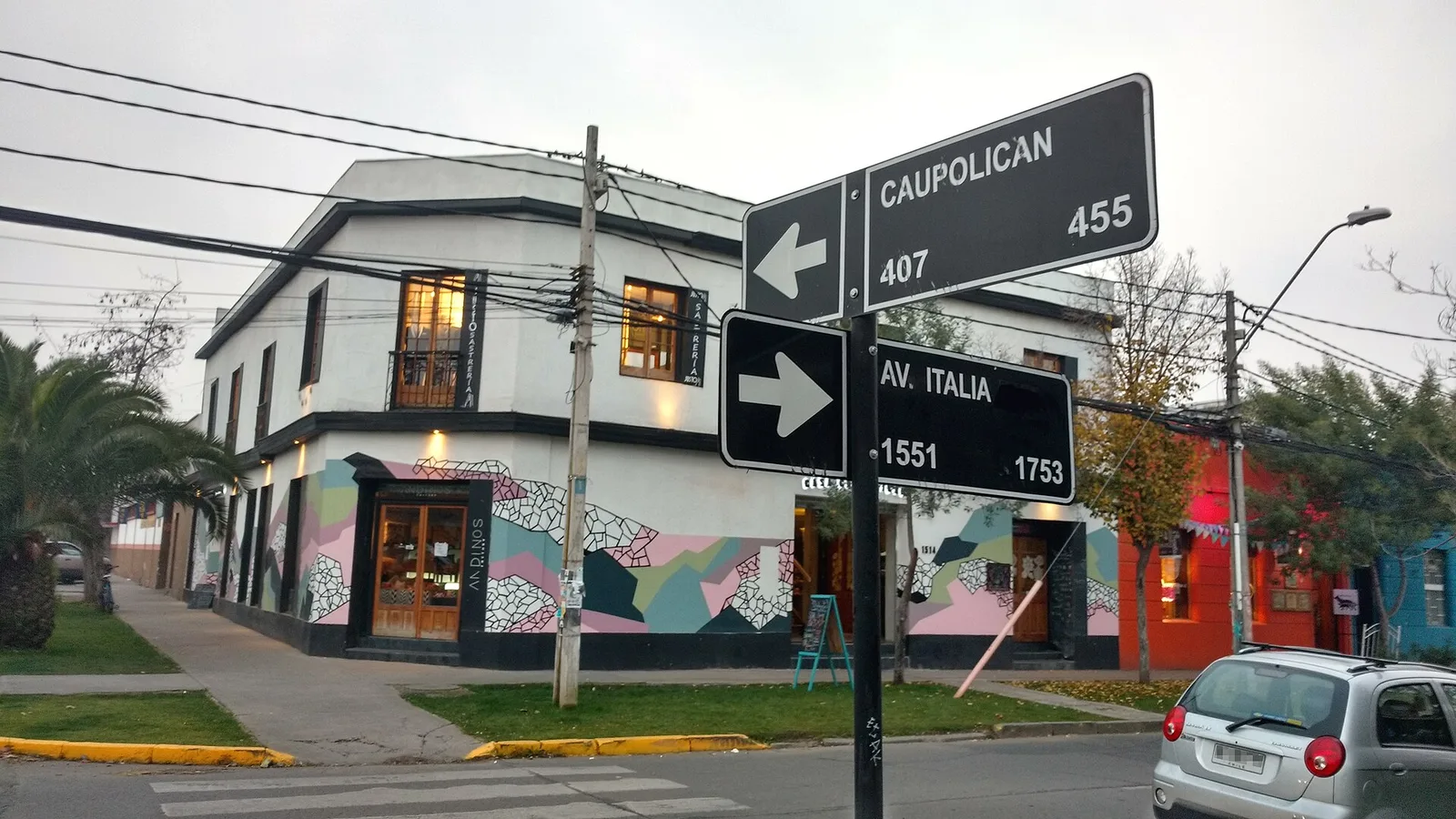
    Barrio Italia is Santiago’s easiest final-day browsing neighborhood: design stores, antiques, workshops, cafés, and courtyards that reward wandering. It works because there is no single required stop, just a pleasant way to let the trip slow down.

    Barrio Italia street scene in Santiago
    Credit: Janitoalevic, via Wikimedia Commons (CC BY-SA 4.0) · CC BY-SA 4.0
  5. 1 hour 30 min

    Bicentennial Park

    A polished green-space finish in Vitacura.

    Bicentennial Park is a soft final stop: open lawns, lagoons, paths, and a more residential, polished side of Santiago. It is not dramatic, which is why it works after three denser days. Use it for a final walk before dinner.

    Bicentennial Park in Santiago
    Credit: Rjcastillo, via Wikimedia Commons (CC BY 4.0) · CC BY 4.0
  6. 1 hour

    Rest break by the park

    Build in a pause before dinner instead of trying to add one more sight. The last evening should have slack.

  7. 2 hours

    Farewell dinner in Vitacura

    End in Vitacura if it fits your hotel or ride plan. If not, choose dinner in Providencia or Lastarria and keep the final transfer easy.

Itinerary decisions

What makes the cut, what can wait, and what is less worth it.

Essential

  • Keep the historic center, La Moneda, Santa Lucía, and Lastarria together so the first day stays walkable.
  • Give Valparaíso and Viña del Mar a dedicated day rather than treating the coast as an afternoon add-on.
  • Use both Cerro San Cristóbal and Sky Costanera only if visibility makes the views worthwhile.

Optional

  • National Museum of Fine Arts can be shortened if museum fatigue sets in after the Pre-Columbian Art Museum.
  • Viña del Mar is optional on the coast day if Valparaíso absorbs more time than expected.
  • Bicentennial Park can be swapped for extra Barrio Italia time if the final afternoon needs to stay more central.

Not prioritized

  • This plan does not add wine country; it would compete with the Valparaíso day and deserves its own slot.
  • It avoids scattering neighborhoods across the city on the same day just to chase restaurants.
  • It does not rely on perfect visibility; viewpoint days include alternatives and flexibility.

Before you use this plan

  • Santiago air quality, heat, museum hours, funicular operations, observation-deck visibility, and coastal traffic can change the day quickly.
  • Check Valparaíso road timing before committing to a late dinner back in Santiago.
  • Use normal city awareness in busy downtown streets and markets, especially around phones and bags.
  • This is a public example. Dayworthy can adapt the route to exact dates, hotel area, weather, museum tolerance, food preferences, and transport style.

Dayworthy

Turn this example into your trip.

Dayworthy adapts the itinerary to your dates, pace, hotel, interests, and saved places.