Dayworthy itinerary

A realistic 3-day Marrakech itinerary for first-time visitors

Marrakech is vivid, generous, and very easy to overpack. This three-day route protects the medina essentials, gives the High Atlas one clear day, and saves the garden-and-modern-city layer for the finish so the trip feels textured rather than frantic.

Destination
Marrakech, Morocco
Length
3 days
Pace
balanced
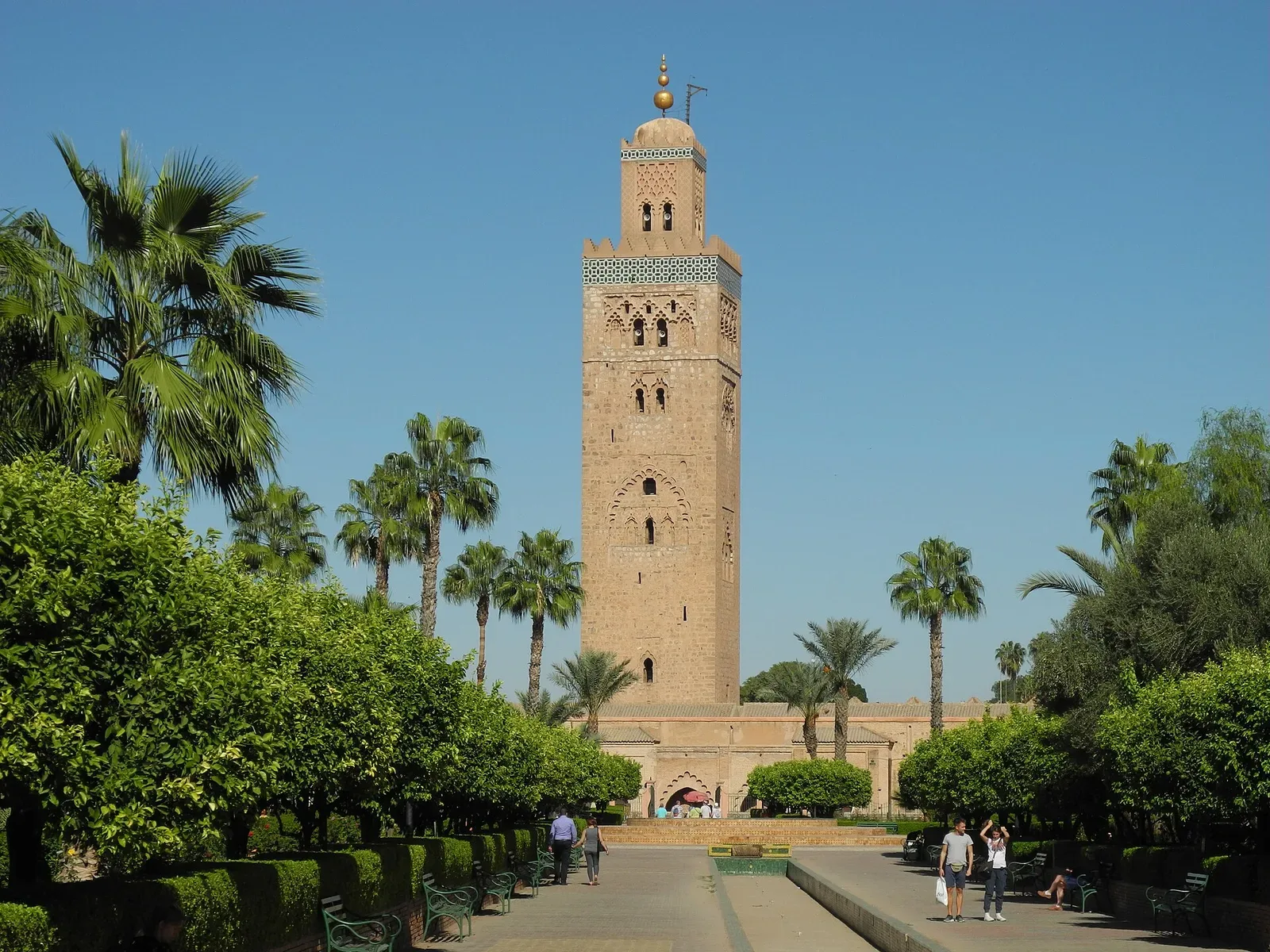
Koutoubia Mosque and Marrakech medina, used as the hero image for a 3-day Marrakech itinerary
Credit: Baca12, via Wikimedia Commons (CC BY-SA 4.0) · CC BY-SA 4.0

Day-by-day plan

A paced plan, not an endless list.

Day1

Koutoubia, Bahia Palace, Saadian Tombs, Ben Youssef, the souks, and Jemaa el-Fna

Start with the classic medina anchors while energy is high, then let the day loosen into souks, tea, and the square at dusk. It is a full day, but the geography stays coherent.

  1. 35 min

    Koutoubia

    Use the minaret as your first orientation point before entering the medina rhythm.

    Koutoubia is the easiest way to understand central Marrakech before the lanes narrow. The mosque itself is not open to non-Muslim visitors, but the minaret, gardens, and position beside Jemaa el-Fna make it an essential landmark. Treat it as orientation, not a long monument stop.
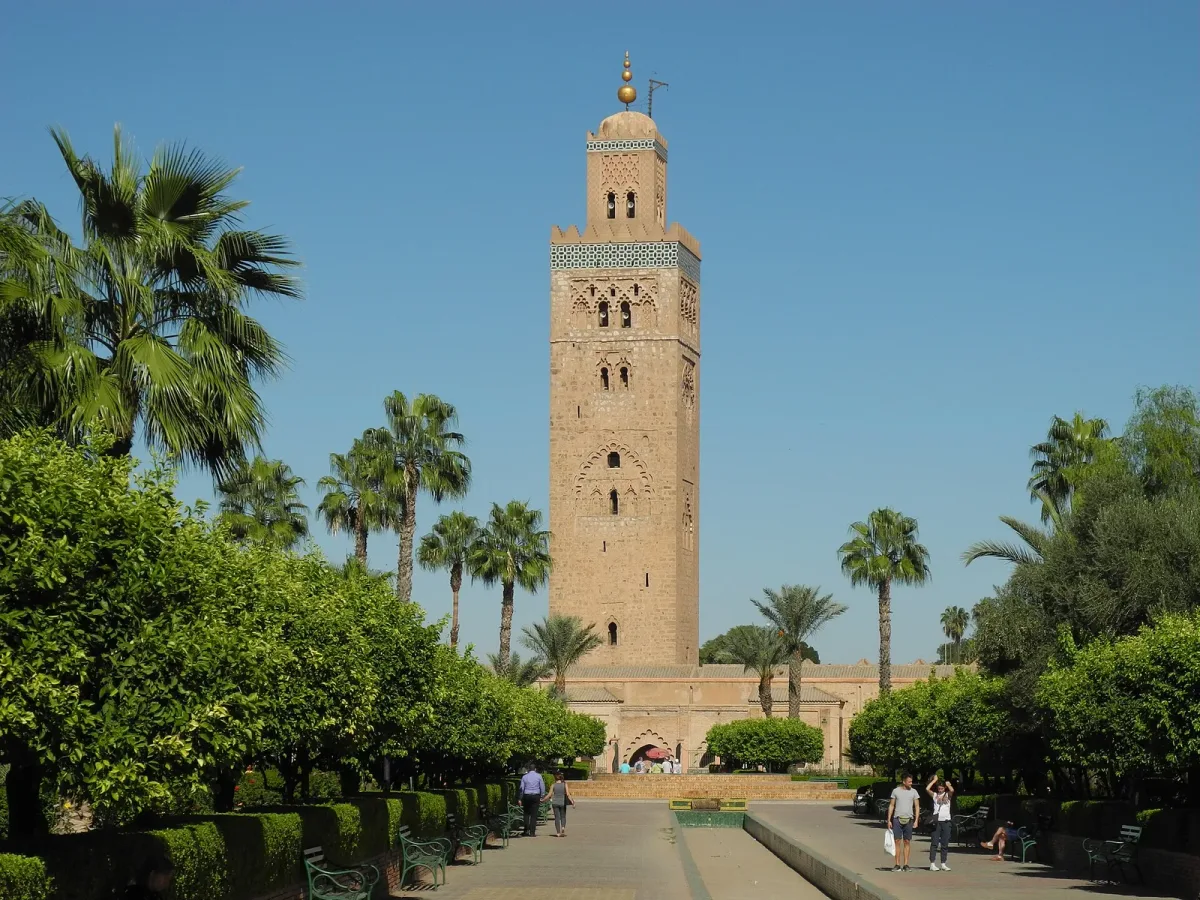
    Koutoubia Mosque near Jemaa el-Fna in Marrakech
    Credit: Baca12, via Wikimedia Commons (CC BY-SA 4.0) · CC BY-SA 4.0
  2. 1 hour 30 min

    Bahia Palace

    Go early if you can; this is one of the day’s most popular interiors.

    Bahia Palace is the right first major interior because it gives Marrakech its decorative language immediately: carved cedar, painted ceilings, tiled courtyards, quiet rooms, and sudden pockets of garden. It rewards slow looking, especially before the busiest part of the day.
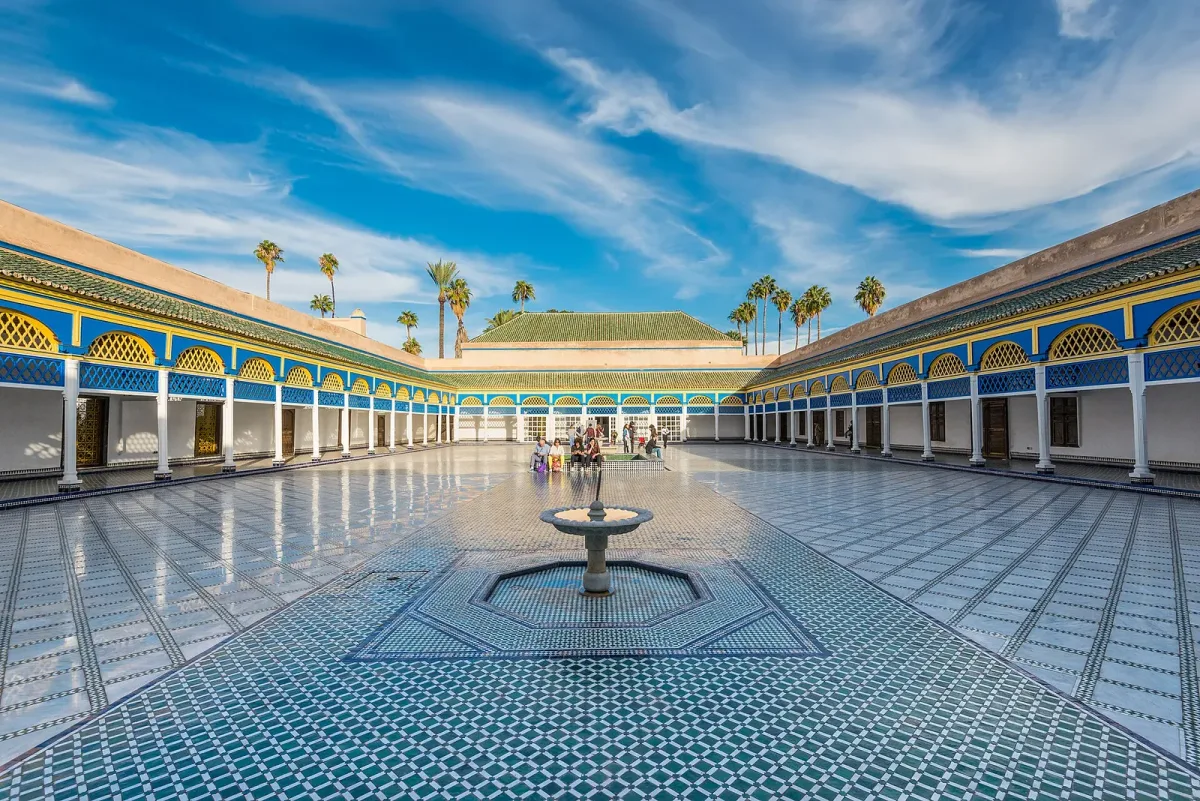
    Courtyard details inside Bahia Palace in Marrakech
    Credit: Val Traveler, via Wikimedia Commons (CC BY-SA 4.0) · CC BY-SA 4.0
  3. 45 min

    Saadian Tombs

    Keep this concise and expect queues around the most ornate chamber.

    The Saadian Tombs are compact but memorable, especially if you care about craftsmanship more than scale. The visit works because it contrasts with Bahia Palace: smaller, more concentrated, and tied to dynastic memory. Do not let the queue for one chamber consume the whole morning.
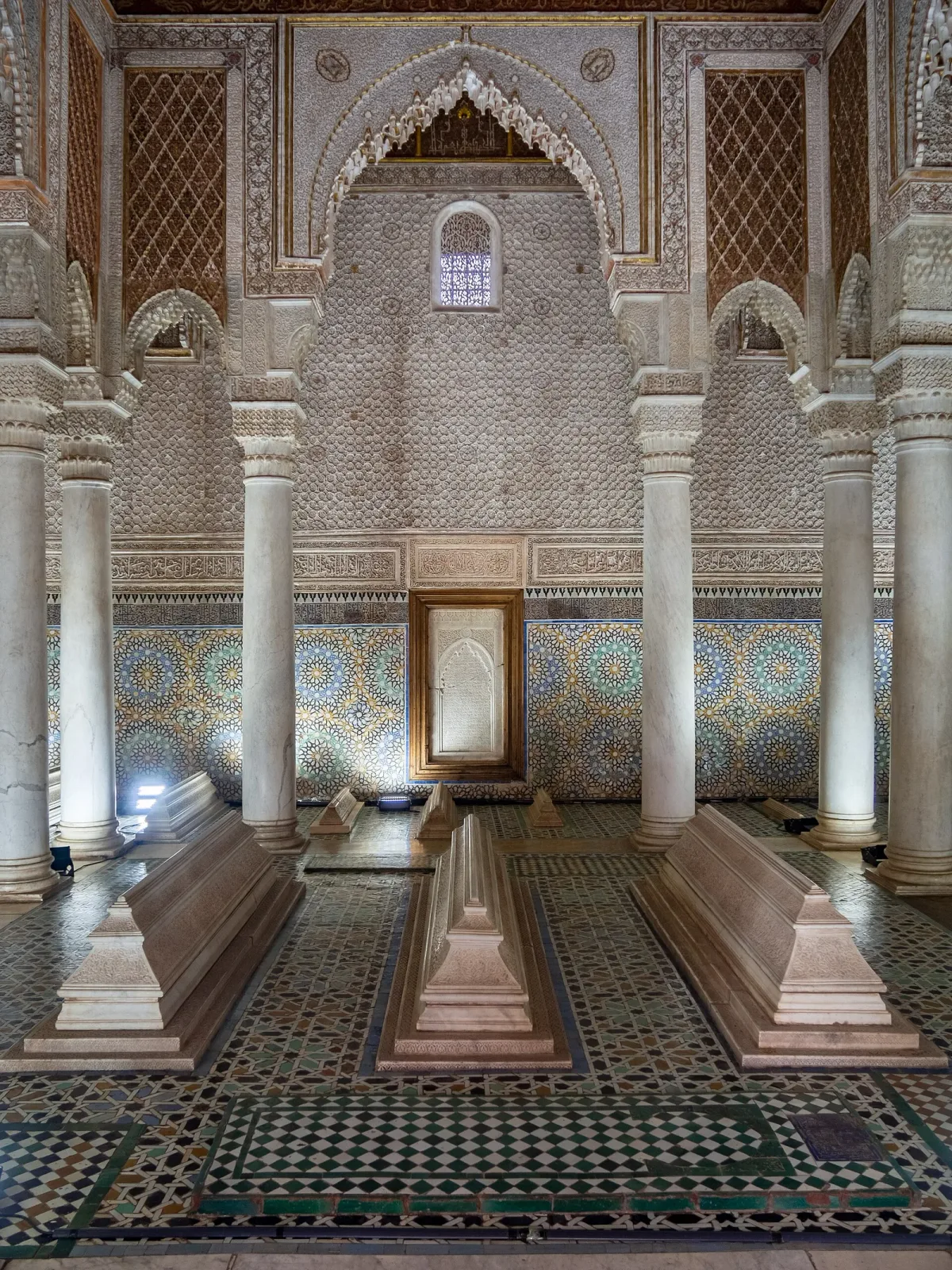
    Decorated chamber at the Saadian Tombs in Marrakech
    Credit: C messier, via Wikimedia Commons (CC BY-SA 4.0) · CC BY-SA 4.0
  4. 1 hour 15 min

    Lunch break in Kasbah

    Eat before crossing back into denser medina lanes. Shade and sitting down are part of the plan.

  5. 1 hour 15 min

    Madrasa Ben Youssef

    Make this the afternoon architecture anchor rather than adding another museum.

    Madrasa Ben Youssef is one of Marrakech’s most satisfying interiors: a courtyard built for symmetry, tile, carved plaster, and the hush of a former school. It is popular, but the space still lands if you slow down and look upward, across, and into the smaller student rooms.
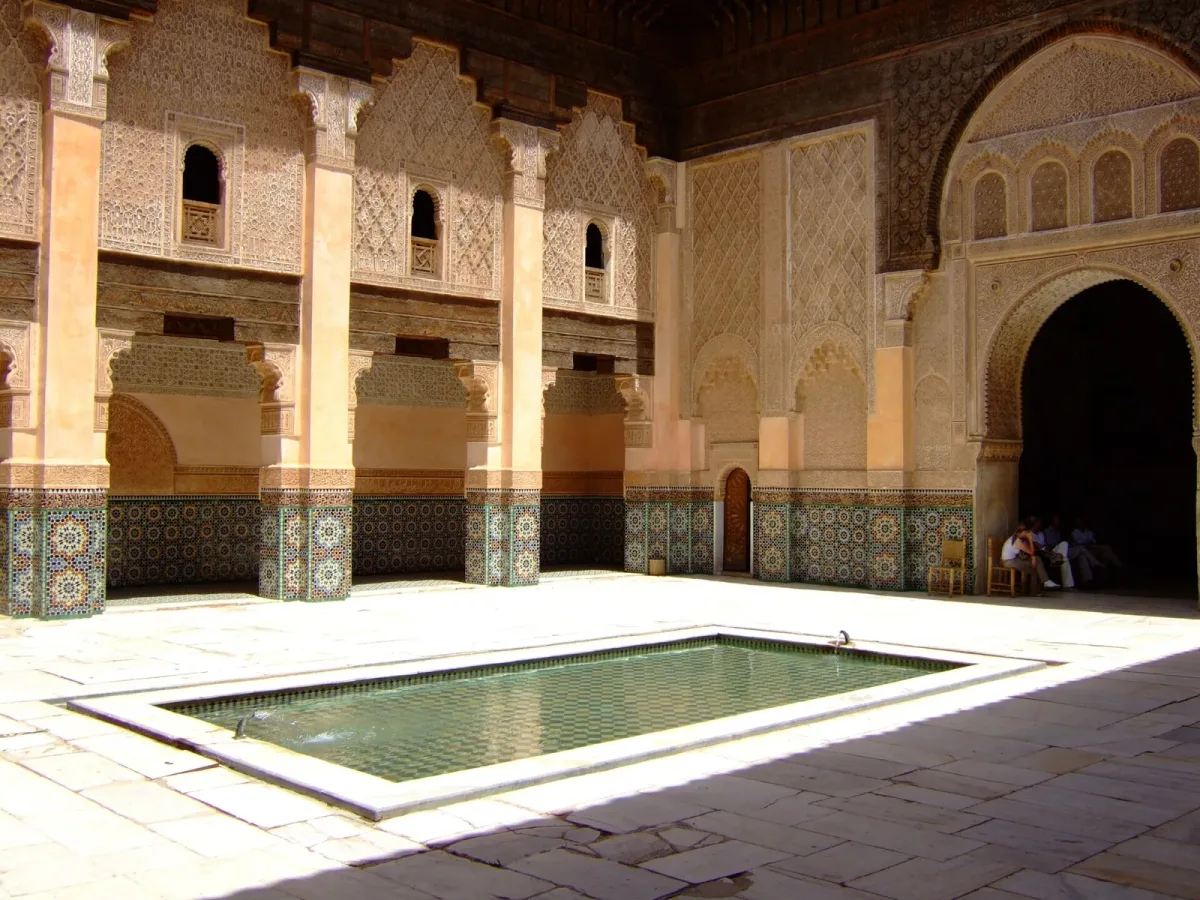
    Courtyard of Madrasa Ben Youssef in Marrakech
    Credit: Lundeux, via Wikimedia Commons (CC BY-SA 2.5) · CC BY-SA 2.5
  6. 1 hour 15 min

    Souk Semmarine

    Browse for atmosphere, not efficiency, and keep purchases optional.

    Souk Semmarine gives the afternoon its market texture: lamps, leather, textiles, ceramics, spices, movement, bargaining, and plenty of wrong turns. It is not meant to be tidy. Set a loose direction toward Jemaa el-Fna and let curiosity do some of the work.

  7. 45 min

    Mint tea break

    Take a rooftop or courtyard pause before the square gets louder.

  8. 1 hour 30 min

    Jemaa el-Fna

    Arrive before sunset so you can watch the square change character.

    Jemaa el-Fna is not one attraction; it is Marrakech performing itself in public. The point is the transition: daytime vendors, sunset light, food stalls assembling, smoke, music, crowds, rooftops, and the Koutoubia nearby. Keep your wits about you, but do not skip the atmosphere.
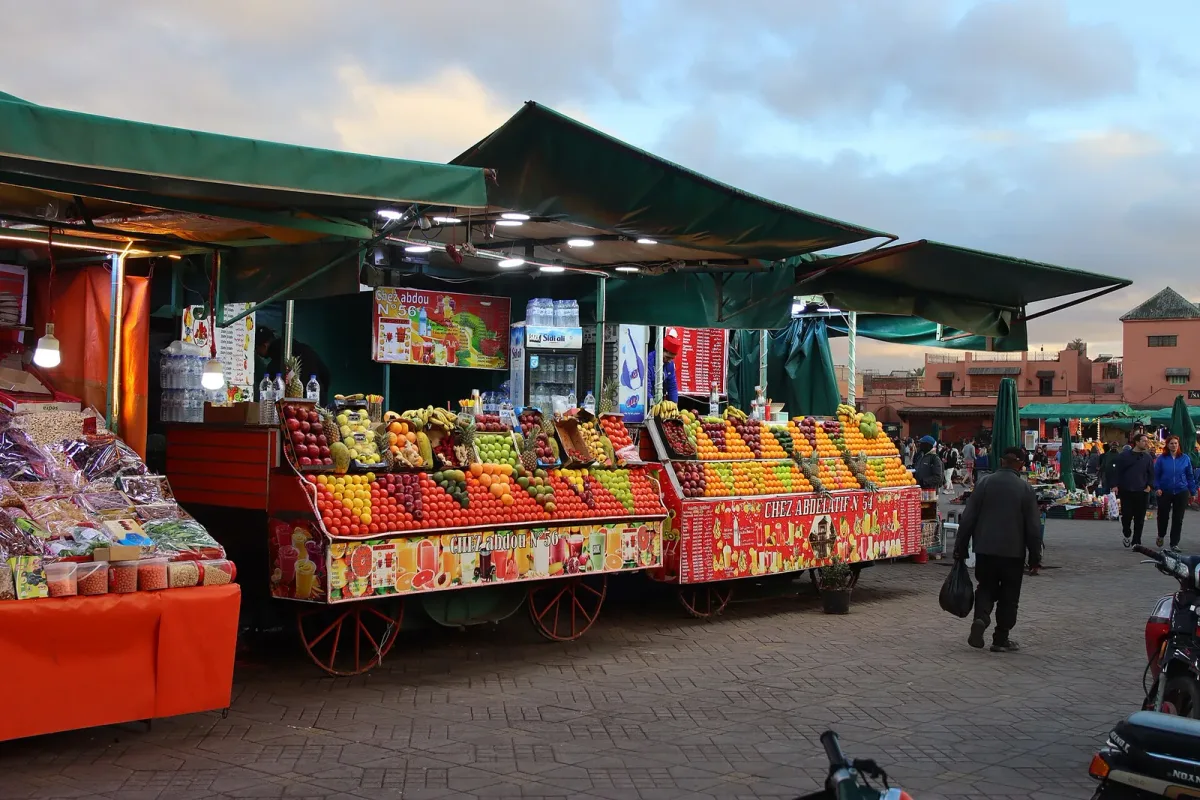
    Jemaa el-Fna square in Marrakech at dusk
    Credit: Draceane, via Wikimedia Commons (CC BY-SA 4.0) · CC BY-SA 4.0
  9. 1 hour 30 min

    Dinner near Jemaa el-Fna

    Choose a terrace, riad restaurant, or busy food-stall area depending on comfort and appetite.
Day2

Ourika Valley and a softer Hivernage evening

Use the second day to leave the medina intensity behind. The Ourika Valley gives the trip mountain air and Berber village scenery, then Hivernage keeps the evening polished and easy.

  1. 7 hours

    Day trip to the Ourika Valley and High Atlas Mountains

    Use a trusted driver or tour, and keep the day weather-aware rather than over-scheduled.

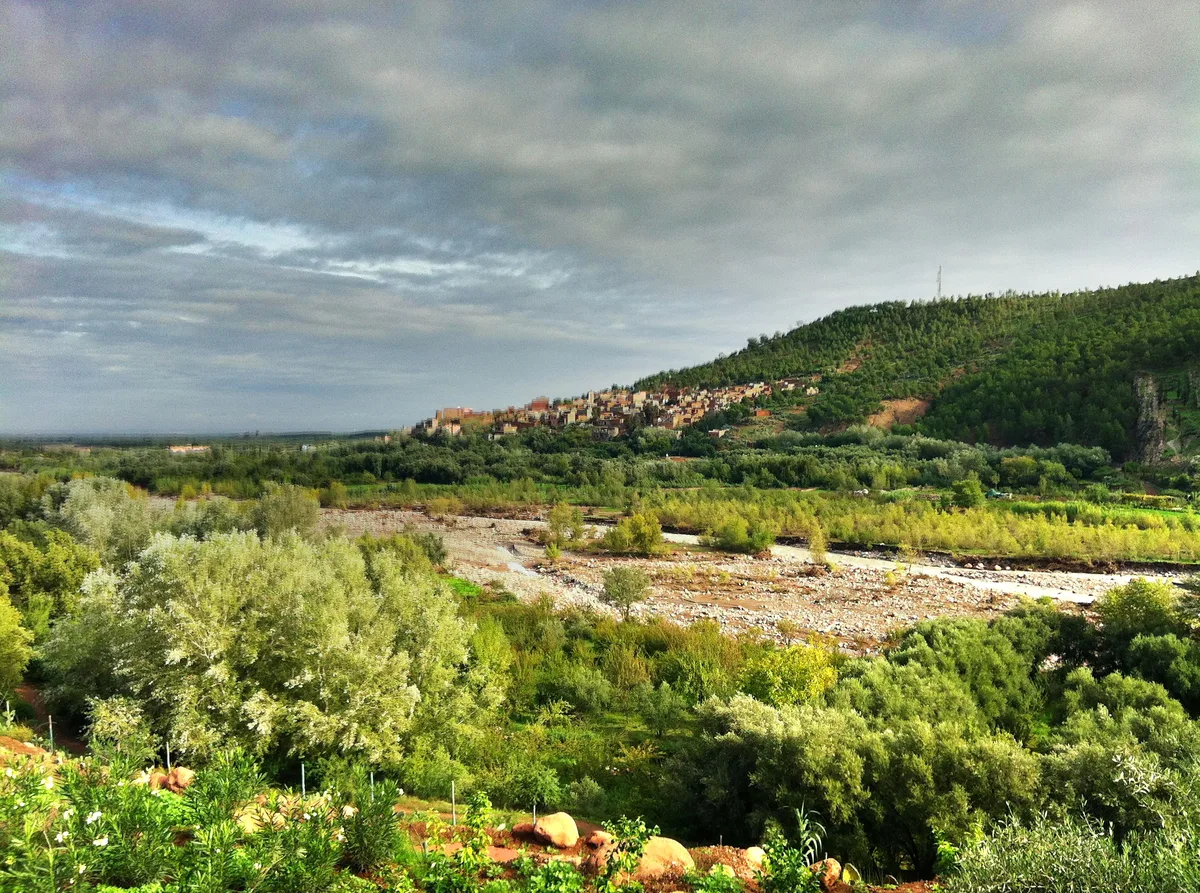
    The Ourika Valley works as the middle-day reset because it changes almost everything: medina lanes become mountain roads, city noise becomes river valleys, and the trip gets a clearer sense of Morocco beyond Marrakech. Keep the plan simple and respectful. A short walk, lunch, viewpoints, and time to return calmly are better than chasing every possible stop.

    Ourika Valley in the High Atlas Mountains near Marrakech
    Credit: David Broad, via Wikimedia Commons (CC BY 3.0) · CC BY 3.0
  2. 1 hour

    Hivernage

    Use this as a low-friction evening after a day outside the city.

    Hivernage is not the old Marrakech people picture first, and that is the point. It gives the evening wide streets, hotels, restaurants, lounges, and a more contemporary resort-city register. After the Atlas day, convenience is a feature.

  3. 1 hour 30 min

    Dinner in Hivernage

    Keep dinner easy and comfortable. Tomorrow returns to gardens, museums, and old walls.

Day3

Majorelle, YSL, Gueliz, Le Jardin Secret, and El Badi

Finish with Marrakech in a different key: garden color, design, the modern city, one hidden medina pause, and the dramatic ruins of El Badi Palace.

  1. 1 hour 15 min

    Jardin Majorelle

    Book or arrive early when possible; this is one of Marrakech’s most photographed places.

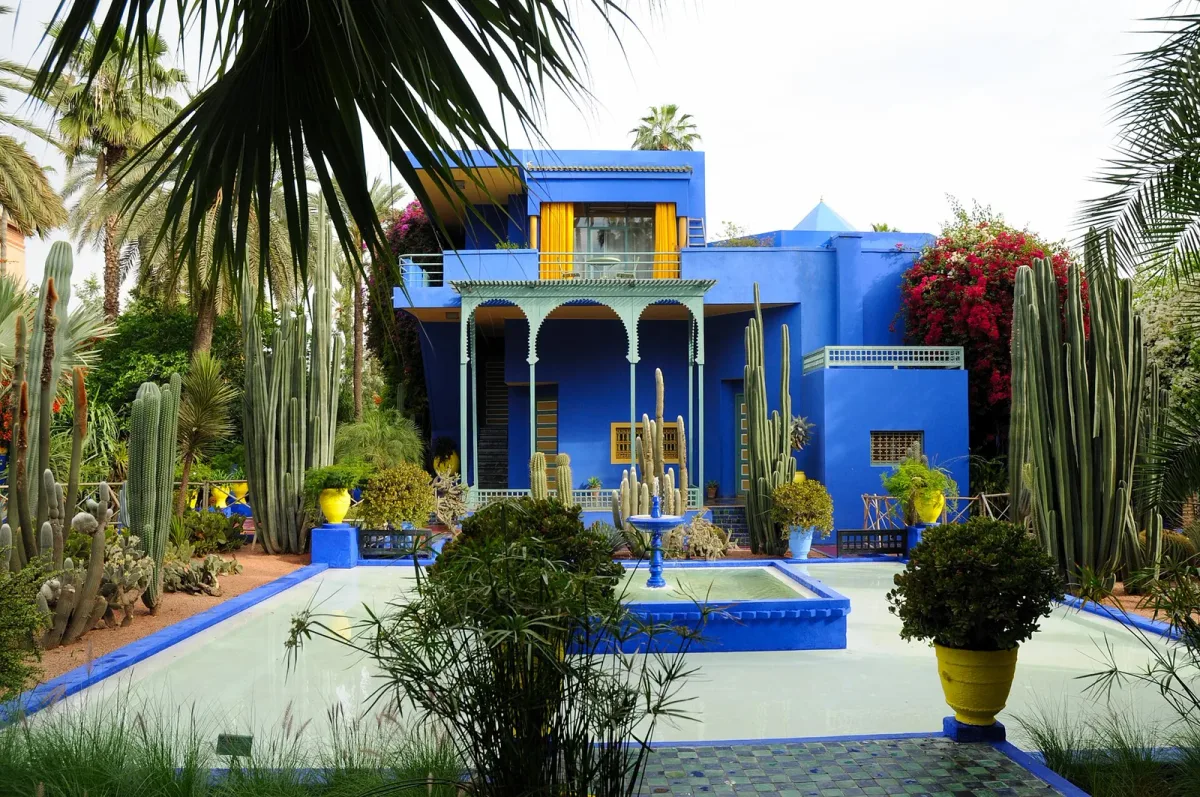
    Jardin Majorelle is small, controlled, and extremely popular, but it earns its place because the color and planting are so distinct. Go for blue walls, cactus silhouettes, shade, and a very different visual rhythm from the medina. If crowds bother you, early timing matters.

    Blue architecture and plants at Jardin Majorelle in Marrakech
    Credit: Viault, via Wikimedia Commons (CC BY-SA 4.0) · CC BY-SA 4.0
  2. 1 hour 15 min

    Yves Saint Laurent Museum

    Pair it with Majorelle rather than crossing town twice.

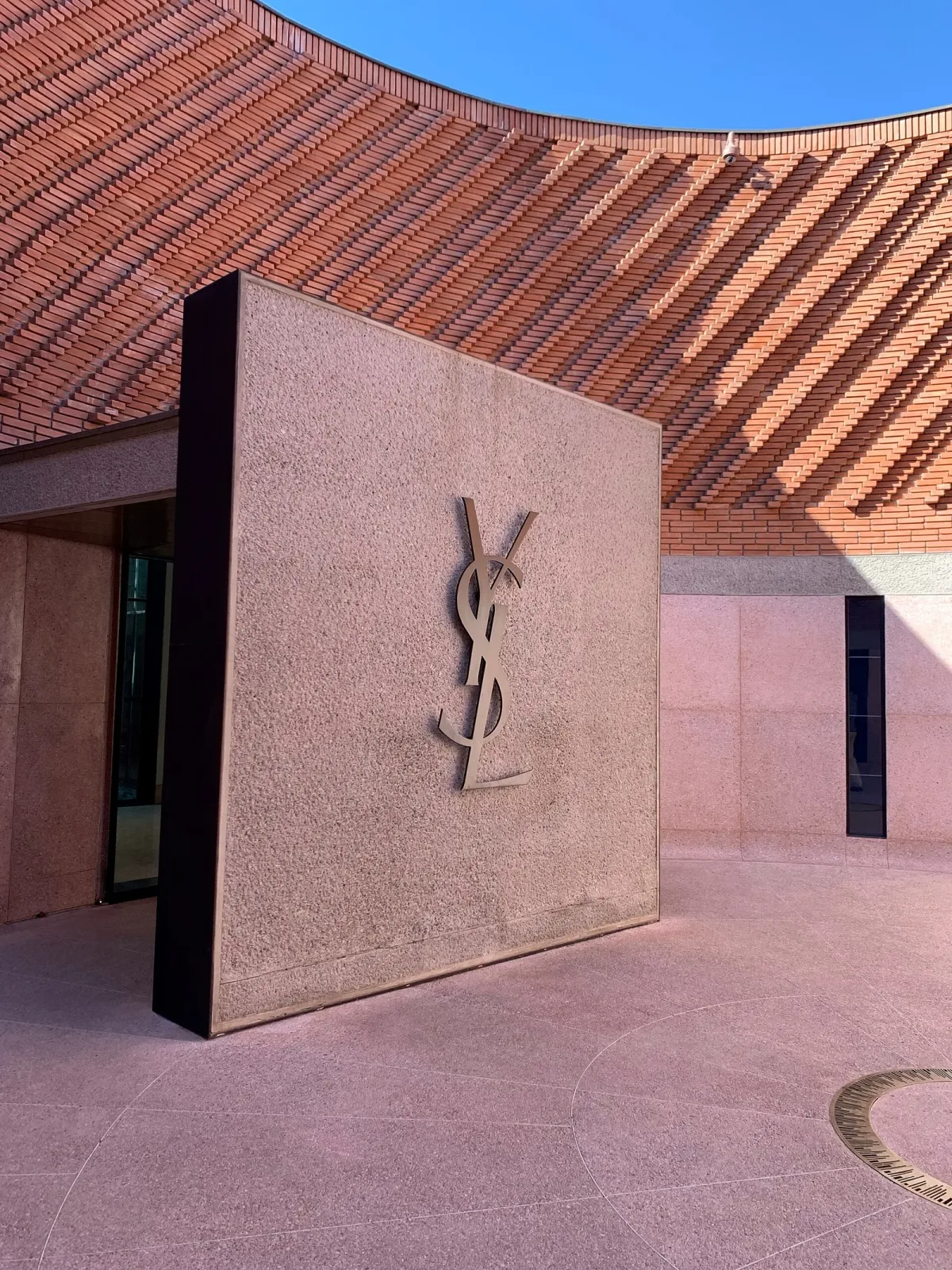
    The Yves Saint Laurent Museum keeps the morning in design mode: fashion, architecture, Moroccan influence, and a polished contemporary space. It is not essential for every traveler, but it works well if you want Marrakech to feel like more than monuments and markets.

    Yves Saint Laurent Museum in Marrakech
    Credit: Sämisch, via Wikimedia Commons (CC BY-SA 4.0) · CC BY-SA 4.0
  3. 1 hour 15 min

    Lunch break in Gueliz

    Use Gueliz for a calmer modern-city lunch before returning toward the medina.

  4. 1 hour

    Gueliz

    Walk a little, browse, or use this as a practical reset.

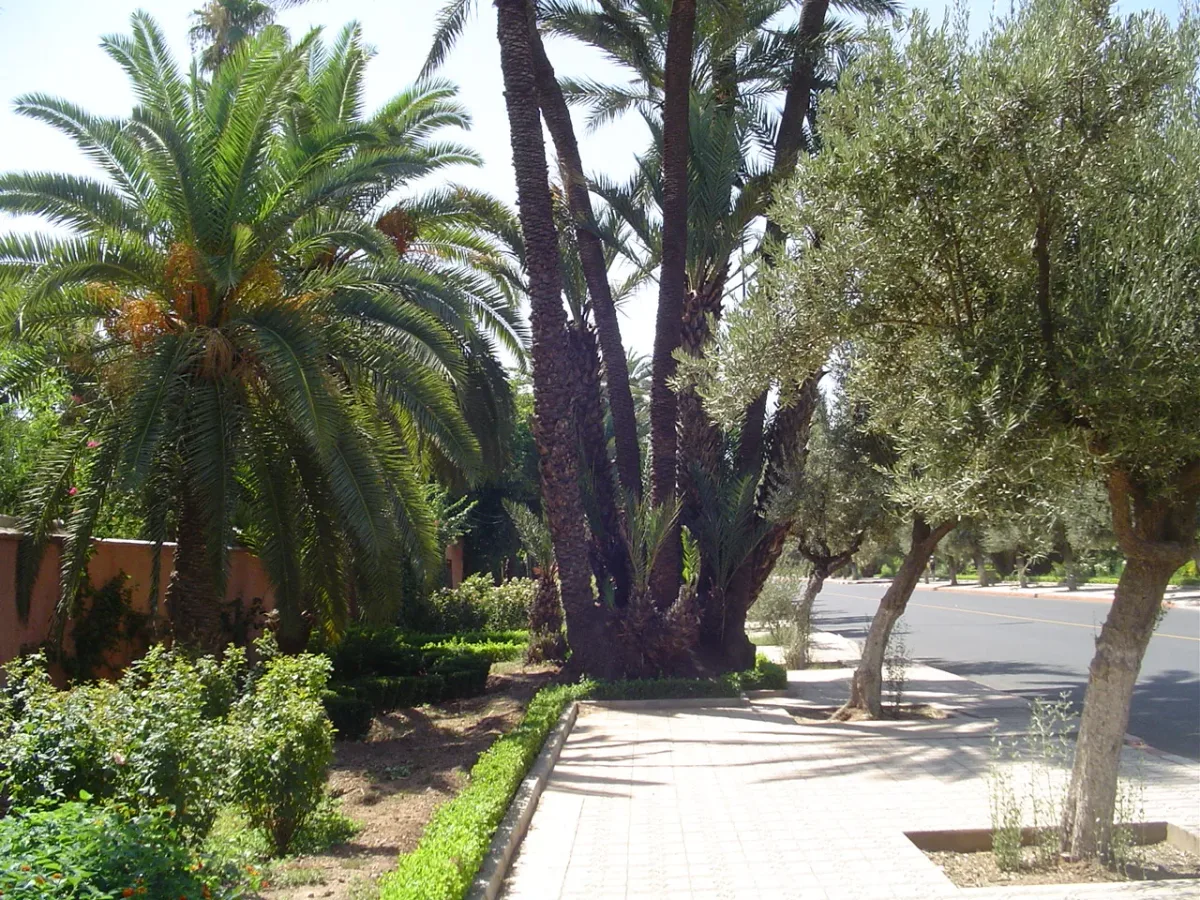
    Gueliz shows Marrakech with wider streets, cafes, galleries, boutiques, and a more contemporary everyday pace. It is not as atmospheric as the medina, but that contrast is useful on a short trip. Let it be a reset rather than a checklist district.

    Street scene in Gueliz, Marrakech
    Credit: mwanasimba from La Réunion, via Wikimedia Commons (CC BY-SA 2.0) · CC BY-SA 2.0
  5. 1 hour

    Le Jardin Secret

    Return to the medina through a quieter garden rather than diving straight back into the souks.

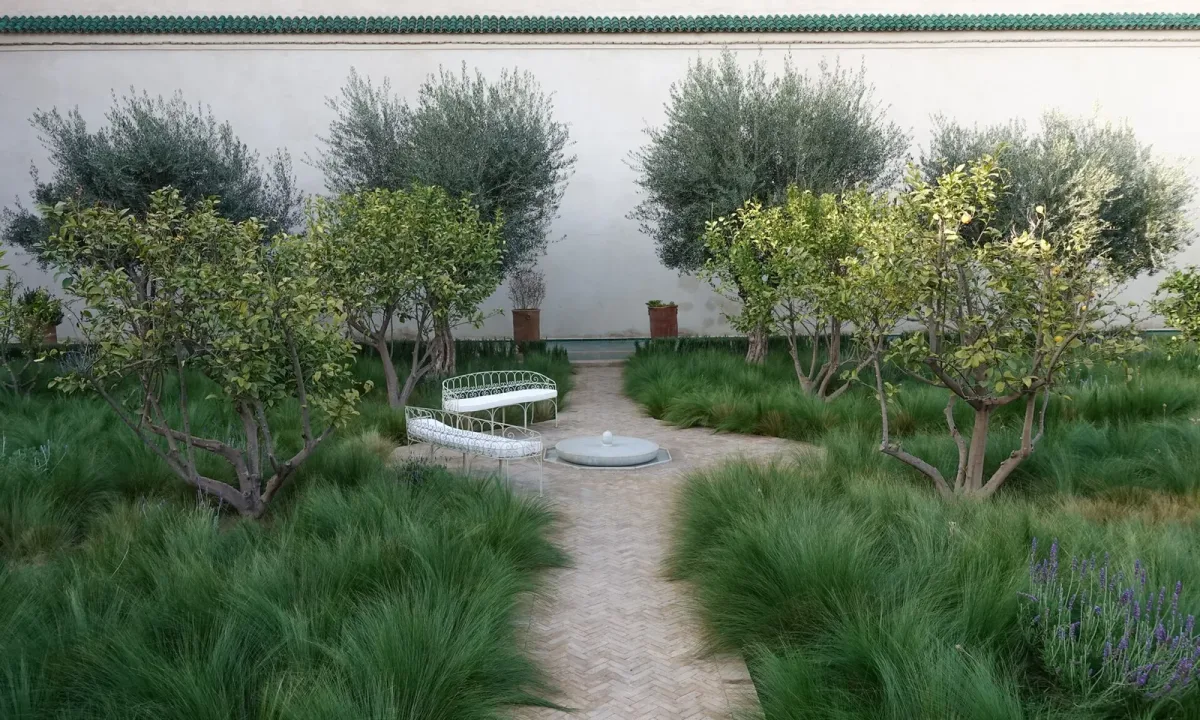
    Le Jardin Secret is a graceful late-afternoon pause: restored architecture, water, planting, and a calmer medina mood. It is not as visually loud as Majorelle, which is exactly why it pairs well with the final day.

    Garden courtyard at Le Jardin Secret in Marrakech
    Credit: Bernhard Holub, via Wikimedia Commons (CC BY-SA 4.0) · CC BY-SA 4.0
  6. 45 min

    Afternoon rest break

    Use the break to cool down, regroup, or decide how much final sightseeing you actually want.

  7. 1 hour

    El Badi Palace

    End with scale and open sky rather than another enclosed room.

    El Badi Palace is a ruin, not a polished palace, and that makes it a strong finale. The empty scale, walls, sun, nesting storks, and memory of Saadian ambition give Marrakech a dramatic final texture. If heat or fatigue is high, shorten it and protect dinner instead.

    Ruins and courtyard walls at El Badi Palace in Marrakech
    Credit: Draceane, via Wikimedia Commons (CC BY-SA 4.0) · CC BY-SA 4.0
  8. 1 hour 30 min

    Farewell dinner

    Choose either one final medina terrace or a calmer modern restaurant, depending on what the trip still needs.

Itinerary decisions

What makes the cut, what can wait, and what is less worth it.

Essential

  • Keep the southern medina monuments and Jemaa el-Fna together so the first day has a clear shape.
  • Use Ourika Valley as a full middle-day reset instead of squeezing it around medina sightseeing.
  • Pair Majorelle and the YSL Museum with Gueliz so the final day shows modern Marrakech too.

Optional

  • Skip Hivernage if you would rather return to a riad dinner inside the medina.
  • Use Le Jardin Secret as the calmer garden if Majorelle feels too crowded.
  • Shorten El Badi Palace if heat or fatigue makes open ruins unappealing.

Not prioritized

  • Do not add Essaouira, Ouzoud, Agafay, and Ourika to a three-day first visit.
  • Do not try to shop every souk lane with a fixed route; Marrakech works better with controlled wandering.

Before you use this plan

  • Opening hours, ticket rules, prayer times, heat, holiday schedules, guide availability, and mountain weather can change quickly.
  • Use trusted guides, drivers, or riad recommendations where logistics are complex, especially for Ourika Valley.
  • This is a public example. Dayworthy can adapt the route to exact dates, riad location, heat tolerance, shopping interest, mobility, and day-trip style inside the app.

Dayworthy

Turn this example into your trip.

Dayworthy adapts the itinerary to your dates, pace, hotel, interests, and saved places.