Dayworthy itinerary

A realistic 4-day Cairo itinerary for first-time visitors

Cairo is not a city to speed-run. This four-day plan protects the pyramids, major museums, Islamic Cairo, Coptic Cairo, Nile downtime, and one Alexandria escape without pretending the traffic, heat, and scale are small details.

Destination
Cairo, Egypt
Length
4 days
Pace
balanced
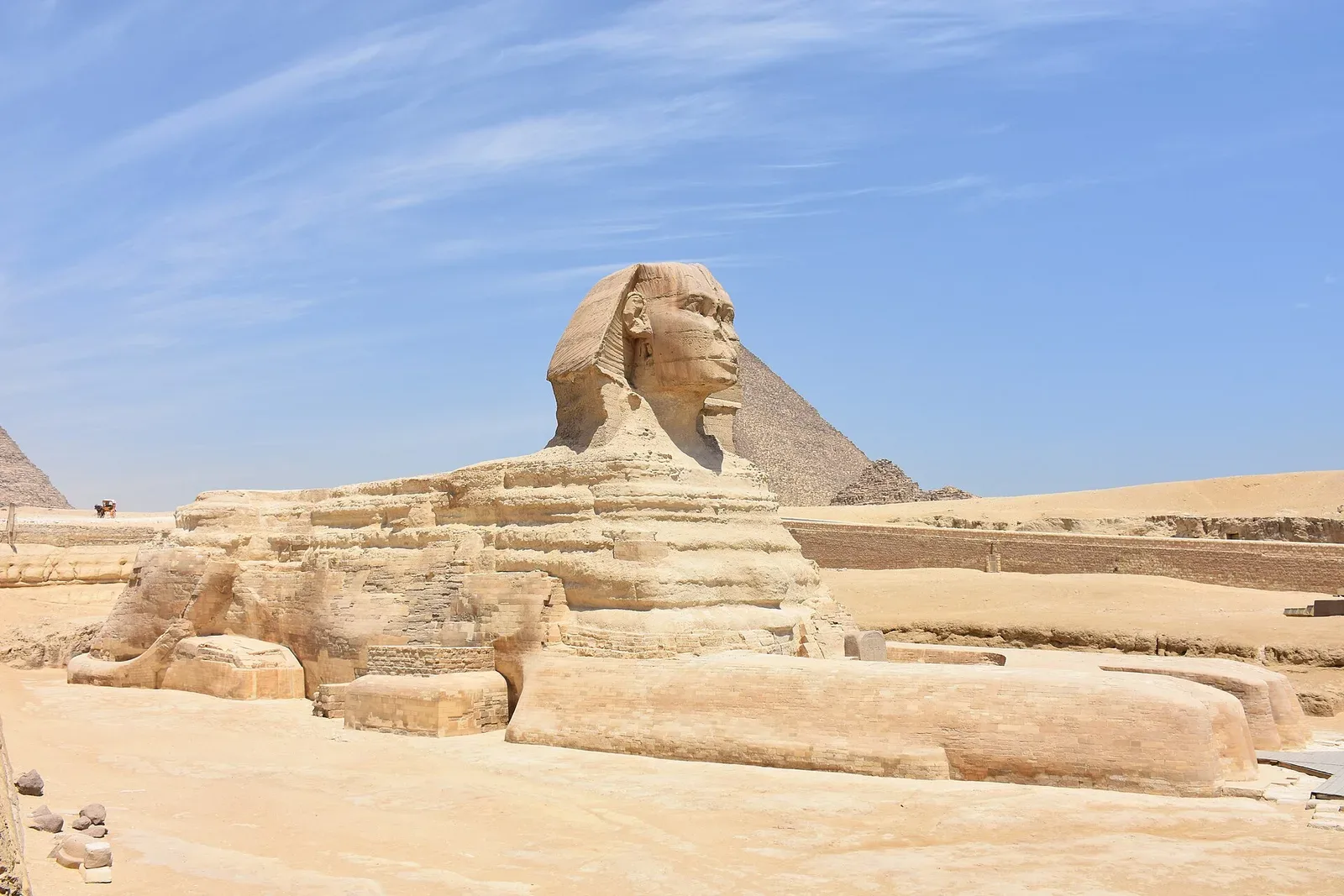
The Great Sphinx and pyramids, used as the hero image for a 4-day Cairo itinerary
Credit: MusikAnimal, via Wikimedia Commons (CC BY-SA 3.0) · CC BY-SA 3.0

Day-by-day plan

A paced plan, not an endless list.

Day1

Giza, the Grand Egyptian Museum, and a gentle Nile finish

Start with the reason many travelers come to Cairo, then keep the rest of the day nearby. Giza and the Grand Egyptian Museum pair naturally, while the Nile Corniche gives the evening a softer landing.

  1. 2 hours

    Giza Plateau

    Go early and keep the morning focused on the plateau rather than adding cross-city detours.

    The Giza Plateau deserves first-day priority because it sets the scale for the whole trip. Treat it as a landscape, not just a photo stop: pyramids, desert edges, viewpoints, causeways, crowds, vendors, and long exposed walks all shape the experience. A guide, driver, or very clear transport plan can make this morning far less draining.

  2. 45 min

    Great Sphinx of Giza

    Use this as the final Giza anchor before lunch or the museum shift.

    The Great Sphinx is compact compared with the pyramids, but it gives the morning a memorable close. It is best appreciated as part of the full Giza setting: ancient scale, desert light, and the slightly surreal feeling of seeing an image you have known for years become an actual place in front of you.
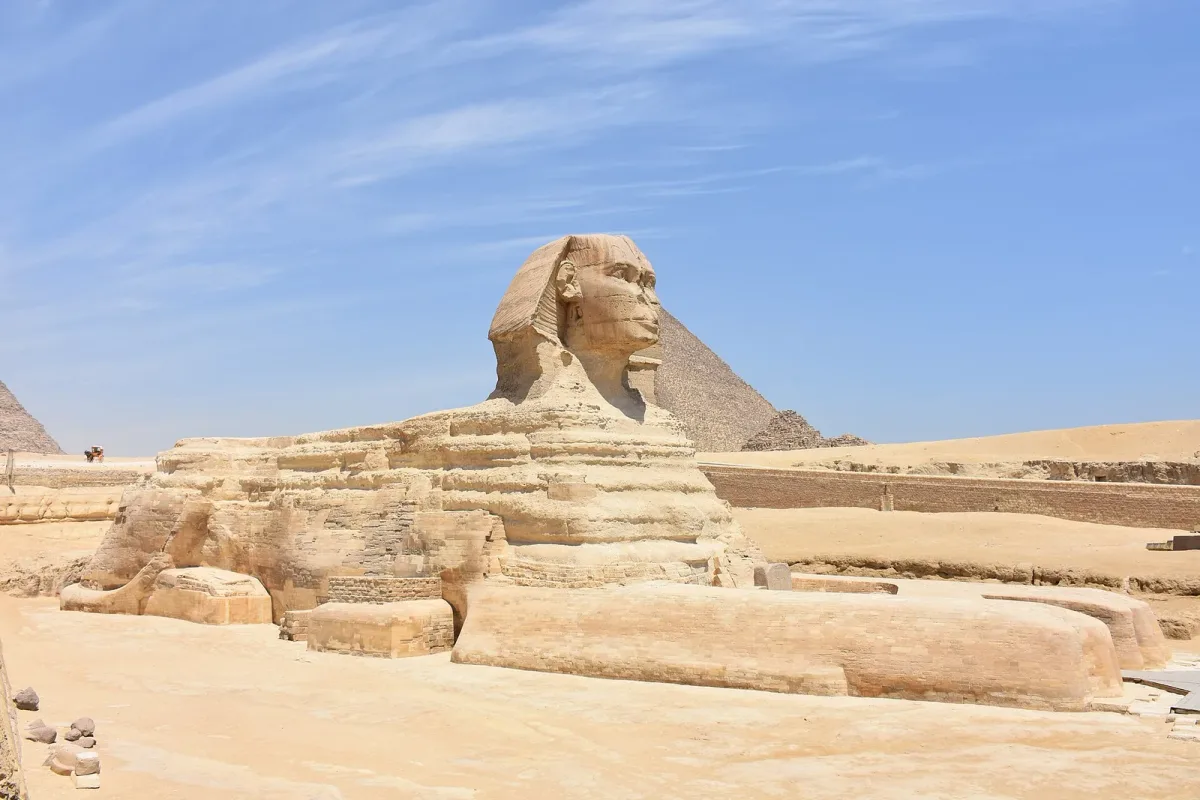
    The Great Sphinx with the pyramids behind it in Giza
    Credit: MusikAnimal, via Wikimedia Commons (CC BY-SA 3.0) · CC BY-SA 3.0
  3. 1 hour 30 min

    Lunch near Giza or the museum

    Stay west of the city for lunch so the day does not become pyramids, traffic, museum, traffic, exhaustion.

  4. 2 hours 30 min

    The Grand Egyptian Museum

    Make this the afternoon anchor and verify current access before you go.

    The Grand Egyptian Museum works best after Giza because the geography and subject matter already make sense. Do not try to treat it as a complete encyclopedia in one visit. Choose a few sections, leave space for the scale of the building itself, and confirm current galleries, tickets, and opening rules because the museum experience can evolve.
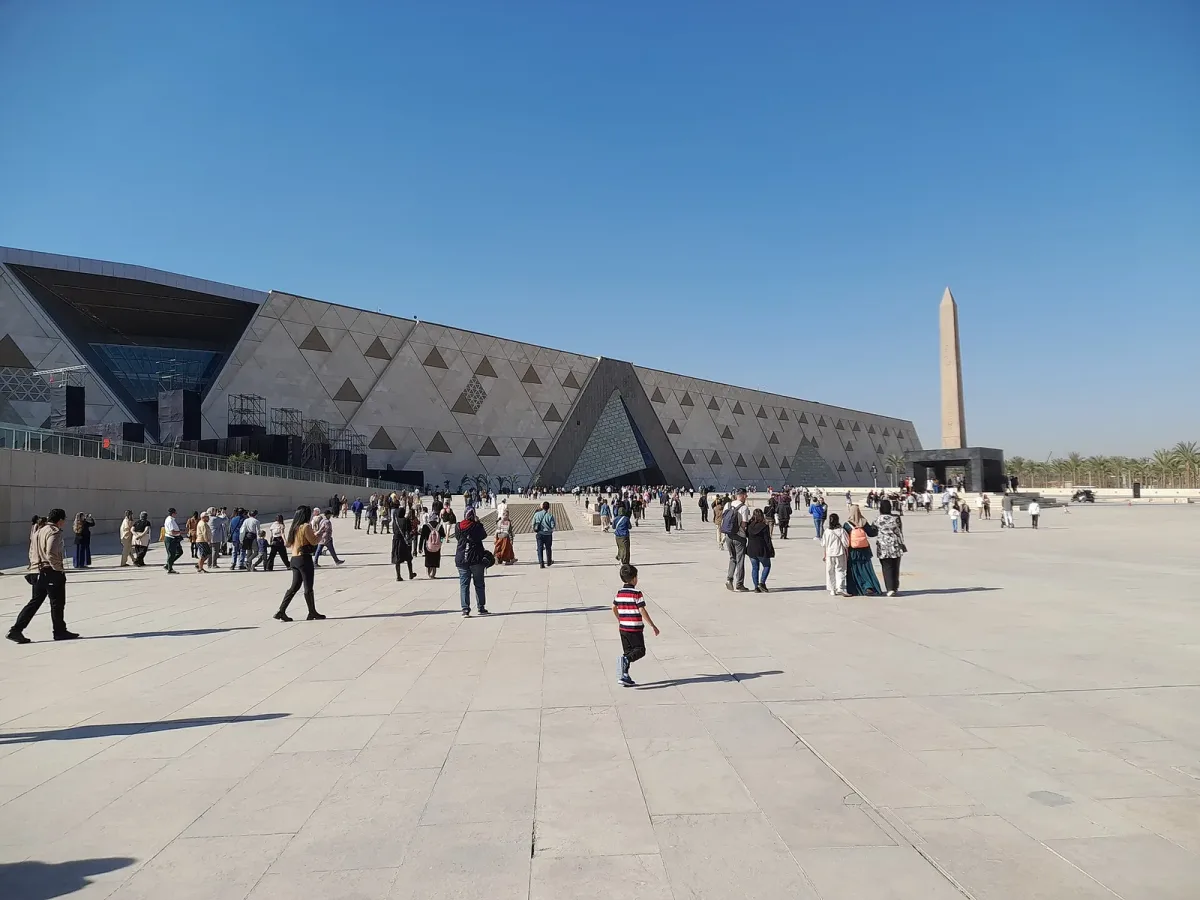
    The Grand Egyptian Museum near the Giza Plateau
    Credit: Amr F.Nagy, via Wikimedia Commons (Public domain) · Public domain
  5. 1 hour

    Mid-afternoon reset

    Return to the hotel or take a proper pause. Cairo rewards travelers who protect recovery time.

  6. 1 hour

    Nile Corniche

    Use the riverfront for an easy orientation walk or a low-pressure evening view.

    The Nile Corniche is not a tidy promenade in the polished sense, but it gives Cairo a different rhythm after the desert and museum day. Keep expectations simple: river views, city movement, bridges, evening light, and a reminder that the Nile is still the city’s central line.

  7. 1 hour 30 min

    Dinner with an easy route back

    Choose dinner near your hotel, Zamalek, Garden City, or wherever your transfer home is simplest.
Day2

The Citadel, monumental mosques, Al-Muizz Street, and Khan el-Khalili

This is the Islamic Cairo day: big skyline views first, then dense historic streets and market energy. It is rewarding, but it needs pauses and modest routing.

  1. 1 hour 15 min

    Saladin Citadel

    Start high above the city before the day becomes denser.

    The Citadel gives you Cairo from above: domes, haze, hills, minarets, and the sense of a city layered over centuries. It is a useful first stop because it creates context before you enter the tighter streets below. Give yourself time for views and transitions rather than rushing straight to the next mosque.

    The Citadel of Cairo above the historic city
    Credit: Olaf Tausch, via Wikimedia Commons (CC BY 3.0) · CC BY 3.0
  2. 45 min

    Mosque of Muhammad Ali

    Visit respectfully and keep clothing/access expectations in mind.

    The Mosque of Muhammad Ali is the Citadel’s signature interior and skyline marker. It can feel grand, bright, and ceremonial, especially after the fortress views. Treat it as both an active religious space and an architectural stop, and leave flexibility for prayer times or access changes.

  3. 1 hour

    Mosque-Madrasa of Sultan Hassan

    Use this as the day’s architectural highlight before lunch.

    The Mosque-Madrasa of Sultan Hassan is one of Cairo’s great architectural stops because the scale feels powerful without needing much explanation. The courtyard, stonework, height, and neighboring historic fabric make it worth slowing down for. If you only have patience for one extra mosque after the Citadel, protect this one.

    The Mosque-Madrasa of Sultan Hassan in Islamic Cairo
    Credit: Ovedc, via Wikimedia Commons (CC BY-SA 4.0) · CC BY-SA 4.0
  4. 1 hour 30 min

    Lunch before the old-city walk

    Eat before Al-Muizz and Khan el-Khalili so the afternoon can stay flexible.

  5. 1 hour 30 min

    Al-Muizz Li-Din Allah Al-Fatimi Street

    Walk slowly and let the sequence of gates, facades, and courtyards do the work.

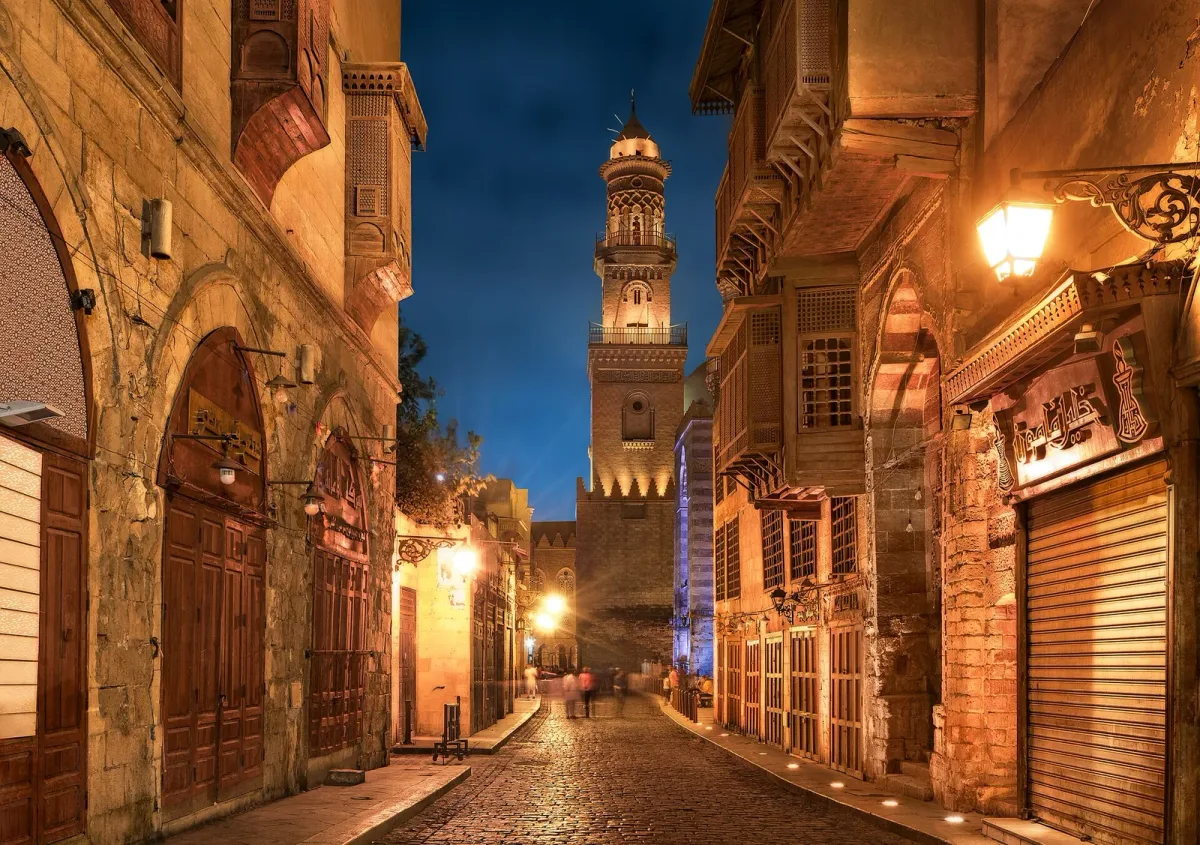
    Al-Muizz Street is where Islamic Cairo becomes a continuous streetscape rather than isolated landmarks. The value is in the rhythm: carved doors, minarets, historic houses, shopfronts, and the feeling that every few minutes another detail pulls you sideways. Keep the route edited instead of trying to enter everything.

    Historic architecture on Al-Muizz Street in Cairo
    Credit: Mohammed Moussa, via Wikimedia Commons (CC BY-SA 4.0) · CC BY-SA 4.0
  6. 1 hour 15 min

    Khan el-Khalili

    Browse for atmosphere, not efficiency.

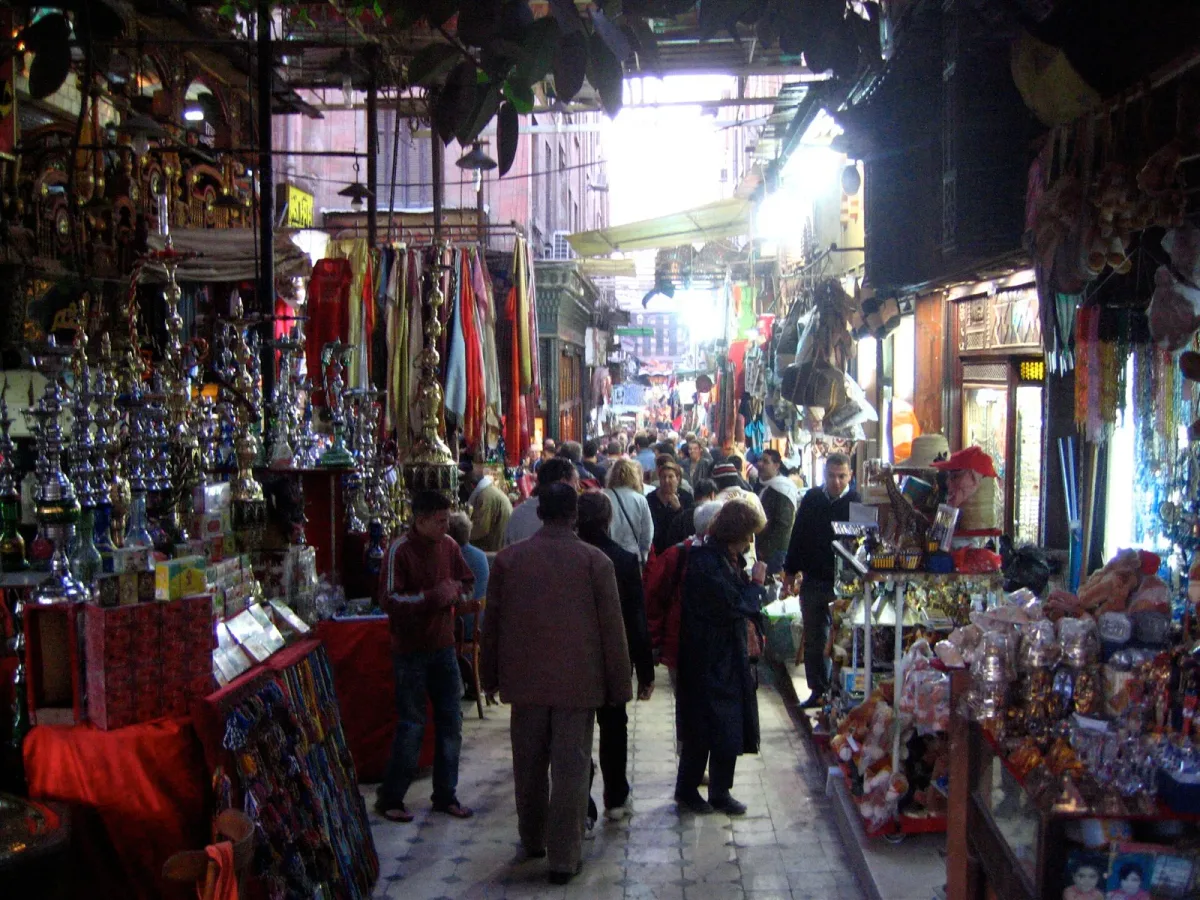
    Khan el-Khalili is busy, performative, touristy in places, and still absolutely part of the Cairo texture. Come for lanterns, metalwork, narrow lanes, tea, bargaining energy, and people-watching. It works best when you treat shopping as optional and atmosphere as the main event.

    Shops and lanterns in Khan el-Khalili market
    Credit: V Manninen from Funland, via Wikimedia Commons (CC BY 2.0) · CC BY 2.0
  7. 45 min

    Mint tea and rest

    Take the pause seriously. This day has a lot of stone, sound, and street energy.

  8. 1 hour

    Al-Azhar Park

    End with green space or skyline views if the day still has energy.

    Al-Azhar Park is the right decompression point after Islamic Cairo. It gives the day air, greenery, and views without asking for another intense attraction. If the market ran long, make this optional; if you still have energy, it is a graceful way to close the afternoon.

Day3

Coptic Cairo, the Egyptian Museum, downtown, and the Nile

Use this day for Cairo’s layered religious and museum history, then finish with a lighter downtown-and-river evening rather than forcing another heavy site.

  1. 1 hour

    Hanging Church

    Start in Coptic Cairo while the area is calmer.

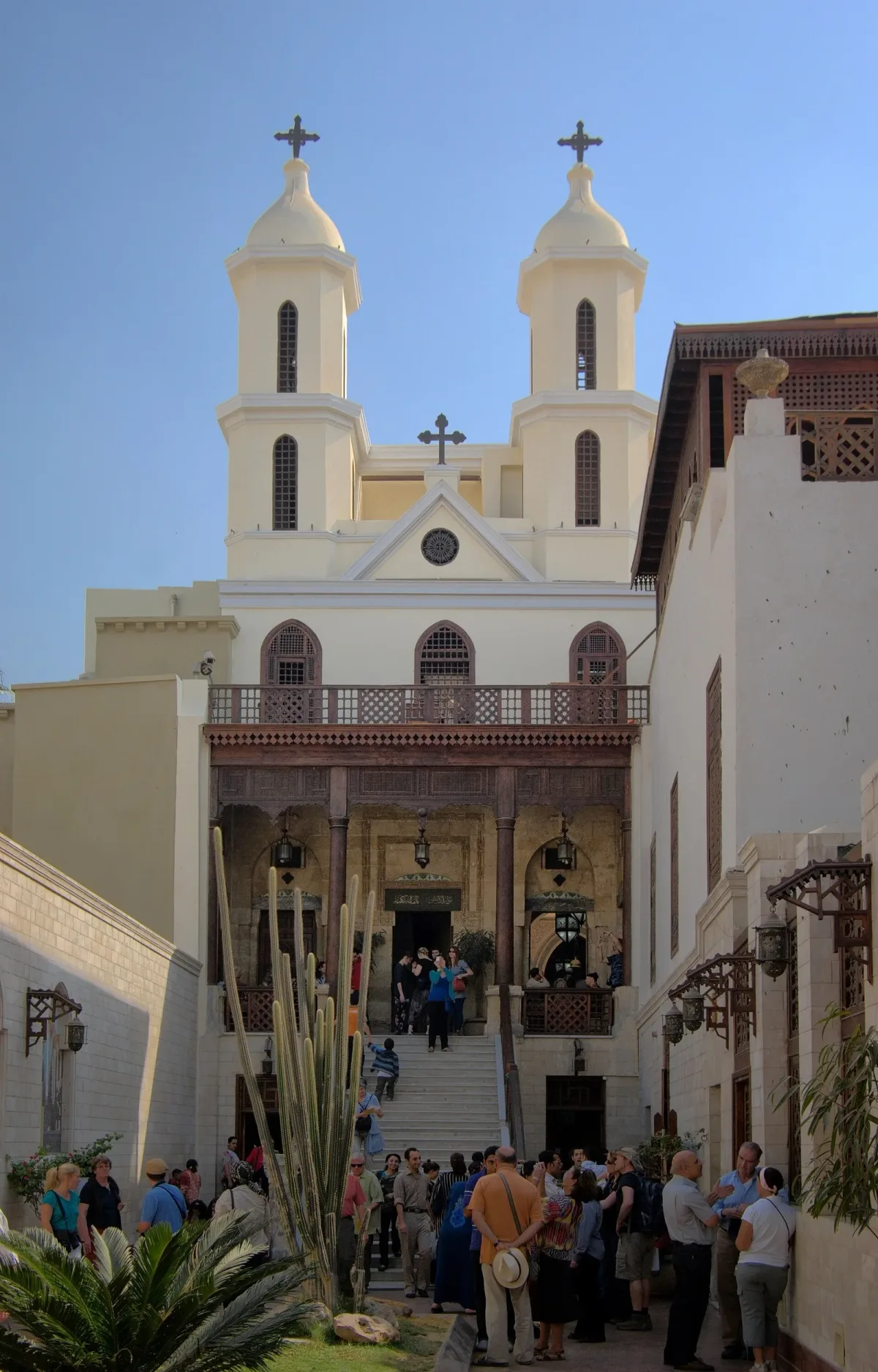
    The Hanging Church gives the day a quieter, older texture than the previous afternoon. The appeal is not spectacle so much as continuity: icons, woodwork, courtyards, and the layered feeling of Coptic Cairo. Move respectfully and keep the visit unhurried.

    The Hanging Church in Coptic Cairo
    Credit: Berthold Werner, via Wikimedia Commons (CC BY-SA 3.0) · CC BY-SA 3.0
  2. 1 hour 30 min

    Coptic Museum

    Pair this with the churches rather than treating it as a random museum add-on.

    The Coptic Museum is the context stop. It helps connect early Christian Egypt, decorative arts, manuscripts, textiles, and religious history into something more legible than a quick church visit alone. Keep the visit focused if museum fatigue is real, because the Egyptian Museum still comes later.

  3. 1 hour 30 min

    Lunch and transfer buffer

    Build in real transfer time between Coptic Cairo and central Cairo.

  4. 2 hours

    The Egyptian Museum in Cairo

    Use a shortlist here; the collection can easily swallow the whole afternoon.

    The Egyptian Museum in Cairo is dense, historic, and sometimes overwhelming, which is part of its character. Go in with priorities instead of trying to see every case. It is a strong complement to the Grand Egyptian Museum because the building and collection style feel like a different chapter of Cairo museum history.

    The Egyptian Museum building in Cairo
    Credit: Olaf Tausch, via Wikimedia Commons (CC BY 3.0) · CC BY 3.0
  5. 1 hour

    Downtown Cairo

    Keep this as an atmosphere walk, coffee stop, or architecture browse.

    Downtown Cairo is best late in the day when you are not asking it to be neat. Look for belle époque facades, bookshops, cafes, traffic, shop signs, and everyday city life around the older modern center. It is more mood than checklist, which is exactly why it belongs after museums.

  6. 1 hour

    Hotel rest

    Pause before the river. Cairo evenings are better when you are not running on fumes.

  7. 1 hour

    Felucca Ride

    Use this only if weather, timing, and operator comfort feel right.

    A felucca ride is a gentle way to end the Cairo portion of the trip, but it should stay optional. If the wind, timing, or logistics are awkward, choose a Nile-view dinner instead. The point is the river at dusk, not forcing a boat ride for the sake of a checklist.

  8. 1 hour 30 min

    Simple dinner

    Keep dinner easy because the next day starts early if you choose Alexandria.

Day4

Alexandria as a full-day Mediterranean contrast

Use the final day for one clear change of scene. Alexandria is a long day from Cairo, so treat it as a coastal reset rather than a sprint through every possible sight.

  1. 10 hours

    Day trip to Alexandria

    Choose train, driver, or guided trip based on how much logistics you want to manage.

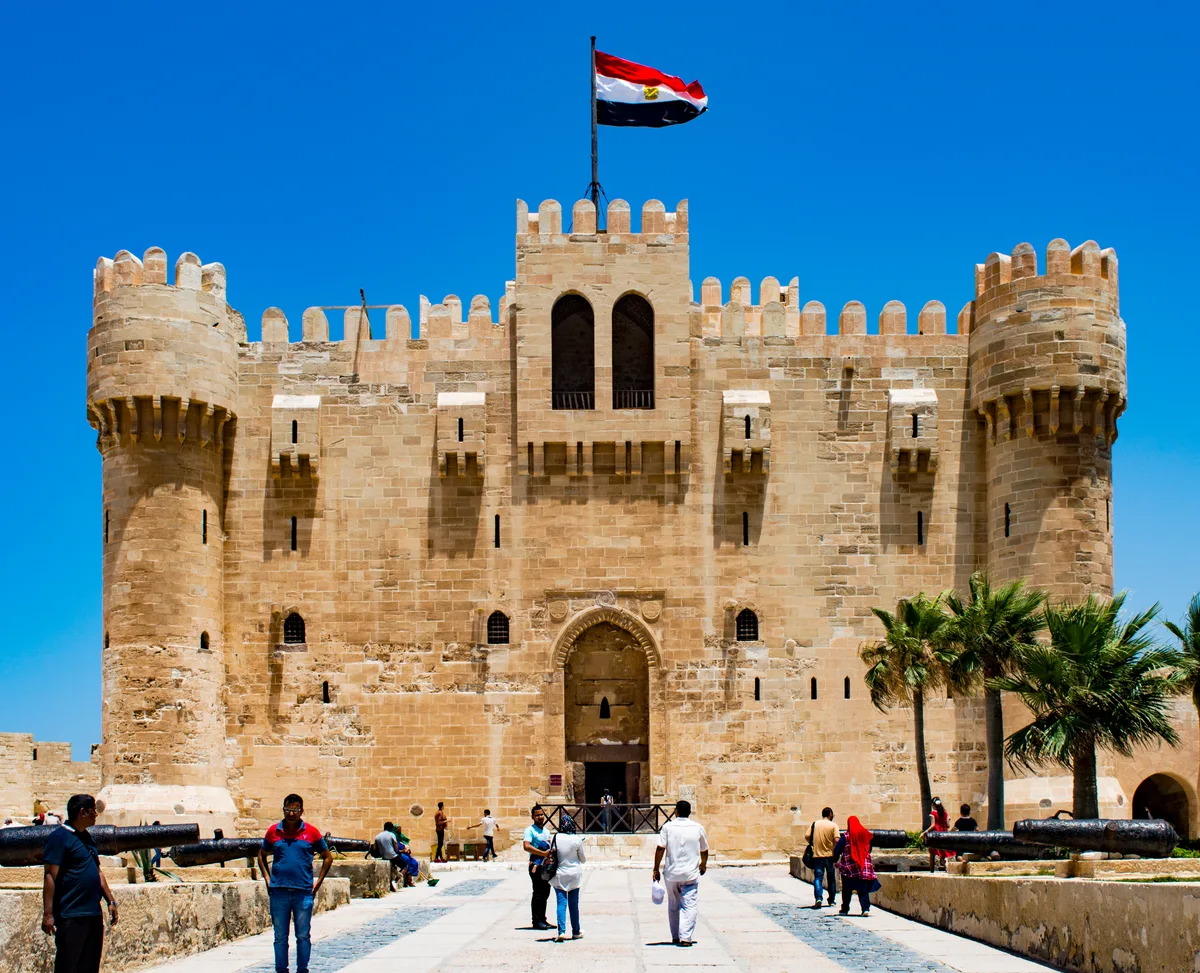
    Alexandria works as the final-day contrast because it changes Cairo’s density into Mediterranean air, sea walls, older cosmopolitan layers, and a slower coastal mood. Keep the plan edited: Qaitbay Citadel, a sea-view walk, one museum or library stop if it fits, lunch, and a realistic return. If you dislike long day trips, replace this with a slower extra Cairo day.

    Qaitbay Citadel on the Mediterranean in Alexandria
    Credit: ASaber91, via Wikimedia Commons (CC BY-SA 4.0) · CC BY-SA 4.0

Itinerary decisions

What makes the cut, what can wait, and what is less worth it.

Essential

  • Keep Giza and the Grand Egyptian Museum together so the first day stays geographically sane.
  • Protect Islamic Cairo as one coherent day instead of scattering mosques and markets across the trip.
  • Treat Alexandria as a full-day commitment, not a casual afternoon add-on.

Optional

  • Use Al-Azhar Park only if the Islamic Cairo day still has energy.
  • Choose a felucca ride or a Nile-view dinner depending on weather and comfort.
  • Swap Alexandria for a slower Cairo day if long transfers do not fit your travel style.

Not prioritized

  • Do not stack Saqqara, Memphis, and Dahshur onto the same first-time route unless you add another day.
  • Do not try to see every museum room in Cairo; choose priorities and preserve energy.

Before you use this plan

  • Opening hours, ticket rules, museum access, mosque access, prayer times, traffic, heat, and holiday schedules can change quickly.
  • Use licensed guides or trusted transport where logistics are complex, especially around Giza and Alexandria.
  • This is a public example. Dayworthy can adapt the route to exact dates, hotel area, museum appetite, mobility, heat tolerance, and transport style inside the app.

Dayworthy

Turn this example into your trip.

Dayworthy adapts the itinerary to your dates, pace, hotel, interests, and saved places.