Dayworthy itinerary

Three days in Kyoto, from Kiyomizu-dera to the deer of Nara

A realistic 3-day Kyoto itinerary

A balanced first visit split into eastern Kyoto on Day 1 (Kiyomizu-dera, the old lanes of Higashiyama, Gion and Pontocho), western and northern Kyoto on Day 2 (the bamboo grove, Tenryū-ji, Kinkaku-ji and Ryōan-ji), and a train day trip to Nara on Day 3.

Destination
Kyoto, Japan
Length
3 days
Pace
balanced
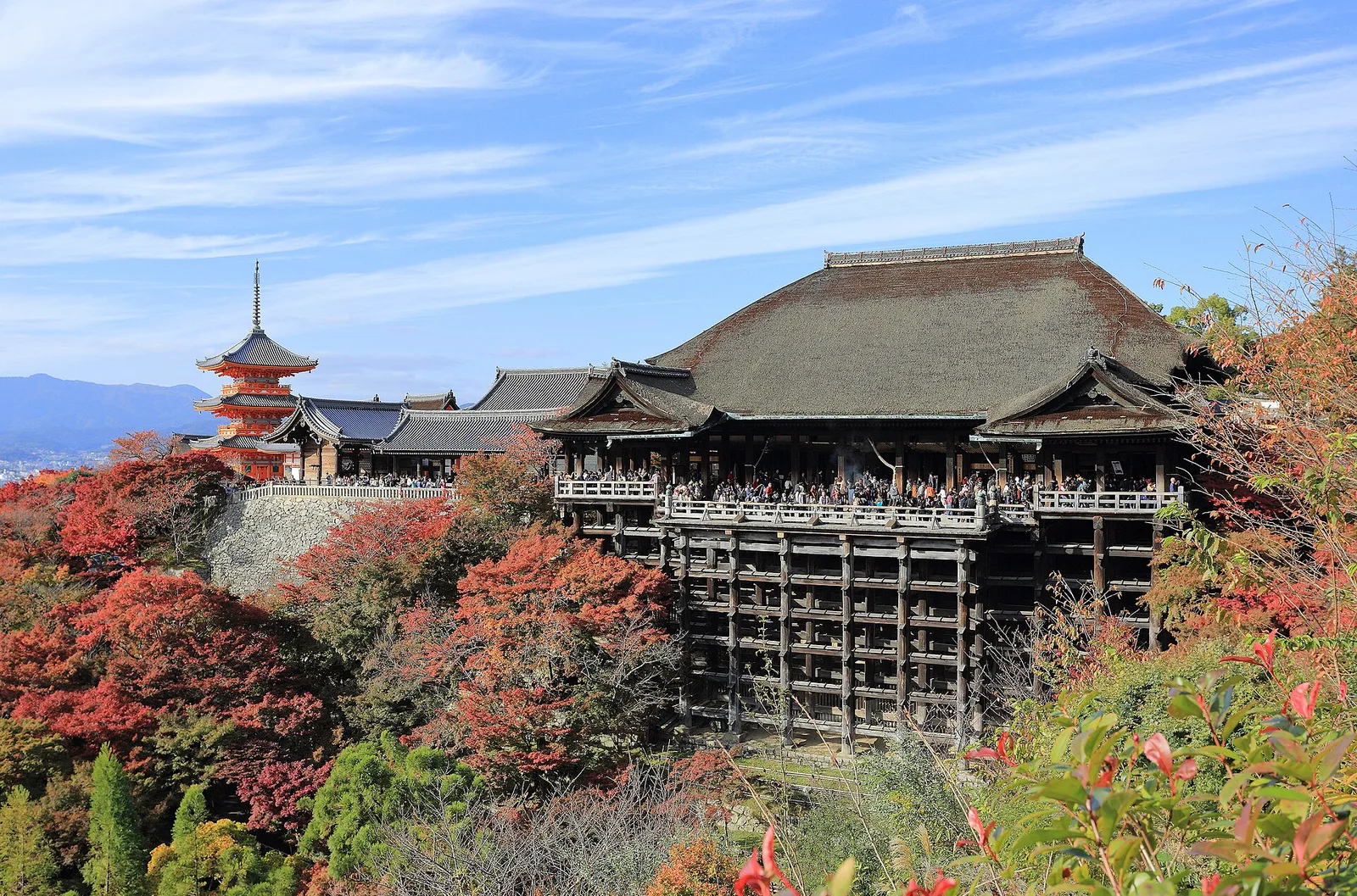
The wooden main hall of Kiyomizu-dera on its stilted veranda above autumn foliage, with a red pagoda beside it
Photo: Martin Falbisoner · CC BY-SA 4.0

Day-by-day plan

A paced plan, not an endless list.

Day1

Kiyomizu-dera, Higashiyama, Gion, and Pontocho

Start early at Kiyomizu-dera, which opens at 06:00, then walk down the old lanes of Higashiyama to Kōdaiji and Yasaka Shrine. Rest over matcha in the afternoon, then walk Gion toward dusk and finish with an evening stroll and dinner along the Kamo River in Pontocho.

  1. 1 hour 30 min

    Kiyomizu-dera Temple

    Walk the hilltop temple with its wooden stage over the valley, best early in the morning, before the crowds (ticketed).

    Kiyomizu-dera is a UNESCO World Heritage temple on the hills of eastern Kyoto, famous for its wooden main hall built out on a huge stilted veranda over the valley, and for the Otowa spring below it. It is worth an early start for the view over the city and the autumn and spring color. Expect a ticketed temple that opens at 06:00, so earlier is quieter, crowds that build quickly from mid-morning, and steep lanes and steps to reach it, so go early and wear comfortable shoes.
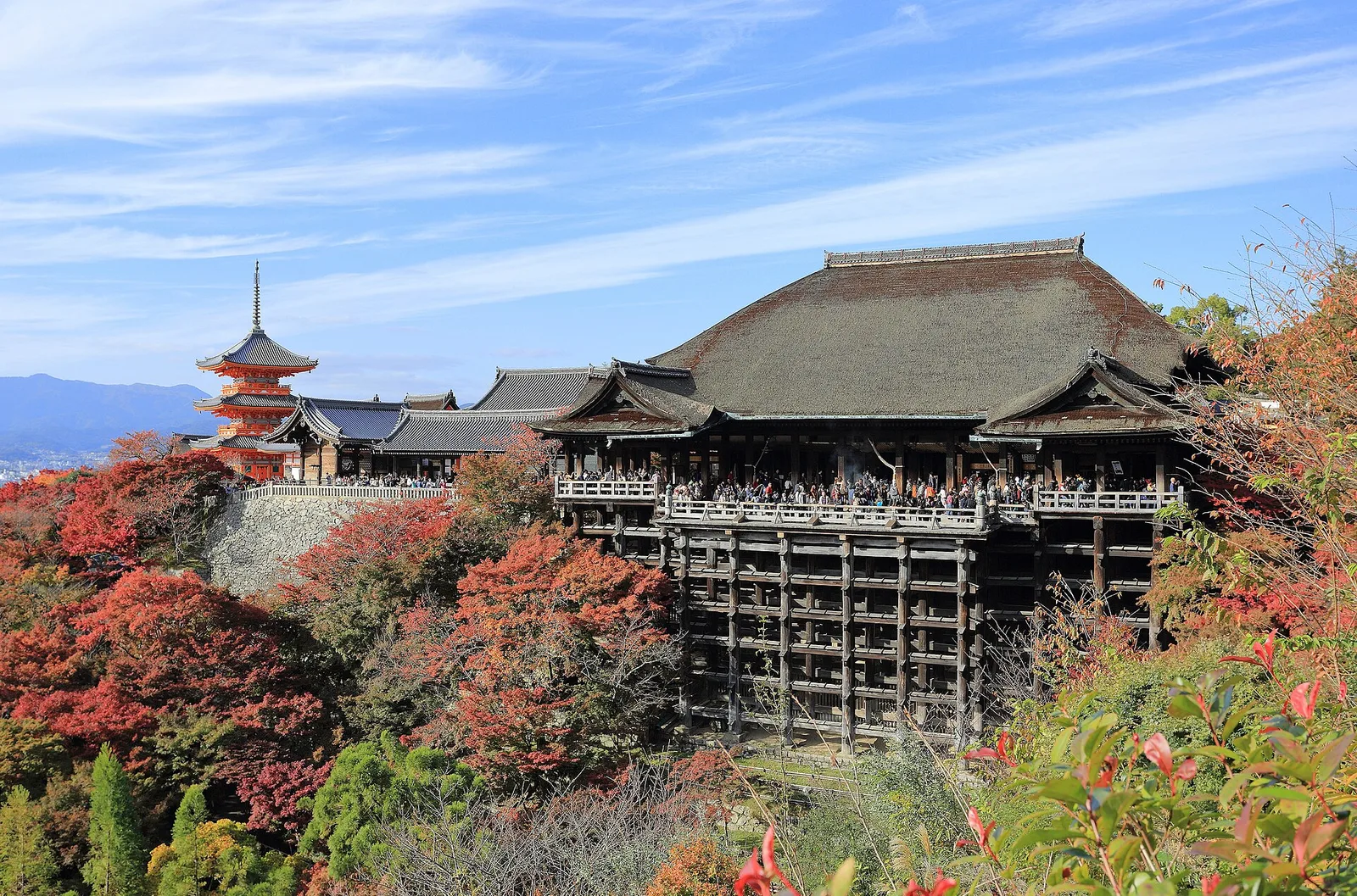
    The wooden main hall of Kiyomizu-dera on its stilted veranda above autumn foliage, with a red pagoda beside it
    Photo: Martin Falbisoner · CC BY-SA 4.0
  2. 50 min

    Sannenzaka and Ninenzaka

    Stroll the stepped, preserved lanes of old wooden shopfronts that lead down from the temple.

    Sannenzaka and Ninenzaka are two connected stone-paved lanes that run downhill from Kiyomizu-dera, lined with wooden machiya buildings now housing tea shops, sweets stores, and craft shops. It is worth a slow walk for the preserved old-Kyoto atmosphere. Expect most shops to open around 10:00, heavy crowds by late morning, and steps, so take it at a gentle pace and keep your belongings close.

  3. 1 hour

    Kōdaiji Temple

    See a Zen temple with a raked rock garden, a pond garden, and a bamboo grove (ticketed).

    Kōdaiji is a Zen temple in Higashiyama, founded in the early 1600s in memory of Toyotomi Hideyoshi, with a Zen rock garden, a pond garden, and a small bamboo grove, and it is usually quieter than the nearby temples. It is worth about an hour for its calm gardens. Expect a ticketed visit and special evening illuminations in some seasons, which are separately ticketed and busy.
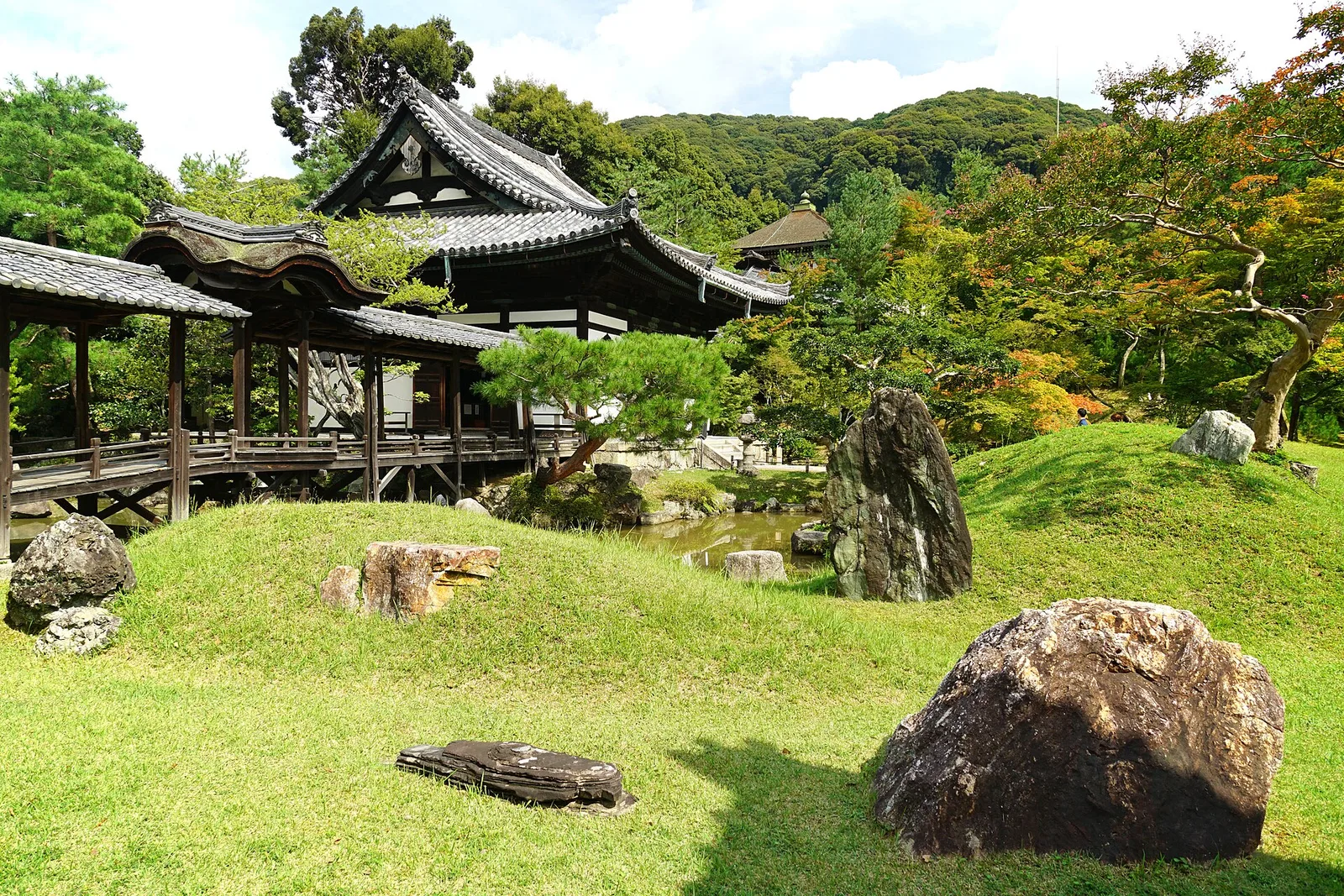
    A green garden at Kōdaiji with large rocks in the foreground and a roofed pavilion among the trees
    Photo: 663highland · CC BY-SA 4.0
  4. 1 hour 10 min

    Lunch near Yasaka Shrine

  5. 30 min

    Yasaka Shrine

    Visit the Shinto shrine at the end of Gion, a lively spot at any time of day.

    Yasaka Shrine sits at the eastern end of Shijō Street where Gion meets Maruyama Park, a Shinto shrine with a vermilion gate, a dance stage hung with lanterns, and an association with the Gion Matsuri festival. It is worth a short stop for the lanterns and the people-watching. Expect an open shrine that you can visit at any hour and that is free to enter, with crowds in the evening.
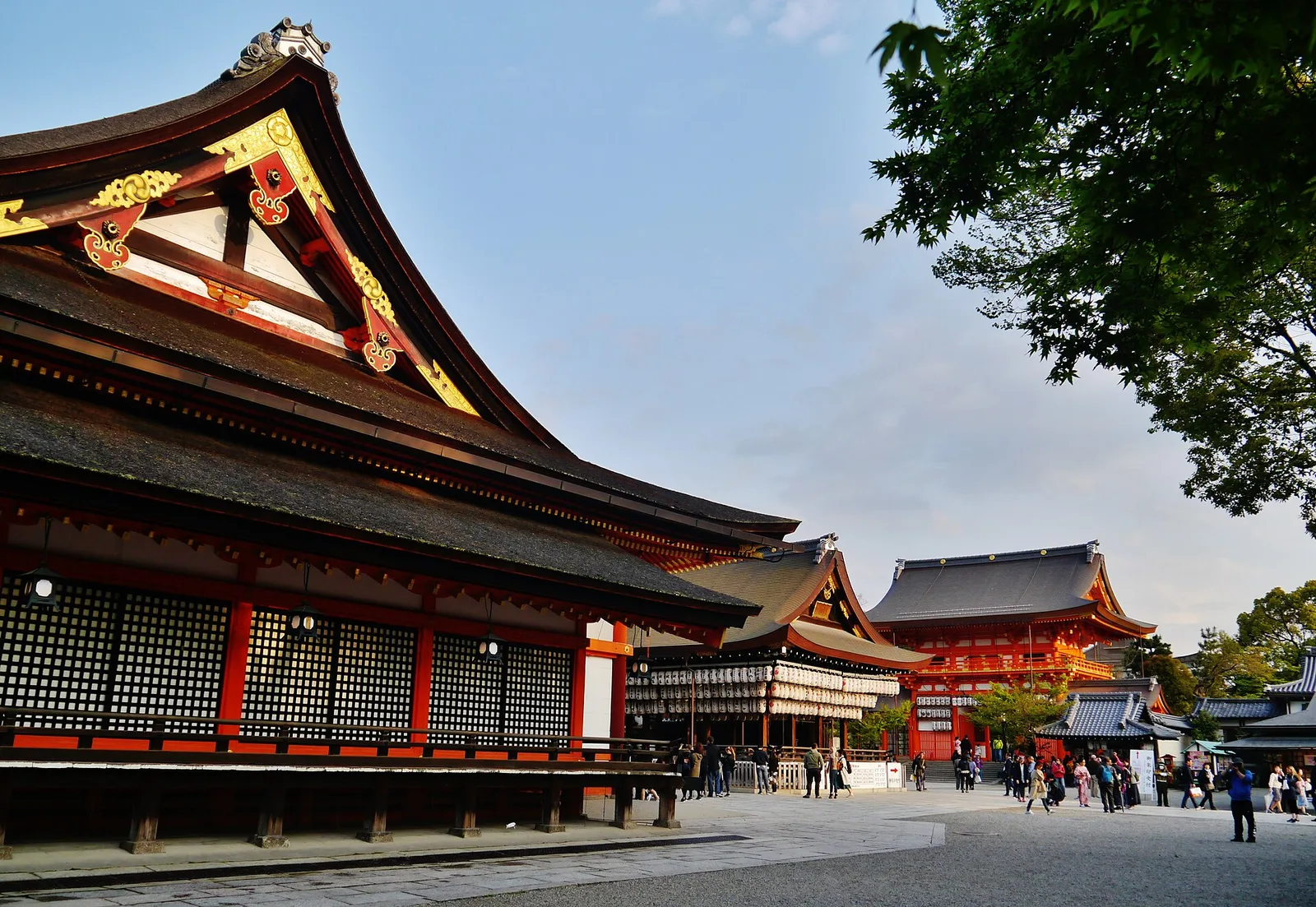
    The red-and-white halls of Yasaka Shrine with their curved roofs and a street beyond
    Photo: Zairon · CC BY-SA 4.0
  6. 45 min

    Matcha and a rest

  7. 1 hour 30 min

    Rest at the hotel (allow time to travel there and back)

  8. 1 hour 15 min

    Gion and Hanamikoji

    Walk the lanes of Kyoto’s old entertainment quarter, and respect the rules in the private alleys.

    Gion is Kyoto’s best-known geisha district, with wooden teahouses along Hanamikoji Street and the quiet Shirakawa canal. It is worth a slow walk for the old streets and the chance to see geiko and maiko in the early evening. Expect crowds, some private lanes that are off-limits to visitors (signs warn of fines), and a request not to chase or block the geiko and maiko, so be respectful and keep to the public streets.

  9. 40 min

    Pontocho Alley

    Stroll the narrow lantern-lit alley of restaurants beside the Kamo River.

    Pontocho is a narrow, lantern-lit alley of restaurants and bars running beside the Kamo River, a few blocks west of Gion. It is worth an evening walk for the atmosphere and its mix of traditional kaiseki houses and casual izakaya. Expect a tight, busy alley, higher prices than elsewhere, and a need to book ahead on weekends, so choose a restaurant in advance.

  10. 1 hour 30 min

    Dinner in Pontocho
Day2

Arashiyama, Tenryū-ji, Kinkaku-ji, and Ryōan-ji

Be in the bamboo grove of Arashiyama before the crowds, visit the garden of Tenryū-ji and the hillside villa of Ōkōchi Sansō, and have lunch in Arashiyama. Cross the city in the afternoon to the Golden Pavilion and the rock garden of Ryōan-ji.

  1. 40 min

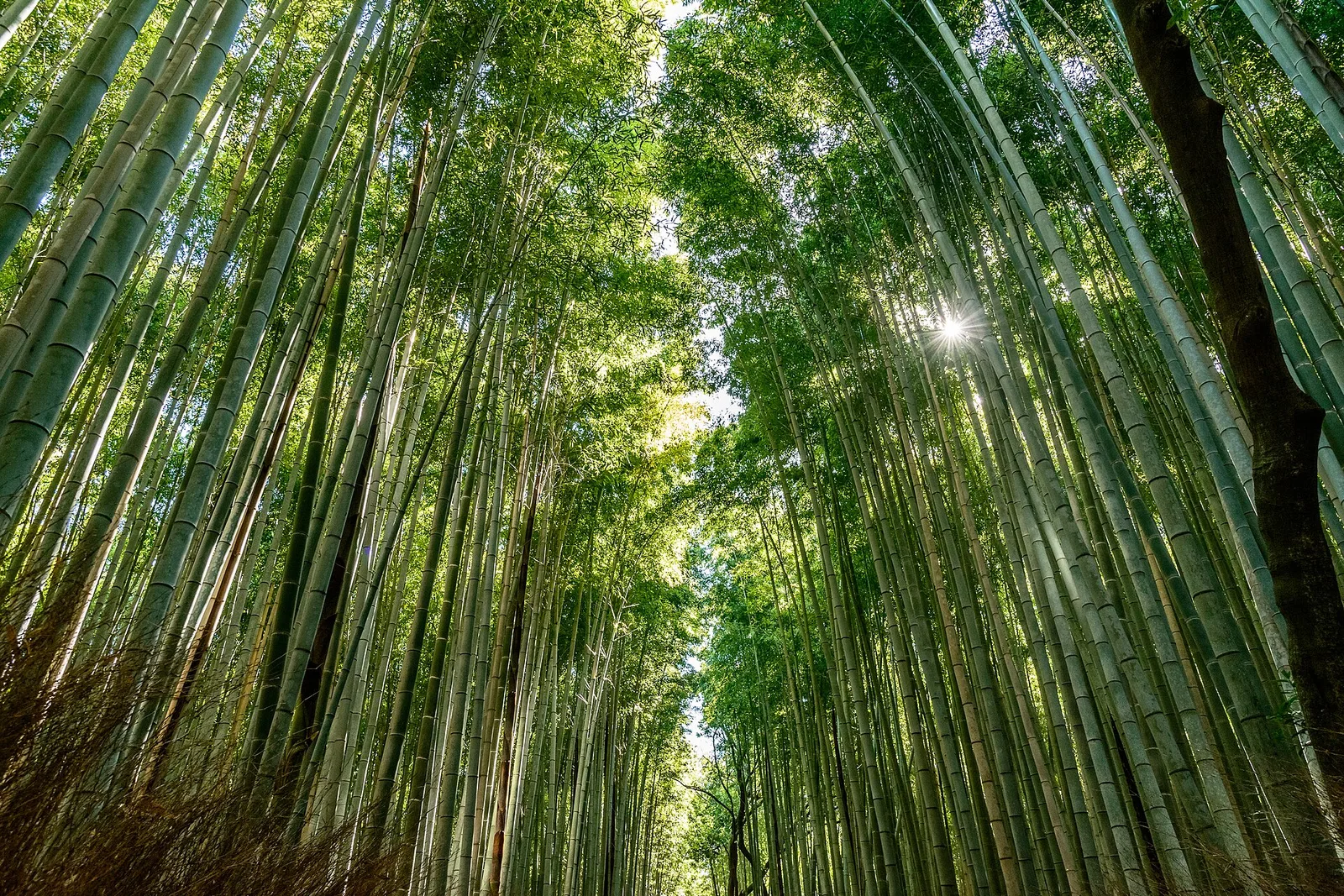
    Arashiyama Bamboo Grove

    Walk the famous path through tall bamboo stalks, best before the day-trippers arrive (free).

    The Arashiyama bamboo grove is a path of towering green bamboo stalks in western Kyoto, beside the gate of Tenryū-ji. It is worth an early-morning visit, when the light is soft and the path is quiet. Expect large crowds by mid-morning, a short path that takes about half an hour, and free entry at any time.

    Tall green bamboo stalks rising on both sides of a path in the Arashiyama bamboo grove
    Photo: dconvertini · CC BY-SA 2.0
  2. 1 hour 15 min

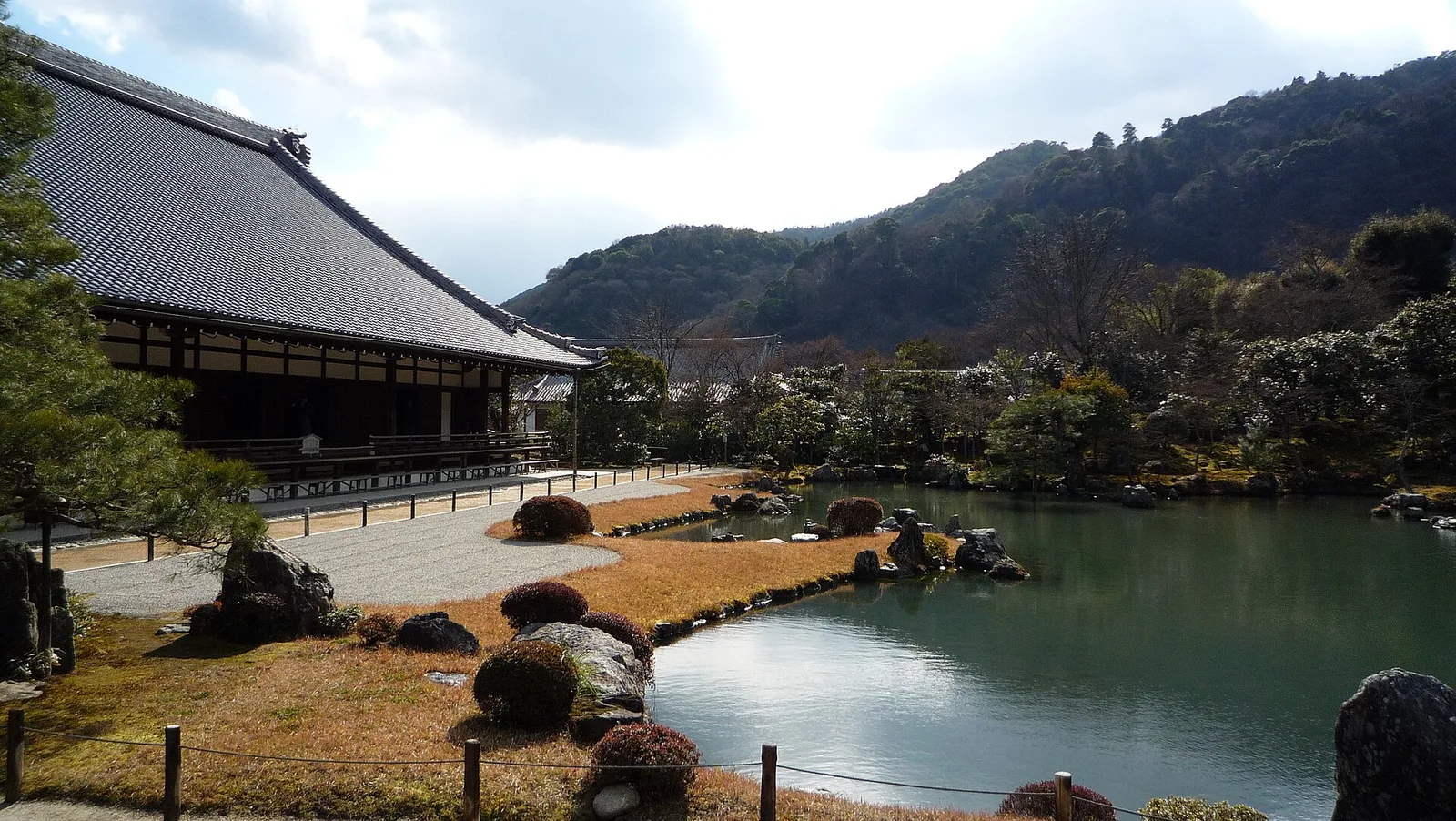
    Tenryū-ji Temple

    Visit the head Zen temple of Arashiyama, with a landscape garden dating to the 14th century (ticketed).

    Tenryū-ji is a UNESCO World Heritage Zen temple in Arashiyama, founded in the 14th century, with a classic pond garden that borrows the mountains behind it as scenery. It is worth about an hour for one of Kyoto’s best gardens, and its rear gate leads straight into the bamboo grove. Expect a ticketed temple that opens around 08:30, with the garden and the halls ticketed separately.

    The pond garden of Tenryū-ji with rocks along its shore and a wooden hall above, against forested hills
    Photo: osakaosaka · CC BY-SA 3.0
  3. 1 hour

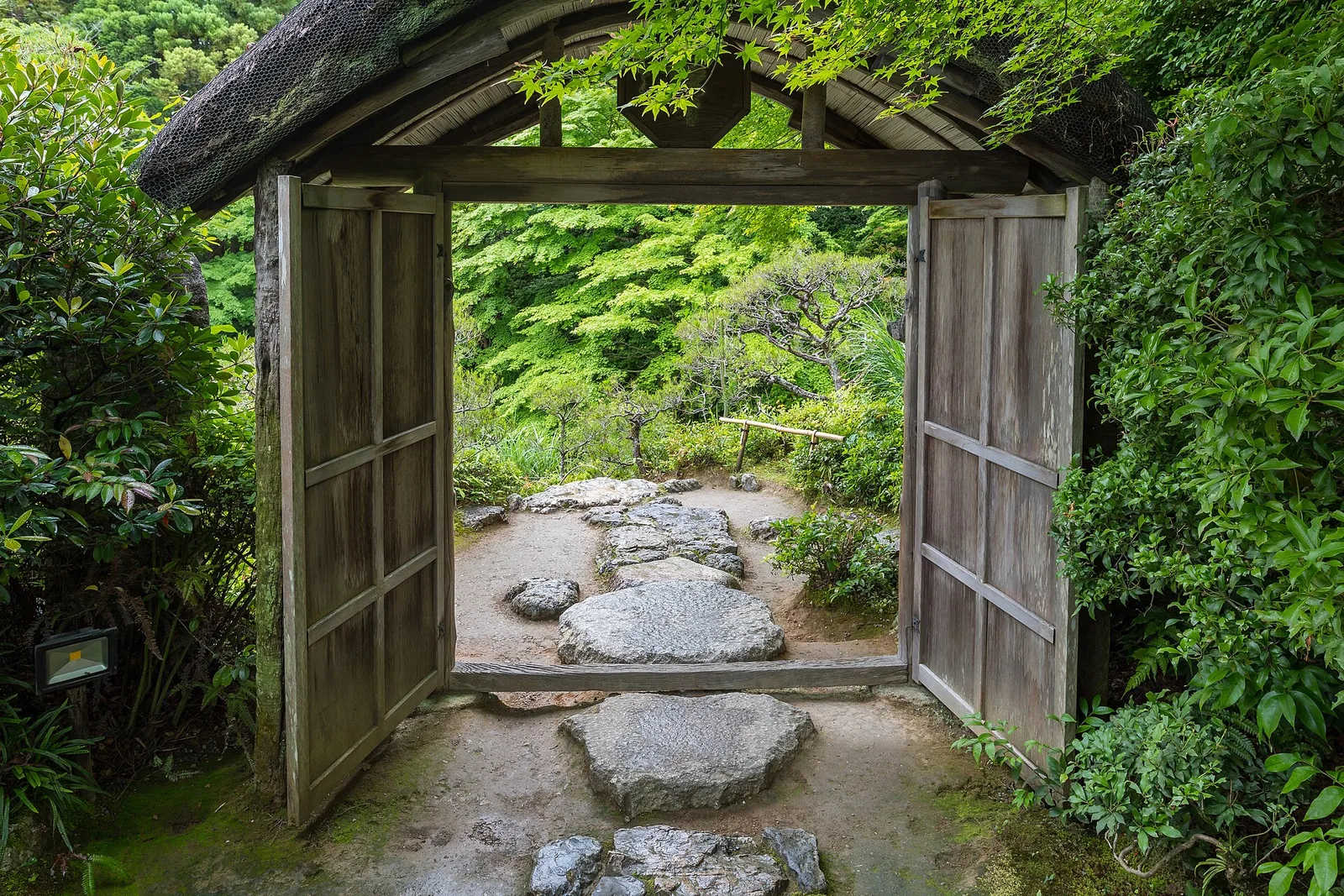
    Ōkōchi Sansō Garden

    Wander the hillside villa garden with views toward the mountains, with a cup of matcha included (ticketed).

    Ōkōchi Sansō is the hillside villa and garden of a famous film actor, laid out along a path with views over Kyoto and the mountains, and it includes tea and a sweet in the entry fee. It is worth an hour as a quiet, less crowded stop behind the bamboo grove. Expect a ticketed garden with steep paths and fewer visitors than the main temples.

    A weathered wooden gate opening onto a path of stepping stones in the green gardens of Ōkōchi Sansō
    Photo: Basile Morin · CC BY-SA 4.0
  4. 1 hour

    Lunch in Arashiyama

  5. 45 min

    Randen tram and bus, or a taxi, to Kinkaku-ji (about 45 minutes)

  6. 50 min

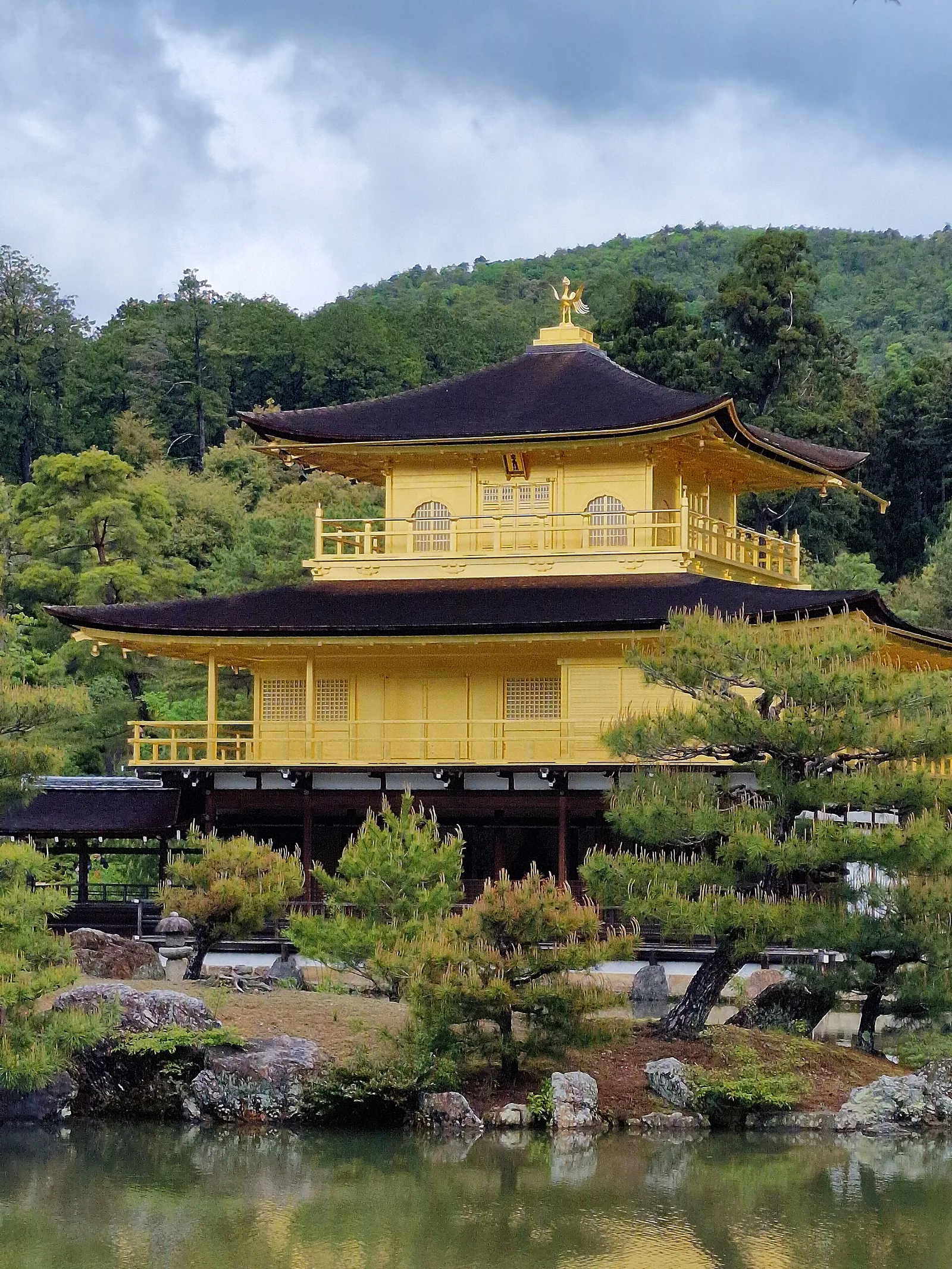
    Kinkaku-ji (the Golden Pavilion)

    See the gold-leaf pavilion beside its reflecting pond (ticketed; busy at midday).

    Kinkaku-ji, the Golden Pavilion, is a UNESCO World Heritage Zen temple whose upper floors are covered in gold leaf, reflected in a mirror pond, in northern Kyoto. It is worth about 45 minutes for one of Japan’s most photographed sights. Expect a one-way walking route around the pond, heavy crowds, and the pavilion viewed from the outside only.

    The gold-leafed Kinkaku-ji pavilion beside its pond, framed by pine trees
    Photo: Anagoria · CC BY-SA 4.0
  7. 50 min

    Ryōan-ji Temple

    Sit and look at the most famous dry rock garden in Japan, a short walk from Kinkaku-ji (ticketed).

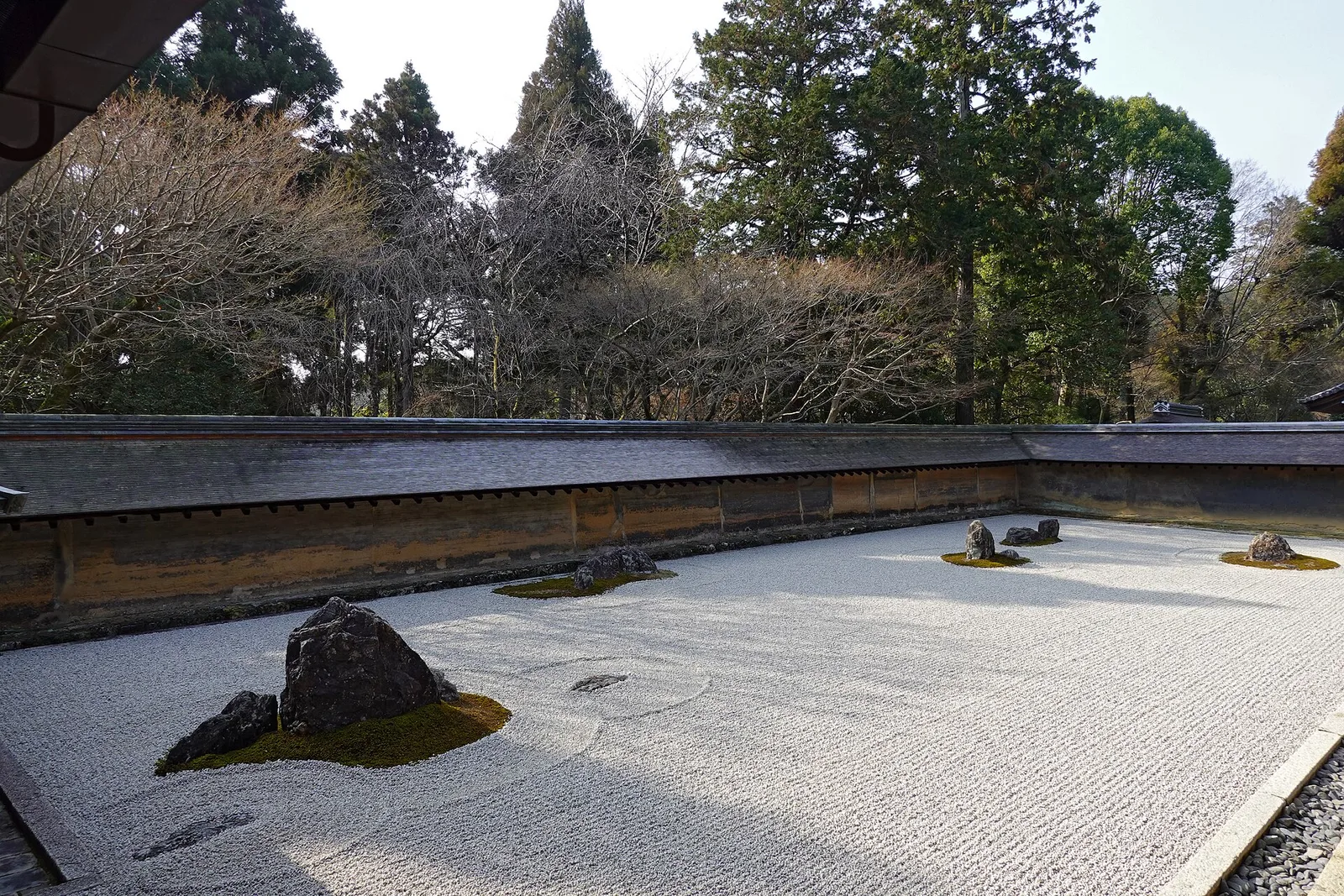
    Ryōan-ji is a Zen temple in northwestern Kyoto, known for a small rectangular garden of raked white gravel and fifteen rocks, which is a UNESCO World Heritage site. It is worth about 45 minutes to sit on the wooden veranda and take in the garden, and to walk its pond grounds. Expect a quiet, contemplative visit, a ticket at the entrance, and a walk of about 20 minutes from Kinkaku-ji.

    The raked white gravel and scattered rocks of the Ryōan-ji rock garden behind a low earthen wall
    Photo: 663highland · CC BY-SA 4.0
  8. 2 hours

    Rest at the hotel

  9. 1 hour 30 min

    Dinner in central Kyoto

Day3

A day trip to Nara: Tōdai-ji, Nara Park, and Kasuga Taisha

Take the train to Nara for the Great Buddha at Tōdai-ji, the deer of Nara Park, and the lantern-hung Kasuga Taisha. Wander the old merchant lanes of Naramachi and return to Kyoto for dinner.

  1. 1 hour 30 min

    JR Nara Line or Kintetsu train from Kyoto to Nara (about 45 minutes), then walk or take a bus to Tōdai-ji (Kintetsu Nara is the closer station)

  2. 1 hour 30 min

    Tōdai-ji Temple

    Enter the huge wooden hall that houses the Great Buddha, one of the largest wooden buildings in the world (ticketed).

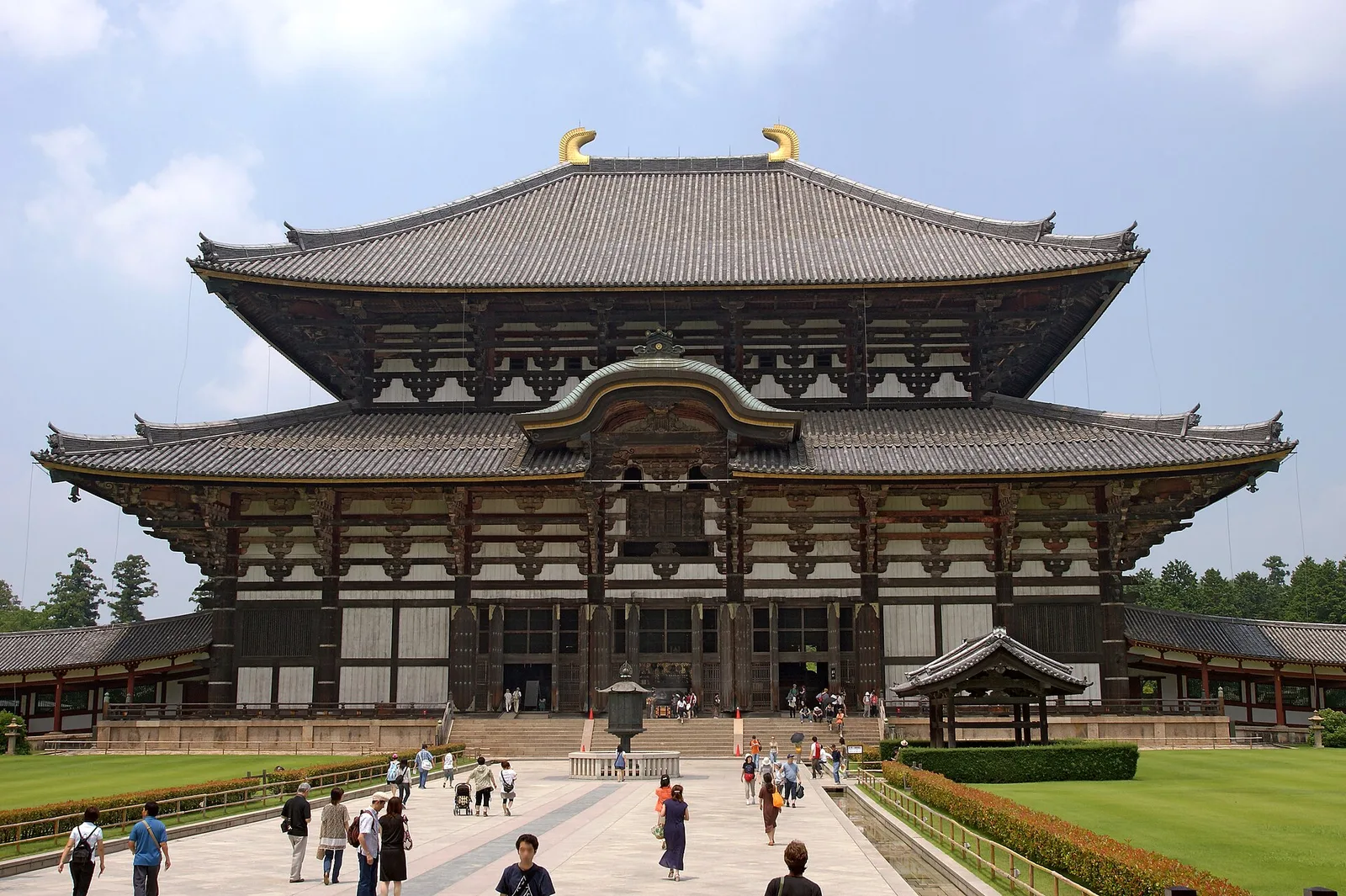
    Tōdai-ji is a UNESCO World Heritage temple in Nara whose Great Buddha Hall, the Daibutsuden, houses a 15-meter bronze Buddha and is among the largest wooden buildings in the world. It is worth the day trip for the scale of the hall and the statue. Expect a ticketed hall that opens in the early morning, crowds with school groups, and a walk of about 20 to 30 minutes from Kintetsu Nara Station (about 35 minutes or more from JR Nara Station) through Nara Park, or a short city bus.

    The wide wooden hall of Tōdai-ji, with its two-tiered roof, seen across the approach path
    Photo: 663highland · CC BY 2.5
  3. 50 min

    Nara Park

    Walk among the free-roaming sika deer in the city park (do not tease them, and mind your snacks).

    Nara Park is the big city park around the temples of Nara, home to more than a thousand sika deer that roam freely and bow for special deer crackers sold nearby. It is worth a relaxed hour among the deer and the lawns. Expect that the deer can nip or butt if you hold food, so buy the crackers only from official vendors and keep other snacks and paper out of sight.

  4. 1 hour

    Lunch in Nara

  5. 1 hour 10 min

    Kasuga Taisha Shrine

    Walk the forest approach lined with stone lanterns to the vermilion shrine (the outer area is free; the inner area is ticketed).

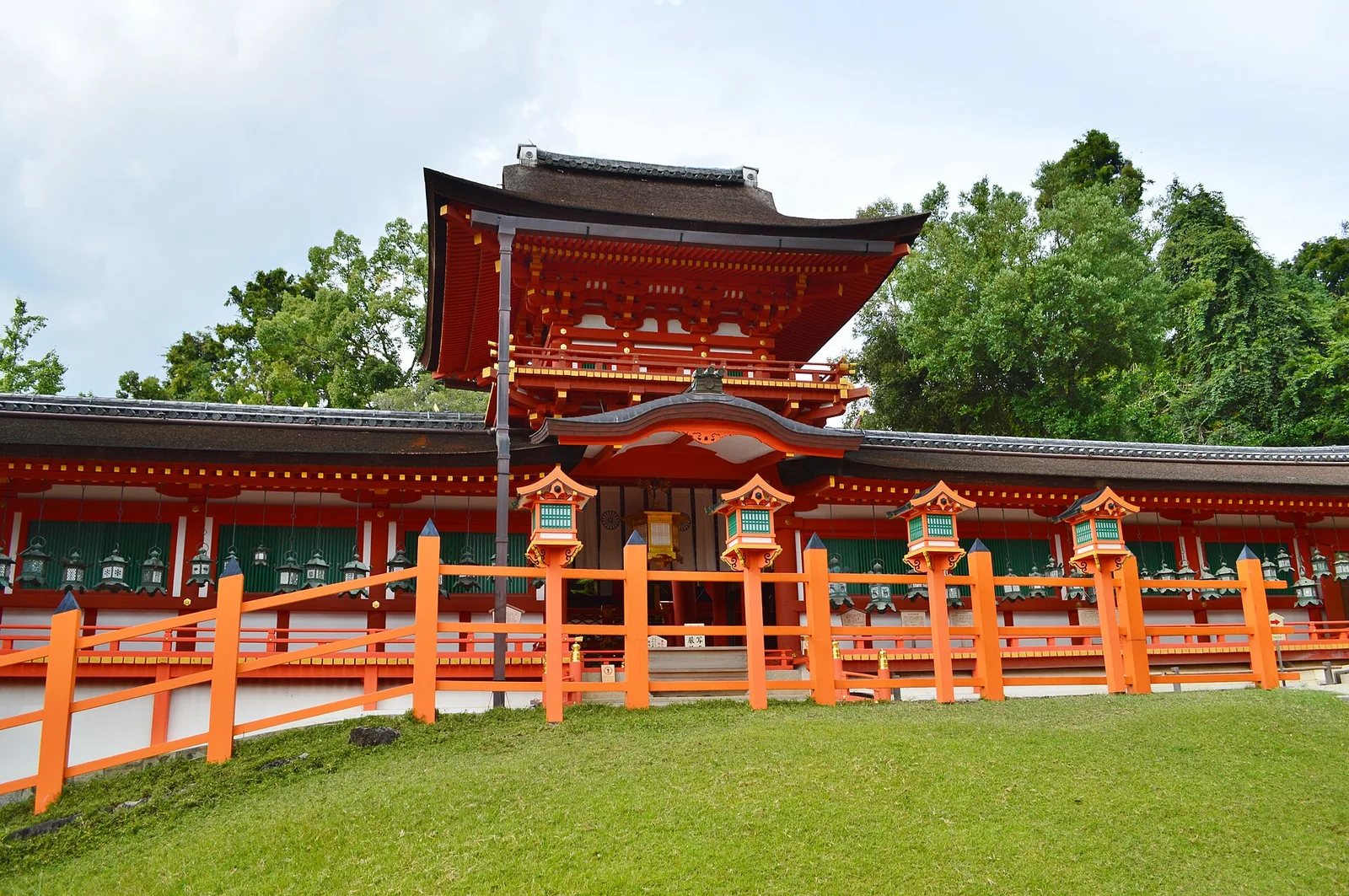
    Kasuga Taisha is Nara’s grandest Shinto shrine, with a long forest approach lined by thousands of stone lanterns and a vermilion main sanctuary hung with bronze lanterns, a UNESCO World Heritage site. It is worth the walk for the atmosphere under the trees. Expect a small entry fee for the inner shrine, a shaded, quiet approach, and a walk of about 20 minutes from Tōdai-ji.

    The red-lacquered hall of Kasuga Taisha with hanging lanterns along its corridor, beside a grassy lawn
    Photo: Saigen Jiro · CC0
  6. 1 hour

    Naramachi

    Wander the old merchant lanes of traditional machiya townhouses, small shops, and cafes.

    Naramachi is Nara’s old merchant district, a grid of narrow lanes of traditional machiya townhouses now housing cafes, craft shops, and small museums. It is worth a quiet hour at the end of the day for a calmer side of Nara. Expect many shops to close by about 17:00 and a quieter, local feel than the park.

  7. 1 hour

    Train back to Kyoto (about 45 minutes)

  8. 1 hour 30 min

    Dinner in Kyoto

Itinerary decisions

What makes the cut, what can wait, and what is less worth it.

Essential

  • Kiyomizu-dera early in the morning
  • The Arashiyama bamboo grove early in the morning
  • Kinkaku-ji and Ryōan-ji
  • A day trip to Nara for Tōdai-ji and the deer

Optional

  • Gion and Pontocho in the evening
  • Ōkōchi Sansō Garden
  • Naramachi

Not prioritized

  • Fushimi Inari, which suits a separate early-morning or evening visit
  • Adding Osaka or Himeji Castle to this three-day version

Before you use this plan

  • Hours, closures, prices, and conditions can change.
  • Kyoto is very crowded in spring (cherry blossom) and autumn (foliage), and even in summer. Start early at Kiyomizu-dera and Arashiyama, book restaurants ahead for the evenings, and expect the buses to be full at peak times.
  • Most temples and gardens in Kyoto close by about 16:30 to 17:30 (earlier in winter), with a ticket window that closes before that, so do the sights in the morning and afternoon and keep the evening for walking and dinner.
  • Getting around: the subway, the Randen tram, and JR trains are more reliable than buses at busy times, and taxis are useful between Arashiyama and the north. An IC card such as Suica or ICOCA works on most trains, buses, and subways.
  • In Gion, some private lanes are off-limits to visitors (signs warn of fines) and visitors are asked not to chase or block geiko and maiko. Respect the signs and keep to the public streets.
  • Nara’s deer can bite or butt if you hold food, so buy the deer crackers only from official vendors and put other snacks away.
  • This is a public example; Dayworthy adapts it to your dates, pace, hotel, and interests inside the app.

Dayworthy

Turn this example into your trip.

Dayworthy adapts the itinerary to your dates, pace, hotel, interests, and saved places.

Download Dayworthy on the App StoreDownload Dayworthy on Google Play