Dayworthy itinerary

A realistic 3-day Kuala Lumpur itinerary for first-time visitors

Kuala Lumpur is compact on a map but layered on the ground: glass towers, tropical heat, mosques, temples, markets, food streets, colonial edges, and pockets of rainforest. This three-day plan keeps the city readable without pretending you can walk everywhere or skip the midday breaks.

Destination
Kuala Lumpur, Malaysia
Length
3 days
Pace
balanced
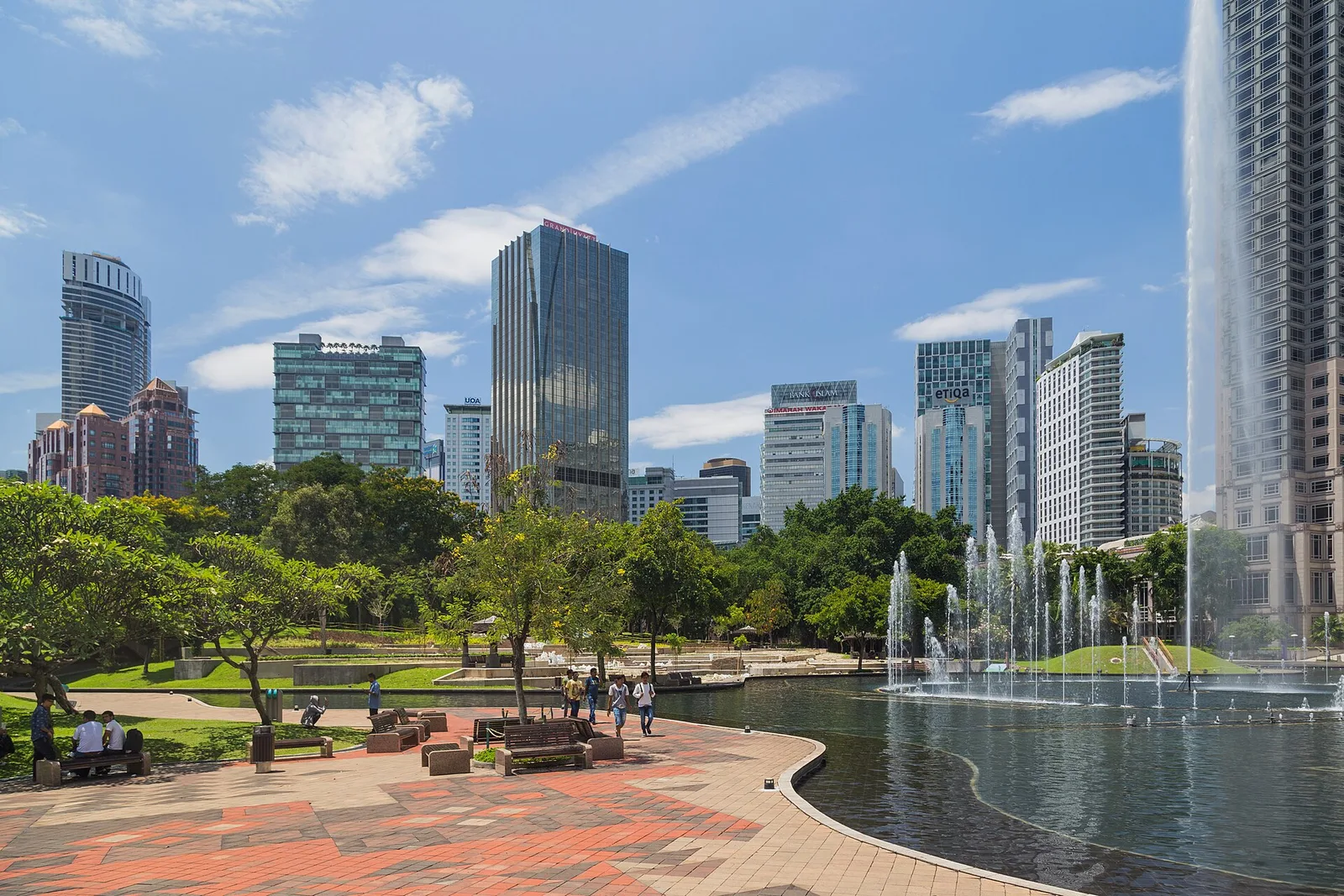
KLCC Park and the Kuala Lumpur skyline, used as the hero image for a 3-day Kuala Lumpur itinerary
Credit: Marcin Konsek, via Wikimedia Commons (CC BY-SA 4.0) · CC BY-SA 4.0

Day-by-day plan

A paced plan, not an endless list.

Day1

KLCC icons, Islamic arts, the National Mosque, and Jalan Alor at night

Start with Kuala Lumpur’s modern skyline, then use the afternoon for two calmer cultural anchors before ending with the city’s loud, social food-street energy. It is a high-contrast first day, but the geography stays sensible.

  1. 1 hour 30 min

    Petronas Twin Towers

    Begin with the city’s signature landmark before KLCC gets busier.

    The Petronas Twin Towers are the obvious Kuala Lumpur opening, and they still earn the slot. The value is scale: the twin forms, the skybridge, the polished KLCC setting, and the way the towers orient the city around you. Go up if the weather is clear and the ticket timing fits; otherwise the exterior and surrounding plaza are enough for a strong first impression.
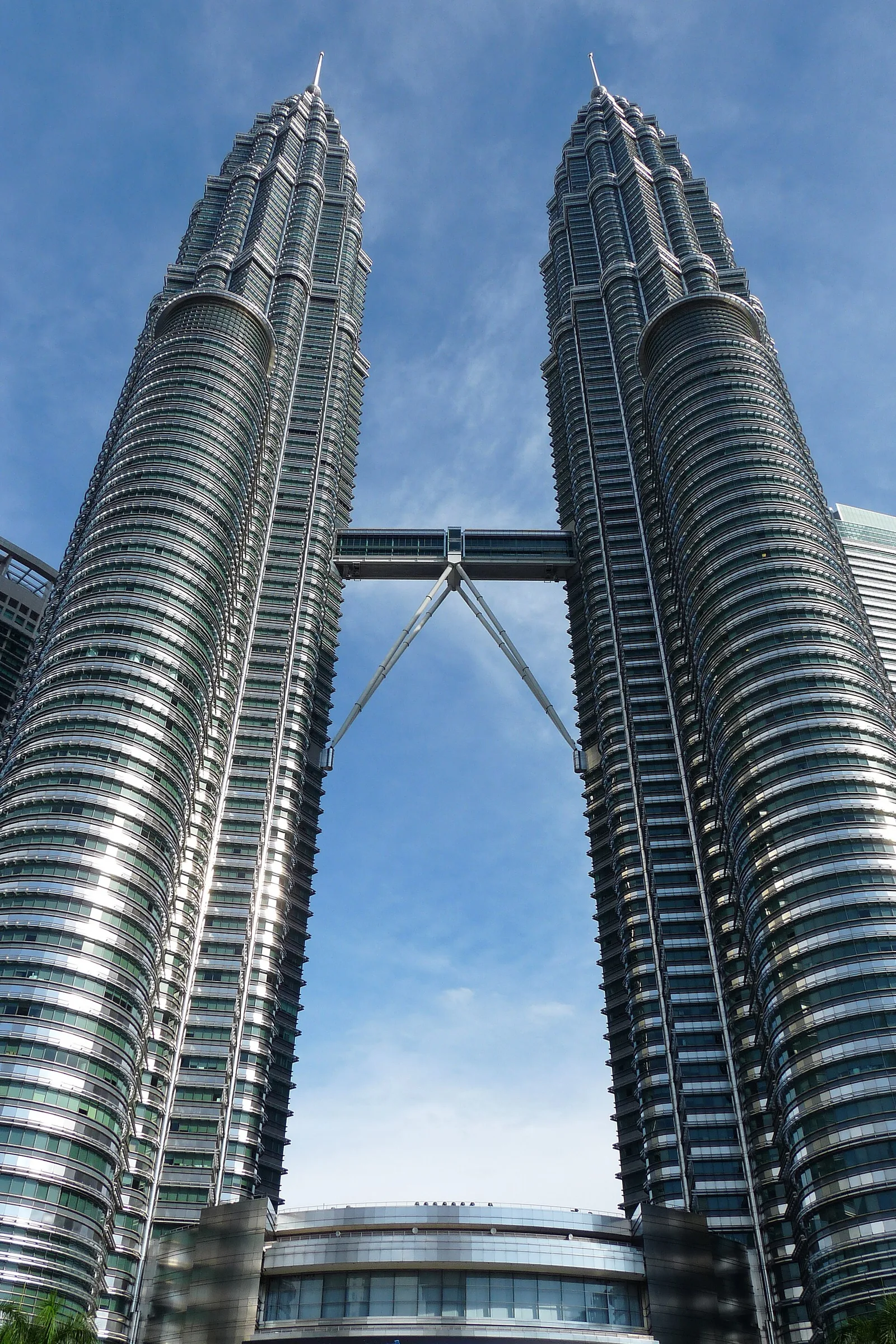
    Petronas Twin Towers in Kuala Lumpur
    Credit: AwOiSoAk KaOsIoWa, via Wikimedia Commons (CC BY-SA 3.0) · CC BY-SA 3.0
  2. 1 hour

    KLCC Park

    Use the park for the best tower context and a gentler transition into the day.

    KLCC Park makes the towers feel less like a photo stop and more like a place. The paths, lake, shade, and skyline views give you room to reset after the observation-deck energy. It is designed and central, not wild, but that is exactly why it works on arrival day.
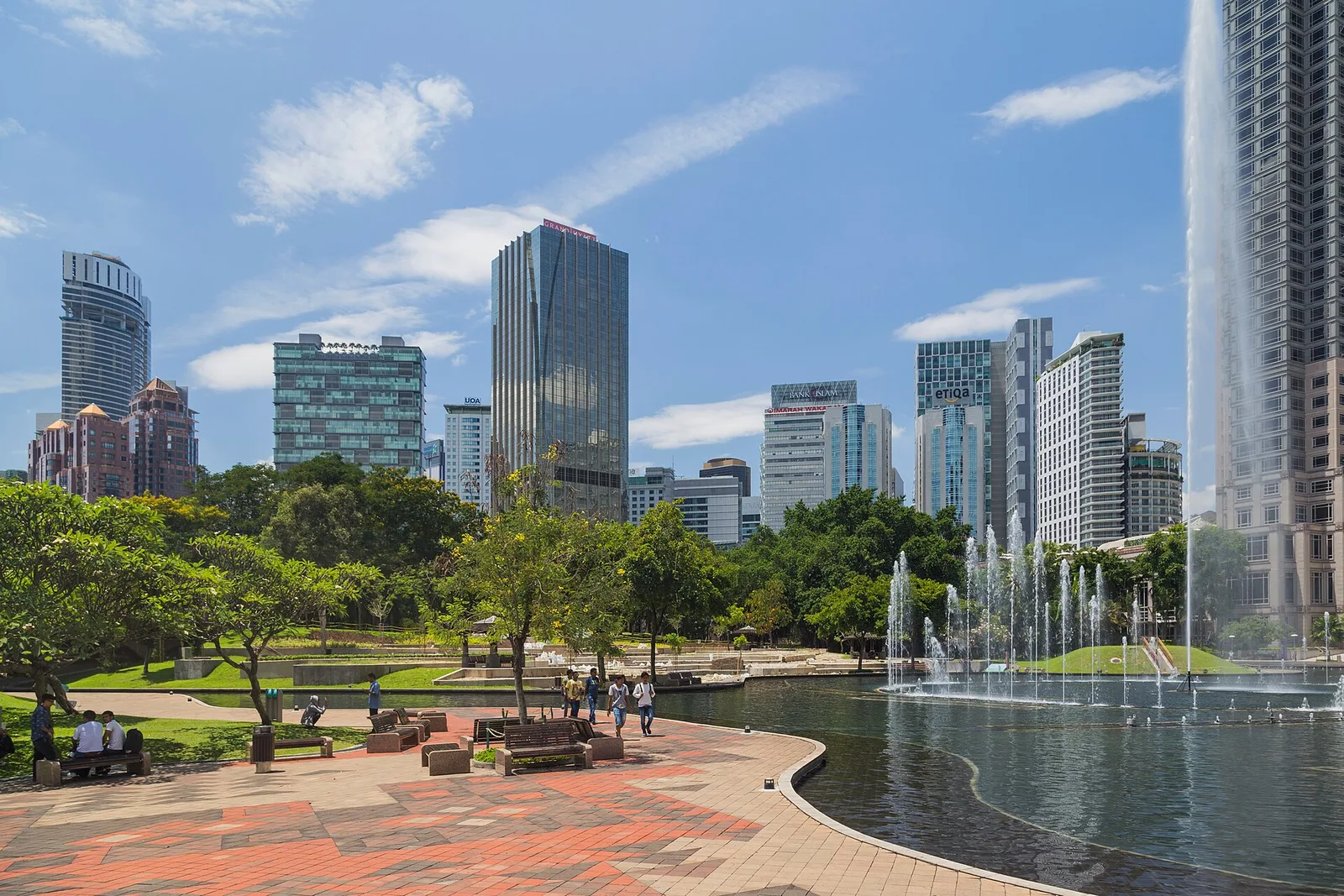
    KLCC Park with the Petronas Twin Towers nearby
    Credit: Marcin Konsek, via Wikimedia Commons (CC BY-SA 4.0) · CC BY-SA 4.0
  3. 1 hour 15 min

    Lunch in KLCC

    Keep lunch easy and central. The afternoon has two important cultural stops, so this is not the moment to chase a complicated meal across town.

  4. 2 hours

    Islamic Arts Museum Malaysia

    Give this museum real time; it is one of KL’s strongest indoor anchors.

    The Islamic Arts Museum Malaysia is the kind of museum that rewards slowing down. Ceramics, textiles, manuscripts, architectural models, and regional objects give the visit more depth than a quick gallery browse. It also works beautifully in the afternoon because it is substantial, calm, and mercifully indoors.
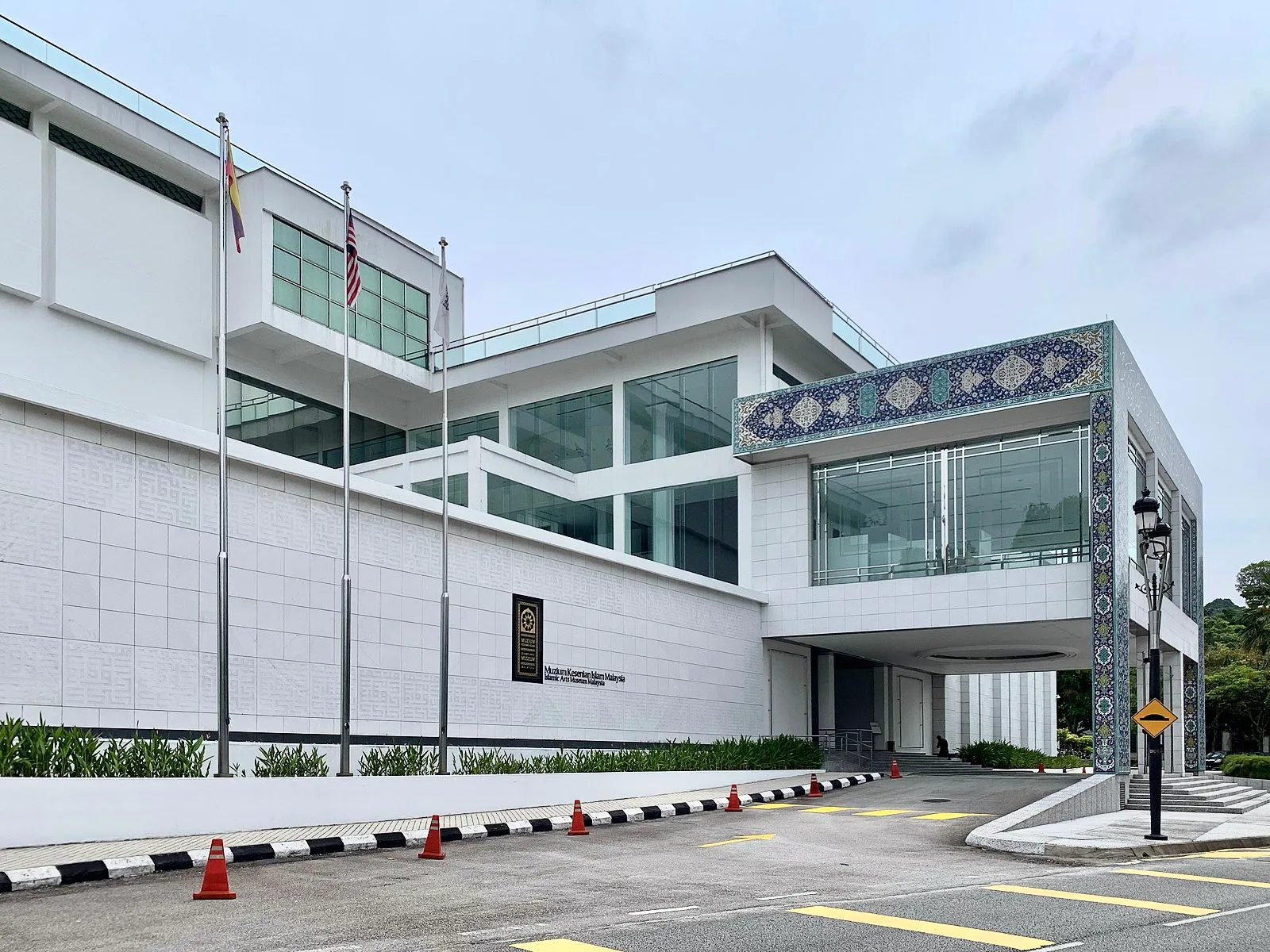
    Islamic Arts Museum Malaysia in Kuala Lumpur
    Credit: Chainwit., via Wikimedia Commons (CC BY-SA 4.0) · CC BY-SA 4.0
  5. 45 min

    National Mosque of Malaysia

    A short, respectful architecture stop close to the museum.

    The National Mosque is a striking modern religious landmark, with a broad compound, gardens, reflecting pools, and a folded roofline that feels very different from the city’s towers. Check visiting hours and dress requirements before you go, then keep the visit quiet and focused.
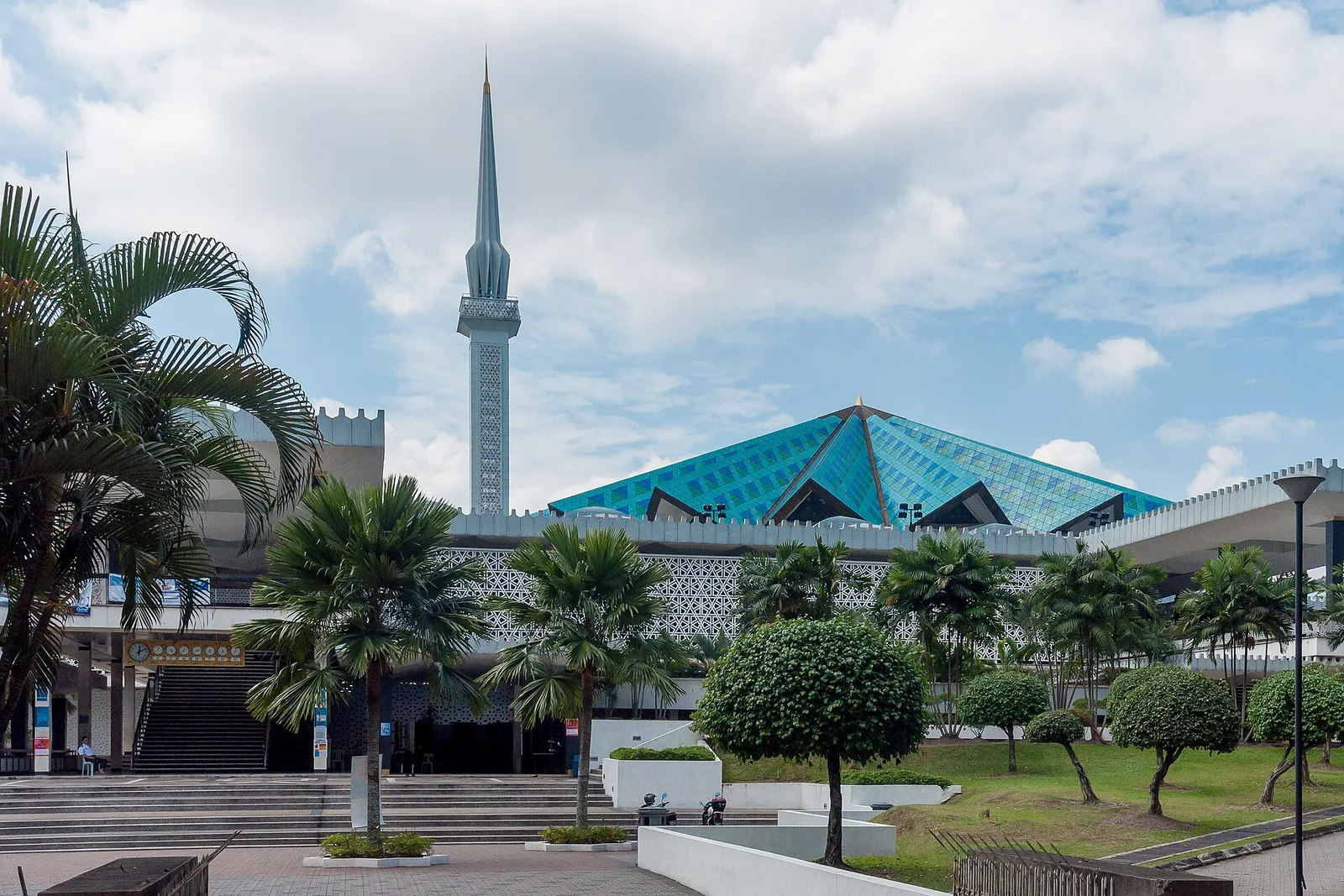
    National Mosque of Malaysia in Kuala Lumpur
    Credit: CEphoto, Uwe Aranas, via Wikimedia Commons (CC BY-SA 3.0) · CC BY-SA 3.0
  6. 2 hours

    Afternoon rest

    This pause is doing work. Kuala Lumpur heat and humidity can make a reasonable route feel heavier than it looks on paper.

  7. 2 hours

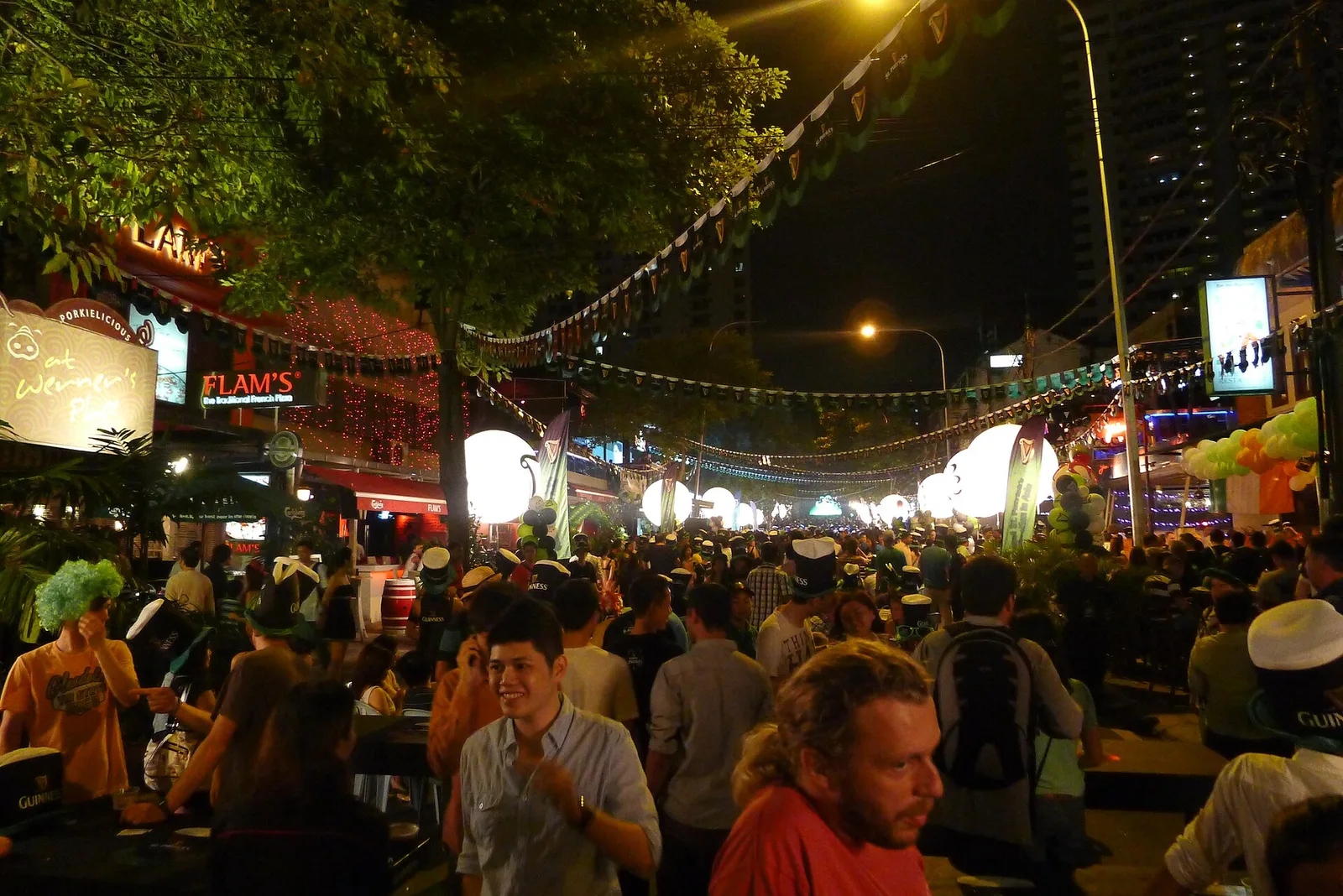
    Jalan Alor Food Street

    Arrive hungry and treat dinner as a stroll, not one perfect reservation.

    Jalan Alor is bright, noisy, crowded, and best approached with appetite rather than precision. The point is the open-air food-street atmosphere: grills, seafood, fruit, snacks, neon, and a social dinner scene that feels very Kuala Lumpur. Pick a few things, leave room, and do not try to optimize every bite.
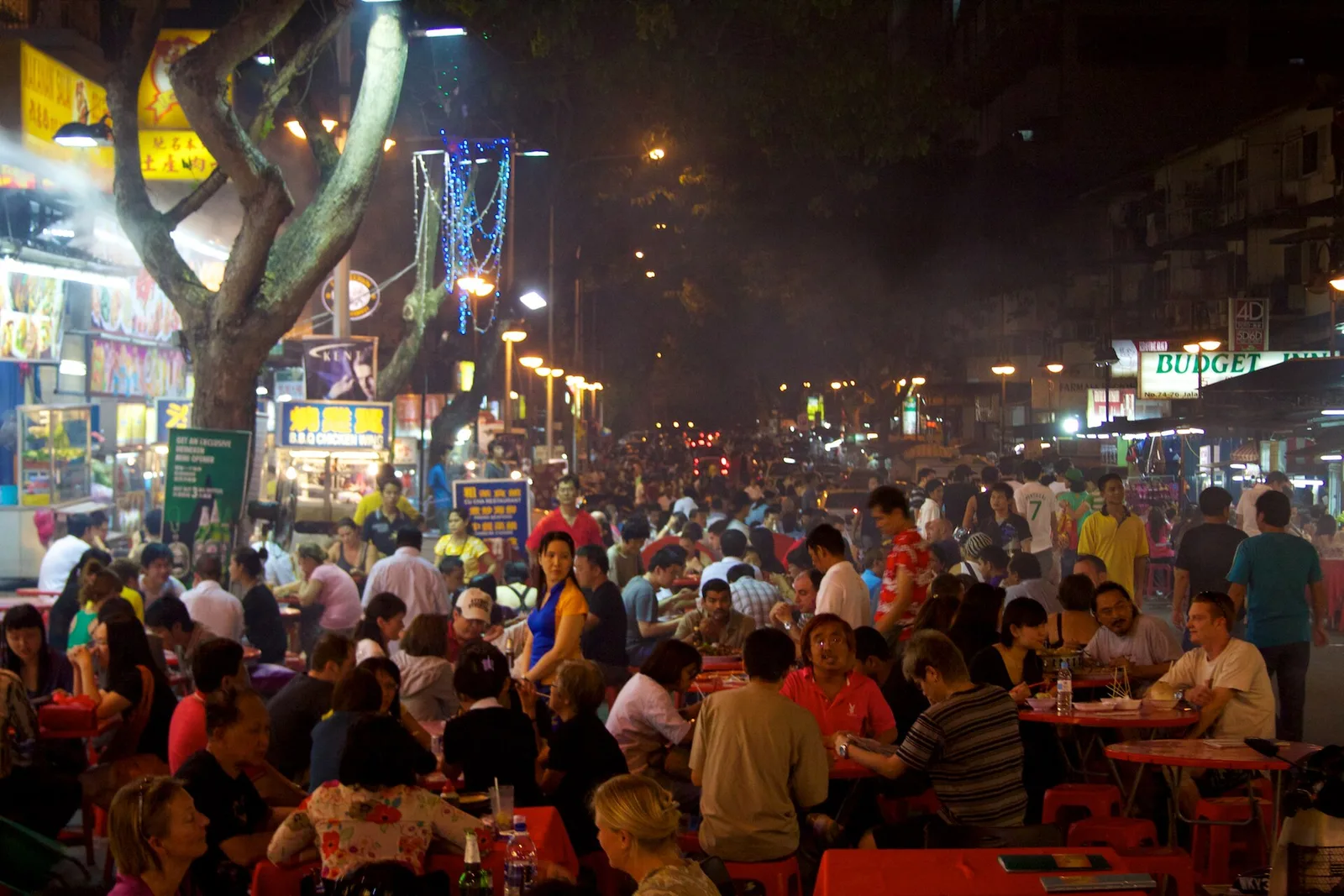
    Jalan Alor Food Street at night in Kuala Lumpur
    Credit: McKay Savage from London, UK, via Wikimedia Commons (CC BY 2.0) · CC BY 2.0
Day2

Merdeka Square, Central Market, Chinatown, temples, and River of Life

Day two stays around the historic core and Chinatown. The route has colonial architecture, crafts, food, Hindu temple detail, restored laneways, and an evening riverfront moment without bouncing across the city.

  1. 45 min

    Bangunan Sultan Abdul Samad

    Start with the building that anchors Merdeka Square’s civic drama.

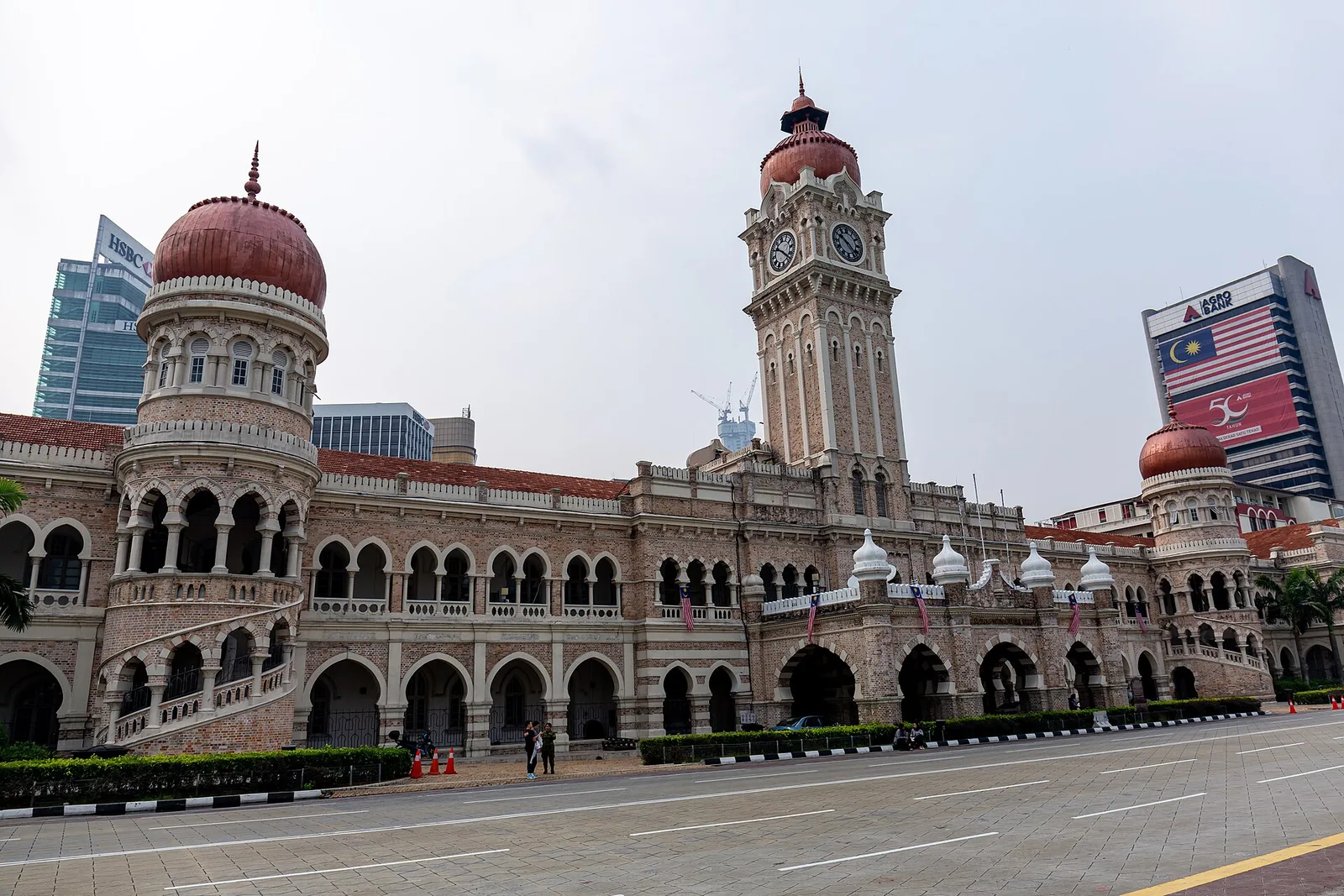
    Bangunan Sultan Abdul Samad is mostly an exterior visit, but it is an important one. The ornate facade, clock tower, and position facing Merdeka Square make it one of the clearest ways to read Kuala Lumpur’s colonial-era civic history. Go early for cleaner light and fewer distractions.

    Bangunan Sultan Abdul Samad near Merdeka Square
    Credit: Unknown author, via Wikimedia Commons (CC0) · CC0
  2. 1 hour 15 min

    Central Market

    Use it for browsing, crafts, and an air-conditioned reset near Chinatown.

    Central Market is tourist-friendly, yes, but still useful: batik, crafts, small gifts, snacks, and a heritage building that keeps the stop compact and easy. It is not the place to prove your bargain-hunting skills. It is the place to browse without turning the morning into a logistics project.

    Central Market in Kuala Lumpur
    Credit: SNN95, via Wikimedia Commons (CC0) · CC0
  3. 1 hour 15 min

    Lunch in Chinatown

    Stay in the neighborhood for lunch. Chinatown gives you plenty of practical choices before the afternoon’s temple and laneway stops.

  4. 45 min

    Sri Maha Mariamman Temple

    Visit respectfully; this is an active Hindu temple, not just a colorful facade.

    Sri Maha Mariamman Temple adds a vivid spiritual layer to Chinatown. The carved gopuram is the first thing you notice, but the visit is better if you slow down for the rituals, incense, colors, and active worship inside. Shoes off, dress modestly, and let the place set the pace.

    Sri Maha Mariamman Temple in Kuala Lumpur
    Credit: Shesmax, via Wikimedia Commons (CC BY-SA 4.0) · CC BY-SA 4.0
  5. 45 min

    Kwai Chai Hong

    A short, polished heritage-lane stop that works best inside a wider Chinatown walk.

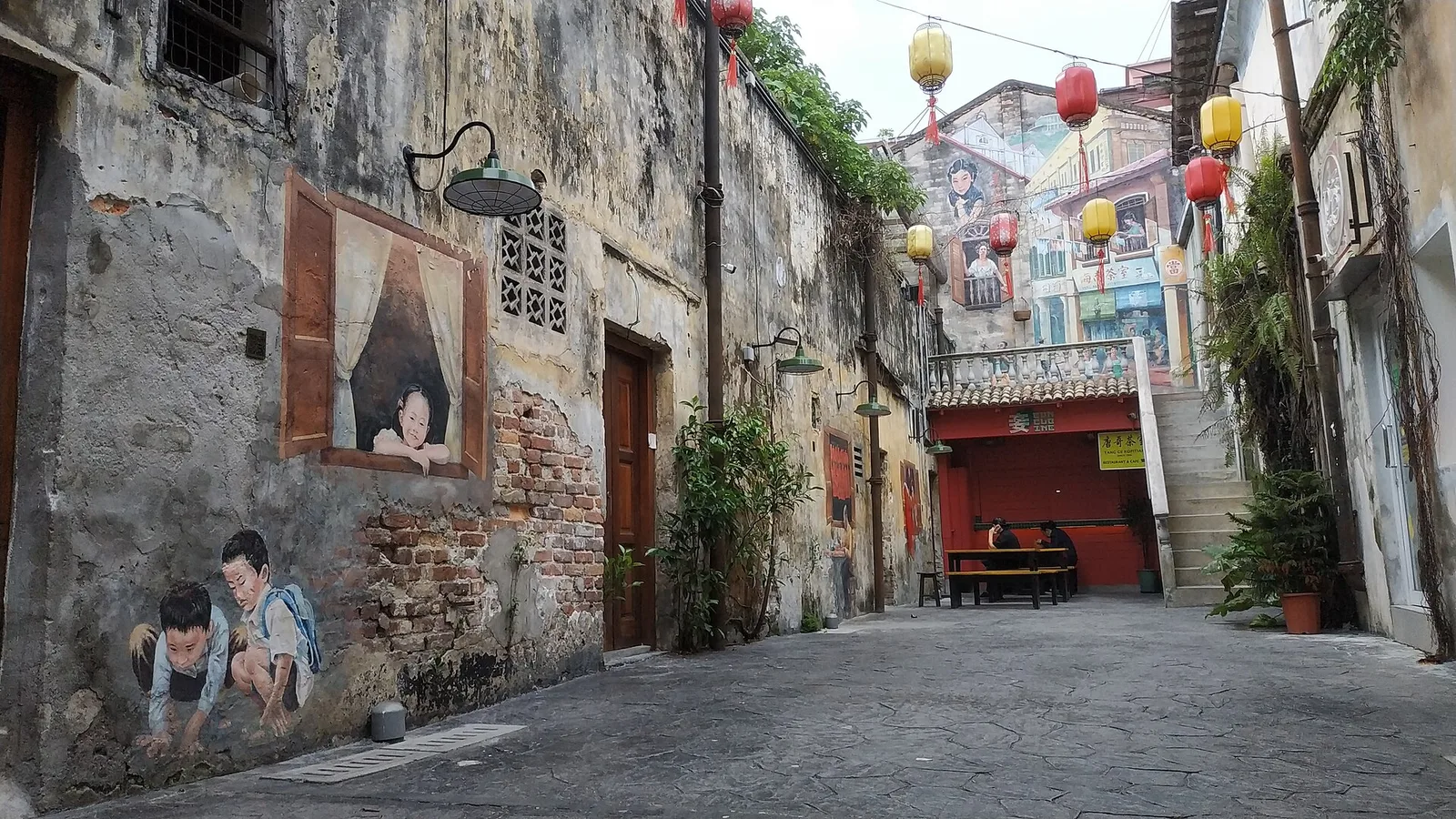
    Kwai Chai Hong is not a full attraction, and that is fine. It is a restored alley with murals, heritage styling, and enough atmosphere for a slow loop and photos before coffee. Use it as texture, not the entire afternoon.

    Kwai Chai Hong heritage alley in Kuala Lumpur
    Credit: Renek78, via Wikimedia Commons (CC BY-SA 4.0) · CC BY-SA 4.0
  6. 2 hours

    Coffee and downtime in Chinatown

    Protect a real break here. The evening riverfront is better when you are not dragging yourself through the humidity.

  7. 1 hour 30 min

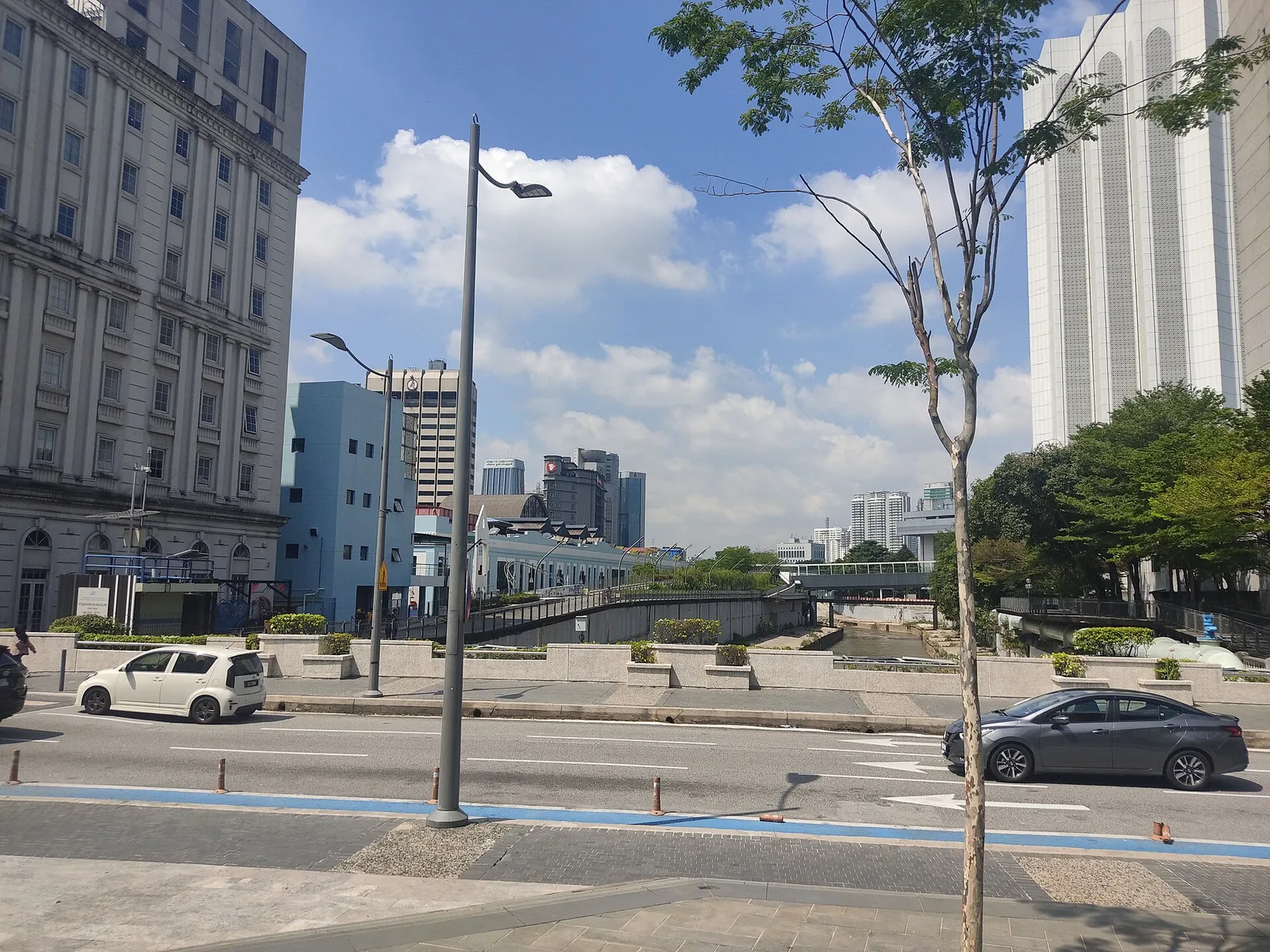
    Masjid Jamek Lookout Point @ River of Life

    Return near dusk for the river junction, mosque domes, and city lights.

    The River of Life area is a compact evening stop around one of Kuala Lumpur’s most historic river junctions. It works because it links civic architecture, Masjid Jamek, waterfront upgrades, and the city’s night lighting in one easy walk. Do not overbuild it; just arrive around dusk and enjoy the pause.

    River of Life and Masjid Jamek in Kuala Lumpur
    Credit: *angys*, via Wikimedia Commons (CC BY-SA 4.0) · CC BY-SA 4.0
Day3

Batu Caves, city rainforest, KL Tower, and a Bukit Bintang farewell

The final day reaches beyond the center for Batu Caves, then returns for a surprisingly green city stop, one elevated view, and an easy evening around Bukit Bintang.

  1. 2 hours 30 min

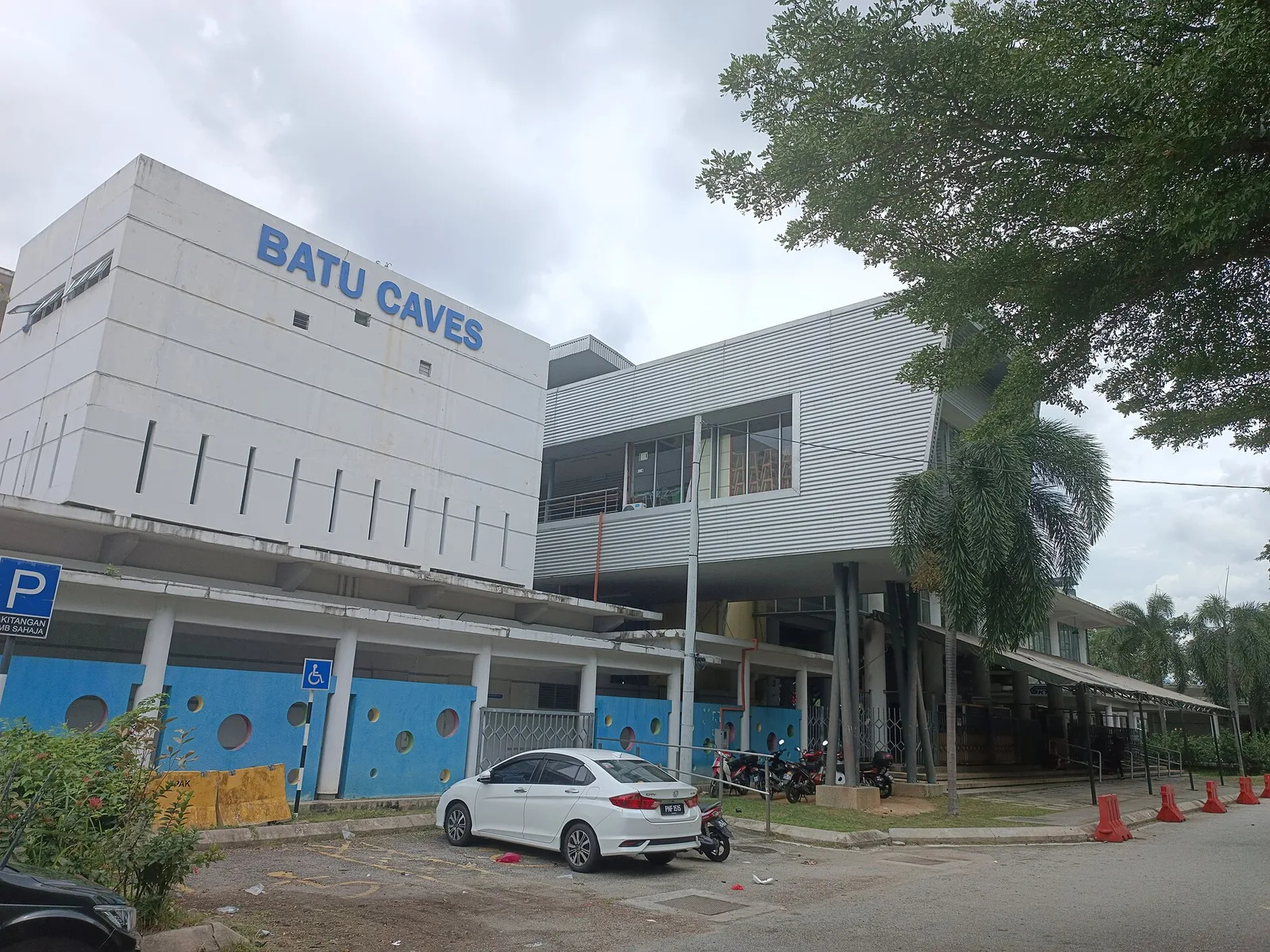
    Batu Caves

    Go early for cooler steps and a less punishing start.

    Batu Caves is the most important outside-the-center stop on this itinerary: limestone cliffs, a giant Murugan statue, steep rainbow steps, shrines, monkeys, crowds, and active Hindu pilgrimage energy all at once. It is dramatic and not especially polished, which is part of why it stays memorable.

    Batu Caves near Kuala Lumpur
    Credit: *angys*, via Wikimedia Commons (CC BY-SA 4.0) · CC BY-SA 4.0
  2. 1 hour 15 min

    Lunch in Brickfields

    Use Brickfields or your transit route for lunch rather than trying to add another far-flung stop immediately after Batu Caves.

  3. 1 hour 15 min

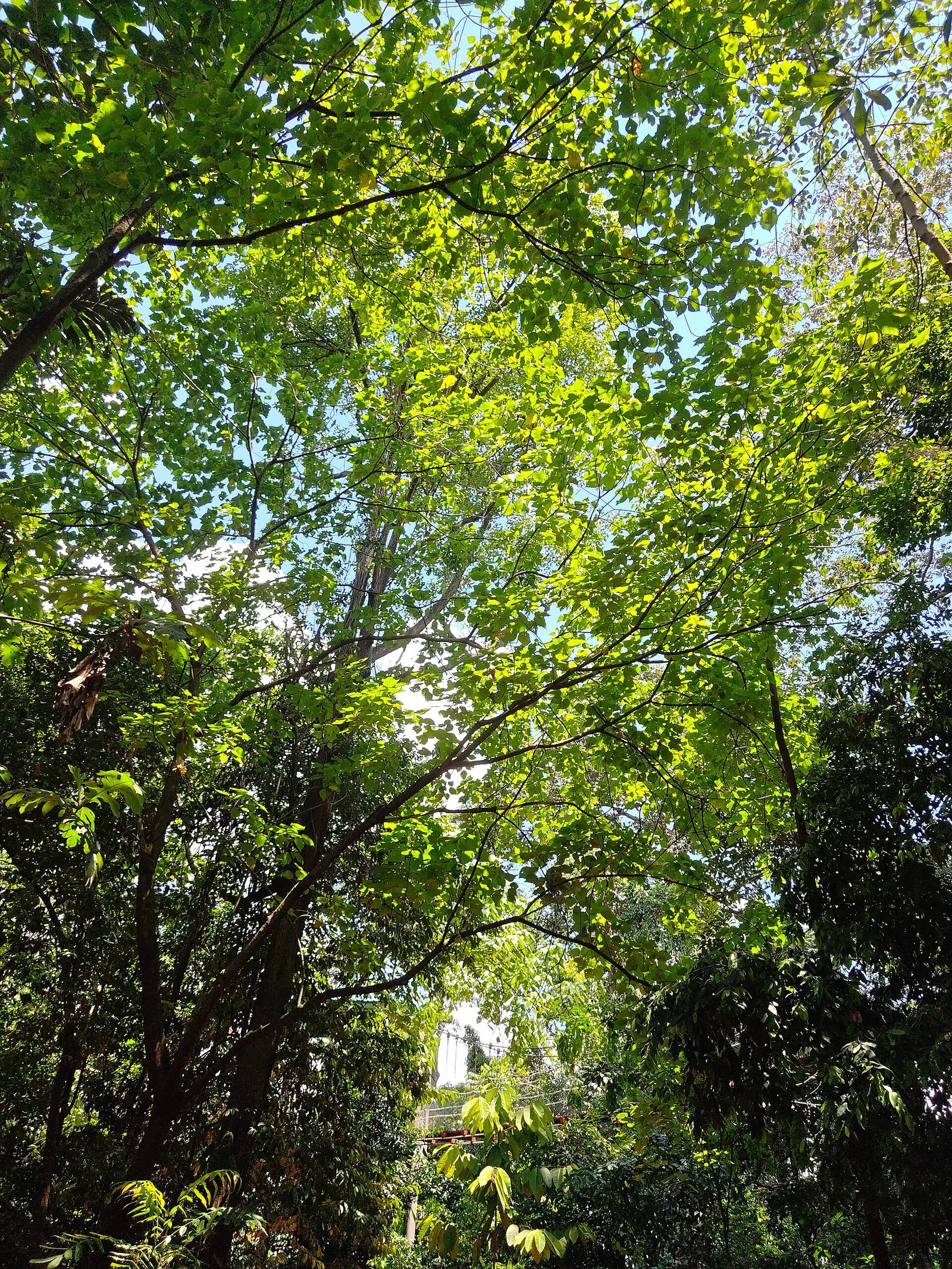
    KL Forest Eco Park Canopy Walk

    A rare city-center rainforest reset, best if the weather cooperates.

    KL Forest Eco Park is a useful reminder that Kuala Lumpur is tropical, not just urban. The canopy walk and forest paths give the afternoon a green break before the tower stop. Check current access, weather, and trail conditions before committing; rain can make this less appealing fast.

    KL Forest Eco Park canopy walk in Kuala Lumpur
    Credit: Jgies32, via Wikimedia Commons (CC BY-SA 4.0) · CC BY-SA 4.0
  4. 1 hour 30 min

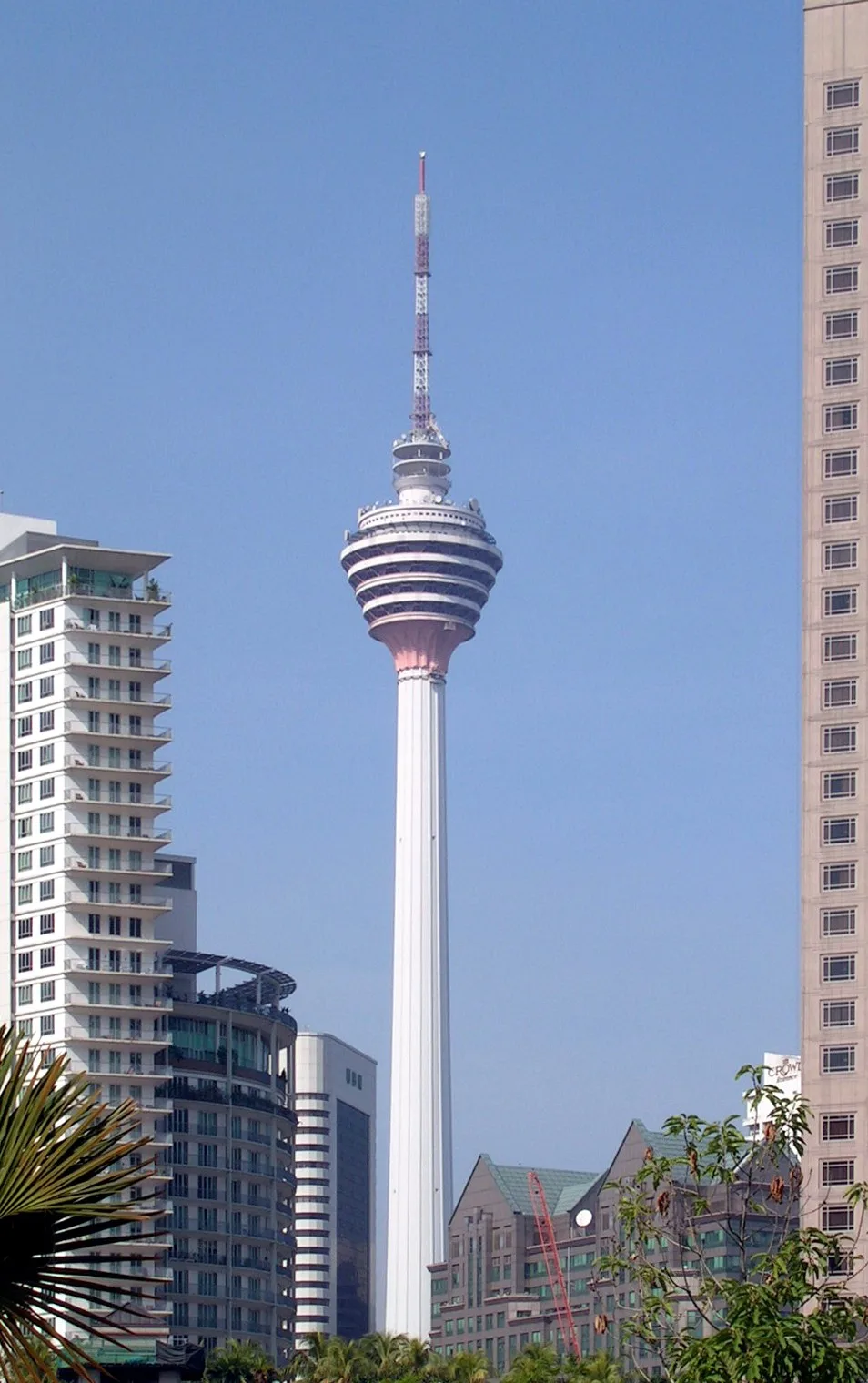
    Menara Kuala Lumpur

    Use KL Tower for the broadest city view if visibility is good.

    Menara Kuala Lumpur gives you the big-picture skyline view, including the towers, hills, and dense central city. It is most worthwhile when the air is clear or when you can time it near golden hour. If haze or rain is heavy, swap the ticketed viewpoint for a longer café or mall pause.

    Menara Kuala Lumpur tower
    Credit: Formulax, via Wikimedia Commons (CC BY-SA 2.0) · CC BY-SA 2.0
  5. 2 hours

    Rest and refresh

    After Batu Caves and a viewpoint, the final evening needs breathing room. This is what keeps the day enjoyable instead of heroic.

  6. 2 hours

    Changkat Bukit Bintang

    Finish with an easy dinner-and-walk area near the city’s nightlife core.

    Changkat Bukit Bintang is a practical farewell zone: restaurants, bars, bright streets, and easy links to nearby Bukit Bintang. It is not subtle, but it works well when you want the last night to feel social without needing a complicated transfer after dinner.

    Changkat Bukit Bintang in Kuala Lumpur
    Credit: Azreey, via Wikimedia Commons (CC BY-SA 3.0) · CC BY-SA 3.0

Itinerary decisions

What makes the cut, what can wait, and what is less worth it.

Essential

  • Keep KLCC, the Islamic Arts Museum, and the National Mosque together so the first day moves from modern icon to cultural context without wasting transfers.
  • Give Chinatown and Merdeka Square one coherent day instead of scattering central heritage stops across the whole trip.
  • Visit Batu Caves early and make the rest of day three flexible around heat, rain, and visibility.

Optional

  • Go up the Petronas Twin Towers or Menara Kuala Lumpur, but you do not need both if weather or budget makes one enough.
  • Extend Chinatown browsing if Central Market, Kwai Chai Hong, or cafés are more appealing than a strict schedule.
  • Swap KL Forest Eco Park for extra indoor time if rain or humidity makes the canopy walk unpleasant.

Not prioritized

  • Trying to add Malacca, Genting Highlands, or a major out-of-town detour into a short three-day city guide.
  • Crossing the city repeatedly by car during peak traffic just to chase isolated restaurants.
  • Treating every landmark as ticketed and mandatory; Kuala Lumpur works better with selective anchors and generous breaks.

Before you use this plan

  • Kuala Lumpur heat, humidity, rain, haze, traffic, museum hours, mosque visiting windows, and viewpoint visibility can change the route quickly.
  • Dress respectfully for mosques and temples, and check visitor rules before arriving.
  • Batu Caves involves many steps, monkeys, crowds, and outdoor exposure. Go early and bring water.
  • This public guide is a realistic example. Dayworthy can adapt the route to your hotel area, exact dates, food preferences, mobility, transit style, and weather.

Dayworthy

Turn this example into your trip.

Dayworthy adapts the itinerary to your dates, pace, hotel, interests, and saved places.