Dayworthy itinerary

Three days in Venice, from the Doge’s Palace to Burano

A realistic 3-day Venice itinerary

A balanced first visit split into the grand sights of San Marco and the quieter canals of Cannaregio on Day 1, a vaporetto day trip to the lace island of Burano on Day 2, and the art, waterfront, and lanes of Dorsoduro and San Polo on Day 3.

Destination
Venice, Italy
Length
3 days
Pace
balanced
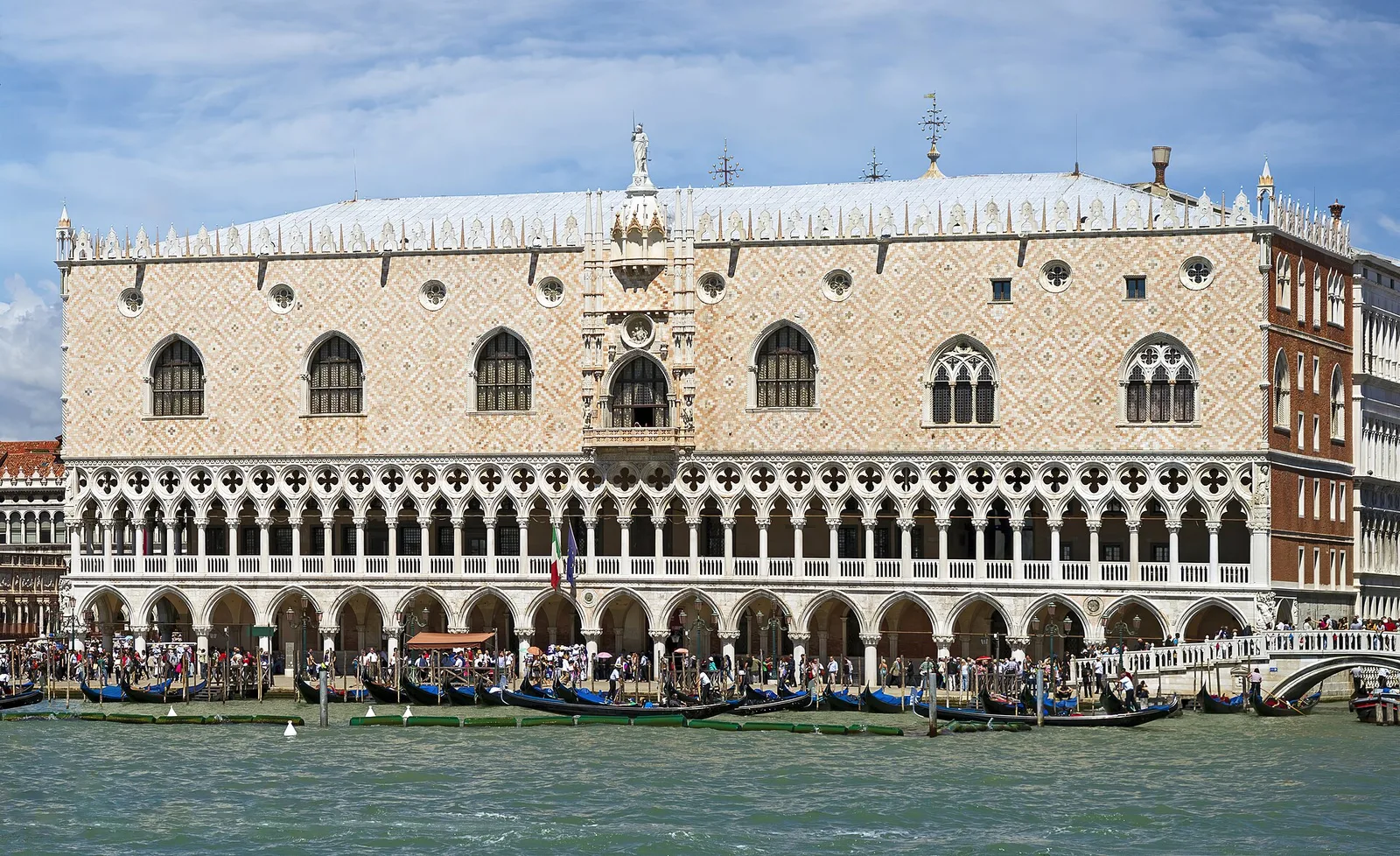
The pink-and-white arcaded facade of the Doge’s Palace seen across the water, with gondolas moored along the quay
Photo: Didier Descouens · CC BY-SA 4.0

Day-by-day plan

A paced plan, not an endless list.

Day1

The Doge’s Palace, St Mark’s Basilica, Rialto, and Cannaregio

See the Doge’s Palace as it opens, then St Mark’s Basilica and the great square, and have lunch a few streets away from the crowds. In the afternoon cross the Rialto Bridge to the old Jewish Ghetto, then walk the quieter canals of Cannaregio before dinner.

  1. 2 hours

    Doge’s Palace

    See the grand halls, the prison, and the Bridge of Sighs in the former seat of the Venetian Republic (ticketed; book a timed entry).

    The Doge’s Palace was the seat of government and the home of the doges of the Venetian Republic, a pink-and-white Gothic palace on the lagoon with enormous painted halls, the armory, and the prisons across the Bridge of Sighs. It is worth about two hours for the scale of the Republic’s power. Expect a ticketed visit with queues in the morning, a routing that leads you through the rooms in a set order, and a better experience if you book a timed entry in advance and arrive at opening.
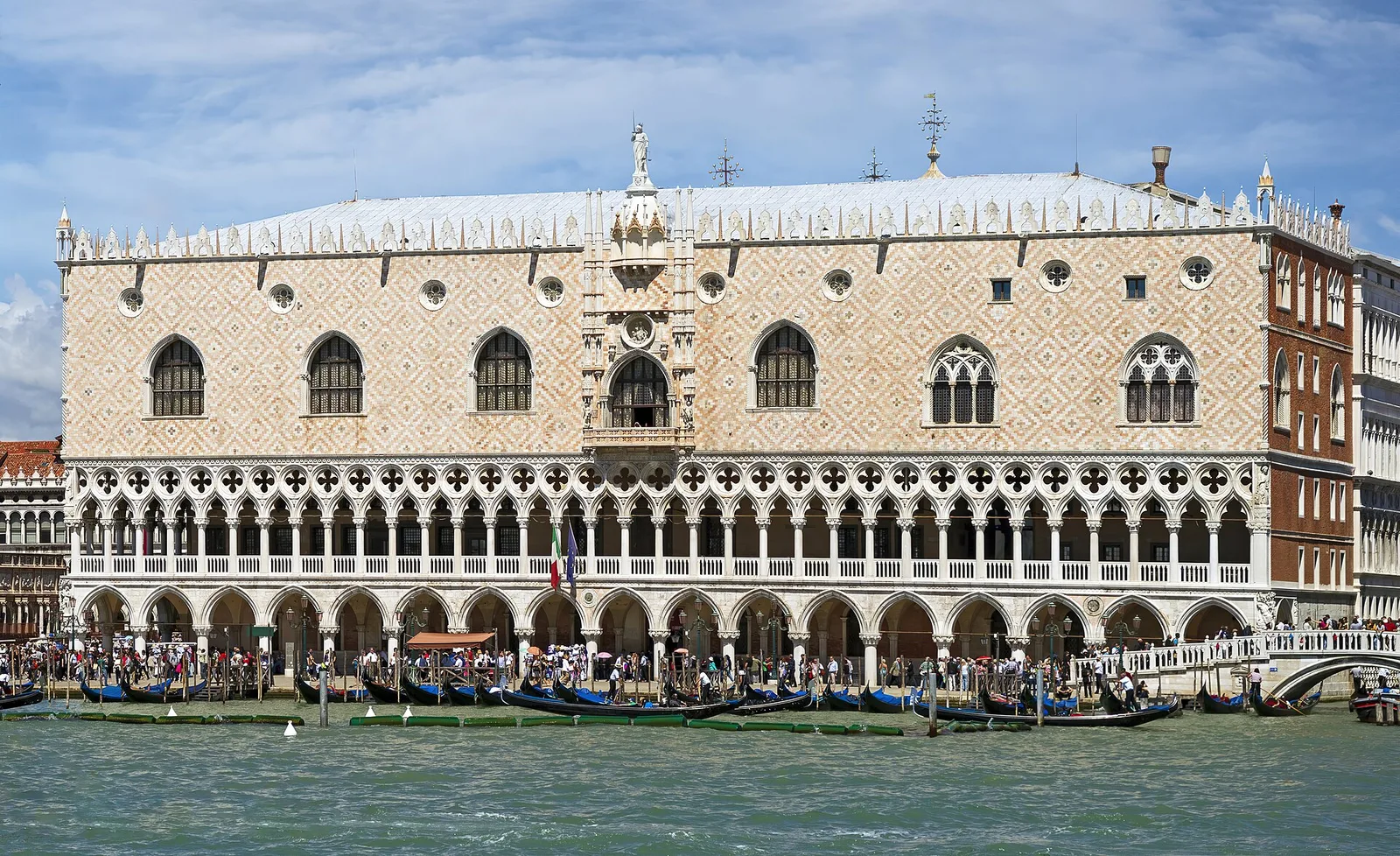
    The pink-and-white arcaded facade of the Doge’s Palace seen across the water, with gondolas moored along the quay
    Photo: Didier Descouens · CC BY-SA 4.0
  2. 45 min

    St Mark’s Basilica

    Step into the gold-mosaic basilica (paid, timed entry booked online; strict dress rules; no large bags).

    St Mark’s Basilica is Venice’s great Byzantine-style church, covered inside with gold mosaics and holding the relics of St Mark. It is worth a visit for the glittering interior. Expect a paid ticket (the price depends on what you add, so check the official site) with a timed slot that is best booked online, a required modest dress code with shoulders and knees covered, a ban on large bags that have to be left at a nearby storage point, and afternoon-only opening on Sundays, so book ahead and arrive in your slot.
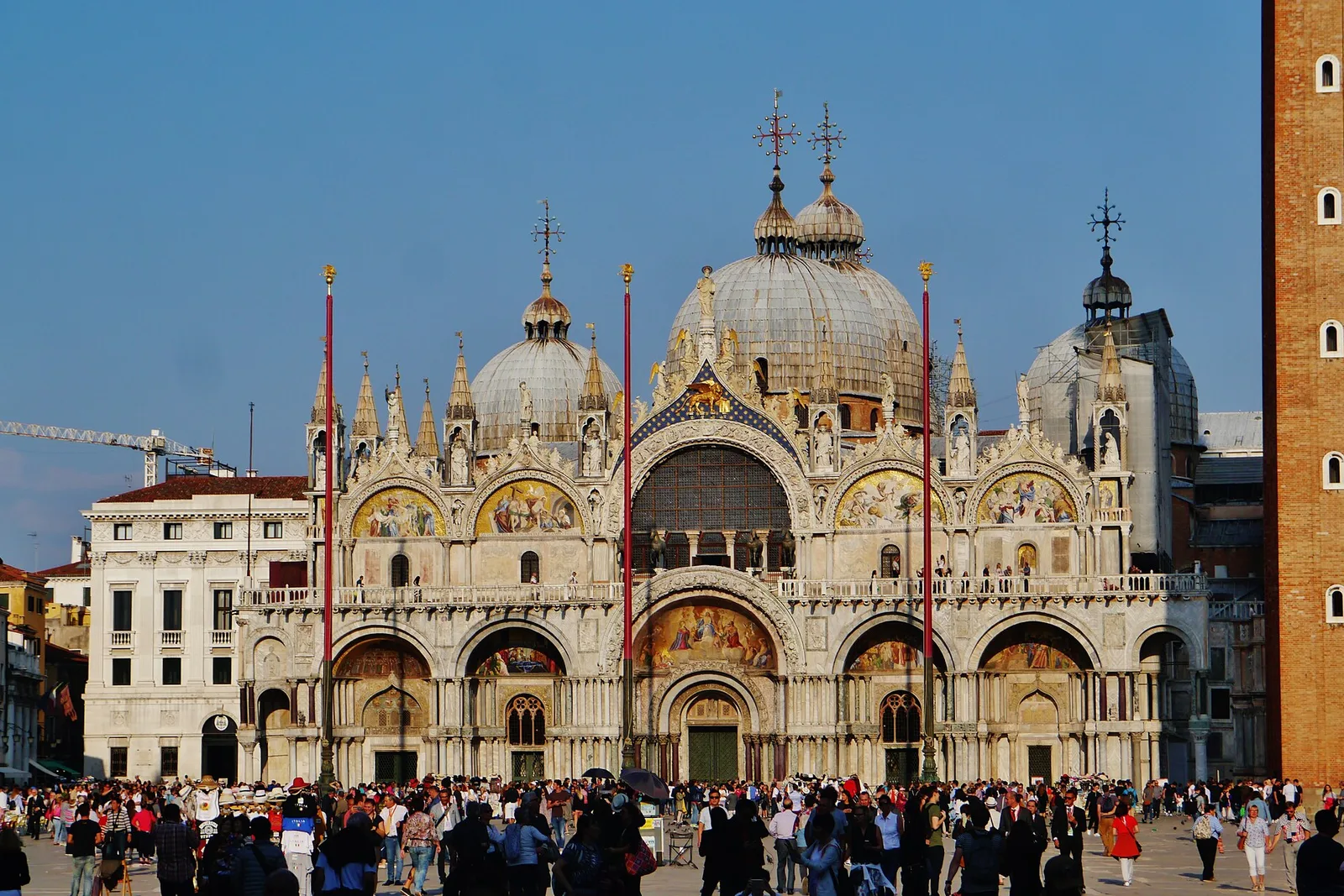
    The mosaic-topped west facade of St Mark's Basilica with its domes and flagpoles under a blue sky, with visitors crowding the square in front
    Photo: Zairon · CC BY-SA 4.0
  3. 40 min

    Piazza San Marco

    Walk the great square between the basilica, the Campanile, and the arcades.

    Piazza San Marco is the grand square at the heart of Venice, ringed by arcades, the basilica, and the Campanile bell tower. It is worth a short stop for the architecture and the setting. Expect crowds, pigeons, and very expensive cafe tables, so enjoy it standing and keep your bag close.
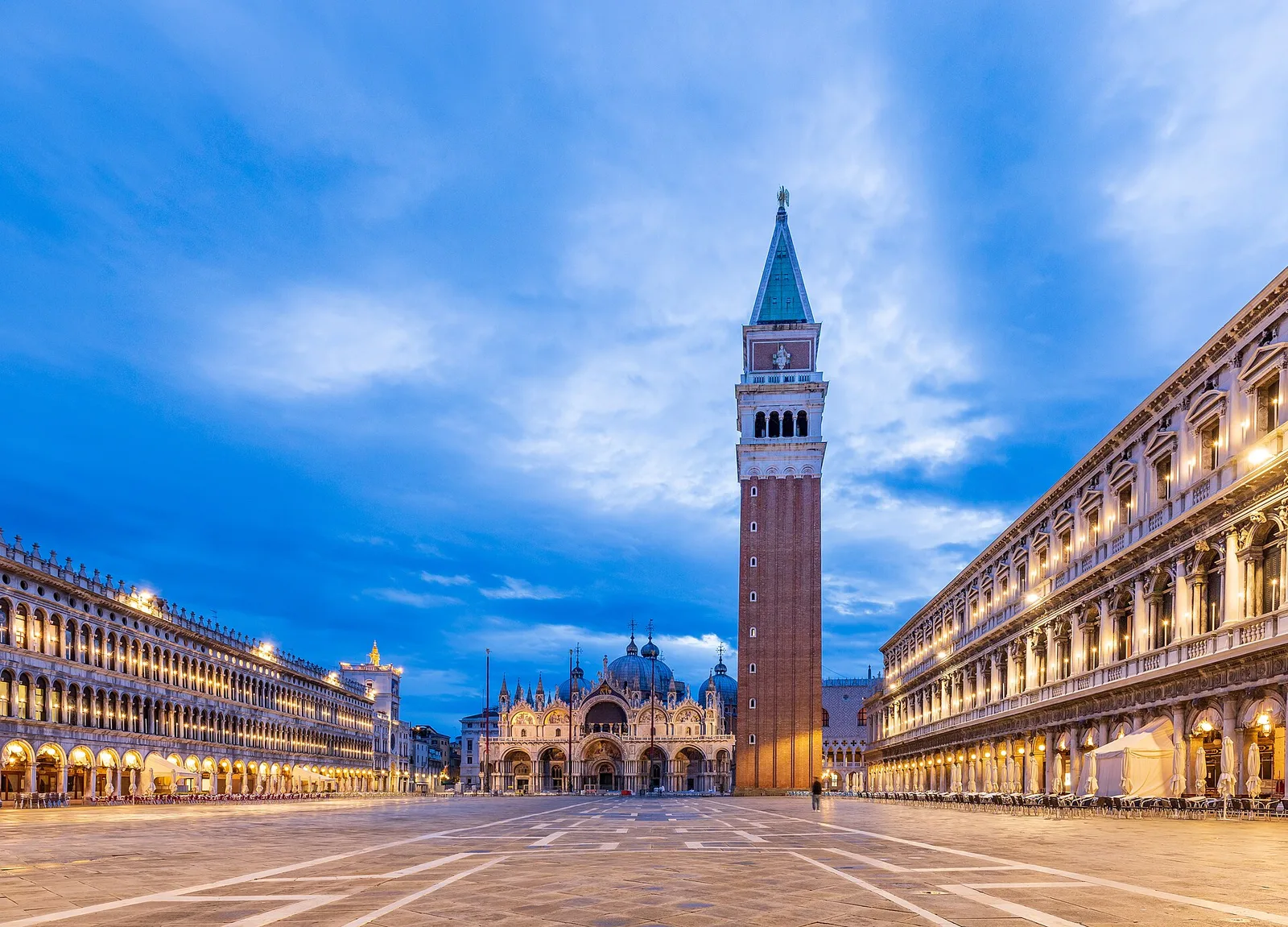
    Piazza San Marco at dusk, with the Campanile tower and the arcades lit along the sides of the square
    Photo: Matthias Süßen · CC BY-SA 4.0
  4. 1 hour 15 min

    Lunch a few streets from San Marco

  5. 40 min

    Rialto Bridge

    Cross the oldest bridge over the Grand Canal, with shops on both sides and a view from the top.

    The Rialto Bridge is the oldest of the bridges across the Grand Canal, a single stone arch lined with shops, in the commercial heart of Venice. It is worth a stop for the view from the top and the bustling market district around it. Expect crowds on the bridge, souvenir stalls, and a brisk walk from San Marco through the narrow lanes.
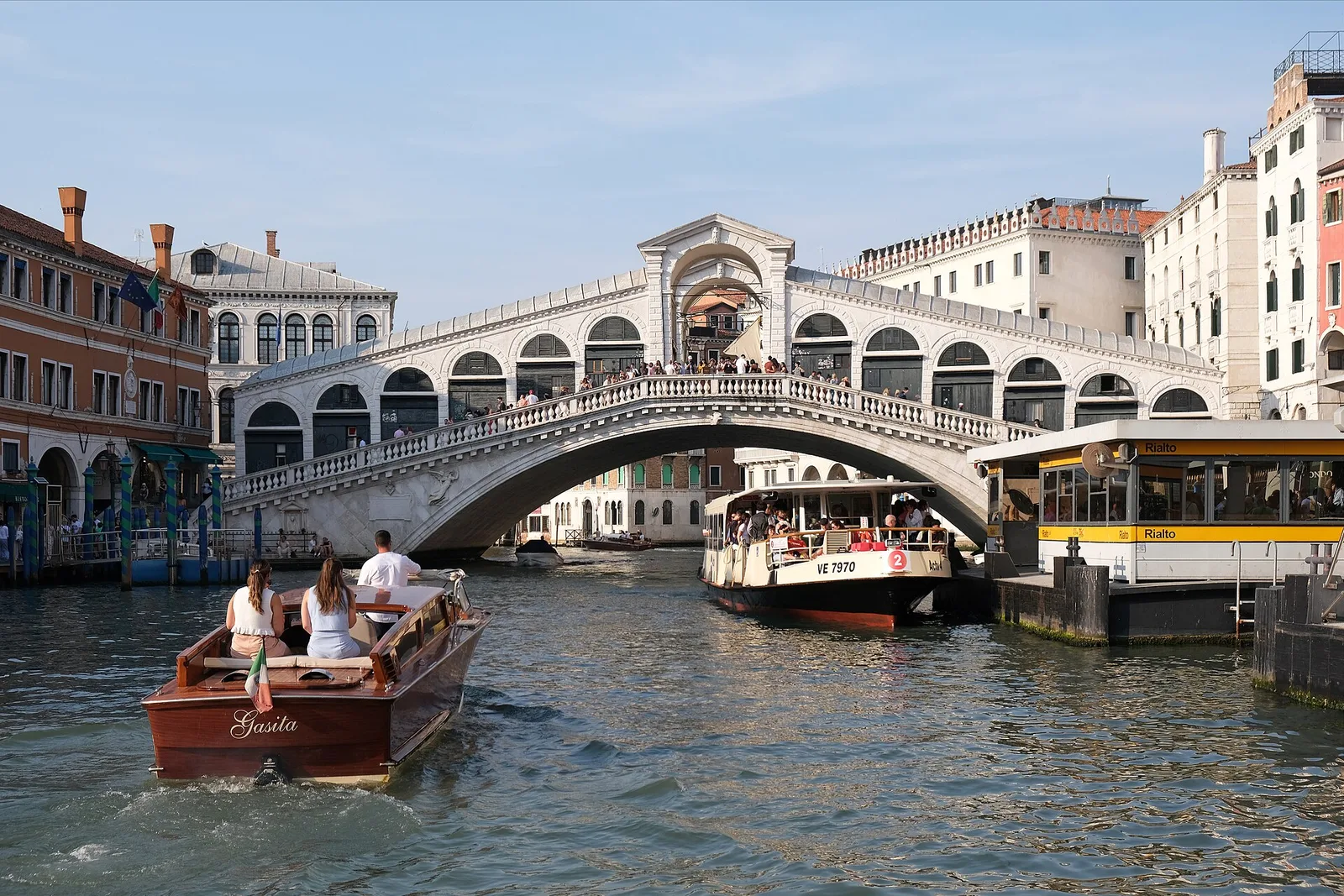
    The stone arch of the Rialto Bridge over the Grand Canal, with boats and a vaporetto stop beside it
    Photo: kallerna · CC BY-SA 4.0
  6. 1 hour

    Venetian Ghetto (Campo di Ghetto Nuovo)

    Visit the historic Jewish quarter, the world’s original Ghetto, with its synagogues and museum (the museum is closed on Saturdays and on Jewish holidays).

    The Campo di Ghetto Nuovo is the heart of the Venetian Ghetto, established in 1516, the first place in Europe where the word ghetto was used for a Jewish quarter, with tall buildings, synagogues, and a Jewish museum. It is worth a quiet hour for the history and the atmosphere. Expect a lived-in neighborhood, guided visits to the synagogues arranged through the museum, and a museum that is closed on Saturdays and on Jewish holidays, so keep a respectful tone.
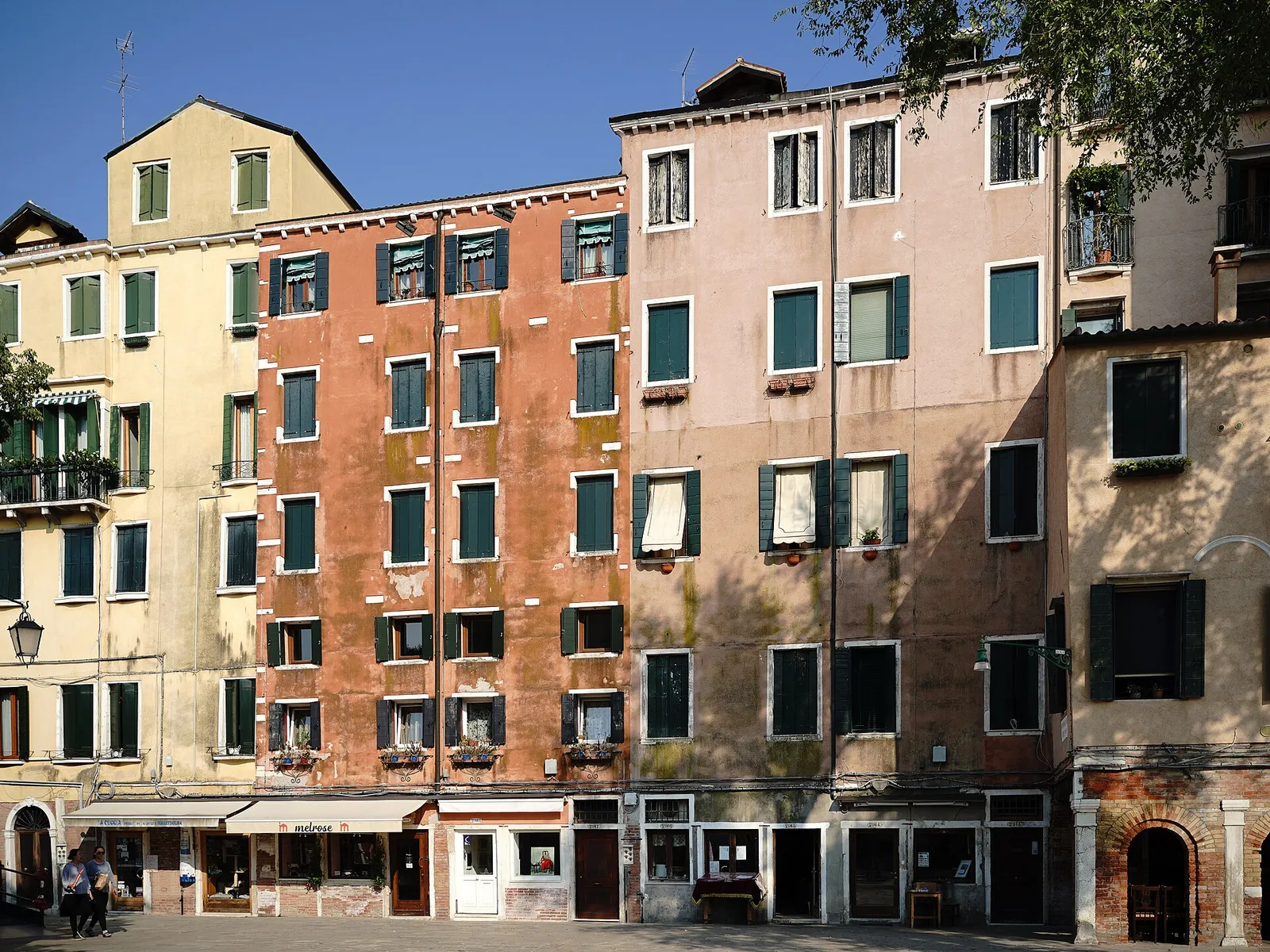
    Tall terracotta, pink and yellow tenement buildings with shuttered windows around Campo di Ghetto Nuovo in the Venetian Ghetto
    Photo: Øyvind Holmstad · CC BY-SA 4.0
  7. 1 hour 10 min

    Cannaregio Canal

    Wander the quieter canals and bridges of Cannaregio, where local life continues.

    Cannaregio is the northern district of Venice, a residential area of quiet canals, small bridges, and neighborhood bars away from the main tourist routes. It is worth a slow walk for a calmer, more local side of the city. Expect fewer crowds, laundry lines over the canals, and aperitivo spots along the Fondamenta degli Ormesini and the Misericordia canal.
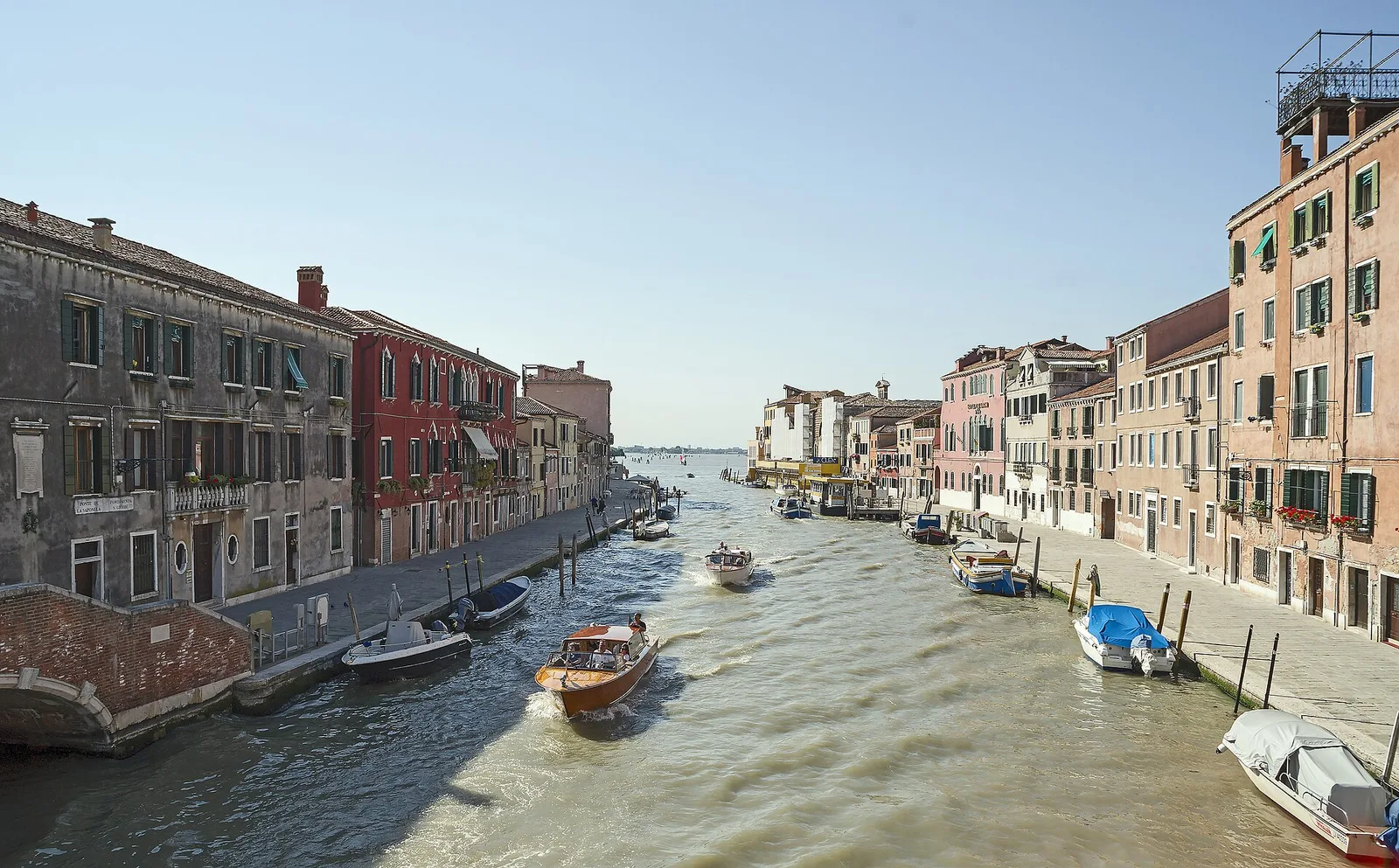
    A canal in Cannaregio lined with brick and plaster buildings, with small boats on the water and a bell tower at the right edge
    Photo: Didier Descouens · CC BY-SA 4.0
  8. 1 hour 30 min

    Dinner in Cannaregio
Day2

A day trip to Burano and its colorful canals

Take the vaporetto across the lagoon to Burano for its brightly painted houses, the leaning bell tower of San Martino, and the Lace Museum, with lunch on the island and an afternoon return to Venice.

  1. 1 hour 15 min

    Vaporetto line 12 from Fondamente Nove to Burano (about 45 minutes)

  2. 1 hour

    Burano and Via Galuppi

    Wander the brightly painted fishermen’s houses and the lace shops of the lagoon island.

    Burano is a small island in the Venetian lagoon, known for its brightly painted fishermen’s houses lining narrow canals and for its tradition of lace-making. It is worth the boat ride for the color and the unhurried island pace, far from the crowds of San Marco. Expect many visitors on the main street of Via Baldassare Galuppi, small cafes and lace shops, and a very short walk to cover the whole island.

  3. 40 min

    San Martino Church, Burano

    See the church with the famously leaning bell tower and a painting of the Crucifixion by Tiepolo.

    The Church of San Martino is Burano’s main church, notable for its sharply leaning bell tower and for artwork inside, including a Crucifixion by Tiepolo. It is worth a short stop for the tower and the quiet interior. Expect a small church that closes for several hours around midday, so visit in the morning, and look at the tower from the square if it is shut.

  4. 1 hour 15 min

    Lunch on Burano (fish, risotto, and local biscuits)

  5. 1 hour

    Lace Museum (Museo del Merletto)

    Learn about the island’s lace-making tradition in a small museum (closed on Mondays; check the hours).

    The Lace Museum, or Museo del Merletto, sits on Burano’s main square and tells the story of the island’s lace-making, with historic pieces and demonstrations. It is worth about an hour for the craft behind the island’s fame. Expect a small, ticketed museum that is closed on Mondays and has set opening hours, so check the days and times, and look for genuine local lace if you want to buy.

  6. 1 hour 30 min

    Vaporetto back to Venice (about 45 minutes), then a rest

  7. 1 hour 30 min

    Dinner in Venice

Day3

The Accademia, the Zattere, Peggy Guggenheim, the Salute, and San Polo

Spend the day in Dorsoduro with the Accademia’s Venetian painting, a stroll on the sunny Zattere, and modern art at the Peggy Guggenheim Collection. Finish at the Salute church and wander the lanes of San Polo before dinner.

  1. 2 hours

    Gallerie dell’Accademia

    See the best collection of Venetian painting, from Bellini to Tintoretto (ticketed; check the Monday hours).

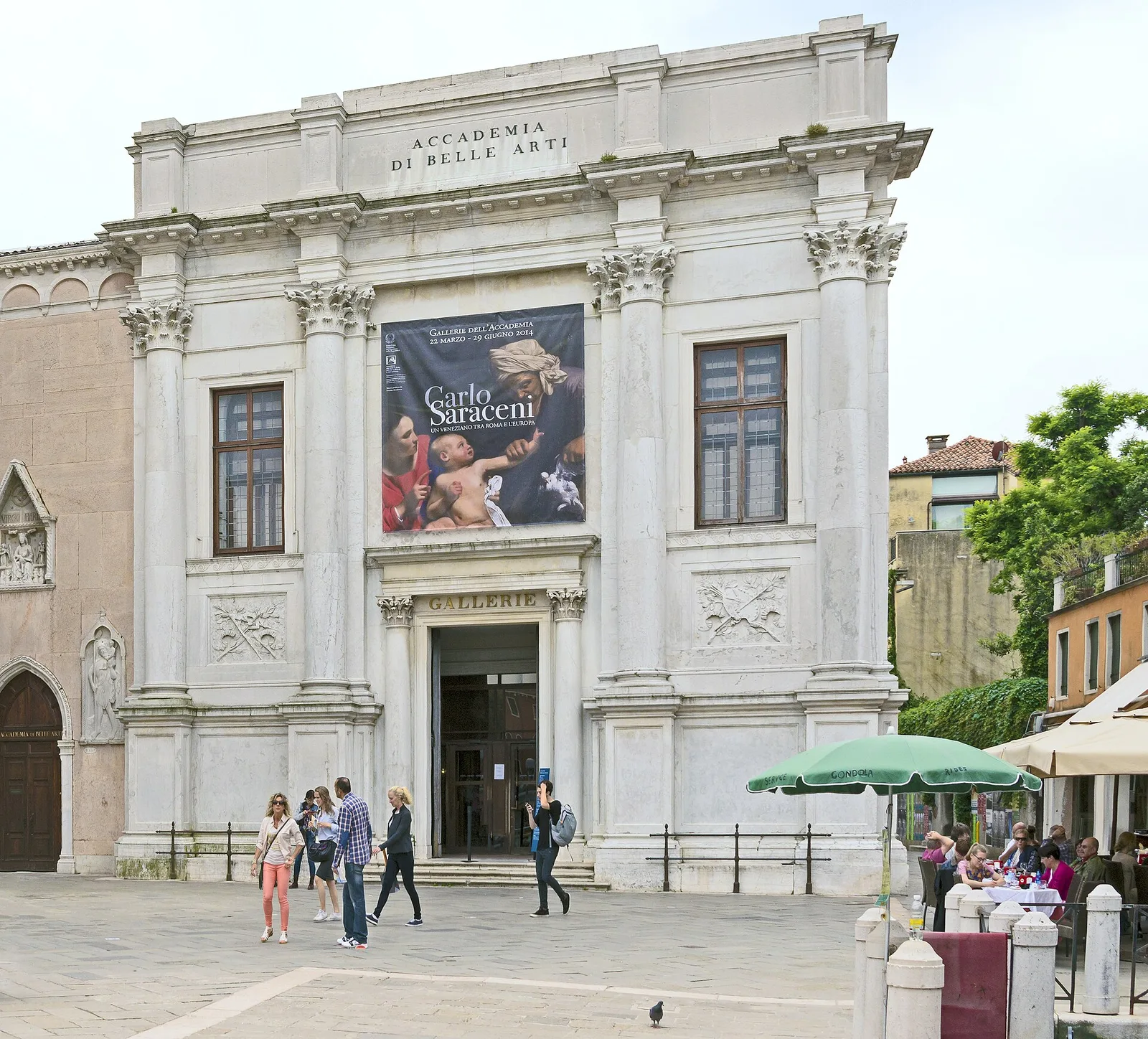
    The Gallerie dell’Accademia holds the greatest collection of Venetian painting, from the Byzantine-influenced early works through Bellini, Giorgione, Titian, Tintoretto, and Veronese. It is worth about two hours for a clear picture of what made Venetian art special. Expect a ticketed museum with limited or no opening on Mondays, queues midday, and rooms that are sometimes closed for restoration, so check the days and hours and book ahead.

    The white stone facade of the building that houses the Gallerie dell’Accademia, with an exhibition banner above the entrance
    Photo: Didier Descouens · CC BY-SA 4.0
  2. 45 min

    The Zattere Waterfront

    Stroll the long sunny quay facing the Giudecca Canal, a favorite with locals.

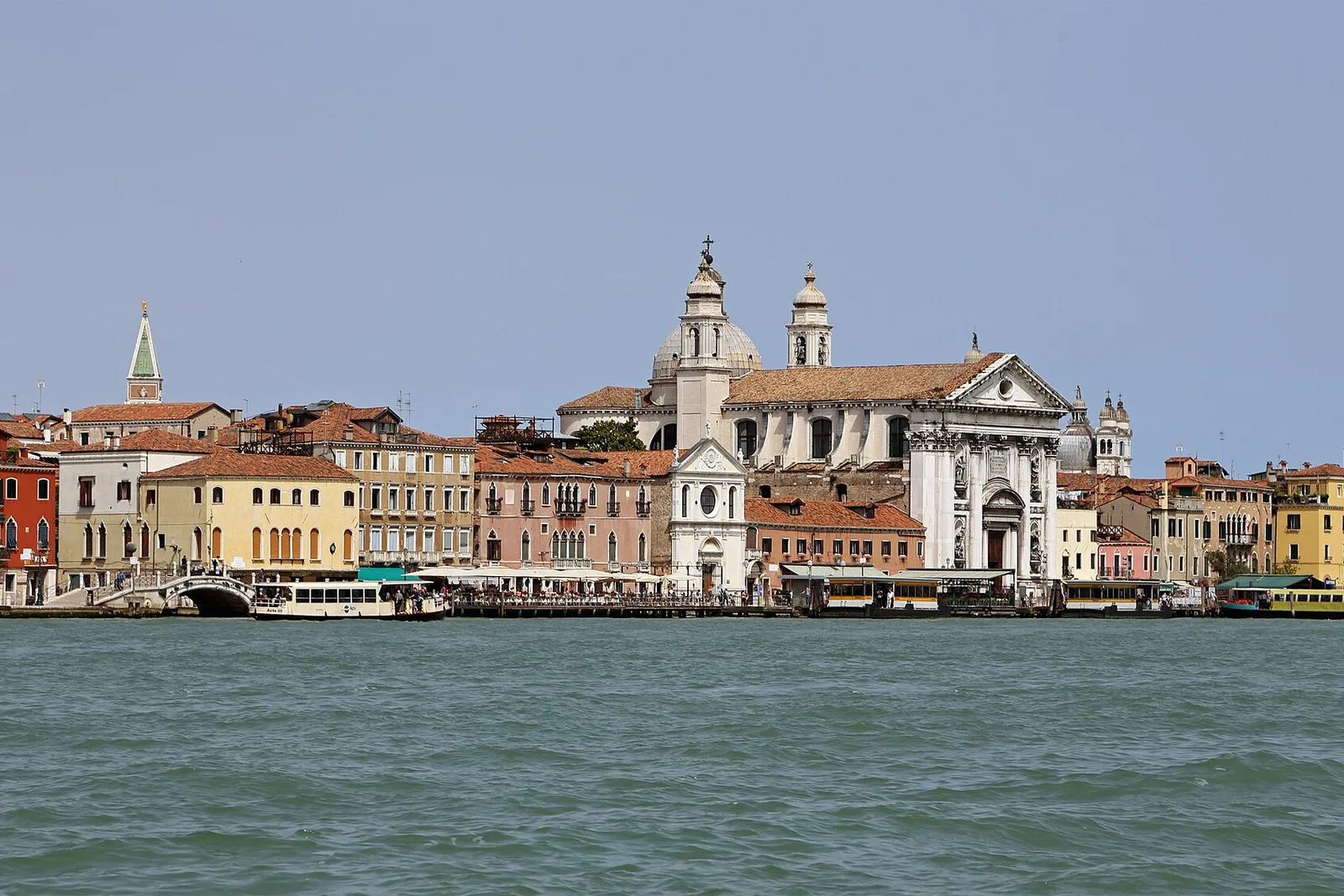
    The Zattere is a long, sunny quay along the south side of Dorsoduro facing the Giudecca Canal, with open views, a line of cafes and restaurants, and the Gesuati church. It is worth an easy walk and a gelato for the light and the space. Expect a relaxed promenade with far fewer crowds than San Marco and a pleasant place to sit by the water.

    The Zattere waterfront seen across the Giudecca Canal, with café terraces along the quay and the white dome of the Gesuati church behind
    Photo: Marc Ryckaert · CC BY-SA 4.0
  3. 1 hour 15 min

    Lunch in Dorsoduro

  4. 1 hour 30 min

    Peggy Guggenheim Collection

    See Picasso, Pollock, and Dalí in an unfinished canal-side palazzo (closed on Tuesdays).

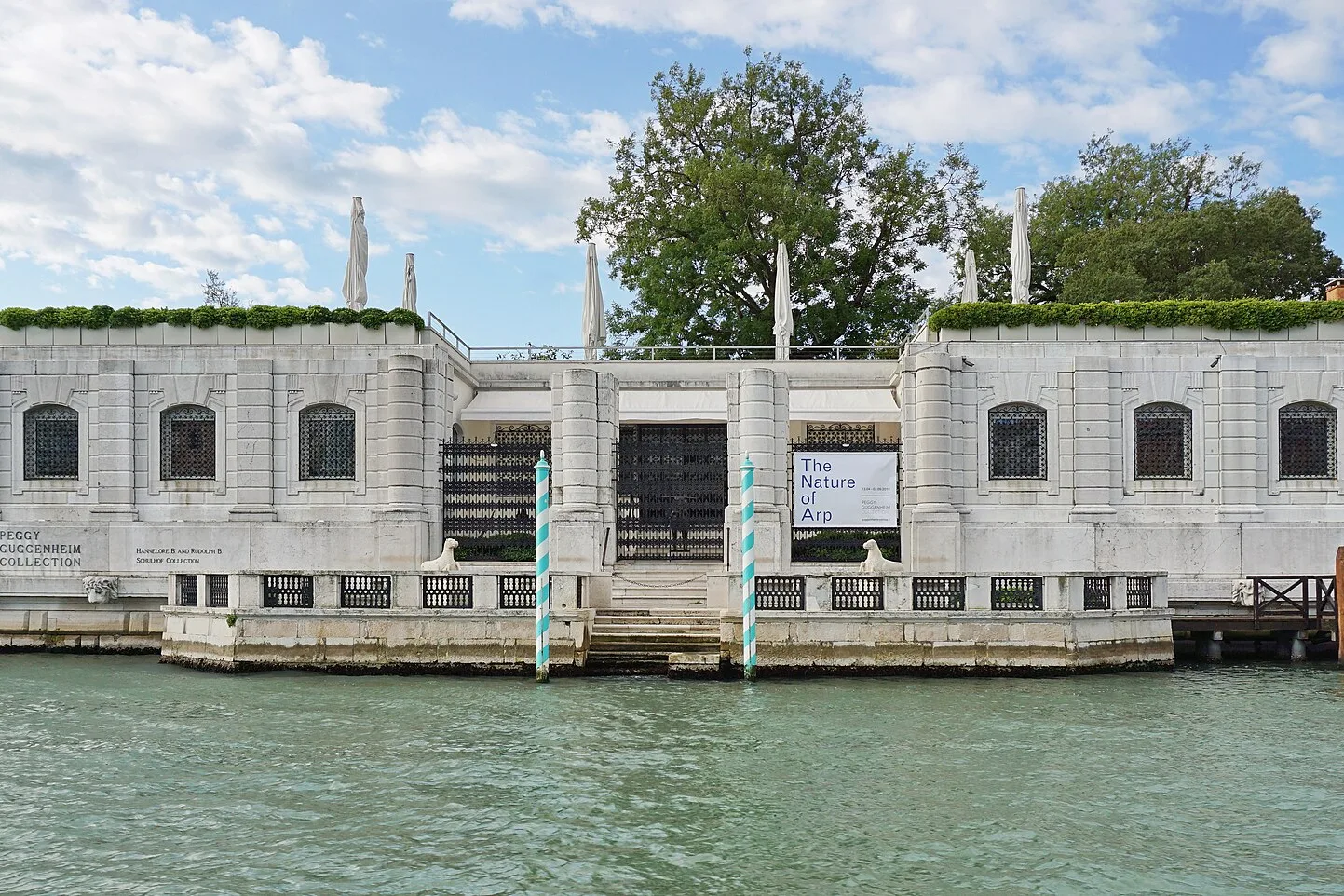
    The Peggy Guggenheim Collection is a museum of modern art in the Palazzo Venier dei Leoni on the Grand Canal, home to the collection of the American heiress Peggy Guggenheim, with works by Picasso, Pollock, Dalí, and Kandinsky and a sculpture garden. It is worth about an hour and a half for a contemporary change after the Old Masters. Expect a ticketed museum that is closed on Tuesdays, so check the hours and book ahead in busy seasons.

    The low white facade of Palazzo Venier dei Leoni, home of the Peggy Guggenheim Collection, on the Grand Canal with striped mooring poles in front
    Photo: Armin Kleiner · CC BY-SA 4.0
  5. 45 min

    Santa Maria della Salute

    Visit the great white domed church at the mouth of the Grand Canal (check its midday closing).

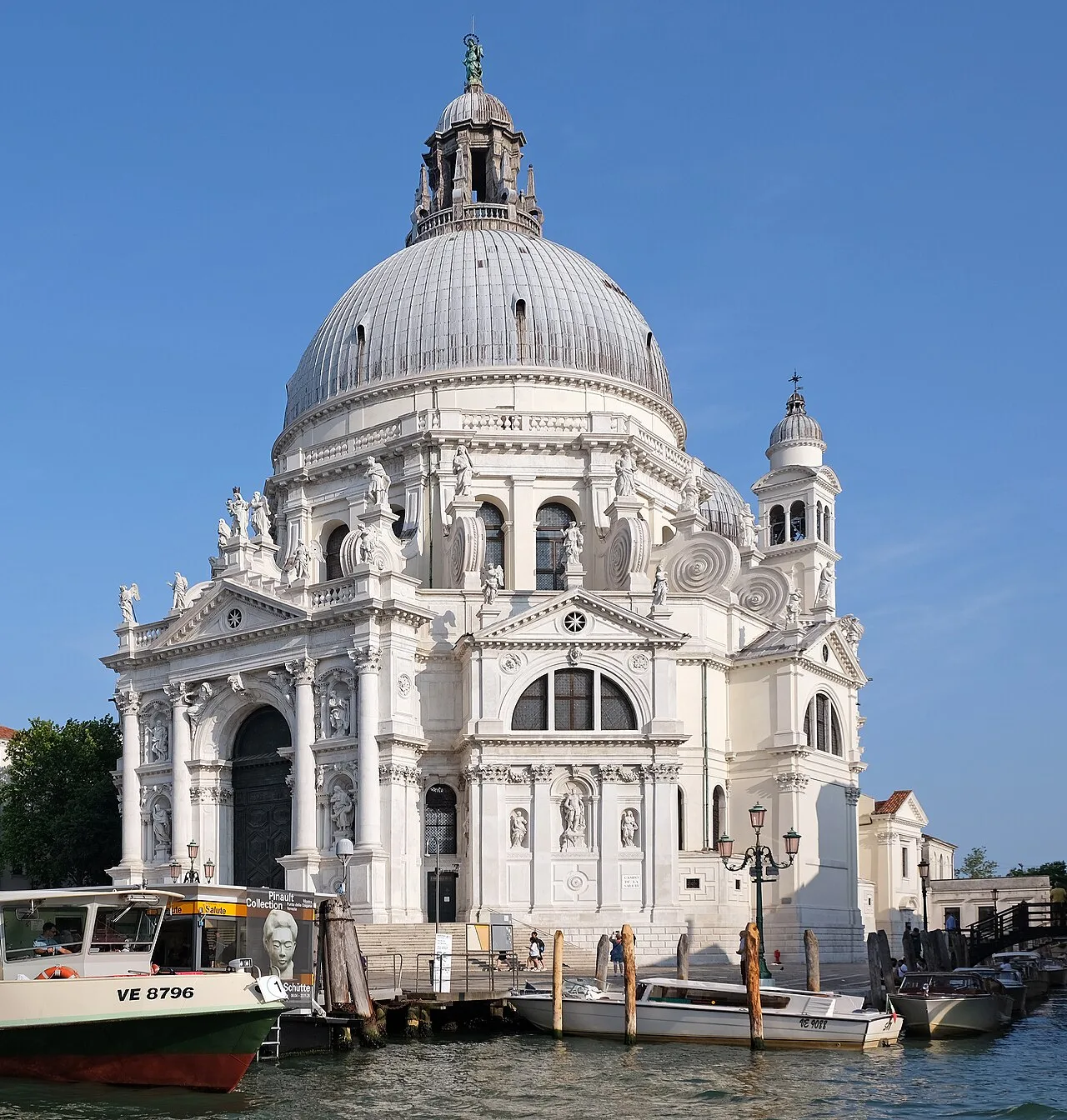
    Santa Maria della Salute is the great baroque church at the mouth of the Grand Canal, built in the 17th century after a plague, with a white dome that dominates the Venice skyline. It is worth a stop for the exterior and the view across the water to San Marco. Expect the church to close in the middle of the day and to reopen in the afternoon, so check the hours, and note that the sacristy with its paintings has a separate fee.

    The white domes, statues and bell tower of Santa Maria della Salute across the Grand Canal under a clear blue sky, with water taxis moored in front
    Photo: kallerna · CC BY-SA 4.0
  6. 1 hour 15 min

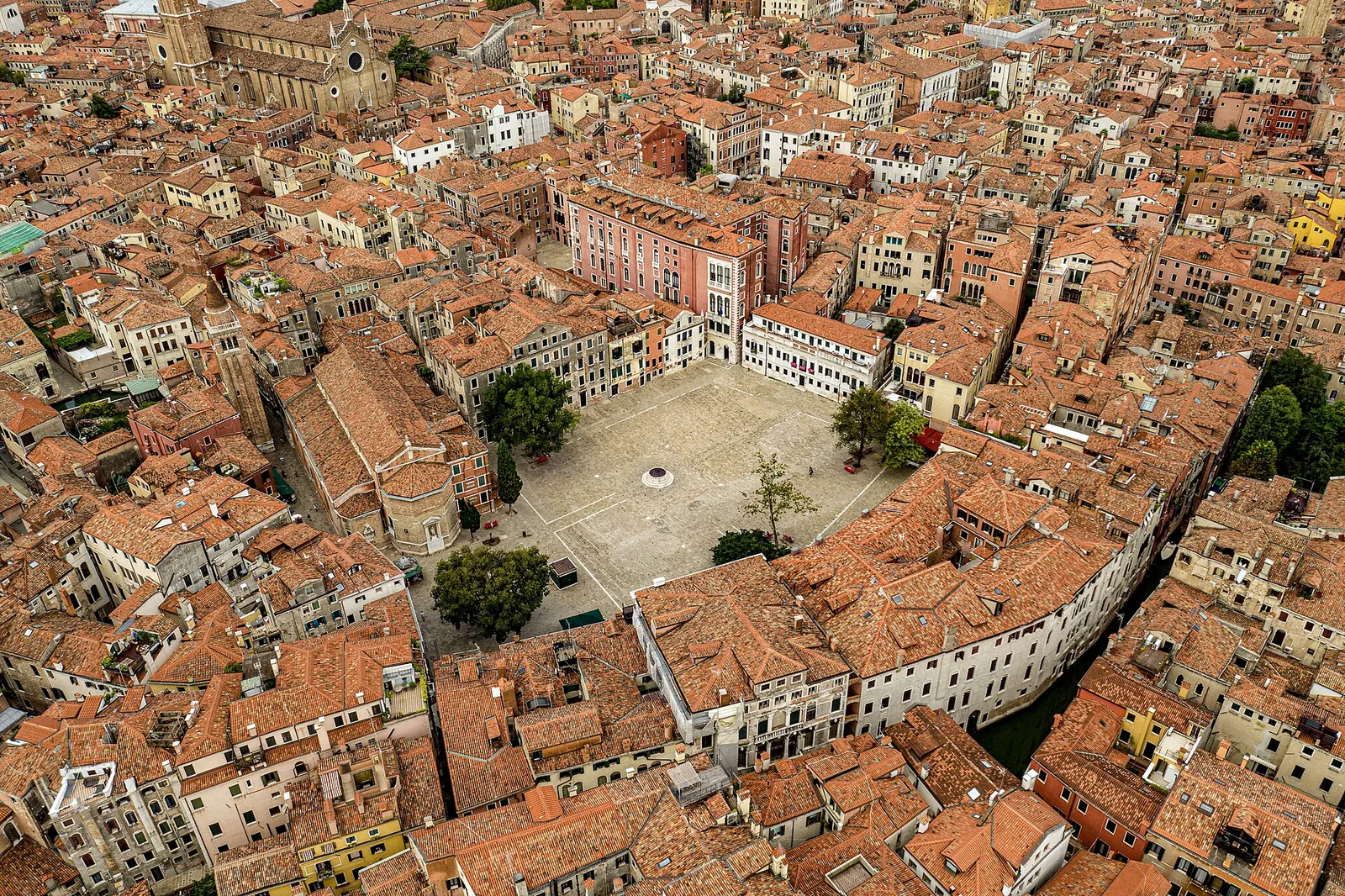
    San Polo

    Get lost in the lanes and squares of one of Venice’s oldest districts, near the Rialto market.

    San Polo is the smallest and one of the oldest of Venice’s districts, a maze of lanes, squares, and canals between the Rialto Bridge and the Frari church. It is worth a wander for its local feel, bacari wine bars, and small squares with wells. Expect to take a traghetto gondola across the Grand Canal if you want, to get lost on purpose, and to find that many shops and some bars close in the late afternoon.

    An aerial view of a San Polo square with a well at its center, surrounded by terracotta rooftops
    Photo: Kasa Fue · CC BY-SA 4.0
  7. 1 hour 30 min

    Dinner in San Polo

Itinerary decisions

What makes the cut, what can wait, and what is less worth it.

Essential

  • The Doge’s Palace and St Mark’s Basilica
  • Rialto Bridge
  • A vaporetto day trip to Burano
  • The Accademia

Optional

  • The Peggy Guggenheim Collection
  • The Venetian Ghetto
  • Santa Maria della Salute

Not prioritized

  • A gondola ride, which is costly and optional for a first visit
  • Adding Murano or Torcello to the Burano day

Before you use this plan

  • Hours, closures, prices, and conditions can change.
  • Start the trip on a Monday to Friday. A Sunday start puts Day 2 on a Monday, when the Lace Museum on Burano is closed, and a Saturday start puts Day 3 on a Monday, when the Accademia may be closed or open only briefly. The Peggy Guggenheim is closed on Tuesdays, and St Mark’s Basilica opens only in the afternoon on Sundays.
  • Book the Doge’s Palace and St Mark’s Basilica online in advance for timed entries, and arrive at the Doge’s Palace when it opens. St Mark’s Basilica requires covered shoulders and knees and has a no-large-bags rule, so dress for it and travel light.
  • Venice is mostly on foot, with the vaporetto for the Grand Canal and the lagoon. A multi-day vaporetto pass is better value than single tickets, and the Burano trip leaves from Fondamente Nove.
  • Venice charges an access fee on selected days (in 2026 it applied on 60 days, from early April to late July, roughly 08:30 to 16:00; check the calendar for your travel year) to day visitors who do not stay overnight. Overnight guests are exempt, but they should register on the city’s access-fee portal for a free exemption code on those days, since visitors without one can be fined. The lagoon islands, Burano included, are outside the fee area. Check the official calendar before you go.
  • From autumn through winter, high tides (acqua alta) can flood parts of the city for a few hours, when raised walkways are set up and waterproof boots help. Check the tide forecast, and keep the schedule flexible.
  • Eating near Piazza San Marco is expensive and often poor value, so walk a few streets away to eat, and check for cover charges.
  • This is a public example; Dayworthy adapts it to your dates, pace, hotel, and interests inside the app.

Dayworthy

Turn this example into your trip.

Dayworthy adapts the itinerary to your dates, pace, hotel, interests, and saved places.

Download Dayworthy on the App StoreDownload Dayworthy on Google Play