Dayworthy itinerary

Two days in Tunis, from the medina to Carthage

A realistic 2-day Tunis itinerary

A balanced first visit split into the medina and the colonial-era city (Bab El Bhar, Zitouna, the souks, Tourbet El Bey, and Avenue Habib Bourguiba) and a day of mosaics, Roman and Punic ruins, and the blue-and-white cliffs of Sidi Bou Said.

Destination
Tunis, Tunisia
Length
2 days
Pace
balanced
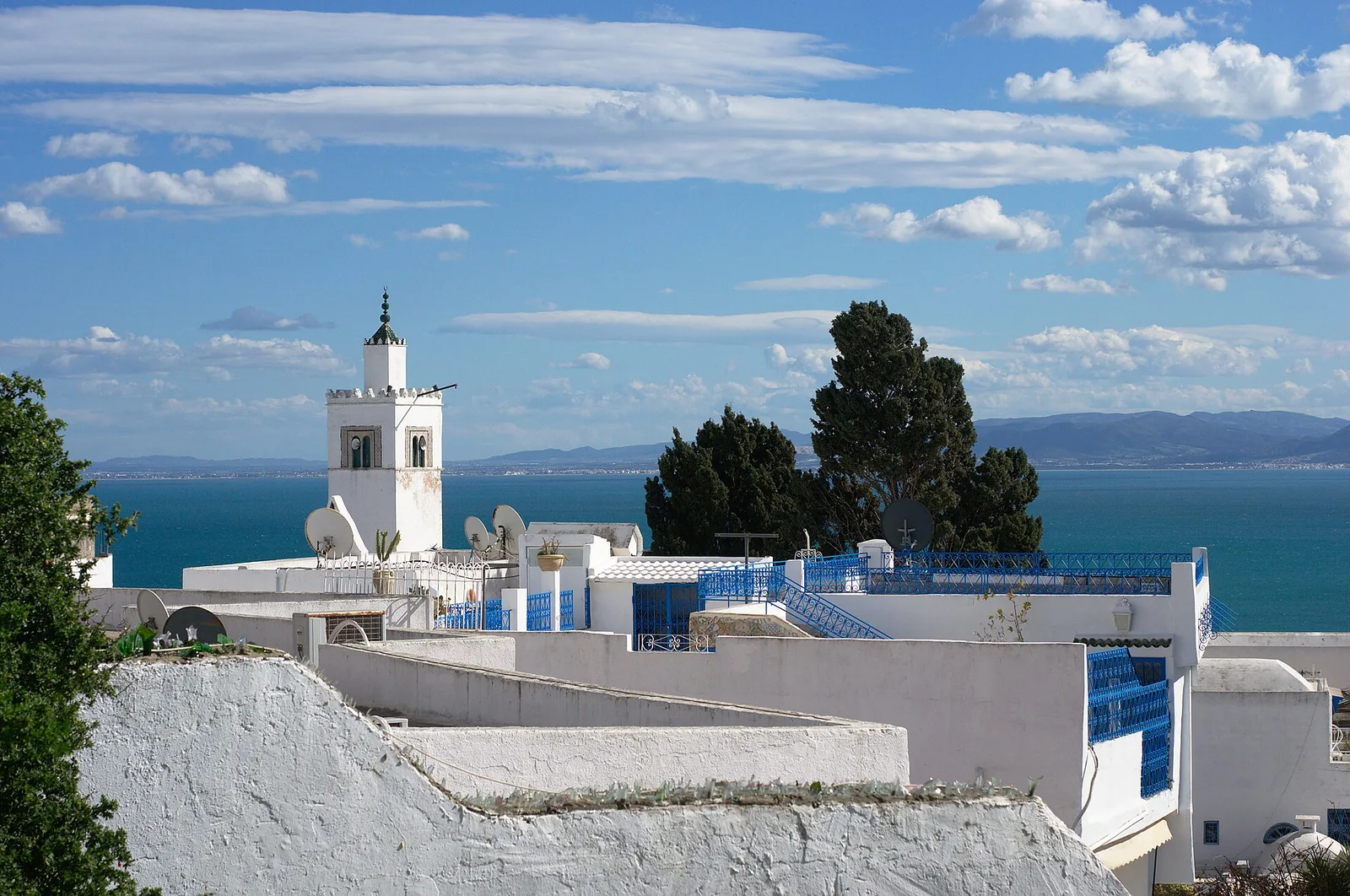
White houses with blue railings and a mosque minaret above the sea at Sidi Bou Said
Photo: Habib M'henni · CC BY 4.0

Day-by-day plan

A paced plan, not an endless list.

Day1

Bab El Bhar, Zitouna Mosque, the Souks, and Avenue Habib Bourguiba

Enter the medina through Bab El Bhar in the morning, see the Zitouna Mosque courtyard and wander the souks while they are liveliest, then visit Tourbet El Bey. After lunch, cross to Kasbah Square and finish on Avenue Habib Bourguiba in the colonial-era city.

  1. 30 min

    Bab El Bhar

    The historic stone gate marking the entrance to the old Medina from the modern city.

    Bab El Bhar is one of Tunis’s most recognizable landmarks, sitting where the historic medina meets the newer downtown streets. It is worth a quick visit for its symbolic role, the busy urban atmosphere around it, and the easy access it gives to nearby shops, cafés, and market streets. Expect a lively crossroads rather than a stand-alone monument, with the best experience coming from wandering the surrounding area.
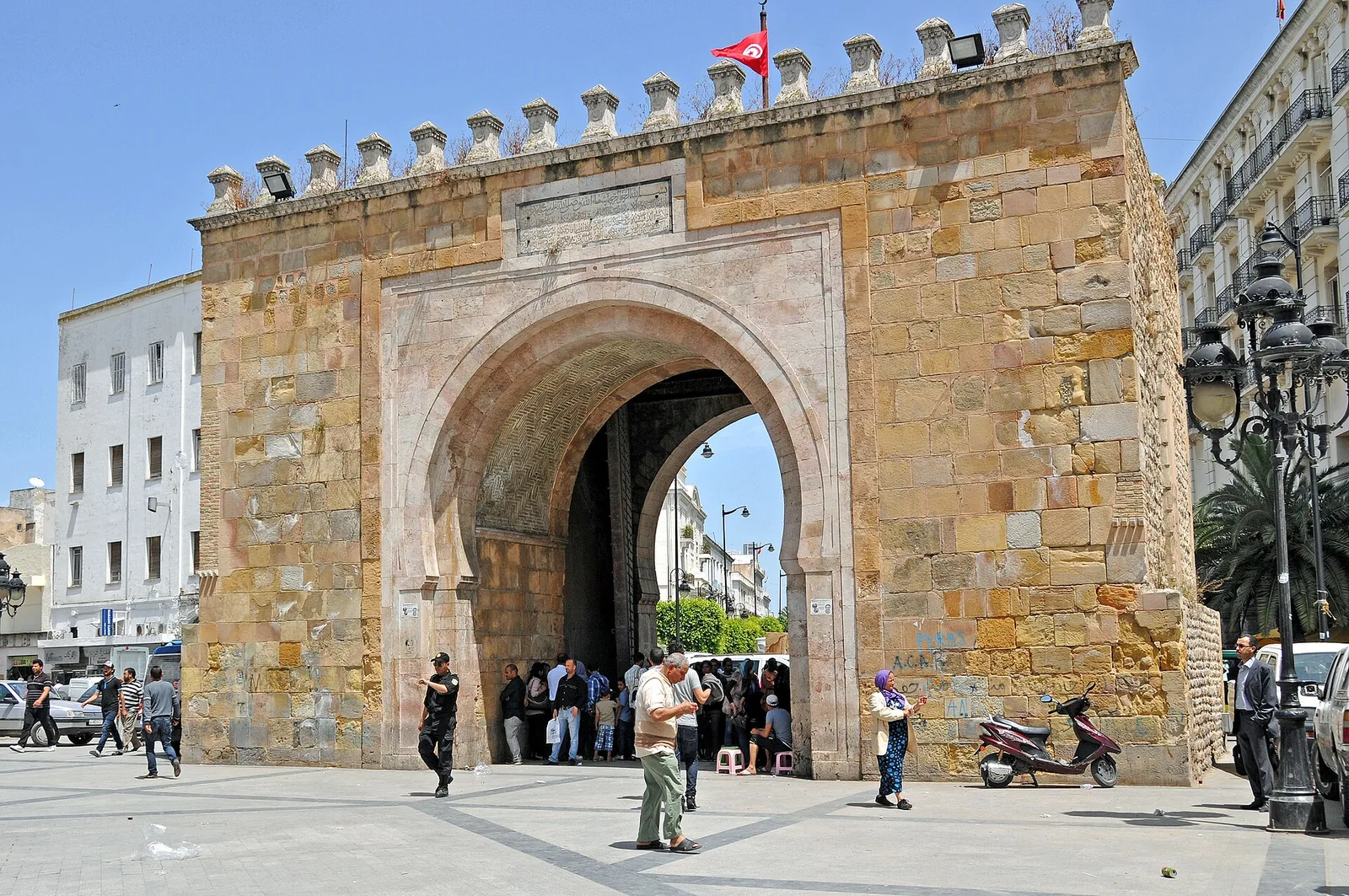
    The sandstone Bab El Bhar gate with its horseshoe arch and crenellations, seen from the square in front
    Photo: Dennis G. Jarvis · CC BY-SA 2.0
  2. 45 min

    Zitouna Mosque

    One of Tunis's oldest and most important mosques, at the spiritual heart of the Medina.

    Zitouna Mosque sits at the heart of the medina and is closely tied to Tunis’s religious and scholarly history. It is worth seeing for its central role in the city and for the calm of its courtyard amid the surrounding streets. It is a working place of worship rather than a museum: non-Muslim visitors can usually see only the courtyard and exterior, not the prayer hall, so dress respectfully and expect visiting to pause for prayer.
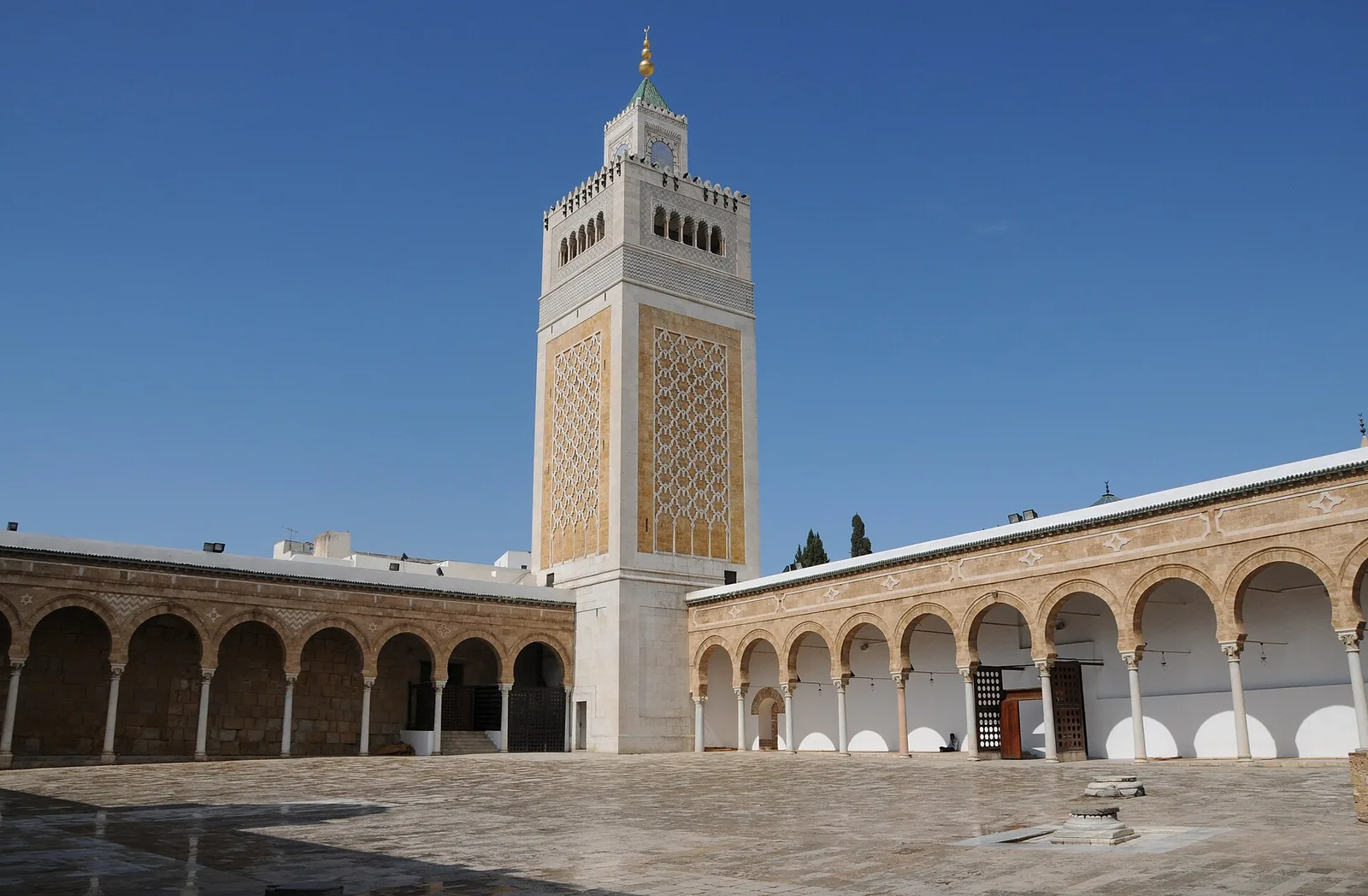
    The courtyard of the Zitouna Mosque, with its arcades and tiled square minaret
    Photo: Citizen59 · CC BY-SA 3.0
  3. 1 hour 30 min

    Souks

    Wander through the labyrinthine covered alleys filled with perfume, textiles, and traditional crafts.

    The souks of the Tunis medina are a maze of covered alleys, with streets grouped by trade, from perfume and textiles to brass, leather, and traditional crafts. They are worth wandering if you enjoy markets with real local business and are happy to get a little lost. Expect bargaining, narrow lanes, and shop hours that thin out on Friday afternoons and Sundays, when many traders close.

  4. 1 hour

    Tourbet El Bey

    An intricate Ottoman-era mausoleum housing the tombs of the Husainid Dynasty princes.

    Tourbet el Bey is an Ottoman-era royal mausoleum in the southwest of the medina, the burial place of most of the Husainid dynasty's rulers. It is worth a visit for its courtyards, tilework, and marble tombs, and as a quieter, more contemplative break from the souks. Expect a short, modest visit; confirm opening hours, which are often reported as ending in mid-afternoon.

  5. 1 hour 15 min

    Lunch in the medina

  6. 45 min

    Kasbah Square

    An expansive civic plaza surrounded by government palaces and central monuments.

    Kasbah Square sits in the old center of Tunis, where the city’s political and historic layers still feel close together. It is worth a stop if you like wandering places with a strong local rhythm, especially when you want to pair the square with nearby government buildings, medina edges, and everyday urban movement. Expect more atmosphere than a single must-see monument.
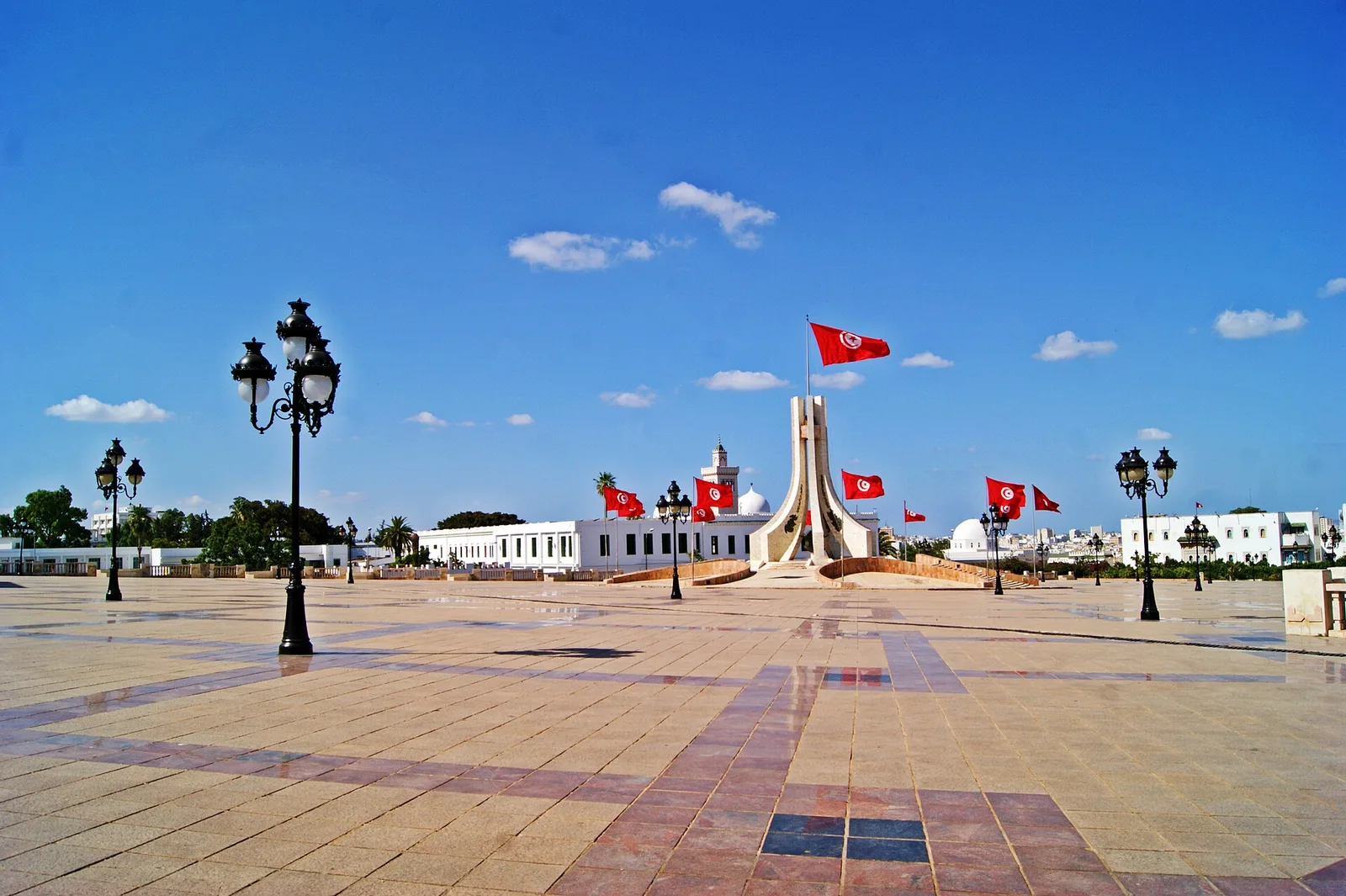
    The wide paved Kasbah Square with lamp posts, Tunisian flags, and a monument at its centre
    Photo: Selma Jmii · CC BY-SA 4.0
  7. 45 min

    Afternoon tea break

  8. 1 hour 30 min

    Avenue Habib Bourguiba

    Stroll the tree-lined French-colonial Boulevard past Art Nouveau buildings and the Municipal Theatre.

    Avenue Habib Bourguiba is the main boulevard of the colonial-era Ville Nouvelle, a tree-lined promenade with French-era and Art Nouveau buildings, cafes, and the Municipal Theatre. It is worth a slow walk at the end of the medina day for a look at the city's more European side and its everyday evening life. Expect traffic, crowds, and cafe terraces rather than monuments.

  9. 1 hour 30 min

    Dinner in the Ville Nouvelle
Day2

Bardo Museum, Carthage, and Sidi Bou Said

Start at the Bardo for its Roman mosaics, head north to Carthage for lunch, the Punic quarter, and the Antonine Baths, and finish in Sidi Bou Said with mint tea above the bay and dinner.

  1. 2 hours

    Bardo National Museum

    Explore a renowned collection of ancient Roman mosaics inside a former Beylical palace.

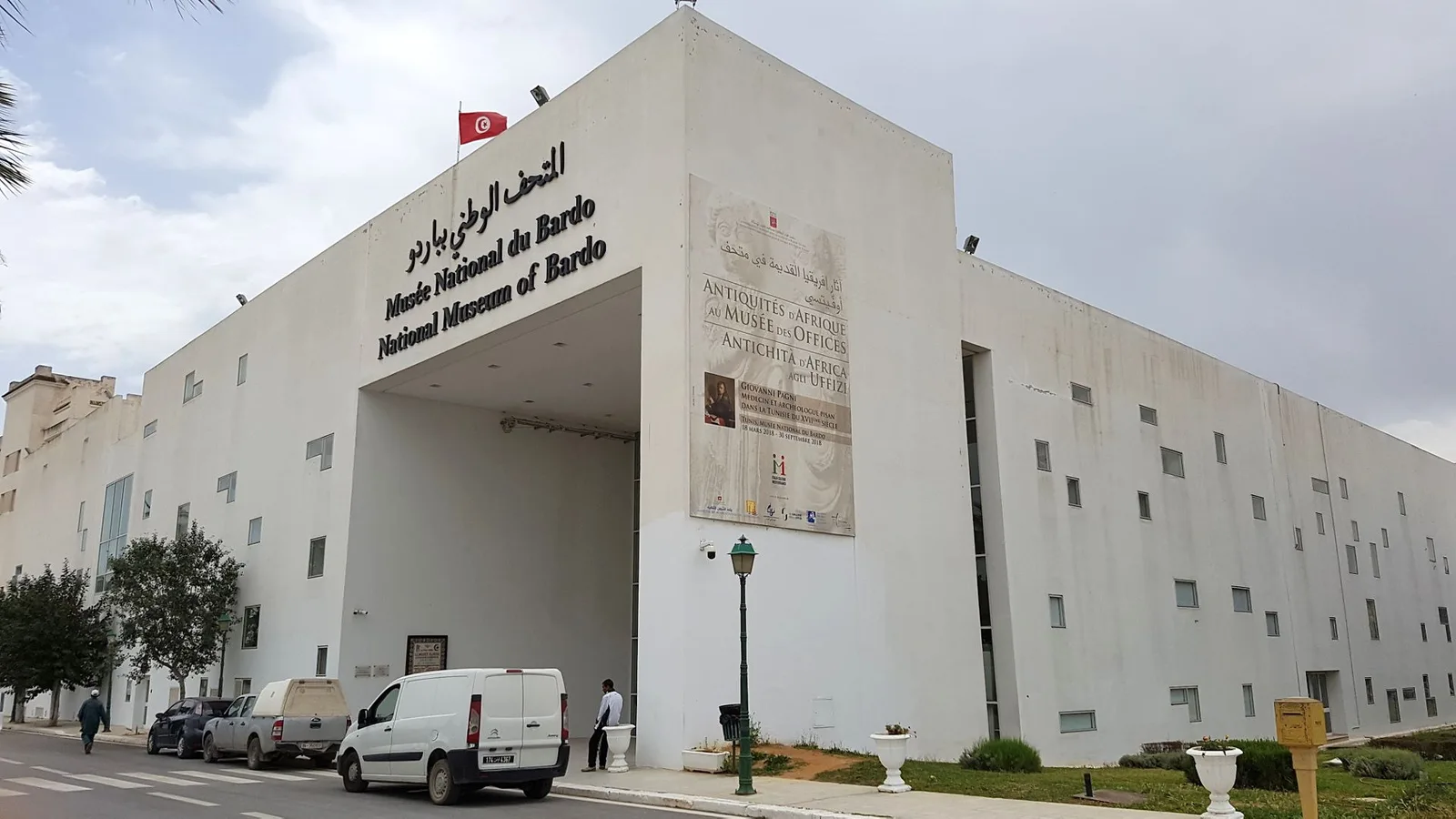
    Bardo National Museum is one of the most rewarding stops in Tunis if you want depth rather than a quick photo stop. Its collections are especially strong in Roman mosaics, with enough variety and craftsmanship to justify a dedicated visit, and the broader displays give a clear sense of Tunisia’s layered past. Expect a serious museum experience that can take time to do properly, so it suits travelers who enjoy history, archaeology, and calm indoor sightseeing.

    The white modern entrance block of the Bardo National Museum, with its bilingual signage
    Photo: Herbert Frank from Wien (Vienna), AT · CC BY 2.0
  2. 1 hour 15 min

    Seafood lunch near Carthage

  3. 1 hour 15 min

    Punic Quarter of Byrsa

    Climb the ancient citadel of Carthage for panoramic bay views and Punic archaeological ruins.

    The Punic Quarter of Byrsa holds the remains of Punic-period houses and streets on the slope below Byrsa Hill, the ancient citadel of Carthage. It is worth visiting if you want to see how the city looked before the Romans, with the hill and the bay as a backdrop. Expect low ruins and a fair amount of uphill walking, best with a little background reading or a guide.

  4. 1 hour

    Baths of Antoninus

    Explore the vast sea-facing ruins of one of the largest Roman bath complexes in the Roman world.

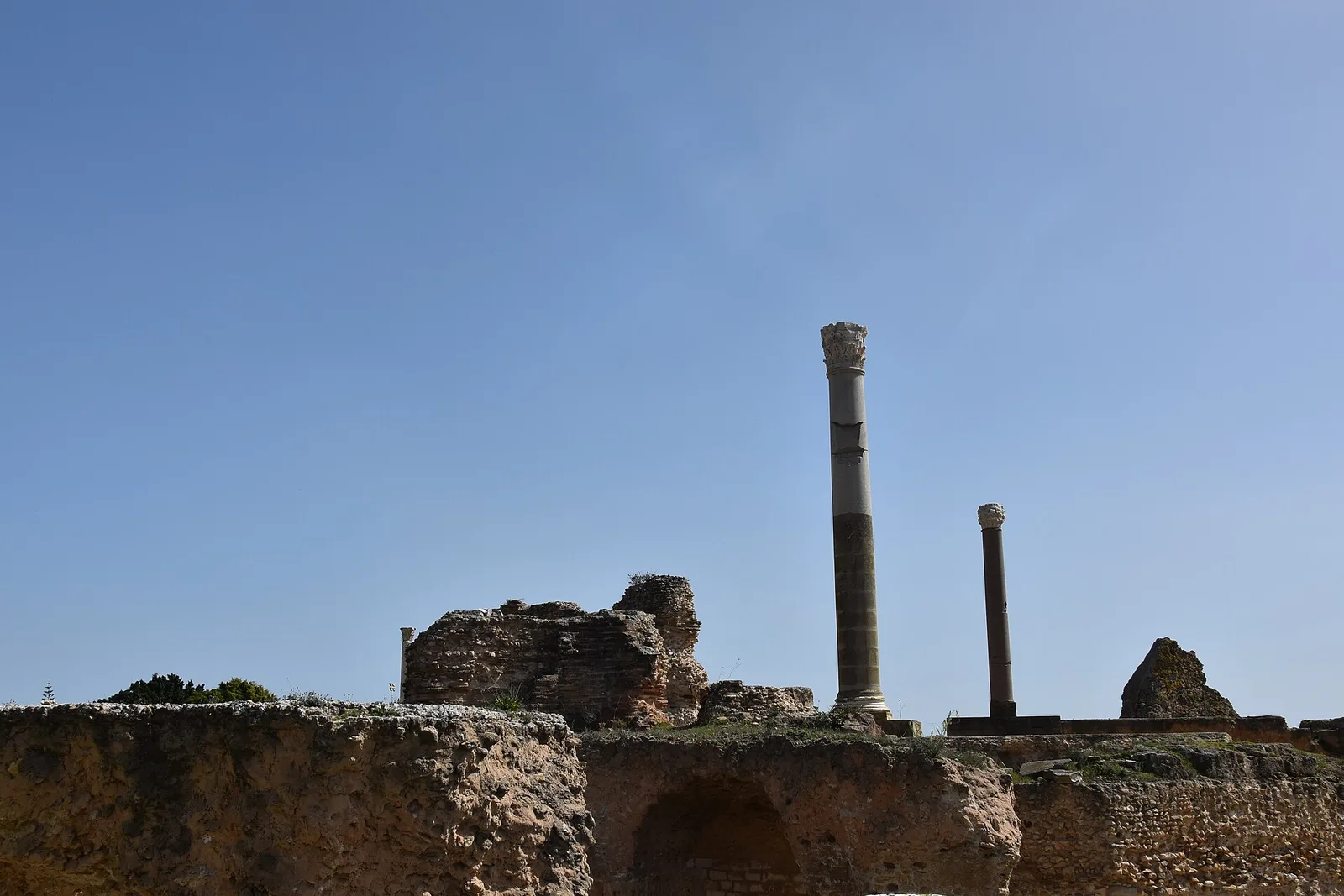
    The Baths of Antoninus are the remains of a once-grand Roman bath complex, and today they are one of the clearest places in Tunis to picture the city’s ancient past. You come for the open-air ruins, the sea views, and the feeling of standing inside a vast public building that has outlasted centuries of change. It is worth it if you enjoy historic sites with atmosphere and can appreciate fragments over intact architecture; if you want a highly interpreted or fully preserved attraction, it may feel sparse.

    Two tall Roman columns and brick ruins of the Antonine Baths under a blue sky
    Photo: Noomen9 · CC BY-SA 4.0
  5. 1 hour 30 min

    Sidi Bou Said

    Wander the famous blue-and-white cobbled streets overlooking the Gulf of Tunis.

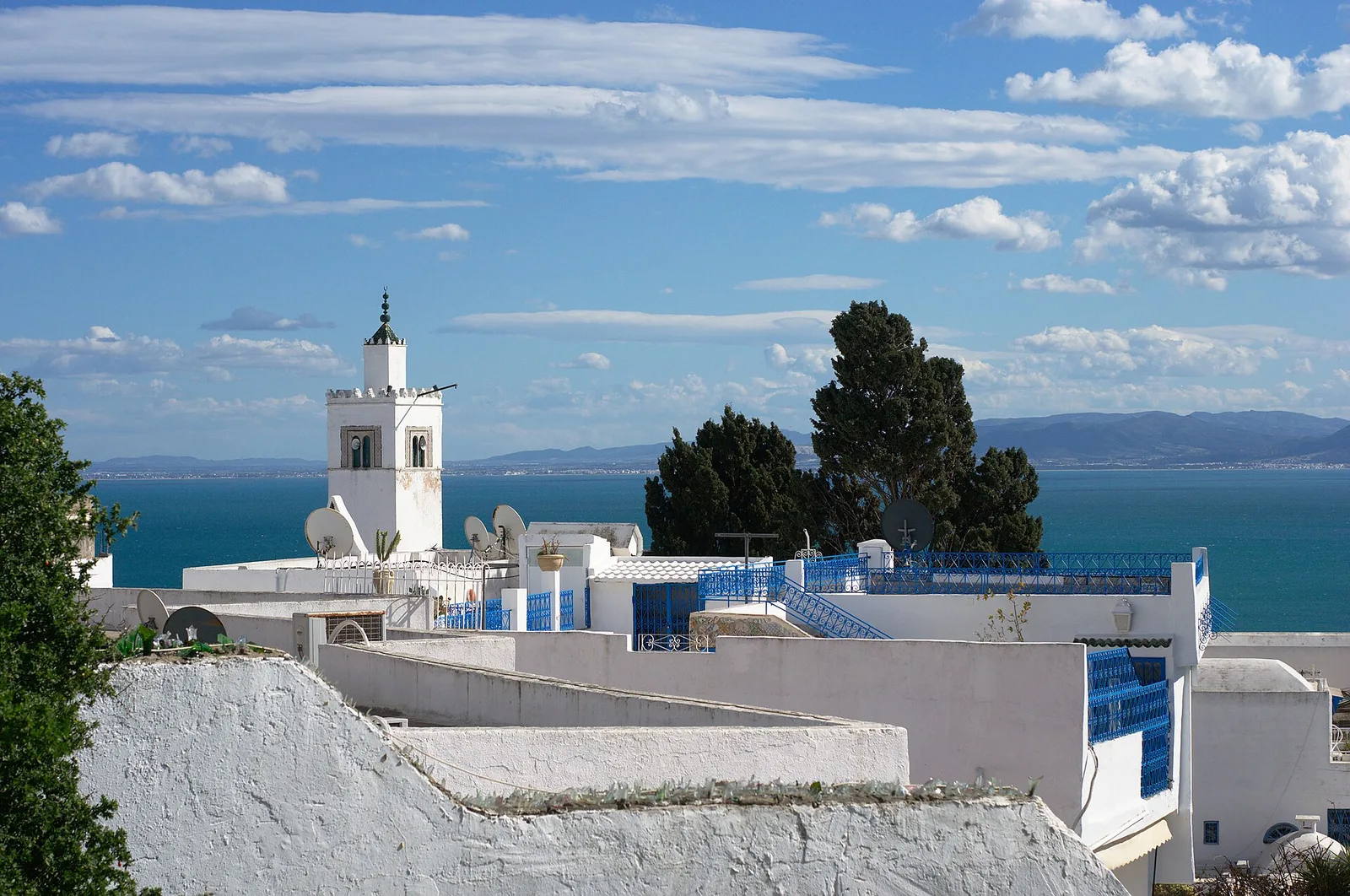
    Sidi Bou Said is one of the most recognizable places near Tunis, with steep little streets, bright facades, and a laid-back atmosphere that feels built for wandering. It is especially rewarding if you enjoy scenic walks, views over the bay, and stopping for coffee or a snack in a handsome setting rather than chasing a single major monument. Expect crowds at popular times, but also enough charm that it still feels worth a slow visit.

    White houses with blue railings and a mosque minaret above the sea at Sidi Bou Said
    Photo: Habib M'henni · CC BY 4.0
  6. 2 hours 30 min

    Mint tea at sunset, then dinner in Sidi Bou Said

Itinerary decisions

What makes the cut, what can wait, and what is less worth it.

Essential

  • Bab El Bhar, Zitouna Mosque, and the souks
  • The Bardo Museum mosaics
  • Carthage: the Antonine Baths and the Punic quarter
  • Sidi Bou Said in the late afternoon

Optional

  • Tourbet El Bey
  • Kasbah Square
  • An evening walk on Avenue Habib Bourguiba

Not prioritized

  • Adding a day trip to Dougga or Kairouan, which each need their own day
  • A beach afternoon at La Marsa

Before you use this plan

  • Hours, closures, prices, and conditions can change.
  • Plan the two days between Tuesday and Saturday if you can, and avoid Friday for Day 1 if possible (Zitouna Mosque closes around the main prayer and many medina shops quiet down in the afternoon). The Bardo Museum is closed on Mondays, while many medina shops close on Sundays. If your dates include a Sunday, use it for Day 2 (Carthage and Sidi Bou Said stay open); if they include a Monday, use it for Day 1.
  • Zitouna Mosque is a working mosque: non-Muslim visitors generally see only the courtyard, dress should be modest, and visiting pauses for prayers and on Friday around the main congregational prayer. Confirm current access before you go.
  • Carthage's sites run on seasonal hours and close earlier in winter, and a single combined ticket commonly covers several of them; the Carthage visits are timed to finish before a winter closing. Carry some Tunisian dinars in cash, as card payment at the gates is often unreliable.
  • The TGM light-rail from Tunis Marine runs to Carthage and Sidi Bou Said in about half an hour. Taxis are the simplest way to reach the Bardo and to get from the Bardo to Carthage; agree fares or use a ride-hailing app, and check the last TGM before a late dinner in Sidi Bou Said.
  • Check your government's current travel advice for Tunisia before you go.
  • This is a public example; Dayworthy adapts it to your dates, pace, hotel, and interests inside the app.

Dayworthy

Turn this example into your trip.

Dayworthy adapts the itinerary to your dates, pace, hotel, interests, and saved places.