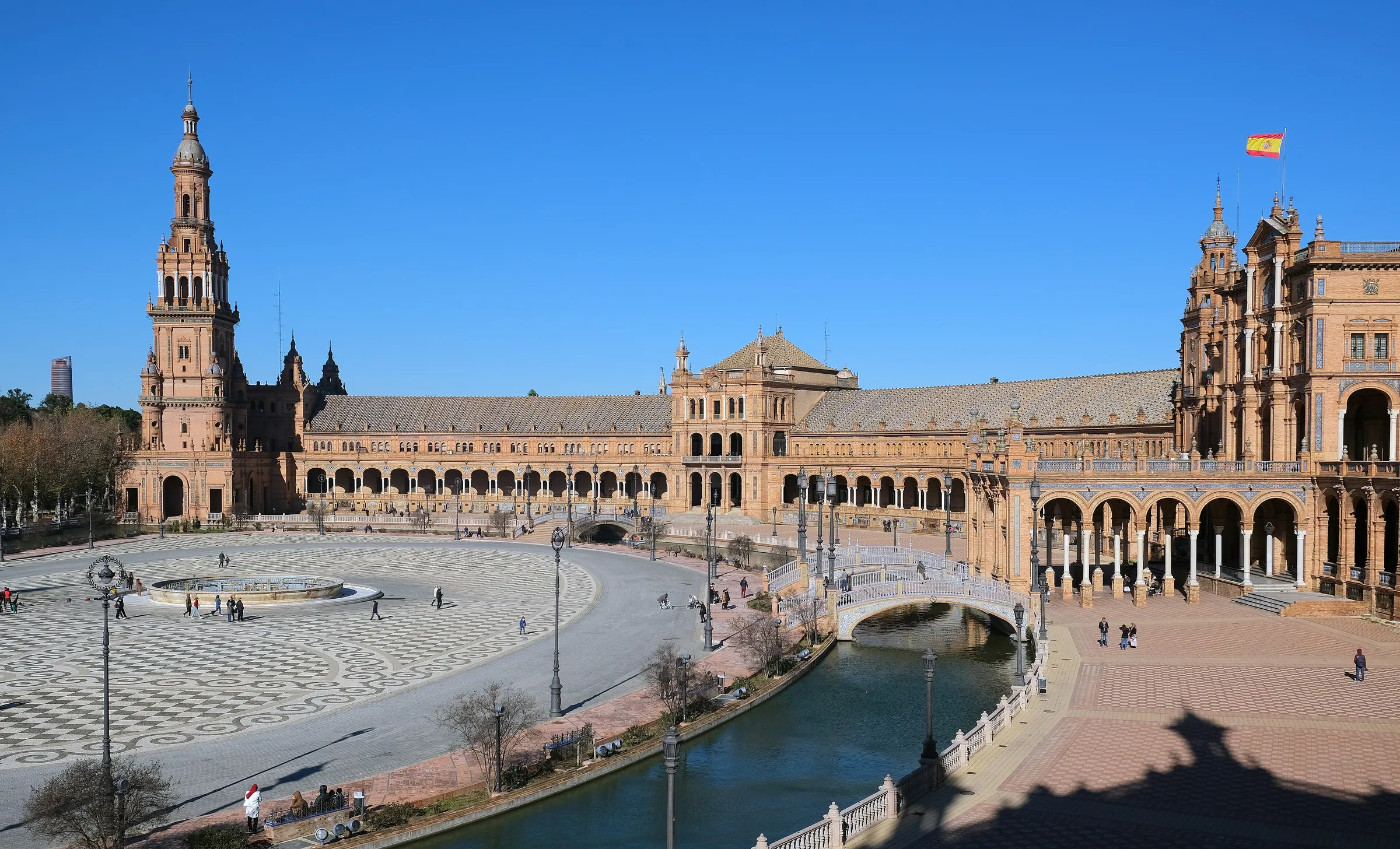
The curved brick-and-tile facade and tower of the Plaza de España in Seville, with a canal and arched bridge in front under a deep blue sky

Trip itinerary · Spain and Portugal

Spain and Portugal in two weeks: Barcelona, Madrid, Seville and Lisbon

Fly into Barcelona, fly home from Lisbon, and cross the peninsula by high-speed train and one short flight: four very different cities in 13 nights, with no rental car.

  • 14 days · 13 nights
  • Train and car
  • Best time: April to early June, or late September to October
  • Barcelona → Lisbon
See the route

The route at a glance

  1. 1Barcelona3 nights
  2. About 3 hours
  3. 2Madrid3 nights
  4. About 2.75 hours
  5. 3Seville3 nights
  6. About 1 hour
  7. 4Lisbon4 nights

Why this route

Why this route

This route crosses the Iberian Peninsula from east to west: Barcelona for Gaudí and the sea, Madrid for great museums and late nights, Seville for Moorish palaces and flamenco, and Lisbon for hills, trams and tiled streets. These are some of the best-known cities on the peninsula, so it works well for a first visit to Spain and Portugal.

Two of the three moves are comfortable high-speed trains. Spain and Portugal have no good train link between these cities, so the last hop, from Seville to Lisbon, is a short flight. Four bases means you unpack three times, and we only suggest ideas for each stop, so you decide how much to fit in.

The journey

Barcelona → Lisbon

  1. Barcelona → MadridTrain · About 3 hours
  2. Madrid → SevilleTrain · About 2.75 hours
  3. Seville → LisbonFlight · About 1 hour
Route map: Barcelona → Madrid → Seville → Lisbon.1Barcelona3 nights2Madrid3 nights3Seville3 nights4Lisbon4 nights
Schematic route; actual distances between cities vary. · Natural Earth
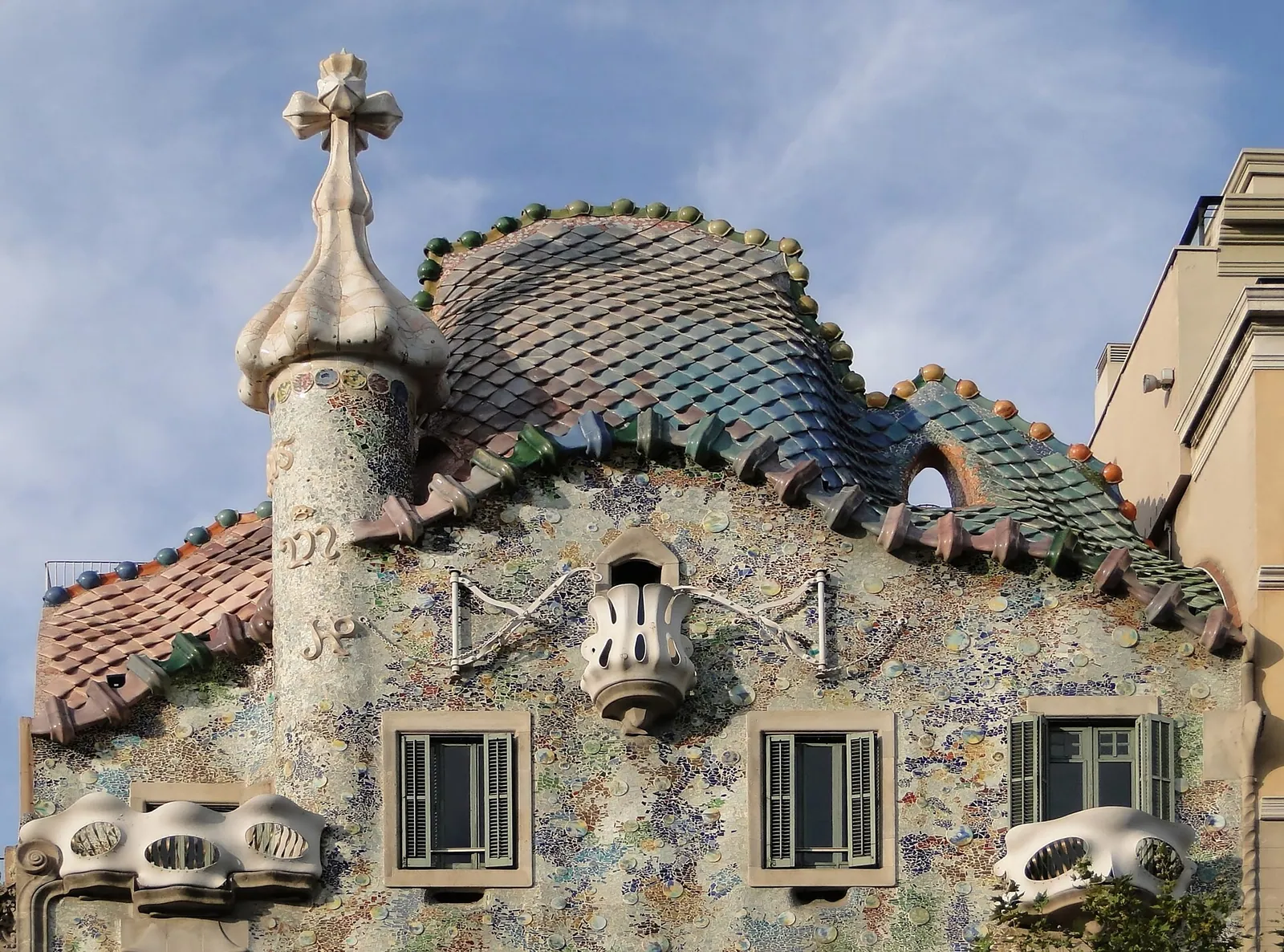
The scaled, tiled roof and bulbous tower of Gaudí’s Casa Batlló against a blue sky in Barcelona
Photo: Bernard Gagnon · CC BY-SA 3.0

Why it is on the route

Three nights lets you see the Gaudí highlights, wander the old quarter and still have time by the sea. It is a walkable city with a good metro, and an easy place to ease into the trip.

Things you could do

  • The Sagrada Família
  • Park Güell and Gaudí’s other buildings, such as Casa Batlló
  • The Gothic Quarter and El Born
  • The La Boqueria market
  • A walk or swim on the Barceloneta beach
  • Sunset from Montjuïc, or the views from the Carmel bunkers by day

Day trips

  • Montserrat, a mountain monastery northwest of the city
  • Sitges, a seaside town an easy train ride away
Our itinerary · 4 daysFour days in Barcelona, from the Gothic Quarter to Montserrat

Getting to Madrid

Barcelona → MadridTrain · About 3 hours

Take a high-speed train from Barcelona Sants to Madrid Atocha.

When to leave: Mid-morning after check-out, so you reach Madrid in the early afternoon and can drop your bags before check-in.

Other options

  • Flight About an hour and a quarter in the air, but with airport time and the transfers at each end it is rarely faster than the train.
  • Seats on the high-speed trains are reserved when you buy, so book ahead in busy months, and check which Madrid station your ticket shows, as some trains arrive at Chamartín rather than Atocha. Allow a little time for the security check.
  • Works on the line slowed some trains in 2026, so allow a little extra time and check the current timetable.
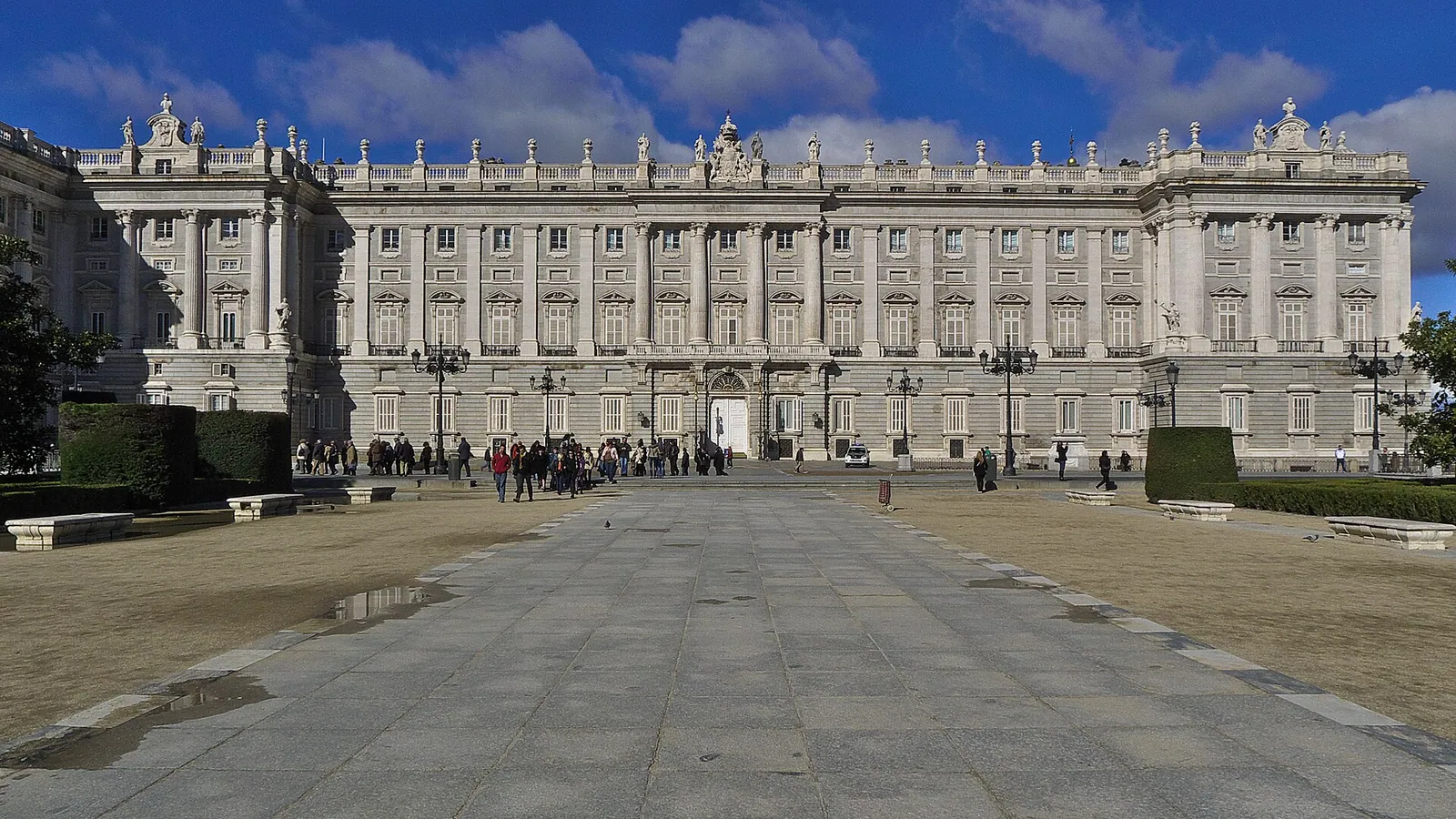
The long stone facade of the Royal Palace of Madrid seen across the Plaza de Oriente under a blue sky
Photo: Jose Luis Filpo Cabana · CC BY 3.0

Why it is on the route

Three nights gives you a day for the big museums and the palace, a day for the old center and Retiro Park, and an evening or two of tapas. Madrid runs late, so treat dinner at nine or ten as normal and start the next day a little slower.

Things you could do

  • The Prado Museum and its Spanish masters
  • The Reina Sofía and Picasso’s Guernica
  • The Royal Palace and the Plaza Mayor
  • A stroll through Retiro Park
  • An evening of tapas around La Latina and the old center

Day trips

  • Toledo, a walled hill town a short high-speed train ride away
  • Segovia and its Roman aqueduct
Our itinerary · 3 daysThree days in Madrid, from the Royal Palace to Toledo

Getting to Seville

Madrid → SevilleTrain · About 2.75 hours

Take a high-speed train from Madrid Atocha to Seville Santa Justa.

When to leave: Mid-morning after check-out, so you reach Seville in the early afternoon and can drop your bags before check-in.

Other options

  • Flight About an hour in the air, but with airport time it is slower overall. It is the fallback when the train is not running.
  • Service on this high-speed line was suspended in late 2026 after a serious accident, and temporary speed limits had already slowed trains on it, so check the current status and timetable before you book. If trains are not running, flights and coaches are the fallback.
  • Seats are reserved when you buy, so book ahead in busy months, such as Holy Week and the Seville fair, and allow a little time for the security check.
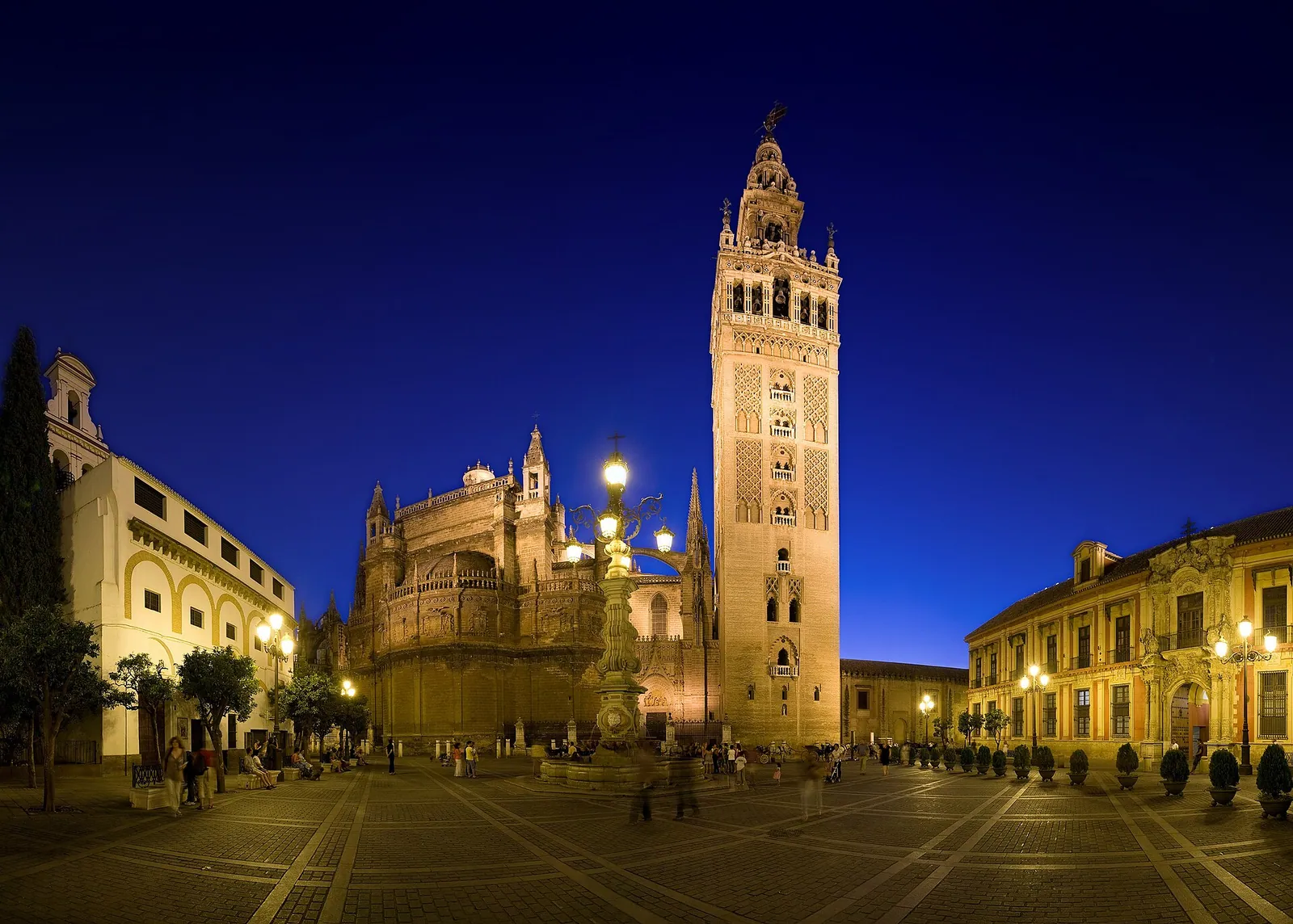
The Giralda tower and Seville Cathedral lit up at dusk against a deep blue sky
Photo: David Iliff · CC BY-SA 3.0

Why it is on the route

Seville is the heart of Andalusia, with a palace, a cathedral and a maze of old lanes, and it is small enough to walk everywhere. Three nights covers the big sights at an unhurried pace, with one evening for flamenco and, if you are happy with a faster pace, a day for a trip to Córdoba.

Things you could do

  • The Real Alcázar, a royal palace with Moorish halls and gardens
  • Seville Cathedral and the climb up the Giralda tower (restoration work at the top may limit views)
  • The Plaza de España and the Parque de María Luisa
  • The lanes of the Santa Cruz quarter
  • An evening of flamenco
  • Across the river in Triana, for tapas and ceramics

Day trips

  • Córdoba, with its great Mezquita, a short high-speed train ride away (some side chapels may still be closed for restoration)
  • The Roman ruins at Itálica (check the opening days)

Getting to Lisbon

Seville → LisbonFlight · About 1 hour

Fly from Seville airport to Lisbon, then take the metro or a taxi into the center.

When to leave: Take a morning or midday flight, so you reach your Lisbon neighborhood in the afternoon and keep part of the day. Lisbon is an hour behind Spain, so you gain an hour on the clock.

Other options

  • Bus A direct coach runs between the two cities, but it takes about 6.5 hours, which is a full travel day.
  • With the trip to the airport, check-in and the transfer at the other end, this is effectively half a day of travel, so keep the morning light. There is no useful train between the two cities.
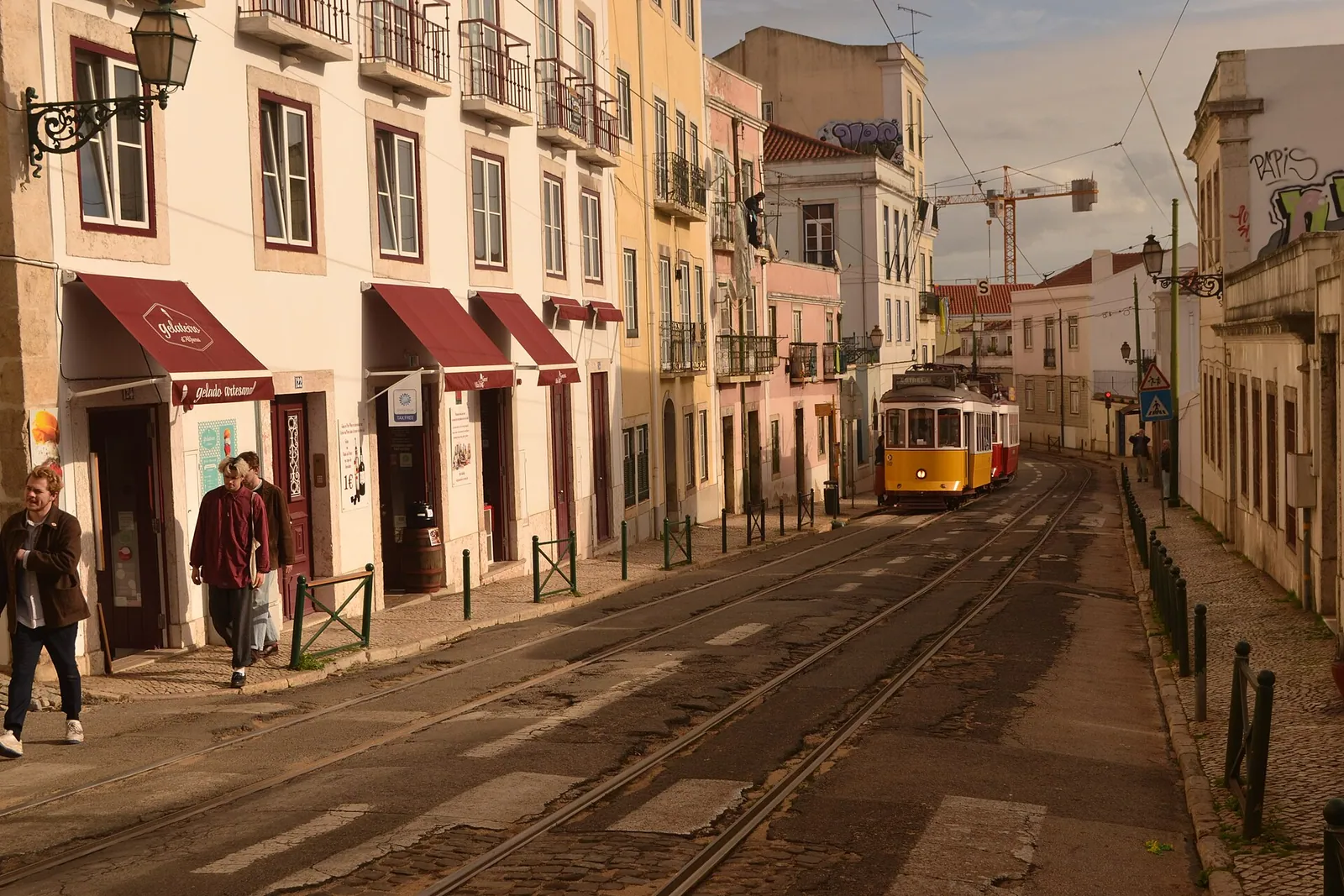
A yellow tram on a narrow street between old buildings in Lisbon’s Alfama district
Photo: Janko Hoener from Brühl, Germany · CC BY-SA 2.0

Why it is on the route

Lisbon is built on steep hills over the Tagus river, with old tiled streets, viewpoints and a relaxed pace. Four nights lets you see the old quarters and the riverside sights, with a day for Sintra and an evening for fado.

Things you could do

  • Alfama and the Castelo de São Jorge
  • Belém: the tower (which now limits daily entries), the monastery and the famous custard tarts
  • A ride on a vintage tram through the old streets
  • The viewpoints (miradouros) of Chiado and Bairro Alto
  • The Praça do Comércio and the Baixa grid
  • A fado evening

Day trips

  • Sintra, with its hilltop palaces, by train
  • Cascais and the coast, by train
Our itinerary · 4 daysFour days in Lisbon, with room to breathe

With more or fewer days

If you have 10 days

Skip Seville and give Barcelona, Madrid and Lisbon 3, 3 and 3 nights, for 9 nights in total. Fly from Madrid to Lisbon, which takes about an hour and a quarter in the air.

If you have 3 weeks

Add a night each in Barcelona and Madrid, two more in Seville, and three nights in Porto at the end, reached by train from Lisbon in about three hours, and fly home from there, which makes 20 nights.

Before you book

Published: · Updated:

Dayworthy

Turn this route into a day-by-day plan.

View all guides
Download Dayworthy on the App StoreDownload Dayworthy on Google Play