Dayworthy itinerary

Two days in Bruges, at a canal-side pace

A realistic 2-day Bruges itinerary

A balanced first visit split into Bruges' medieval core (the squares, the Belfry, the churches, and the beguinage) and a quieter second day of museums, lace-maker streets, and canal-side walks.

Destination
Bruges, Belgium
Length
2 days
Pace
balanced
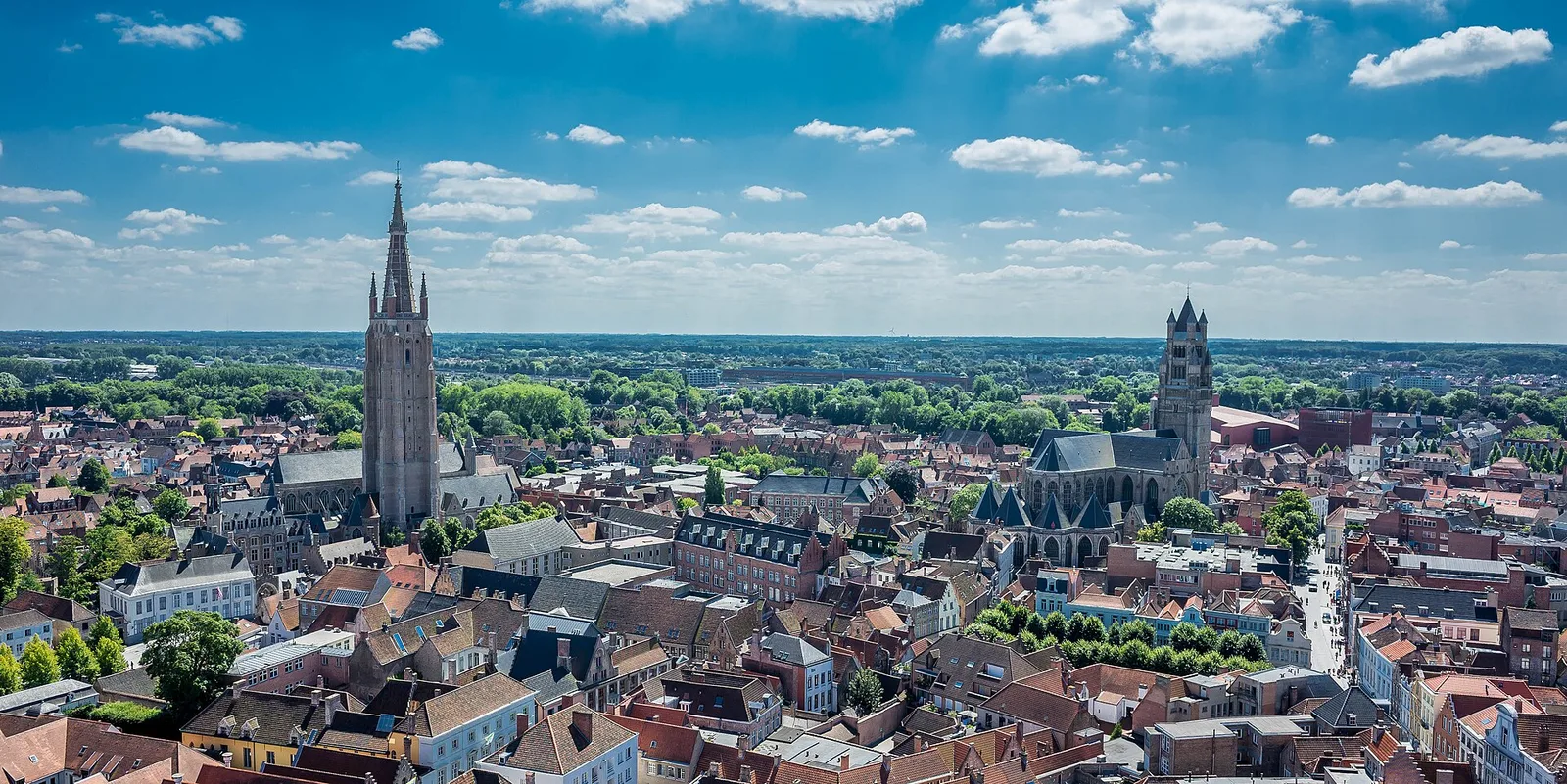
Rooftops of Bruges, with the spires of the Church of Our Lady and Saint Salvator’s Cathedral, seen from the Belfry
Photo: sergejf · CC BY 2.0

Day-by-day plan

A paced plan, not an endless list.

Day1

Markt, Belfry, Burg, Holy Blood, Our Lady, and the Beguinage

Start on the Markt and Burg while the squares are calm, visit the Basilica of the Holy Blood, and climb the Belfry. After lunch, walk the canals to the Church of Our Lady and the Beguinage, then finish at Minnewater and along the Dijver.

  1. 45 min

    Markt

    Soak in the grand atmosphere of Bruges' central medieval market square.

    Markt is Bruges' central square, framed by stepped-gable guildhouses and dominated by the Belfry and the old market halls. It is worth starting here to get your bearings and see the medieval core before the day crowds arrive. Expect cafes, horse-drawn carriages, and plenty of people by mid-morning, so an early start is calmer.

  2. 30 min

    De Burg

    Admire the intricate Gothic Town Hall and historic administrative heart.

    De Burg sits at the heart of old Bruges and feels like a place where the city’s long civic history is still visible in stone. It is worth stopping here to take in the mix of handsome facades, see how the square anchors the surrounding streets, and enjoy the calmer, more local-feeling side of central Bruges. Expect a small but elegant area that is best appreciated on foot, especially if you like historic urban spaces and people-watching.
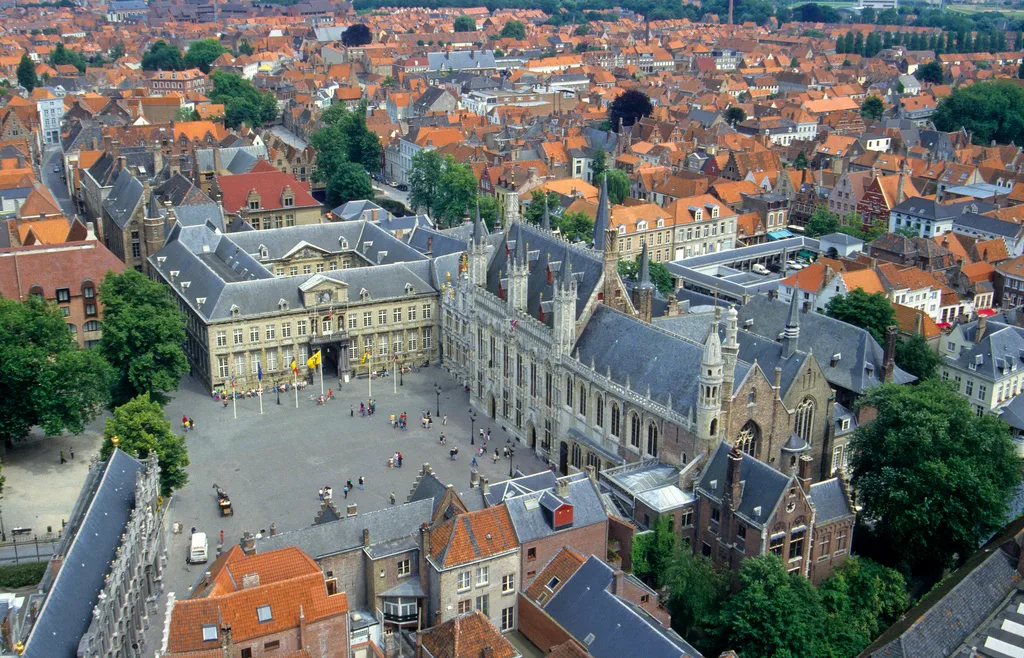
    An aerial view of the Burg square and its Gothic town hall, seen from the Belfry
    Photo: Benjamin Rossen · CC BY 2.0
  3. 45 min

    Basilica of the Holy Blood

    Visit the 12th-century chapel housing a venerated relic.

    The Basilica of the Holy Blood is one of Bruges' most distinctive small churches, drawing visitors as much for its spiritual significance as for its intimate, ornate atmosphere. It is worth a stop if you like places that combine history, devotion, and a sense of ceremony in a space that does not take long to see.
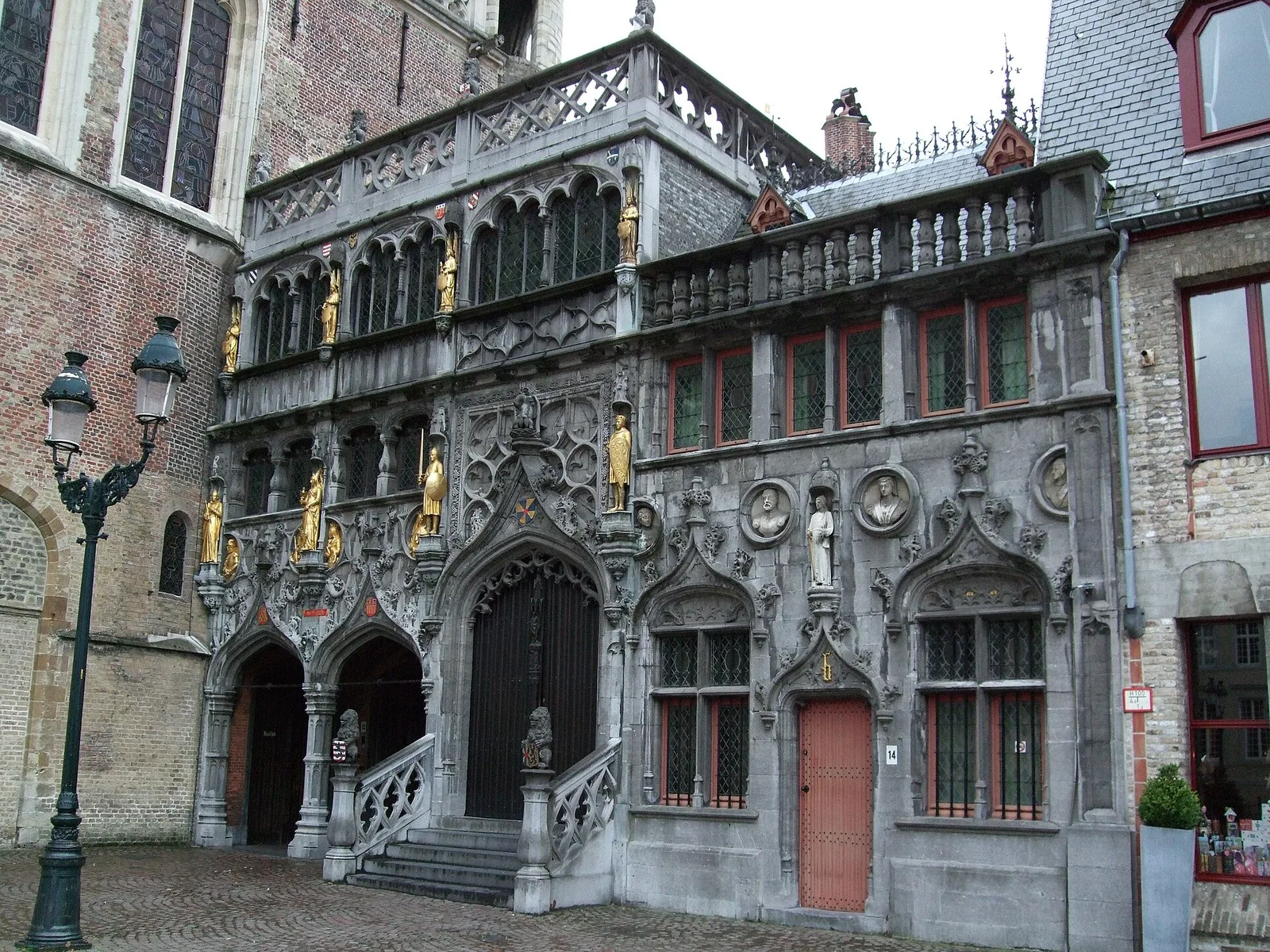
    The ornate Gothic facade of the Basilica of the Holy Blood with gilded statues
    Photo: Jim Linwood · CC BY 2.0
  4. 1 hour 15 min

    Belfry of Bruges

    Climb the iconic tower for sweeping panoramic views of the city (timed tickets; book ahead).

    Belfry of Bruges is one of the most recognizable sights in the old center, and the climb rewards you with a strong look over the rooftops, canals, and squares below. It is especially worthwhile if you want a classic Bruges experience in a compact visit, though the stairs can feel steep and the top can be busy at peak times.
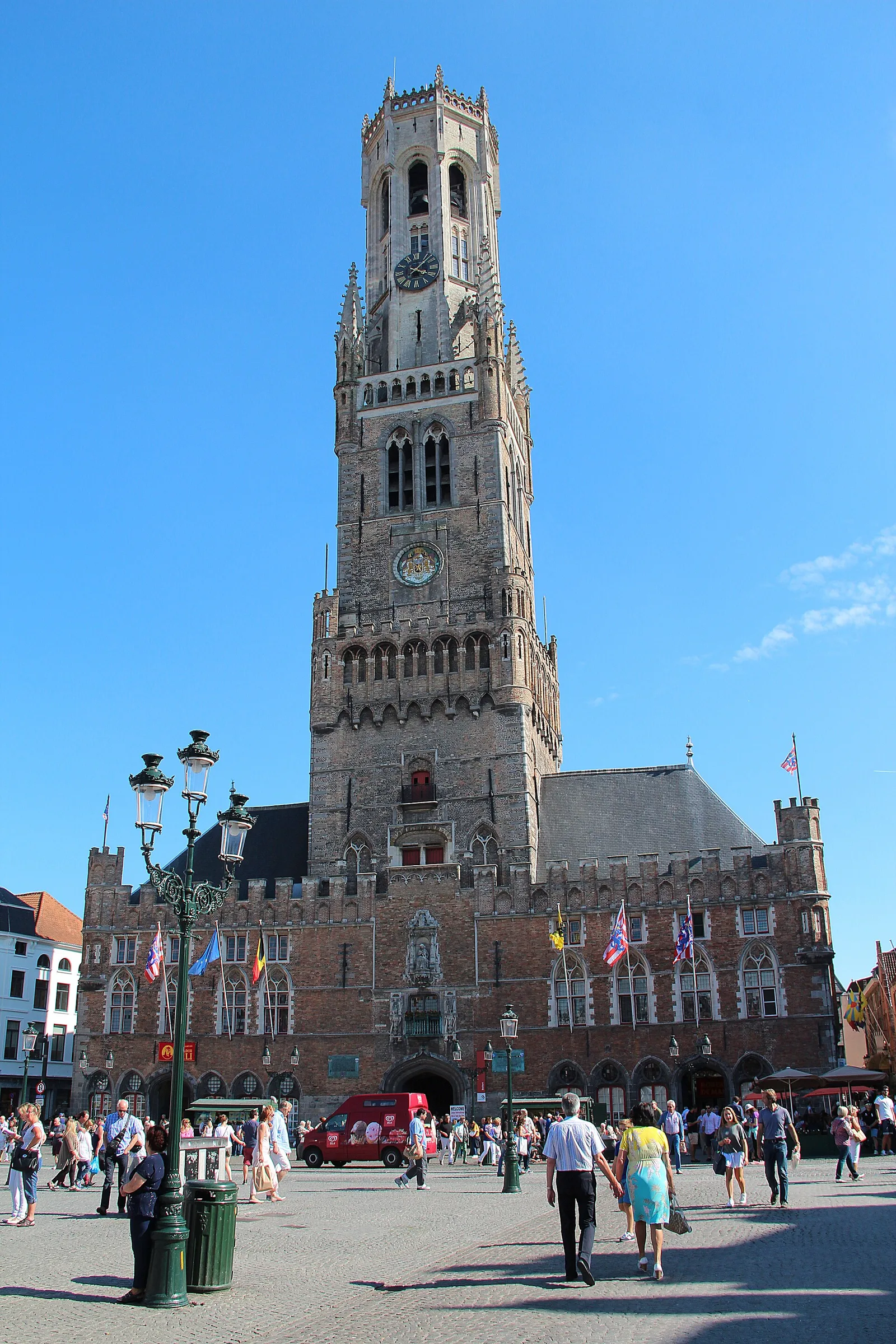
    The Belfry tower rising above the market halls on the Markt in Bruges
    Photo: Jean-Pol GRANDMONT · CC BY-SA 4.0
  5. 1 hour 15 min

    Lunch near the Burg

  6. 30 min

    Rozenhoedkaai

    Take in Bruges' most photographed, postcard-perfect canal corner.

    Rozenhoedkaai is the canal corner where the Dijver meets the Groenerei, often cited as one of the most photographed spots in Bruges, with gabled houses and the Belfry behind. It is worth a short stop for the view and the canal atmosphere. Expect photographers and a crowd at popular times; early or late light is quieter.

  7. 1 hour

    Church of Our Lady

    View Michelangelo's famous 'Madonna and Child' marble sculpture (ticketed).

    The Church of Our Lady is one of those Bruges stops that feels most rewarding when you slow down and let the building speak for itself. Its main draw is Michelangelo's marble Madonna and Child, which needs a ticket, alongside a calm, historic interior. Expect a quiet visit rather than a flashy attraction, best for travelers who appreciate sacred architecture and a pause from the busier parts of the city.
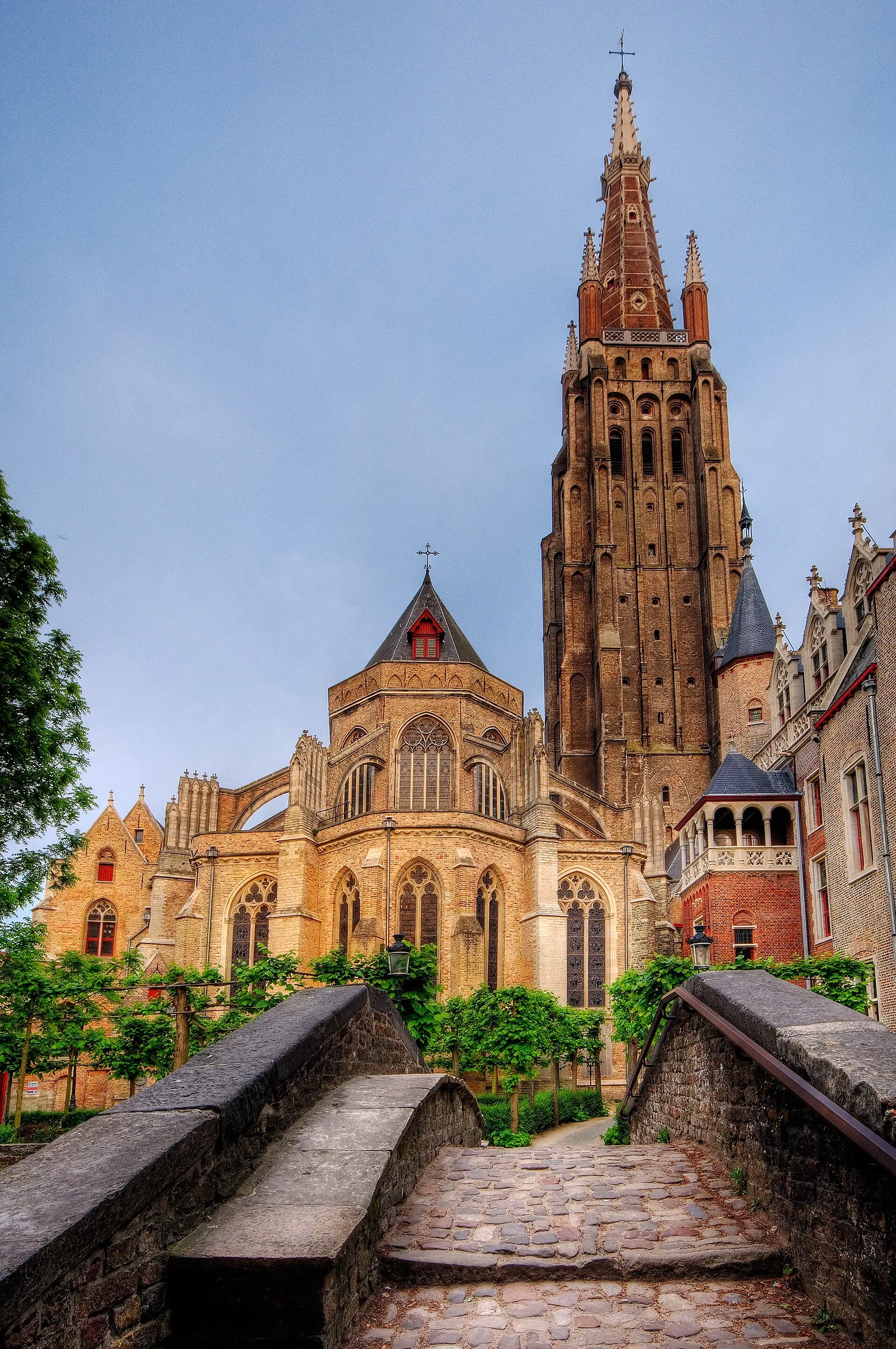
    The brick tower and apse of the Church of Our Lady seen from a cobbled canal bridge
    Photo: Wolfgang Staudt · CC BY 2.0
  8. 45 min

    Beguinage "Ten Wijngaerde"

    Wander the tranquil whitewashed courtyard of this historic Beguinage.

    The Princely Beguinage Ten Wijngaerde is a peaceful enclosure of whitewashed houses around a green courtyard, part of a UNESCO World Heritage listing of Flemish beguinages. It is worth a slow walk for its calm after the busier center. Expect a quiet, lived-in place where visitors are asked to keep voices low.

  9. 45 min

    Minnewater Park

    Stroll around the peaceful 'Lake of Love' and its medieval bridge.

    Minnewater Park is one of the easiest places in Bruges to slow down and enjoy the city’s softer side. It pairs lakefront views with tree-lined paths and a very photogenic atmosphere, making it a good stop if you want a break from the busier historic center. It is best for a relaxed walk, a quiet pause, or a first look at Bruges’ romantic scenery rather than for packed sightseeing.
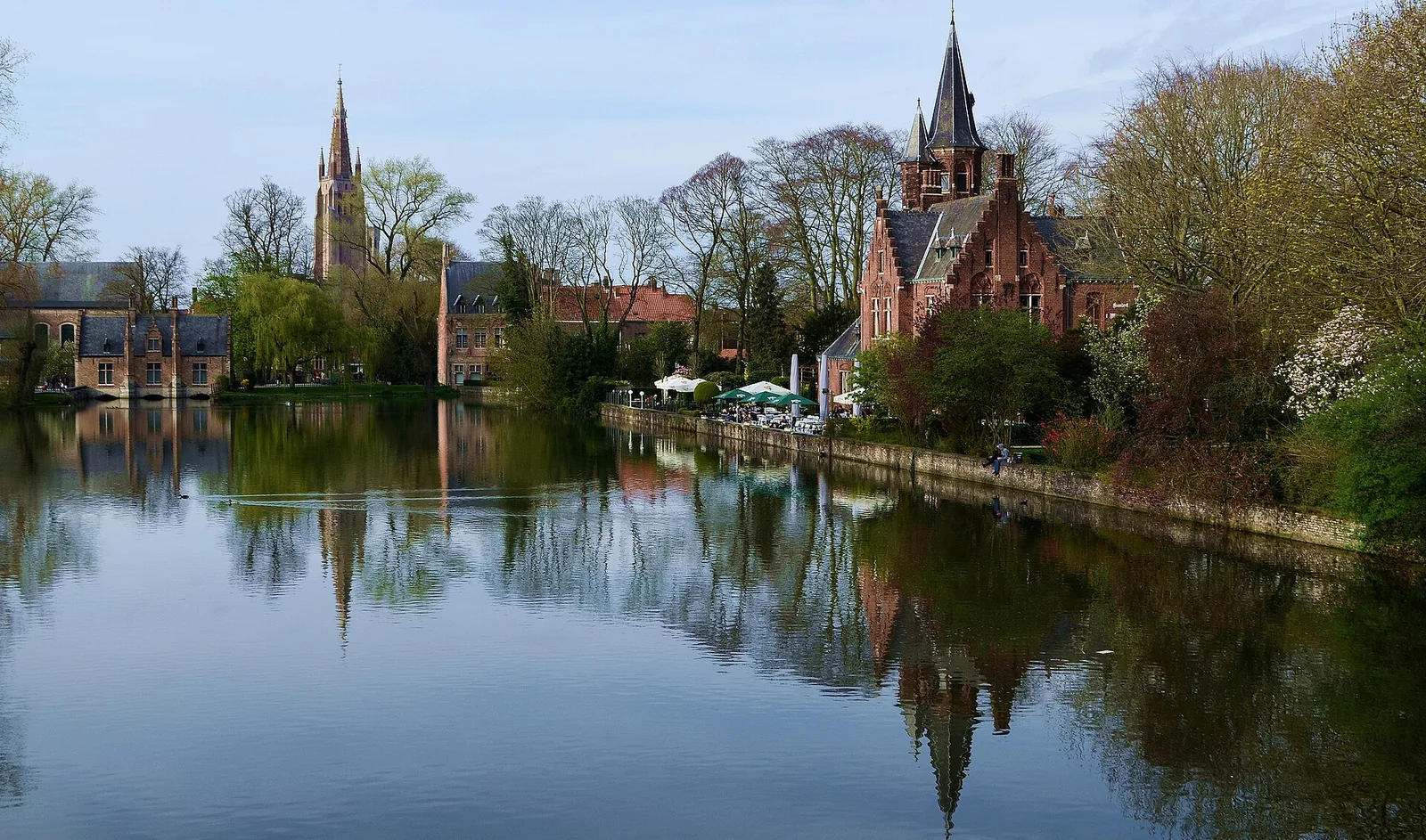
    Red-brick houses and a church spire reflected in the still water of Minnewater
    Photo: satya430 · CC BY-SA 4.0
  10. 45 min

    Waffle and a rest

  11. 30 min

    The Dijver canal walk

    Enjoy a quiet golden-hour walk along the tree-lined canal banks.

    The Dijver is a tree-lined canal embankment near the Rozenhoedkaai and the Groeninge Museum, best for an unhurried walk, a short pause, or a few calm photos at the end of the day. It is worth it if you enjoy the softer side of the city: water, reflections, and old brick houses rather than a major attraction with exhibits. Expect a modest, easygoing stop that pairs well with nearby wandering.
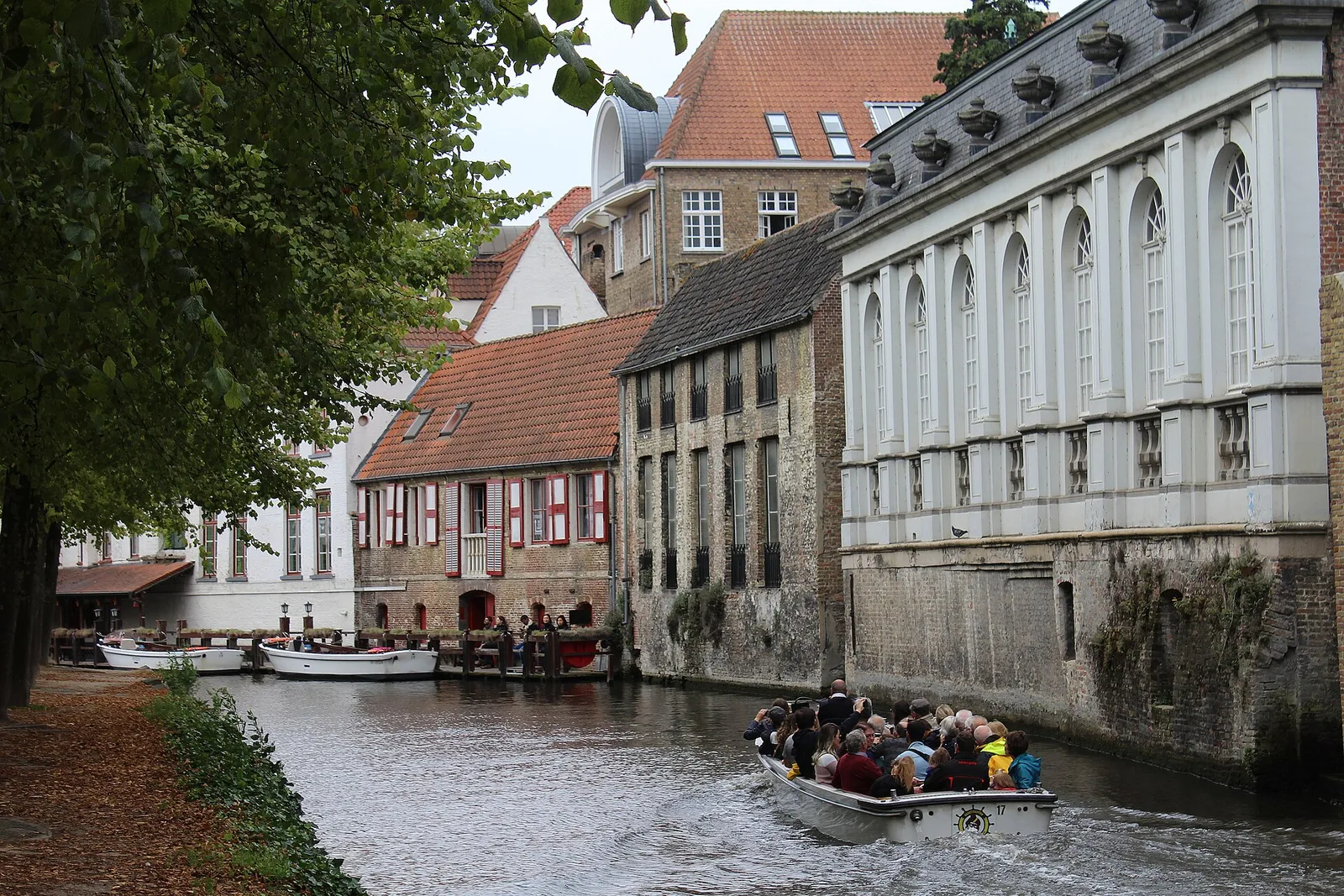
    A canal boat passing old brick houses along the Dijver in Bruges
    Photo: Dguendel · CC BY 4.0
  12. 1 hour 30 min

    Dinner in the old town
Day2

Groeninge, Saint John’s Hospital, Jeruzalem, and the northern canals

A slower day: two of Bruges' best museums in the morning, a quiet afternoon in the Sint-Anna quarter and past the ramparts' windmills, and an evening stroll along the Spiegelrei canal.

  1. 1 hour 30 min

    Groeninge Museum

    Explore six centuries of Flemish Primitive and Renaissance art masterpieces.

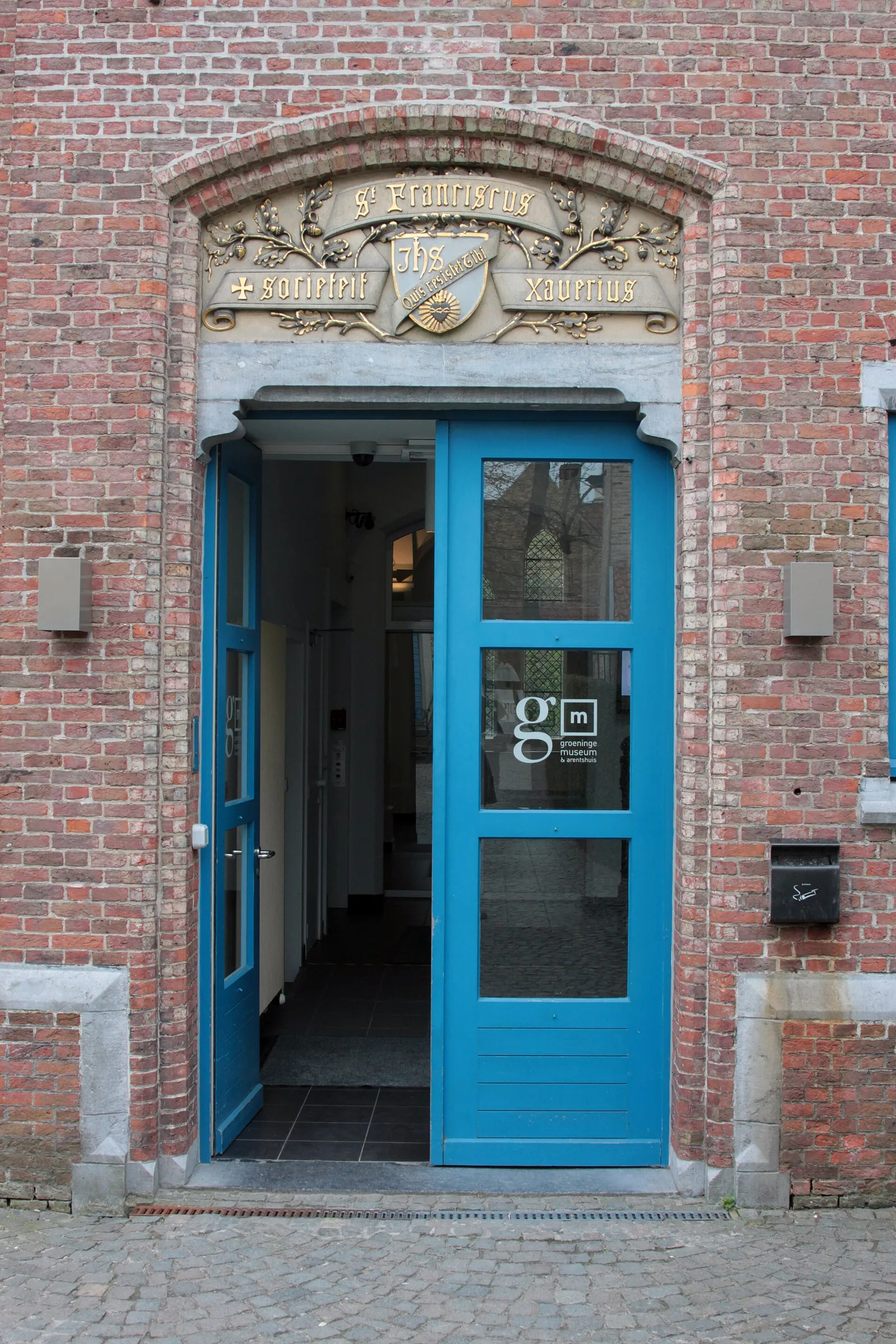
    Groeninge Museum is one of Bruges’ strongest reasons to slow down and spend time with the city’s artistic side, with a focused collection that highlights the region’s painting tradition. It is especially appealing if you enjoy classical art and want a museum visit that feels thoughtful rather than overwhelming, though it is not the place for a fast, broad survey of every period. Expect a polished, quiet visit that pairs well with a day of wandering Bruges’ historic center.

    The blue entrance door of the Groeninge Museum in a red-brick wall
    Photo: pcs34560 · Public domain
  2. 1 hour 15 min

    Saint John’s Hospital

    Step inside a preserved medieval hospital complex that is now a museum, home to paintings by Hans Memling.

    Saint John's Hospital in Bruges is worth a stop if you like places where the building itself is as interesting as the collection. It is a preserved medieval hospital, now a museum, known for its paintings by Hans Memling. Expect an intimate visit with a strong sense of history rather than a big, sprawling attraction.

  3. 1 hour 15 min

    Lunch in Sint-Gillis

  4. 45 min

    Jeruzalem Church

    Discover an unusual, highly atmospheric 15th-century private chapel.

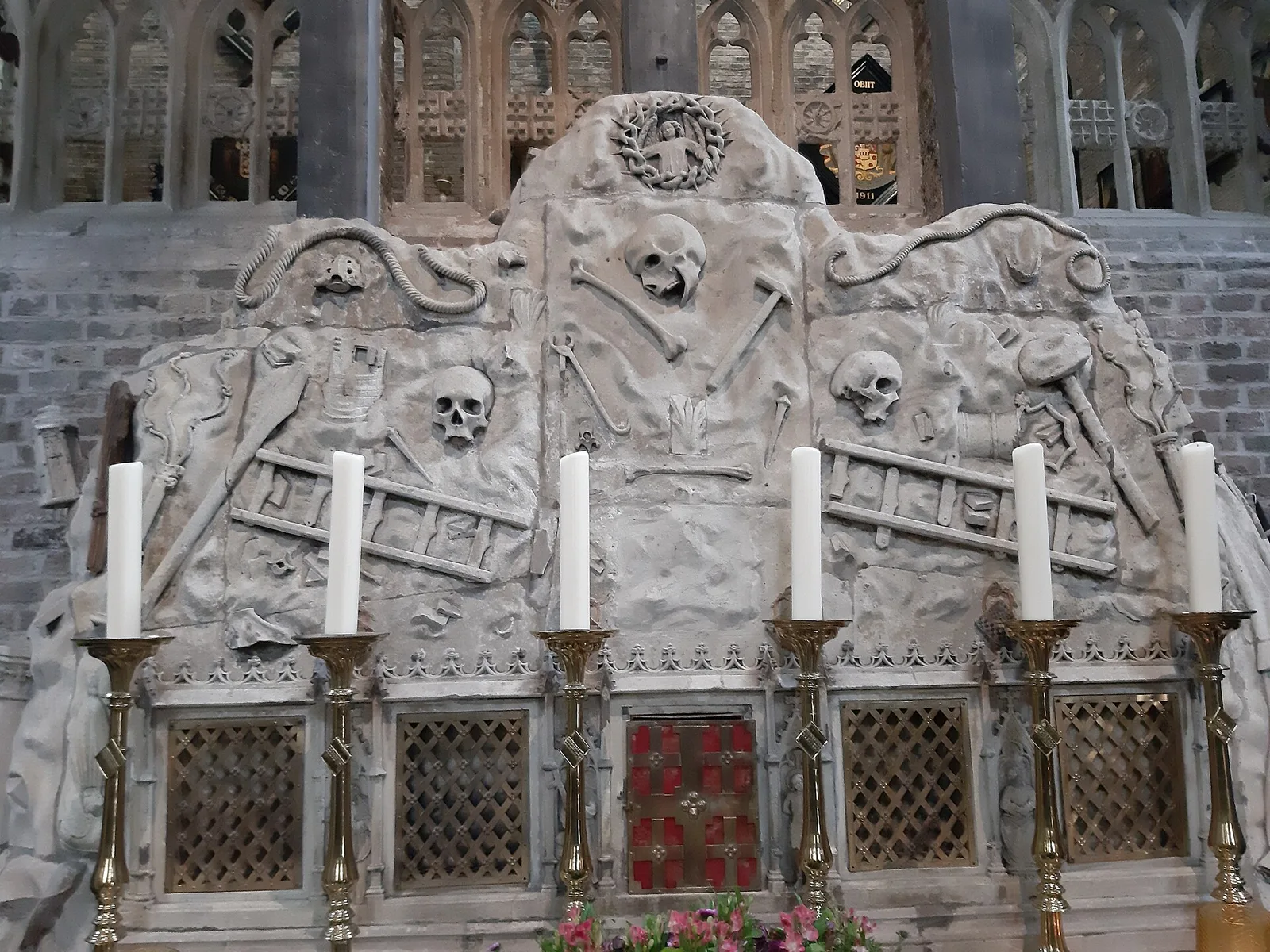
    Jeruzalem Church is one of Bruges’ more unusual historic churches, known for its intimate scale and distinctive character rather than grand decoration. It is worth a stop if you enjoy places with a contemplative feel, where the setting itself is the attraction and the visit is more about mood and history than a long list of sights. Expect a calm, fairly brief visit that pairs well with exploring Bruges on foot.

    The carved stone altar with skulls and symbols of the Passion inside the Jeruzalem Church
    Photo: Donarreiskoffer · CC BY-SA 4.0
  5. 45 min

    Sint-Anna Quarter

    Walk through the serene traditional lace-making district's cobbled lanes.

    Sint-Anna is a calm residential quarter of cobbled lanes and small canals in the north-east of the old town, traditionally associated with lace-making. It is worth wandering for its quiet streets and everyday Bruges life, away from the main sights. Expect few headline attractions and a lot of atmosphere, best taken slowly.

  6. 30 min

    Koelewei Mill

    Admire historic wooden windmills perched along the green ramparts.

    Koelewei Mill appeals most if you like atmospheric corners of Bruges: it gives you a feel for the city’s historic edge, away from the busiest postcard spots. Expect an exterior-first visit with a scenic, low-key setting rather than a big museum experience, so it works best as part of a stroll or cycling route.

  7. 1 hour

    Craft beer break

  8. 45 min

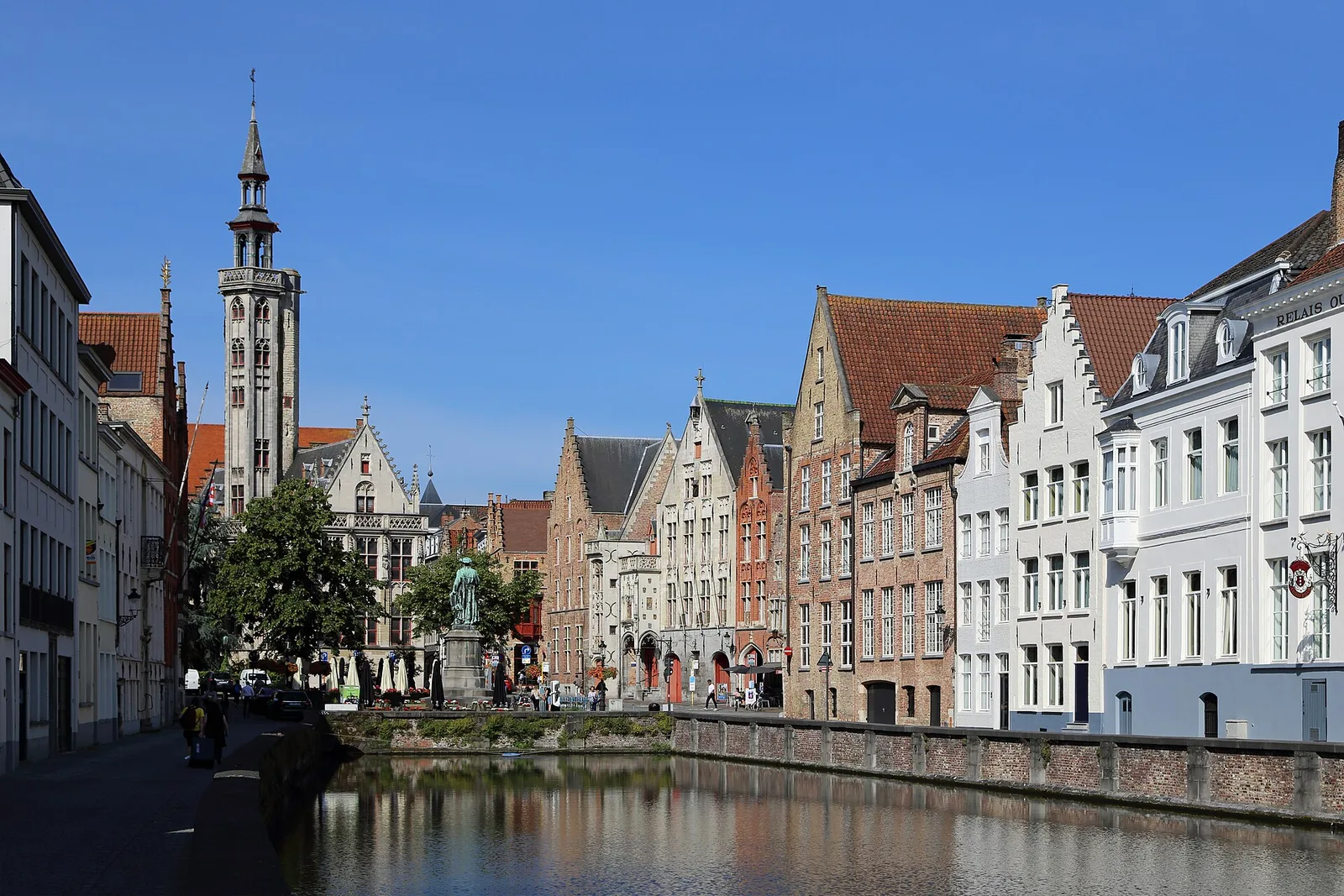
    Jan van Eyckplein & Spiegelrei

    Meander past former merchant houses along the tranquil northern harbor.

    Jan van Eyckplein & Spiegelrei is a scenic junction in central Bruges, best appreciated as part of a slow walk rather than as a stand-alone stop. The setting is all about old facades, water, and calm city views, so it suits travelers who want to linger, take photos, or enjoy a quieter side of the historic center.

    Gabled merchant houses along the Spiegelrei canal, with the Poortersloge tower behind
    Photo: Marc Ryckaert · CC BY-SA 4.0
  9. 1 hour 30 min

    Dinner near Jan van Eyckplein

Itinerary decisions

What makes the cut, what can wait, and what is less worth it.

Essential

  • The Markt, Burg, and the Belfry climb
  • The Basilica of the Holy Blood
  • Groeninge Museum and Saint John’s Hospital
  • A canal walk along the Dijver and Spiegelrei

Optional

  • Church of Our Lady and Michelangelo’s Madonna (ticketed)
  • Minnewater Park and the Beguinage
  • Sint-Anna quarter and the ramparts’ windmills

Not prioritized

  • Adding a day trip to Ghent or the coast
  • A canal boat tour, which is pleasant but optional

Before you use this plan

  • Hours, closures, prices, and conditions can change.
  • Plan Day 2 for Tuesday to Saturday: the Groeninge Museum and Saint John’s Hospital are closed on Mondays, and Jeruzalem Church is closed on Sundays and public holidays. Day 1 works on any day, so if you arrive on a Monday, use it for Day 1.
  • The Basilica of the Holy Blood is open daily (its own site lists 10:00 to 17:15), but parts of it are limited to worshippers during religious services; confirm current hours.
  • The Belfry uses timed tickets and has 366 steps; book a slot online and check the current season’s hours, as it is occasionally closed for maintenance.
  • Entering the main nave of the Church of Our Lady is usually free, but seeing the Michelangelo Madonna needs a paid ticket; on Sundays the church typically opens only in the afternoon.
  • Koelewei Mill is seen from the outside. The windmill on the ramparts you can usually enter is Sint-Janshuismolen, which follows a seasonal schedule and is closed on Mondays.
  • Bruges is compact and mostly cobbled, so wear comfortable shoes; it is busiest around midday and on summer weekends, and quieter early and in the evening.
  • This is a public example; Dayworthy adapts it to your dates, pace, hotel, and interests inside the app.

Dayworthy

Turn this example into your trip.

Dayworthy adapts the itinerary to your dates, pace, hotel, interests, and saved places.